
When Should You See an Osteopath in Tokyo?
A stiff neck after another long week at a desk can be easy to dismiss. So can the low back ache that appears after carrying a child, running hills, or standing on a crowded Tokyo train. The question is: when should you see an osteopath rather than wait for it to settle on its own?
A useful rule is to pay attention when pain, restricted movement, or recurring tension begins to affect the way you work, sleep, exercise, or care for your family. Osteopathic care may be appropriate when you want a thoughtful, hands-on assessment of how your body is moving as a whole – not simply a temporary response to the area that hurts.
When Should You See an Osteopath for Pain?
You do not need to be in severe pain to seek osteopathic care. In fact, treatment can be particularly helpful when a new issue is beginning to alter your normal movement patterns. Perhaps you are avoiding turning your head while driving, changing how you sit at work, or skipping your usual gym session because something feels “not quite right.” These compensations can place extra strain on other areas over time.
It is also sensible to arrange an assessment when discomfort persists beyond a few days, repeatedly returns, or fails to improve with rest and sensible self-care. Pain that travels, stiffness that steadily limits your range of motion, or symptoms that interfere with sleep deserve careful attention.
Osteopathy is commonly sought for back and neck pain, shoulder tension, hip discomfort, sciatica-like symptoms, muscle strains, and joint restrictions. A consultation looks beyond the painful spot. For example, recurring shoulder pain may relate to posture, upper back mobility, breathing mechanics, an old sports injury, or the way you use your arm throughout the day. The goal is to understand the contributing pattern and create a treatment plan suited to your body and daily demands.
After a Sports Injury or Training Setback
Active adults and athletes often benefit from osteopathic care after a strain, sprain, impact, or sudden increase in training. You may have completed a race, returned to tennis after a break, started a demanding fitness program, or noticed that an old injury has become limiting again.
Treatment is not only about getting rid of soreness. It can help restore comfortable movement, reduce protective muscle tension, and identify restrictions that may be affecting technique or recovery. The right timing depends on the injury. A mild muscle strain may respond well to early assessment and appropriate hands-on care, while a significant injury may first need medical imaging, orthopedic evaluation, or a period of protection.
A skilled osteopath should be clear about those boundaries. If a suspected fracture, major ligament injury, concussion, or other acute problem is present, medical assessment comes first. Osteopathic treatment can then play a valuable role in recovery when it is appropriate.
When Headaches, Jaw Tension, or Neck Pain Keep Returning
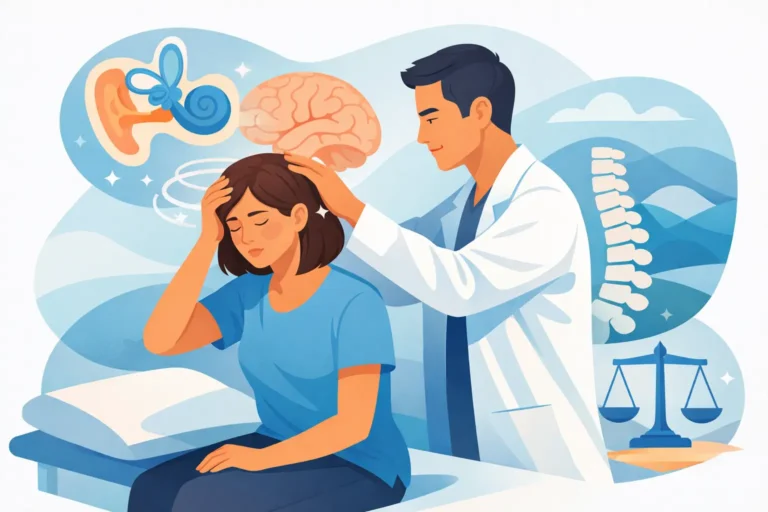
Frequent headaches do not always begin in the head. Neck stiffness, jaw clenching, prolonged screen use, poor sleep, stress, and upper-back tension can all contribute to certain headache patterns. If you regularly wake with jaw discomfort, notice clicking or tightness around the temporomandibular joint (TMJ), or develop headaches after desk work, an osteopathic assessment may be useful.
Hands-on treatment can address tension and movement restrictions in the neck, shoulders, jaw, and surrounding soft tissues. It may also include gentle cranial or biodynamic approaches where suitable. Just as importantly, your practitioner can help you recognize contributing habits, such as sustained posture, shallow breathing, or nighttime clenching.
However, new, sudden, or unusually severe headaches should never be treated as routine tension. Seek urgent medical care for a sudden “worst-ever” headache, headache after a head injury, or headache accompanied by confusion, fainting, fever, vision changes, weakness, numbness, or difficulty speaking.
Osteopathy During Pregnancy and After Birth
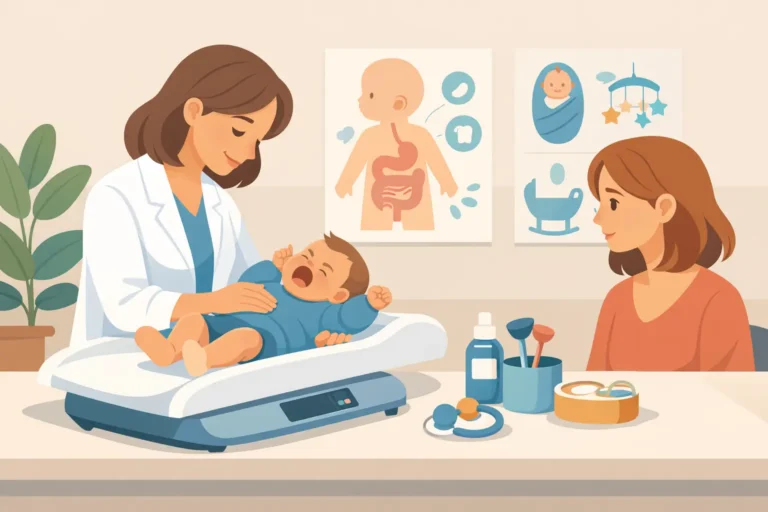
Pregnancy asks the body to adapt quickly. As posture, weight distribution, ligament laxity, and breathing mechanics change, it is common to experience low back pain, pelvic discomfort, rib tension, hip pain, or aching through the legs. Many expectant mothers seek osteopathic care because they want a gentle, non-pharmaceutical option that is individualized to their stage of pregnancy and level of comfort.
An experienced practitioner will adapt positioning and techniques carefully. Treatment may focus on helping the pelvis, spine, hips, diaphragm, and surrounding soft tissues move more comfortably, rather than using forceful techniques. The aim is to support ease of movement and day-to-day function, whether that means walking more comfortably, sleeping with less strain, or managing the physical demands of pregnancy.
Postpartum care can be equally valuable. Feeding positions, lifting, carrying, disrupted sleep, and a gradual return to exercise can place considerable stress on the neck, back, wrists, and pelvic region. An osteopathic consultation can provide a calm space to assess these changes and develop a realistic plan around your recovery and responsibilities.
For pregnancy-related symptoms, osteopathy works best as part of well-coordinated care. Your obstetrician, midwife, or physician should remain involved, especially if you have complications, high blood pressure, bleeding, severe abdominal pain, reduced fetal movement, or other concerning symptoms.
When Stress Shows Up in Your Body
Stress is not “just in your head.” It can alter sleep, breathing, muscle tone, digestion, and the way you hold your body throughout the day. Many busy professionals notice a familiar pattern: raised shoulders, a tight jaw, shallow breathing, headaches, and a back that never seems to fully relax.
Osteopathy cannot remove the source of a demanding job or a major life change. What it can do is help reduce the physical strain that has accumulated around that stress response. Gentle manual treatment, combined with practical advice on movement, posture, recovery, and pacing, can help your body feel less guarded and more adaptable.
This is particularly relevant when medical tests have not identified a serious cause, yet you still feel persistently tight, uncomfortable, or physically depleted. Your symptoms are real, and a whole-body assessment may offer a useful perspective.
What Happens at an Osteopathic Appointment?
If you have never seen an osteopath, uncertainty about the first visit can be a reason to delay. A quality appointment should begin with listening. Your practitioner will ask about your symptoms, health history, work, sport, sleep, previous injuries, and what you want to return to doing comfortably.
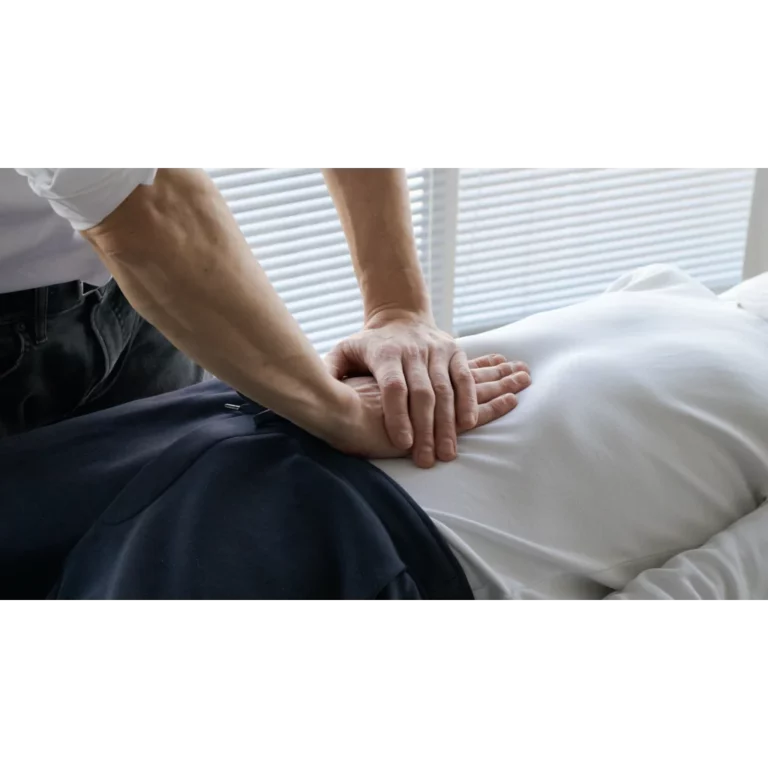
The physical assessment may include observing posture, testing movement, and gently examining relevant joints, muscles, and soft tissues. This is not a one-size-fits-all process. The treatment approach should be adjusted to your age, health history, sensitivity, goals, and comfort level.
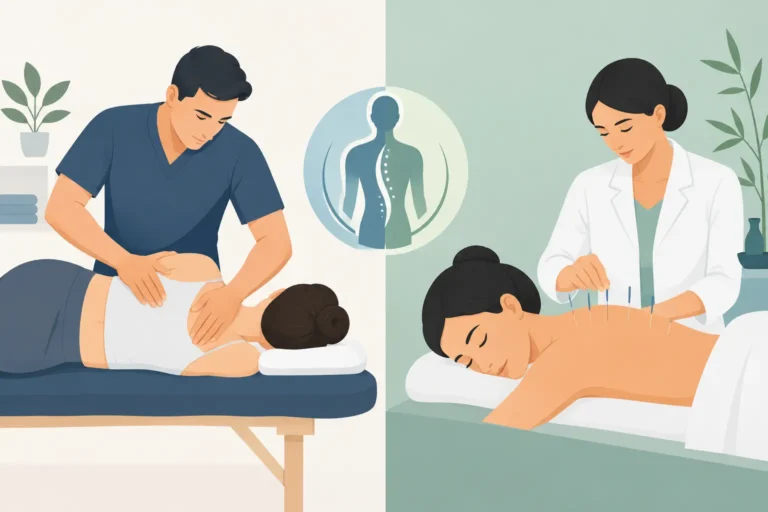
Techniques may include soft-tissue work, joint mobilization, structural adjustments, craniosacral or biodynamic methods, and guidance for movement between appointments. You should understand what is being proposed and feel able to ask questions or decline any technique. Good care is collaborative, not something done to you without explanation.
At Osteopath Tokyo, David Brisson provides this type of individualized, multilingual care for patients seeking clear communication and a considered approach to pain, recovery, pregnancy, and everyday mobility.
When Osteopathy Is Not the Right First Step
Osteopathy is not a substitute for emergency or specialist medical care. Seek urgent assessment for chest pain, shortness of breath, sudden weakness, loss of bladder or bowel control, numbness in the groin area, a suspected fracture, a high fever with severe pain, or rapidly worsening neurological symptoms.
You should also speak with a physician promptly if you have unexplained weight loss, pain that is severe and constant at night, a history of cancer, or symptoms following a serious accident. In these situations, identifying the underlying cause is more important than beginning manual treatment.
For many less urgent concerns, you do not have to wait until pain becomes overwhelming. If your body has been asking for attention through recurring stiffness, reduced mobility, or discomfort that changes your routine, a careful osteopathic assessment can be a practical next step. The earlier you understand what is contributing to the problem, the easier it may be to move forward with confidence and comfort.