
7 Best Stretches for Jaw Tension and Relief
A tight jaw can make ordinary moments feel exhausting: finishing a demanding presentation, eating dinner, speaking on the phone, or trying to fall asleep. The best stretches for jaw tension are gentle, controlled movements that reduce guarding without forcing an already irritated joint. They can be useful when clenching, stress, long hours at a desk, or neck tension leave your jaw feeling tired, sore, or restricted.
Jaw tension is rarely just a jaw problem. The temporomandibular joints, or TMJs, work closely with the muscles of the face, neck, shoulders, and upper back. For that reason, a stretch that feels small and simple can be more effective than aggressively opening the mouth or trying to “pop” the joint.
Before You Stretch Your Jaw
The goal is comfort, not a bigger range of motion. Work in front of a mirror if possible, especially at first, so you can notice whether your jaw shifts noticeably to one side as you open. Sit upright with both feet supported and allow your shoulders to settle.
Use slow breathing throughout. A helpful starting position is to rest the tip of your tongue lightly on the roof of your mouth, just behind your upper front teeth, while keeping your teeth apart. This is the jaw’s relaxed resting position. Repeat each movement two or three times initially and stop if pain becomes sharp, catches, or spreads.
Avoid stretching through a locked jaw, a recent injury, severe swelling, fever, facial numbness, or a sudden change in your bite. These symptoms deserve prompt assessment rather than self-treatment.
7 Best Stretches for Jaw Tension
1. Resting tongue opening
Place the tip of your tongue gently on the roof of your mouth behind the upper front teeth. Keeping it there, slowly lower your jaw only as far as it can move comfortably, then close again. Do not force the mouth open or let the lower jaw slide forward.
This movement encourages a centered, controlled opening and can be especially helpful when the jaw feels stiff after clenching. Aim for five slow repetitions. If you notice clicking without pain, simply make the movement smaller. Clicking that is painful, frequent, or accompanied by locking should be evaluated.
2. Supported jaw opening
Place one or two fingertips beneath the center of your chin. As you slowly open your mouth, use the fingers only as a light guide, not as resistance. Hold the comfortable open position for three to five seconds, then release.
This stretch can calm the urge to force the jaw wider. It is often preferable to broad, unsupported opening when the joint feels sensitive or fatigued. Keep the neck long and avoid tipping your head backward to create extra movement.
3. Gentle side-glide stretch
With your lips relaxed and teeth slightly apart, slowly move your lower jaw a few millimeters to the right, return to center, then move it to the left. The motion should feel smooth and modest, rather than like a strong lateral stretch.
Side glides address the muscles that help guide the jaw during chewing and speaking. They can reveal an asymmetry as well. If one direction feels consistently blocked, painful, or unstable, do not push further. A one-sided restriction may relate to joint mechanics, muscle tension, dental factors, or neck posture.
4. Chin tuck with relaxed jaw
Sit tall and look straight ahead. Without lowering your gaze, gently draw your head backward as if making a small double chin. Keep your lips soft, teeth apart, and tongue resting lightly against the palate. Hold for five seconds, then release.
Many people clench more when the head drifts forward over a laptop or phone. This exercise does not stretch the jaw directly, but it improves the relationship between the head, neck, and jaw. Five to eight repetitions can be a useful reset during a workday.
5. Upper neck release
Place one hand on your chest or collarbone to keep the shoulder down. Tilt your right ear gently toward your right shoulder until you feel a mild stretch along the left side of your neck. Keep your nose facing forward and your jaw loose. Hold for 15 to 20 seconds, then change sides.
The upper neck and jaw often tighten together, particularly during stressful periods or after prolonged screen work. This should feel like a quiet lengthening, not a pull. If tilting the head produces dizziness, tingling, or sharp pain, stop and seek professional guidance.
6. Temporalis muscle release with breath
Place the pads of your fingers over the temples, above and slightly behind the outer corners of the eyes. Take a slow breath in. As you breathe out, make tiny, comfortable circles with very light pressure for 20 to 30 seconds.
The temporalis muscles are powerful chewing muscles and commonly become tender in people who clench or grind their teeth. This is not a deep massage. Gentle contact combined with a longer exhale is often enough to help the area soften.
7. Masseter release and cheek stretch
Find the firm muscle at the side of your cheek by gently clenching once, then fully relaxing. With two fingers, apply light pressure to this area and make small circles for 20 seconds. Follow this by opening the mouth only slightly, keeping the tongue on the roof of the mouth, and taking three relaxed breaths.
The masseter can feel unusually dense when nighttime grinding or daytime clenching is present. More pressure is not necessarily better. If the muscle is very sore, reduce pressure or use warmth first, such as a comfortably warm compress for five to ten minutes.
How Often Should You Do Jaw Stretches?
For mild tension, a brief routine once or twice a day is usually enough. The most useful time is often before the jaw becomes painful: after a long commute, between meetings, or as part of an evening wind-down. If symptoms increase after stretching and do not settle within a few hours, reduce the range, frequency, or number of exercises.
Consistency matters more than intensity. A few calm repetitions performed daily can help retrain habitual bracing. Stretching, however, cannot fully address every cause of jaw discomfort. Bruxism, bite changes, inflammatory joint conditions, stress, poor sleep, headaches, and cervical spine dysfunction can all contribute.
Habits That Help Your Jaw Stay Relaxed
Between stretches, check your resting position. Your teeth should generally be apart except when chewing or swallowing. Many people unconsciously keep their teeth lightly touching while concentrating, driving, or exercising, which keeps the jaw muscles active for hours.
Consider your workstation as well. A screen that is too low can encourage a forward-head posture, and frequent phone use can add strain to the neck. Regular movement breaks, adequate hydration, and choosing softer foods for a day or two during a flare can be sensible short-term measures. Avoid chewing gum, biting nails, or testing the jaw repeatedly to see whether it still hurts, as these habits can perpetuate irritation.
When Jaw Tension Needs Individualized Care
Seek an assessment if jaw pain lasts more than a couple of weeks, regularly disrupts sleep, causes headaches or ear symptoms, limits eating, or involves locking and repeated painful clicking. A dentist may be needed to assess teeth, bite concerns, and signs of grinding. When muscle tension, posture, neck restriction, or stress-related patterns are part of the picture, hands-on care can also be valuable.
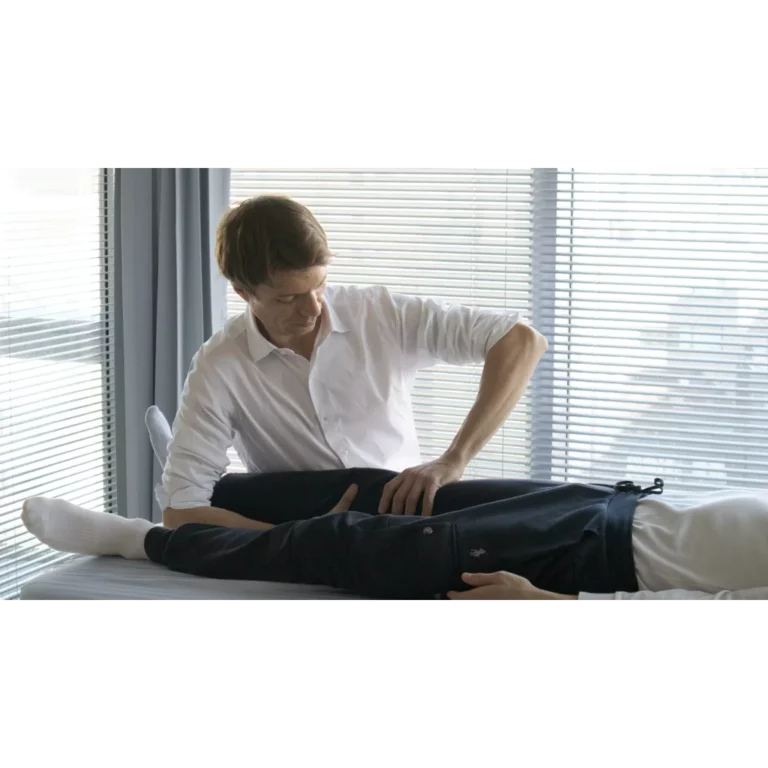
At Osteopath Tokyo, treatment for TMJ-related discomfort begins with a whole-body assessment rather than focusing on the jaw in isolation. Gentle manual techniques may address the jaw, face, neck, shoulders, and upper back, while a personalized plan helps you understand which movements and daily changes are appropriate for your symptoms. The approach should always respect your comfort and the sensitivity of the joint.
A relaxed jaw is not something you need to force. Give it frequent, quiet opportunities to settle, and seek experienced care when the tension keeps returning or begins to affect the way you eat, sleep, work, or feel.