Massage Versus Osteopathy: Which Is Right?
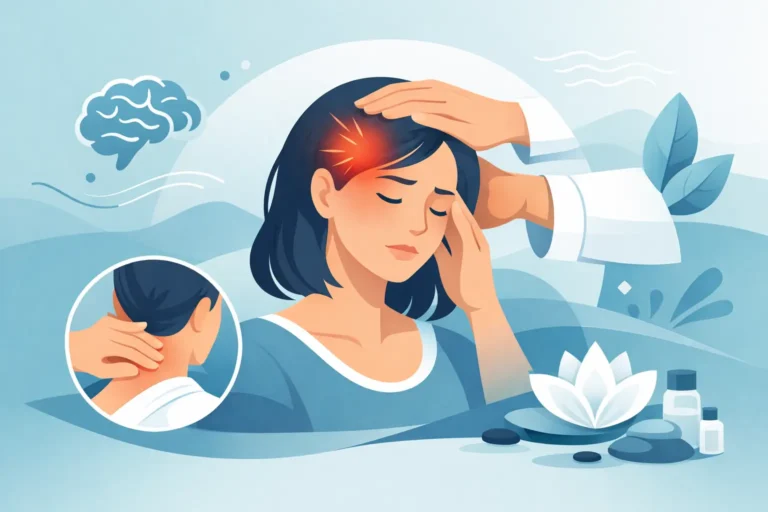
A tight neck after long hours at a Tokyo desk may respond beautifully to massage. But if that same neck tension keeps returning with headaches, jaw pain, or restricted shoulder movement, a broader assessment may be more useful. In the question of massage versus osteopathy, the best choice depends less on which treatment is “better” and more on what your body needs, what is driving the problem, and what you hope to achieve.
Both approaches use skilled hands to support comfort, movement, and recovery. They can also overlap in their use of soft-tissue techniques. The difference lies in the purpose of the session, the scope of assessment, and how the practitioner develops a treatment plan.
Massage versus osteopathy: the essential difference
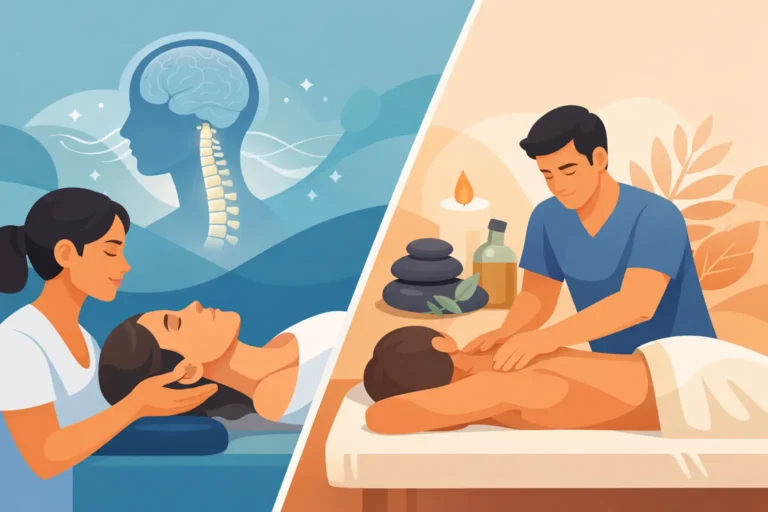
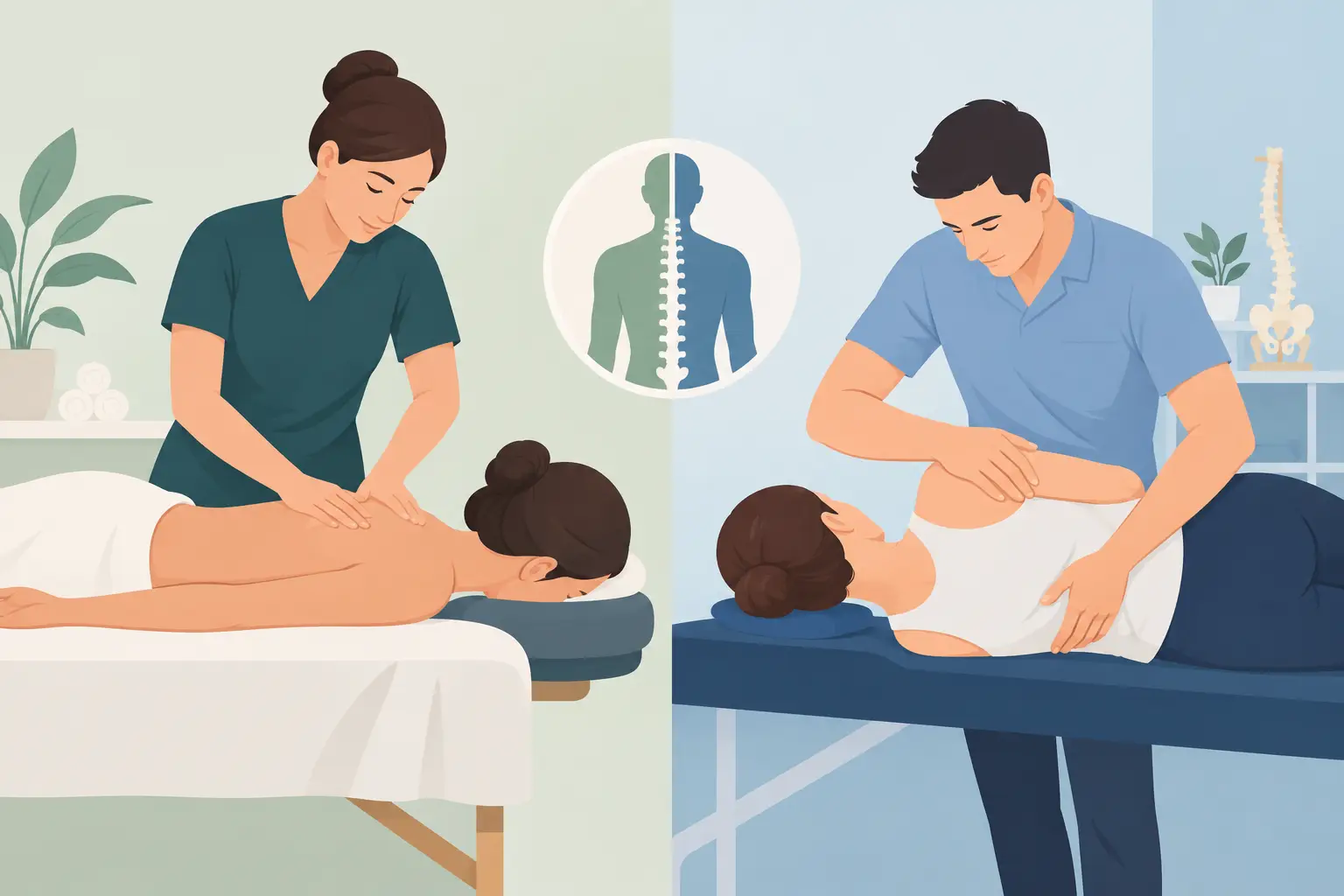
Massage is generally centered on the muscles and soft tissues. It may use pressure, kneading, stretching, and rhythmic strokes to ease tightness, reduce the feeling of stress, and support recovery after exercise or demanding work. A massage can be an excellent choice when your primary need is relaxation, temporary relief of muscular soreness, or regular maintenance for a physically active lifestyle.
Osteopathy begins with a wider question: why is this area under strain in the first place? An osteopath assesses how different parts of the body are moving and adapting together. A painful shoulder, for example, may involve the neck, upper back, ribs, posture, breathing mechanics, or the way the shoulder blade moves during daily tasks.
Treatment may include soft-tissue work similar to massage, but it can also involve joint mobilization, gentle stretching, cranial or biodynamic techniques, and guidance tailored to your individual findings. The aim is not simply to work where it hurts. It is to improve function and reduce the factors that may be contributing to recurring discomfort.
What a massage session is designed to do
Massage is often the right fit when you feel generally tense, sore after training, or mentally overloaded. The experience is usually focused on settling the nervous system and relieving tension in muscles that feel overworked. For many people, this is valuable care rather than an occasional luxury.
A good massage therapist can adapt pressure and technique to your preferences. Sports massage may be more targeted for training-related muscle fatigue, while relaxation massage tends to be slower and gentler. In either case, clear communication matters. Pressure that feels overly intense is not automatically more effective, especially if you are already sensitive, fatigued, or in pain.
Massage can be especially helpful for short-term muscular tightness, post-exercise soreness, stress-related tension, and the desire to feel more relaxed and mobile. It may also complement a rehabilitation program or other medical care when appropriate.
Its limitation is that massage may not fully address a persistent mechanical issue, joint restriction, nerve irritation, or movement pattern contributing to symptoms. If relief is brief and the same pain returns quickly, it may be worth looking beyond the muscle itself.
What happens in an osteopathic appointment
An osteopathic consultation is more assessment-led. Before treatment begins, the practitioner asks about your symptoms, daily activities, injury history, medical history, exercise, sleep, stress, and goals. This context matters. Back pain during pregnancy, for instance, calls for a different approach than back pain after a deadlift injury or months of working from a laptop.
The physical assessment may include posture, range of motion, muscle tone, joint movement, and how your symptoms change with specific tests. This helps identify which areas need attention and which techniques are appropriate for you.
Hands-on treatment is then selected to match your presentation. Some sessions feel deeply relaxing because they include gentle soft-tissue and cranial work. Others may be more focused on restoring movement in the spine, pelvis, ribs, or extremities. There is no single osteopathic technique that suits everyone, and care should never feel rushed or standardized.
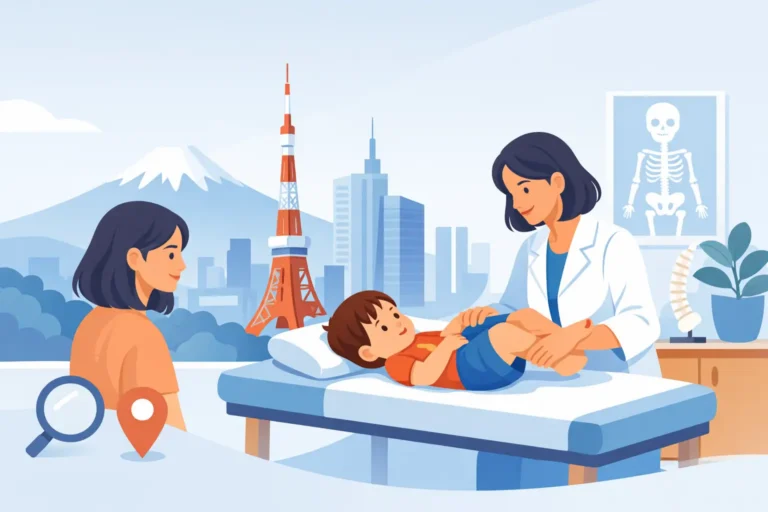
At Osteopath Tokyo, this individualized process is particularly valuable for international residents who want clear explanations in English, French, or Japanese, as well as care that considers both immediate comfort and longer-term function.
When osteopathy may be the better choice
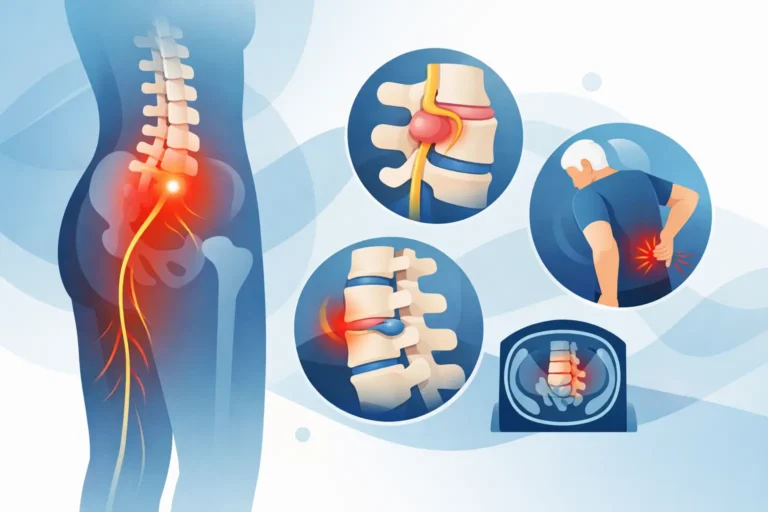
Consider osteopathy if your pain is recurring, affects more than one area, or changes how you move through the day. It can be a useful option for neck and back pain, sciatica-like symptoms, shoulder restrictions, headaches, TMJ discomfort, sports injuries, and pelvic or back discomfort during pregnancy and postpartum recovery.
Osteopathy may also suit people who say, “My muscles are always tight, but I do not know why.” Persistent muscle tension can be linked to workload, stress, sleep, an old injury, joint stiffness, altered movement, or several factors at once. A whole-body assessment does not guarantee one simple answer, but it can provide a more considered starting point than treating the same tight area repeatedly.
This approach can be especially helpful for active adults and athletes. A runner with calf tightness may need local soft-tissue treatment, but the assessment may also reveal reduced ankle mobility, hip control issues, training-load changes, or an old injury influencing stride mechanics. Treating the calf alone may feel good. Addressing the broader pattern may be more useful for sustained progress.
Can you combine massage and osteopathy?
Yes. Massage and osteopathy are not opposing choices. Many patients benefit from both at different times.
Massage can support recovery, relaxation, and regular muscular maintenance. Osteopathy can help when there is a specific complaint, a recurring pattern, or a need to understand how symptoms relate to overall movement and function. An osteopathic session may also include enough soft-tissue work that a separate massage is not needed immediately.
The timing depends on your goals. During a busy period at work, massage may help you manage general tension and sleep more comfortably. If your neck pain is now causing headaches or limiting your ability to turn while cycling, an osteopathic assessment may offer more direction. After an injury has settled, occasional massage may remain part of your self-care routine while targeted exercise and osteopathic treatment address remaining restrictions.
Comfort, pressure, and safety
Neither massage nor osteopathy should rely on pushing through significant pain. Mild tenderness can occur when sensitive tissues are treated, but you should feel listened to throughout the appointment. Tell your practitioner if you are pregnant, recently gave birth, have had surgery, take blood-thinning medication, have osteoporosis, or have a medical condition that could affect treatment choices.
A responsible practitioner will also recognize when manual therapy is not the right first step. Sudden weakness, unexplained numbness, loss of bladder or bowel control, chest pain, severe unrelenting headache, fever, or symptoms after significant trauma require prompt medical assessment. Hands-on care works best as part of thoughtful healthcare, not as a substitute for urgent evaluation.
Choosing based on your goal
If you want to unwind, soothe tired muscles, or support general recovery, massage may be exactly what you need. Choose an experienced therapist, explain your preferences, and allow your body time to settle after the session.
If you are dealing with pain that keeps returning, movement that feels limited, symptoms affecting work or sport, or a problem that seems connected to more than one body area, osteopathy may be the more appropriate starting point. You should leave with a clearer understanding of what was found, why a particular treatment was chosen, and what you can do between visits.
The most helpful decision is not about choosing the most intensive treatment. It is about choosing care that respects your symptoms, your history, and your goals. When your treatment feels specific to you, it becomes easier to move with greater confidence and return to the activities that make your life feel like your own.