Craniosacral Therapy Versus Massage: Which Is Right?
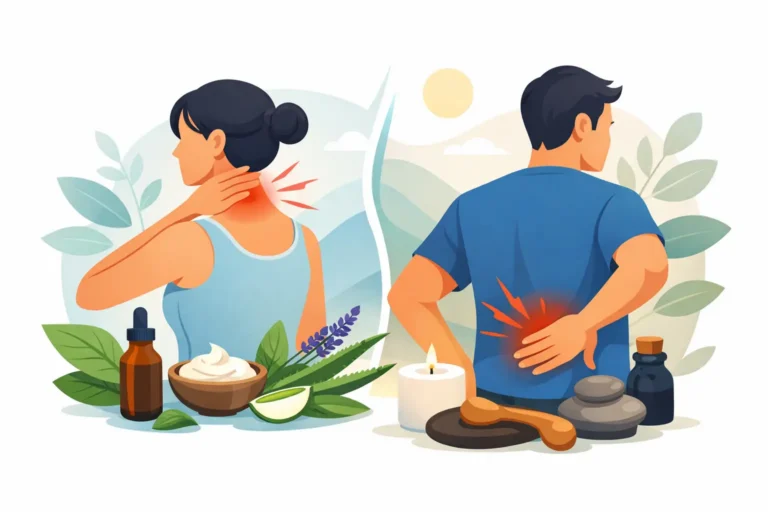
A sore neck after long hours at a Tokyo desk, a tight lower back after training, or headaches that return despite stretching can all lead to the same question: craniosacral therapy versus massage – which approach is more likely to help? The answer depends less on which treatment is broadly better and more on what your body is signaling, how sensitive your symptoms are, and what you hope to achieve from hands-on care.
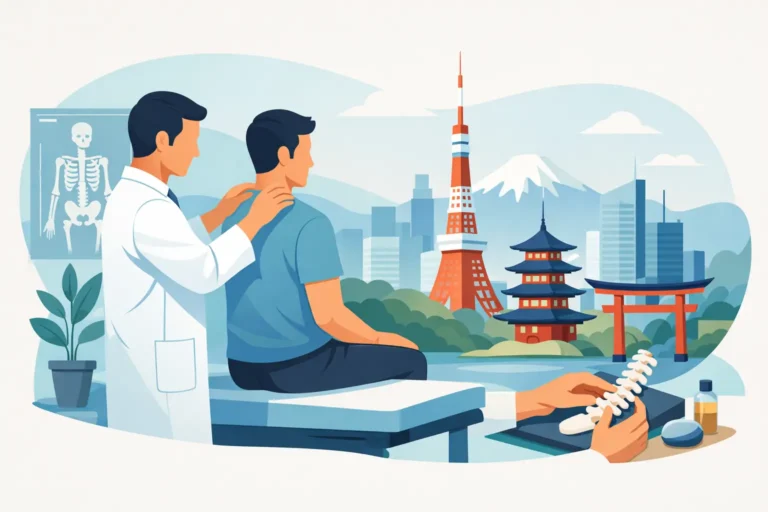
Massage and craniosacral therapy can both be valuable parts of a treatment plan. They differ, however, in pressure, focus, and the clinical reasoning behind their use. A skilled practitioner may use elements of both, alongside osteopathic assessment and structural treatment, rather than treating them as competing choices.
Craniosacral Therapy Versus Massage: The Main Difference
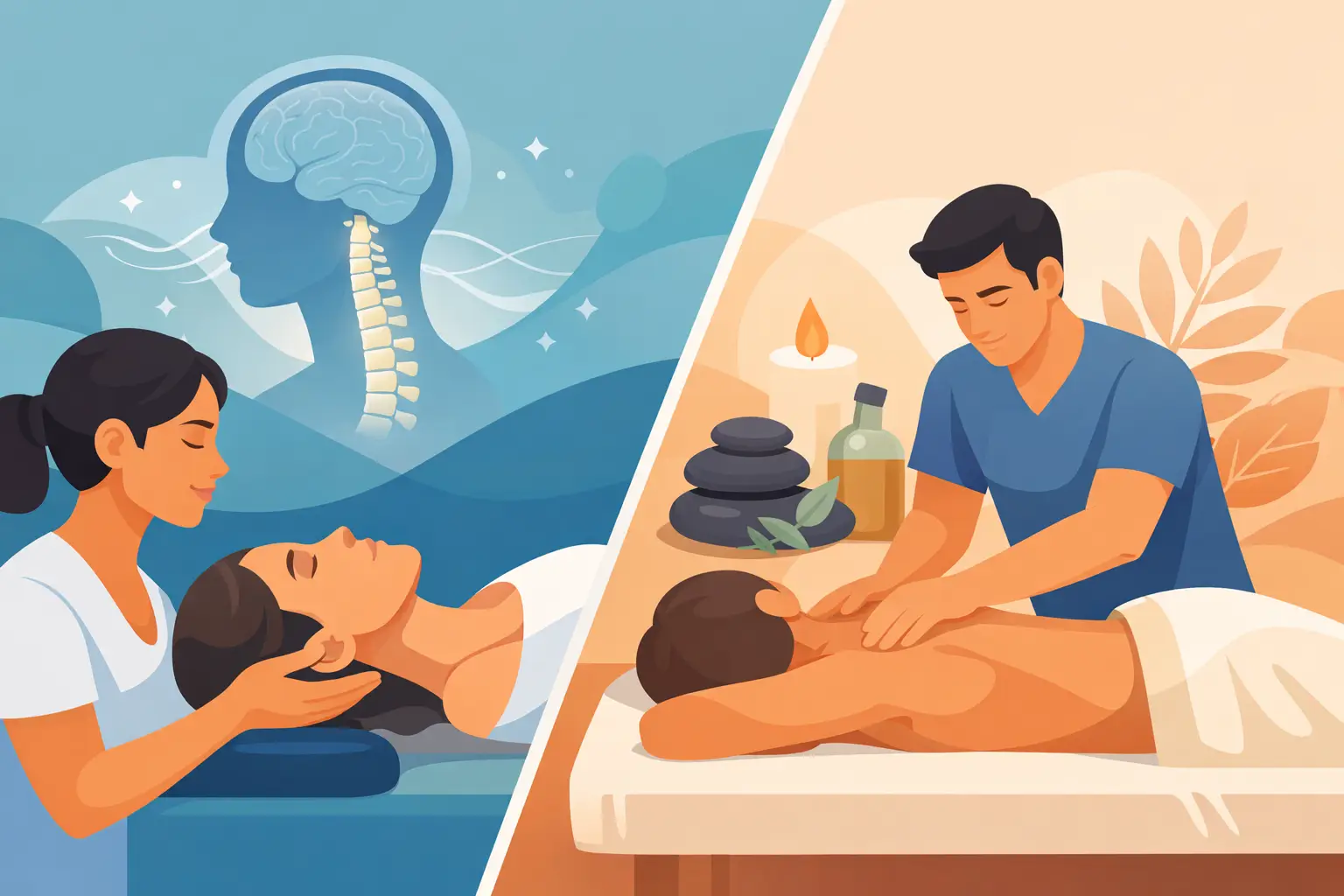
Massage primarily works with muscles and other soft tissues. Depending on the style, it may use broad strokes, kneading, compression, friction, or assisted stretching. The aim can be relaxation, improved circulation, reduced muscle tension, recovery after exercise, or temporary relief of soreness and stiffness. Pressure can range from very light to deep, and the experience is often immediately recognizable as muscular work.
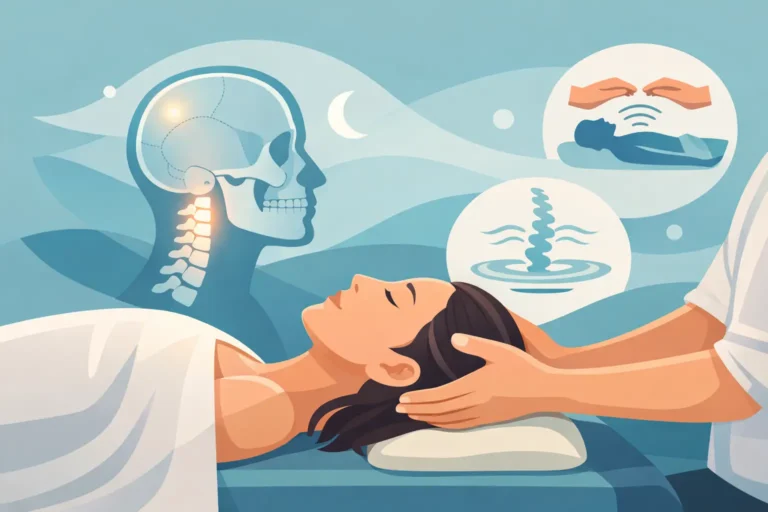
Craniosacral therapy uses a much lighter touch. The practitioner places their hands gently on areas such as the head, neck, spine, sacrum, or limbs, listening for patterns of tension and reduced mobility in the body’s tissues. Treatment is quiet and subtle. Rather than trying to force a tight muscle to release, the practitioner supports the nervous system and tissues in settling out of a guarded pattern.
For some people, this difference is decisive. If deep pressure feels soothing and your main concern is post-workout muscle fatigue, massage may be an excellent fit. If you feel highly sensitive to touch, experience stress-related tension, have persistent headaches or jaw clenching, or find that forceful treatment aggravates your symptoms, a gentler craniosacral approach may be more appropriate.
When Massage May Be the Better Choice
Massage is often useful when the body feels physically overworked. Runners with heavy calves, office workers with upper-back tightness, and travelers carrying tension after long flights may appreciate the direct effect of soft-tissue work. It can also be a practical complement to strength training, mobility work, and recovery routines.
The treatment can help make movement feel easier in the short term, especially when muscles are sore or tense. It is not simply a luxury service when used thoughtfully. For active adults, massage can help identify areas that are overloaded and provide temporary relief while the underlying training load, ergonomics, or movement habits are addressed.
However, more pressure is not always more effective. Deep work on an already irritated area can leave you sore, increase protective muscle guarding, or flare a sensitive condition. This is especially relevant for people with acute injuries, nerve-related pain, migraines, fibromyalgia, or a system that already feels overstimulated by stress and poor sleep.
When Craniosacral Therapy May Be More Suitable
Craniosacral therapy is commonly chosen by people who need treatment to feel calm, gentle, and noninvasive. It may be considered when pain is persistent but difficult to explain through a single tight muscle or joint. Symptoms such as recurring headaches, jaw tension, neck discomfort, stress-related body pain, sleep disruption, and a feeling of being constantly braced can have both physical and nervous-system components.
The light touch used in craniosacral work can be particularly welcome during pregnancy, after childbirth, following a demanding period at work, or when recovering from an injury that has made the body feel protective. It can also suit people who dislike conventional massage because they find firm pressure uncomfortable or exhausting.
For infants and children, craniosacral and biodynamic techniques are adapted carefully to the child’s age, comfort, and medical context. Gentle care is not a substitute for pediatric evaluation when a child has concerning symptoms, but it can be part of supportive manual care when clinically appropriate.
Research on craniosacral therapy remains mixed, and it should be discussed honestly. Some studies suggest possible benefits for certain pain and quality-of-life concerns, while the overall evidence base is still limited and varies in quality. That does not mean a patient’s experience is unimportant. It means treatment should be individualized, goals should be realistic, and progress should be assessed rather than assumed.
The Best Choice May Not Be Either-Or
A good treatment session begins with an assessment, not with a predetermined technique. Two people can arrive with the same diagnosis of neck pain and need very different care. One may have overworked shoulder muscles and respond well to focused soft-tissue treatment. Another may have a history of migraines, poor sleep, jaw clenching, and a highly reactive nervous system. Firm massage alone may not be the right starting point for that person.
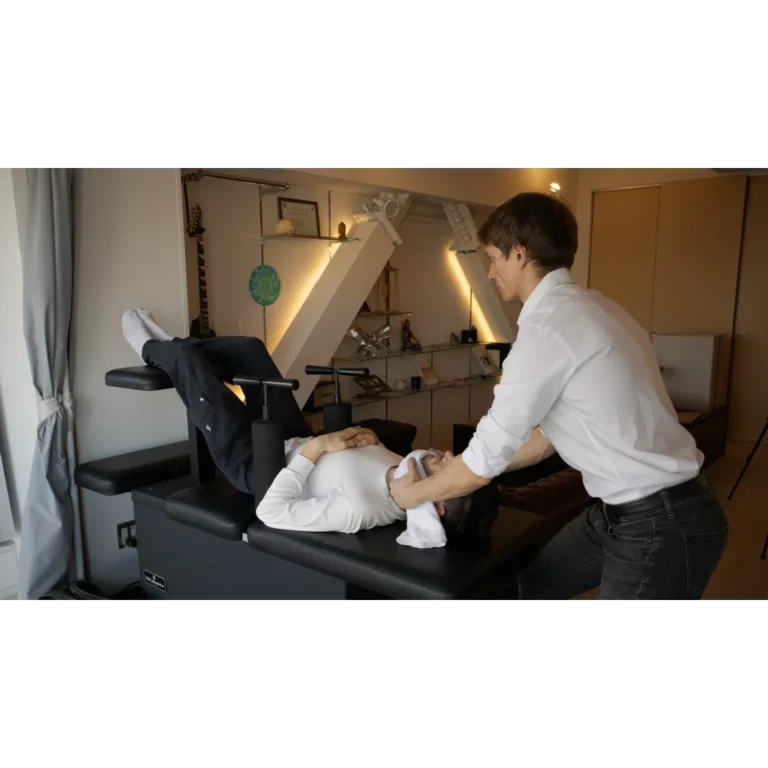
In osteopathic care, the practitioner considers how joints, muscles, connective tissues, posture, breathing, stress, and previous injuries may be contributing to the problem. Massage techniques may be used where tissue tension is clearly limiting movement. Craniosacral techniques may be used when gentler input is more suitable. Structural adjustments, mobility work, and practical advice may also be part of the session.
This broader approach matters because symptom relief and lasting change are not always the same thing. A tight hip may feel better after massage, but if it is repeatedly overloaded by altered walking mechanics, a previous ankle injury, or long periods of sitting, the tension may return. Likewise, a calming craniosacral session may reduce the sense of strain, but persistent jaw pain may also require attention to bite habits, posture, sleep, and dental input when indicated.
What to Expect From Each Treatment
Massage appointments typically involve direct work on exposed skin with oil or lotion, although techniques can also be performed through clothing. You may feel pressure, stretching, warmth, and temporary tenderness in targeted muscles. Communicating about pressure is essential. The right level is one that feels productive without making you brace against the treatment.
Craniosacral therapy is usually performed fully clothed. The treatment room is calm, and the practitioner’s contact is light and still at times. Some patients notice a deep sense of relaxation, warmth, changes in breathing, or an awareness of areas they had been holding tense. Others simply feel quieter afterward. Responses vary, and there is no single sensation you are supposed to have.
With either approach, a clear conversation beforehand helps shape care. Share where you hurt, what makes it worse or better, your injury history, your activity level, and whether you have found manual therapy helpful or unpleasant in the past. For international residents, receiving this explanation in a language they understand can make a significant difference to comfort and informed consent.
Safety, Boundaries, and When to Seek Medical Care
Manual therapy should be adapted or postponed in certain circumstances. Recent trauma, unexplained severe pain, fever, infection, significant swelling, new numbness or weakness, sudden severe headache, chest pain, or changes in bladder or bowel control require prompt medical assessment. Massage and craniosacral therapy should not be used to delay necessary diagnosis or emergency care.
A qualified practitioner will also adjust treatment for pregnancy, osteoporosis, blood-thinning medication, active cancer treatment, recent surgery, and complex medical conditions. Gentle does not automatically mean appropriate for every situation, and deep tissue work is not automatically unsafe. The details of your health history guide the decision.
Choose Care That Matches Your Body Today
The useful question is not whether craniosacral therapy or massage is superior in general. Ask whether your body needs direct muscular release, gentler regulation, improved movement, or a combination of approaches. At Osteopath Tokyo, care is selected after listening to your symptoms, goals, and comfort level, so treatment can meet you where you are rather than following a fixed routine.
If pain, tension, or recurring discomfort is affecting your work, training, sleep, or daily life, choose a practitioner who will assess the whole picture and explain the reasoning behind each technique. The most helpful hands-on treatment is the one that feels safe, makes clinical sense, and supports your next step toward easier movement and greater confidence in your body.