TMJ Treatment or Mouthguard: Which Helps?
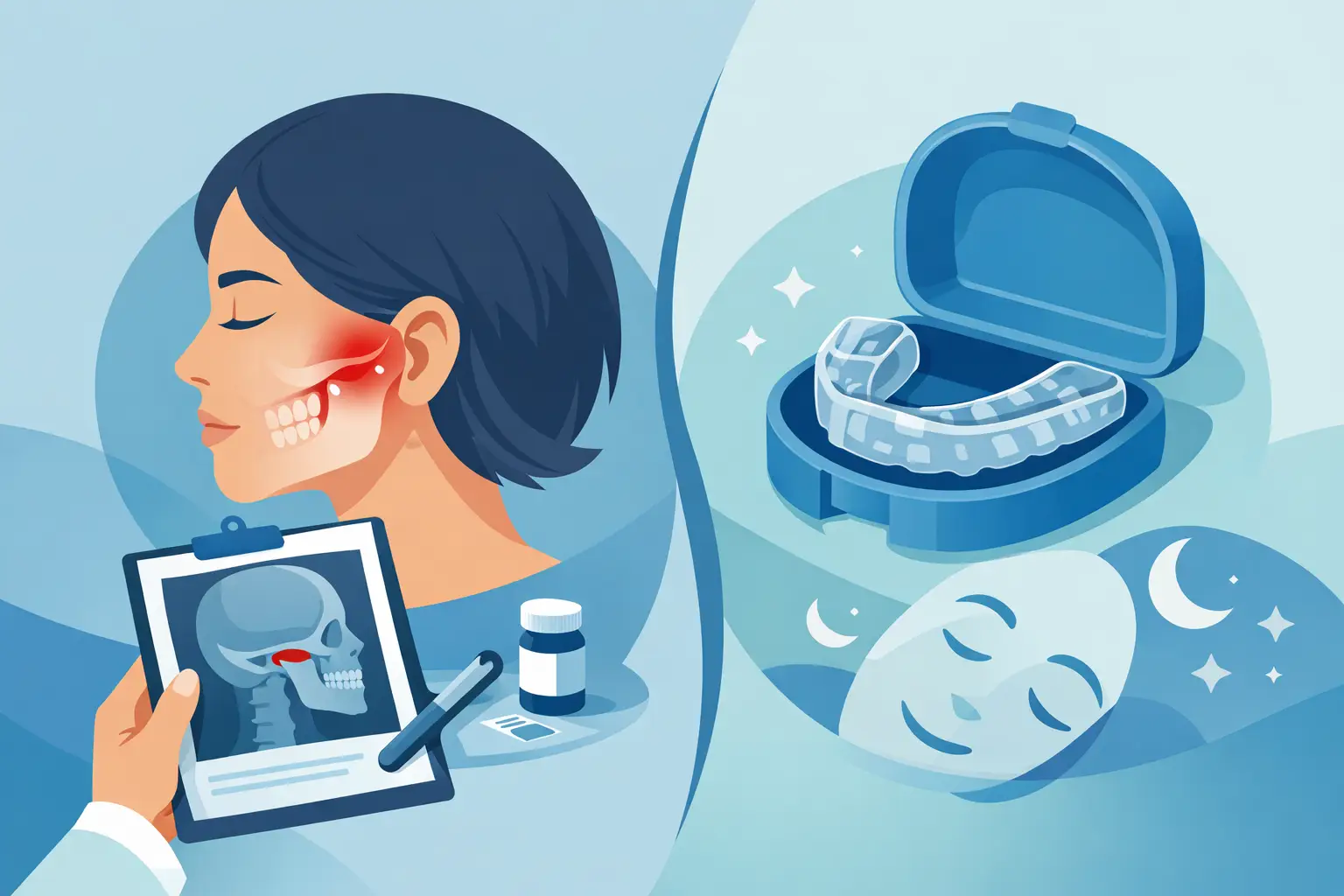
A sore jaw can make ordinary moments unexpectedly difficult: chewing breakfast, speaking in a meeting, or waking beside a partner after another night of tooth grinding. When deciding between TMJ treatment or mouthguard, the right answer is often not an either-or choice. A mouthguard can protect teeth and reduce the impact of nighttime clenching, while hands-on care may address the muscle tension, joint restriction, posture, and stress patterns contributing to the problem.
The first step is understanding what your symptoms are asking for. Jaw pain is personal, and an effective plan should be too.
TMJ Treatment or Mouthguard: Start With the Cause
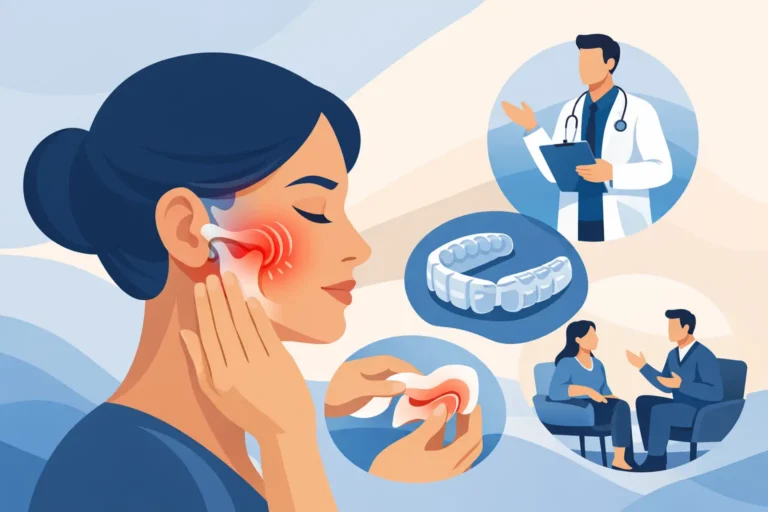
TMJ refers to the temporomandibular joint, the small but complex joint connecting the lower jaw to the skull. There is one on each side, working with jaw muscles, teeth, the neck, and the nervous system every time you speak, chew, swallow, or yawn. Problems in this system are often called temporomandibular disorders, or TMD.
A mouthguard, also called an occlusal splint or night guard, is primarily a protective dental device. When properly designed and fitted, it creates a barrier between the upper and lower teeth. This can reduce tooth wear, protect restorations, and sometimes decrease the intensity of clenching or grinding during sleep.
But a guard does not automatically resolve why the jaw is overloaded. Some people clench because of stress, disrupted sleep, medication effects, or airway issues. Others have persistent tension in the masseter and temporalis muscles, reduced neck mobility, headaches, or a jaw that moves unevenly after injury or dental work. In these cases, the guard may be useful, but it is rarely the whole plan.
When a Mouthguard Is the Sensible First Step
If you wake with tooth sensitivity, have visible wear on your teeth, have cracked fillings or crowns, or your dentist sees signs of bruxism, a professionally fitted mouthguard may be strongly recommended. Dental protection matters. Once enamel has worn away, it does not regenerate.
A custom guard is generally preferable to a generic boil-and-bite product, particularly if you already have jaw pain, clicking, dental restorations, or a changing bite. Store-bought guards can be bulky, may alter how the jaw rests, and are easy to abandon if they are uncomfortable. A dentist can assess your bite, teeth, gums, and the type of appliance most suitable for you.
Still, response varies. Some people sleep more comfortably with a guard right away. Others notice that their teeth are protected but their temples, jaw muscles, or neck remain tense. A small number feel worse with a particular appliance. That does not necessarily mean mouthguards are ineffective. It means the fit, design, diagnosis, or wider treatment plan needs reassessment.
What Hands-On TMJ Treatment Can Address
Osteopathic care takes a broader view of jaw dysfunction. The jaw does not work independently from the rest of the body. It is influenced by the upper neck, shoulders, rib cage, breathing mechanics, posture, and the way the nervous system responds to prolonged pressure.
A detailed assessment may consider how far and how smoothly you open your mouth, whether the jaw deviates to one side, tenderness in the chewing muscles, neck movement, headache patterns, and habits such as daytime clenching. Your clinician should also ask about recent dental treatment, injury, sleep quality, workload, and stress. These details often reveal why symptoms have persisted.
Treatment is gentle and individualized. Depending on the findings, it may include careful work around the jaw, face, scalp, neck, and upper back; soft-tissue techniques for overactive chewing muscles; joint mobilization where appropriate; and cranial or biodynamic approaches to support relaxation and movement. The aim is not to force the jaw into position. It is to reduce unnecessary strain and help the system move with greater ease.
For many patients, the practical benefit is that treatment can address symptoms a guard does not directly reach: tight temples, neck stiffness, pressure around the ears, tension headaches, and discomfort that builds during demanding workdays. You may also be guided on simple changes such as resting the tongue gently on the palate, keeping the teeth apart when not eating, avoiding prolonged gum chewing, or choosing softer foods during a painful flare.
Jaw Clicking, Locking, and Headaches Need Context
Clicking alone is common and is not always painful or harmful. If your jaw clicks but opens normally and does not hurt, treatment may not be necessary. However, clicking that begins with pain, repeated locking, reduced opening, or a sudden change in the bite should be assessed.
Headaches can also have many sources. Tension in the jaw and neck may contribute to pain around the temples, forehead, face, or behind the eyes, especially when symptoms are worse on waking or after long periods at a computer. Yet migraines, sinus conditions, dental infection, neuralgia, and other medical concerns can look similar. A thoughtful assessment avoids assuming every headache is a TMJ issue.
Seek prompt dental or medical care for facial swelling, fever, a suspected tooth infection, severe trauma, numbness, inability to open the mouth, a jaw that remains locked, or sudden and unusual severe headache. These symptoms need timely evaluation rather than self-treatment with a guard or jaw exercises.
The Best Plan Is Often Collaborative
For patients who grind at night and also experience jaw or neck pain, combining care is often the most practical approach. A dentist can protect the teeth and monitor the bite. An osteopath can work with the musculoskeletal and tension-related components. Your primary care physician, sleep specialist, or other clinician may also be important when sleep apnea, medication, anxiety, inflammatory disease, or persistent migraine is suspected.
This collaboration is especially valuable for busy professionals in Tokyo. Long screen hours, travel, disrupted routines, and high-pressure work can intensify unconscious clenching. The goal is not to eliminate every stressful day. It is to give your jaw and nervous system a better capacity to recover from them.
At Osteopath Tokyo, TMJ care begins with time to understand the full pattern, not simply the sore spot. Treatment is adapted to your comfort, symptoms, medical history, and dental care plan. If a mouthguard is indicated, it should complement appropriate dental assessment rather than replace it.
What to Expect From a First Appointment
Your first session should feel measured and clear. After discussing your symptoms and health history, your practitioner will assess the jaw alongside the neck, shoulders, and related areas. You may be asked to open and close the mouth, move the jaw side to side, and describe where you feel pain, pressure, clicking, or fatigue.
Treatment should never feel aggressive. Some tender muscles can be sensitive at first, particularly after months of clenching, but techniques can be adjusted throughout the session. You may notice immediate ease in jaw movement, or improvement may develop gradually over several visits as muscle guarding settles and daily habits change.
The number of appointments depends on how long symptoms have been present, whether there is locking or significant headache involvement, your dental situation, and the role of stress and sleep. Recent muscular tension may respond quickly. Long-standing pain with multiple contributing factors usually benefits from a more gradual plan.
A Better Question Than “Which One?”
Rather than asking only whether you need a mouthguard or TMJ treatment, ask what your jaw needs protection from and what is keeping it under strain. If your teeth are wearing down, a dental guard may be essential. If your jaw remains tight, painful, or restricted despite wearing one, a whole-body assessment can help identify the missing piece.
You do not have to accept jaw pain, morning headaches, or constant clenching as the price of a demanding schedule. With appropriate dental protection, skilled hands-on care, and a plan shaped around your specific symptoms, the jaw can often become quieter, freer, and far less demanding of your attention.