How to Reduce Teeth Grinding Tension Naturally
A tight jaw after a long Tokyo workday can feel like a small inconvenience until it starts affecting sleep, headaches, concentration, and even the way you eat. If you are trying to reduce teeth grinding tension naturally, the goal is not simply to force your jaw to relax. It is to understand the patterns placing your nervous system, jaw muscles, neck, and bite under strain – then address them with practical, consistent care.
Teeth grinding, also called bruxism, can happen during sleep or while awake. Many people notice it only when a partner hears grinding at night, a dentist sees tooth wear, or morning jaw pain becomes difficult to ignore. Natural approaches can be very helpful, particularly when they are tailored to the reasons your body is holding tension.
Why teeth grinding can feel like a whole-body problem
The jaw is not an isolated joint. The temporomandibular joints, or TMJs, work closely with the muscles of the face, skull, neck, shoulders, and upper back. When you clench, the powerful masseter and temporalis muscles can remain active for long periods. This may contribute to temple headaches, facial tightness, ear-area discomfort, neck stiffness, and fatigue on waking.
Stress is a common contributor, but it is rarely the entire explanation. Long screen hours, forward-head posture, poor sleep, caffeine, an uneven bite, dental work, nasal congestion, and certain medications can all influence bruxism. For some people, sleep-related grinding is also associated with snoring or sleep-disordered breathing. That is why a thoughtful assessment matters more than a one-size-fits-all remedy.
Start with the jaw’s natural resting position
One of the most useful habits for daytime clenching is surprisingly simple: let your teeth stay apart when you are not chewing, swallowing, or speaking. Your lips may rest together lightly, but your upper and lower teeth should not be in contact.
Try this brief reset several times a day, especially before meetings, while commuting, or when answering email. Rest the tip of your tongue gently behind your upper front teeth. Allow the jaw to hang slightly, then exhale slowly through your nose. Notice whether your shoulders have risen toward your ears, and let them soften as well.
This will not stop nighttime grinding on its own. It can, however, reduce the accumulated muscle load of unconscious daytime clenching. Many professionals are surprised by how often their jaw is working during focused tasks.
Use reminders instead of relying on willpower
Jaw tension is often automatic, so it helps to connect the reset to routines you already have. Each time you refill your water, open your laptop, or wait for an elevator, check: are my teeth touching? A discreet reminder on your phone can be useful, but frequent, low-pressure awareness usually works better than trying to monitor yourself all day.
Calm the nervous system before sleep
Because sleep bruxism often rises during periods of stress and disrupted sleep, the hour before bed deserves attention. The aim is not perfection. It is to give your body a reliable signal that it is safe to shift out of high alert.
Begin by reducing stimulating work, intense news, and bright screens where possible. A warm shower, gentle stretching, quiet reading, or a few minutes of slow breathing can lower the sense of urgency carried into bed. Try breathing in gently through your nose and making the exhale a little longer than the inhale for two to five minutes. If counting feels stressful, simply breathe slowly and comfortably.
Caffeine deserves an honest look as well. Some people tolerate coffee without any noticeable effect; others find that afternoon caffeine worsens sleep quality, muscle tension, or jaw activity. Alcohol may make it easier to fall asleep but can fragment sleep later in the night. The right adjustment depends on your own pattern, not a rigid rule.
Give overworked jaw muscles gentle relief
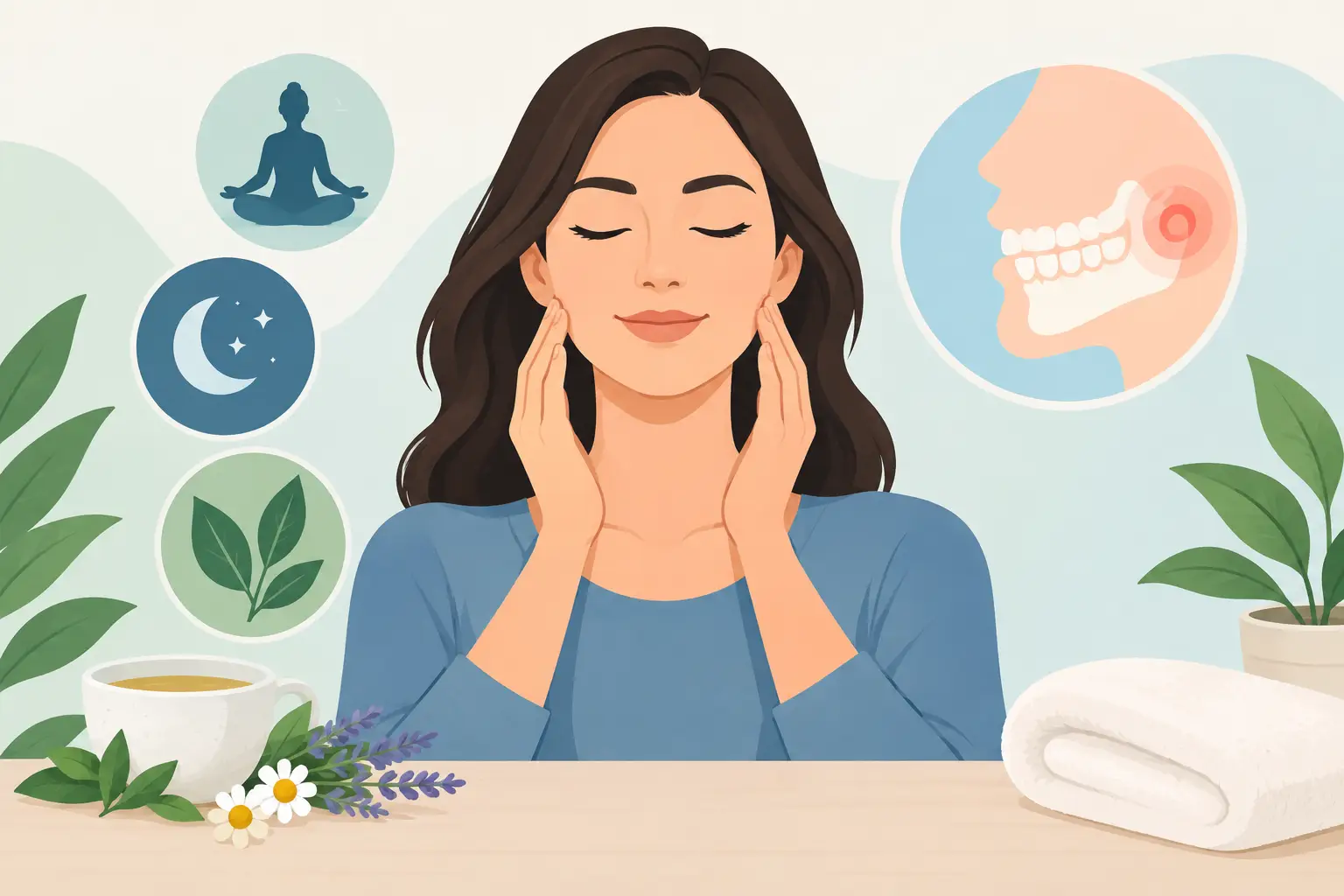
Heat can be soothing when the jaw feels sore or fatigued. Apply a warm, not hot, compress over the cheeks and temples for 10 to 15 minutes. Follow it with very gentle movement rather than forceful stretching.
With clean hands, place your tongue lightly on the roof of your mouth and slowly open your jaw only as far as is comfortable. Pause, then close without letting the teeth meet firmly. Repeat five or six times. You may also gently massage the cheek muscles with small circles, avoiding sharp pressure directly over the joint in front of the ear.
If your jaw clicks without pain, gentle movement may still be appropriate. If opening is limited, the jaw locks, or movement causes sharp pain, do not push through it. Forceful self-treatment can aggravate an irritated joint or disc problem.
Look beyond the jaw: neck posture and breathing matter
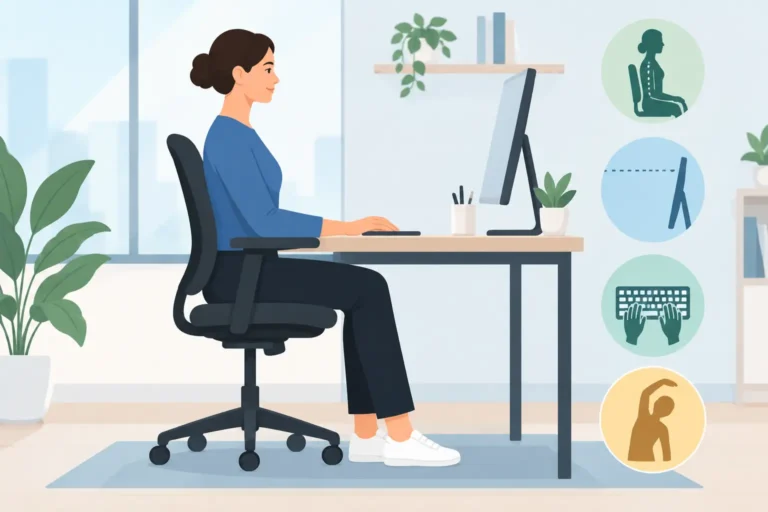
A head that spends hours angled toward a laptop or phone can increase load through the neck and jaw. You do not need a perfectly upright posture every minute, but regular movement is protective. Set your screen at a more comfortable height, support your forearms when working, and stand up often enough that stiffness does not build for hours.
Nasal breathing can also be relevant. When congestion, allergies, or habitual mouth breathing interfere with comfortable breathing, the tongue and jaw may adopt less relaxed positions. Addressing persistent nasal obstruction with an appropriate medical professional may be more valuable than repeatedly treating the jaw alone.
For active people, consider whether training is adding unnecessary tension. Heavy lifting, high-intensity intervals, or competitive sports can encourage jaw bracing. Clenching briefly under effort is not always avoidable, but learning to exhale during exertion and avoiding prolonged jaw gripping can improve recovery.
What a night guard can and cannot do
A dentist may recommend a custom night guard to protect teeth from wear and reduce strain on dental restorations. This can be an important part of care, especially when grinding is significant. A guard is not a failure of natural care, and it does not have to be an either-or decision.
At the same time, a night guard generally protects the teeth rather than resolving every reason the muscles are overactive. If you continue waking with headaches, facial pain, neck tightness, or poor sleep, it is worth investigating the broader contributors. Over-the-counter guards may suit some people temporarily, but a poorly fitted device can feel uncomfortable or alter pressure on the bite. Discuss persistent symptoms with a dentist familiar with TMJ concerns.
How osteopathic care can help reduce teeth grinding tension naturally
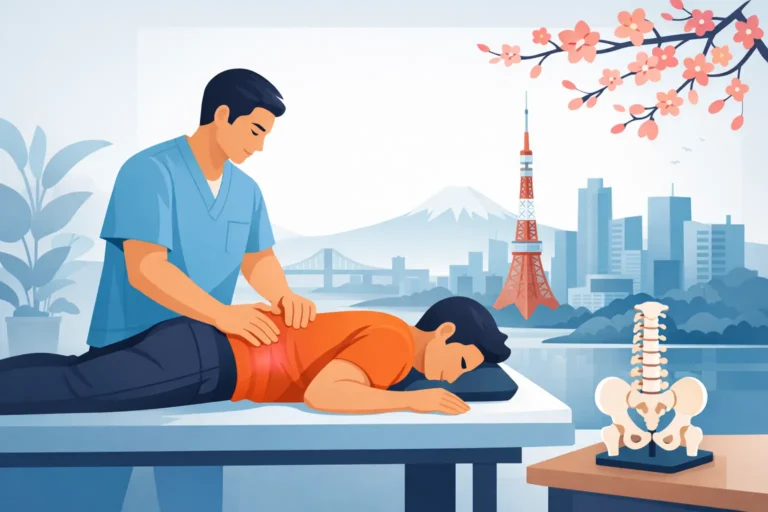
When jaw tension keeps returning, hands-on assessment can help identify where the pattern is being maintained. An osteopathic consultation looks beyond the painful area to assess jaw mobility, muscle tone, neck movement, head position, upper-back stiffness, breathing mechanics, and the effects of stress on the body.
Treatment may include gentle work for the jaw, face, neck, shoulders, and cranial structures, alongside soft-tissue techniques and carefully chosen movement advice. The approach should be comfortable and individualized. Some patients benefit most from local jaw treatment; others improve when longstanding neck restriction, postural strain, or stress-related breathing patterns are addressed.
At Osteopath Tokyo, care for TMJ-related discomfort is designed around this whole-body view, with clear communication and treatment adapted to your symptoms and comfort. Osteopathic care does not replace dental evaluation when tooth damage or bite concerns are present. It can work alongside dental and medical care as part of a coordinated plan.
Know when to seek further evaluation
Natural strategies are appropriate for mild to moderate tension, but certain symptoms need timely professional attention. Arrange a dental or medical assessment if you have broken or rapidly wearing teeth, increasing jaw locking, significant swelling, severe ear or facial pain, numbness, unexplained weight loss, or persistent headaches that are new or changing.
If grinding is accompanied by loud snoring, choking or gasping during sleep, marked daytime sleepiness, or witnessed pauses in breathing, ask about sleep evaluation. Treating an underlying sleep issue can be essential for both overall health and jaw symptoms.
A relaxed jaw is usually built through small changes repeated consistently: teeth apart during the day, a calmer transition to sleep, gentle care for overworked muscles, and professional guidance when the pattern persists. You do not need to accept morning jaw pain as the cost of a busy life.