
Best Care for Whiplash Injury After a Crash
A low-speed collision can leave a surprisingly high-impact problem. You may feel shaken but reasonably well at first, then wake the next morning with neck stiffness, headache, shoulder pain, or a sense that turning your head has become difficult. The best care for whiplash injury starts by taking those symptoms seriously, even when there is no visible injury and the car damage looked minor.
Whiplash is not simply a sore neck. It is a rapid back-and-forth movement of the head and neck that can strain muscles, ligaments, joints, and sensitive tissues around the cervical spine. Symptoms often settle within days or weeks, but early, appropriate care can reduce discomfort, restore confidence in movement, and help prevent a short-term injury from becoming a persistent limitation.
First, know when urgent medical assessment is needed
Most whiplash injuries can be managed conservatively, but certain symptoms need prompt medical evaluation. Seek urgent care after a collision if you have severe or worsening headache, vomiting, loss of consciousness, confusion, new weakness, numbness or tingling in an arm or leg, trouble walking, changes in vision or speech, chest pain, or pain that is rapidly intensifying.
A clinician may recommend imaging when the mechanism of injury or examination suggests a fracture, dislocation, neurological injury, or another condition that requires medical treatment. Imaging is not automatically needed for every painful neck, and a normal scan does not mean your symptoms are imagined. Many soft-tissue and joint-related injuries do not appear clearly on routine X-rays.
If your symptoms are mild but not improving, an early assessment is still worthwhile. It provides a clear baseline, rules out concerns that need medical attention, and gives you a plan rather than leaving you to guess whether you should rest, stretch, or push through the pain.
The best care for whiplash injury is active and individualized
For many people, the most effective approach combines careful assessment, short-term symptom relief, and a gradual return to normal movement. Complete rest for a prolonged period or routine use of a neck collar can make the neck feel stiffer and more guarded. In contrast, gentle movement within a comfortable range usually supports recovery.
The right pace depends on your symptoms, health history, age, work demands, and the force of the accident. Someone with mild stiffness who works at a computer needs a different plan from an athlete with shoulder symptoms or a parent who cannot avoid lifting a child. A good treatment plan should reflect those real demands.
A thorough assessment should look beyond the neck
Whiplash can affect more than the cervical spine. The upper back, ribs, shoulders, jaw, and even the nervous system may contribute to the symptoms you feel. Headaches can arise from irritated neck joints and muscles. Jaw tightness may develop as a protective response. Dizziness, fatigue, poor sleep, and difficulty concentrating can also occur, particularly after a more significant impact.
A hands-on assessment should include how your neck moves, where it is tender, how your shoulders and upper back are functioning, and whether there are signs of nerve irritation. It should also consider posture and daily habits without blaming you for them. After an accident, the body often adopts a protective pattern. The goal is to understand that pattern and help it settle safely.
Gentle manual treatment can reduce guarding and discomfort
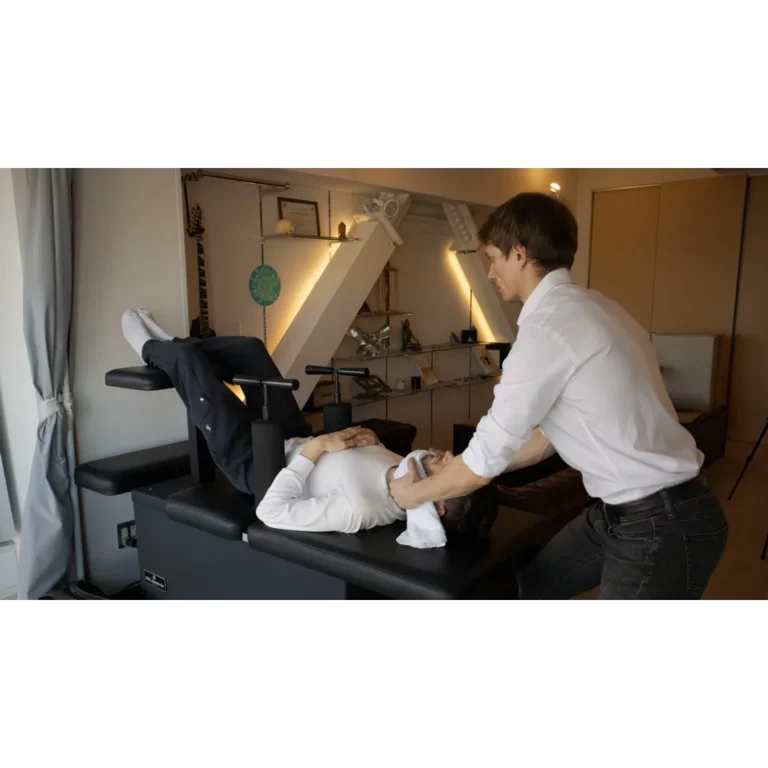
When medically appropriate, osteopathic care may include gentle soft-tissue techniques, careful joint mobilization, and approaches that address tension through the neck, upper back, ribs, and shoulders. Treatment should not feel forceful or alarming. Especially in the early stage after an accident, comfort, communication, and a measured approach matter.
Manual therapy is most useful when it is part of a broader plan. It can help ease muscle guarding and improve comfortable movement, but lasting recovery also depends on how the neck tolerates daily activity between visits. Your practitioner should explain what they are doing, check your response throughout treatment, and adjust techniques if you feel worse rather than better.
At Osteopath Tokyo, care is designed around this individual response. A one-on-one consultation allows time to assess the effects of the accident, treat the areas involved without rushing, and give practical guidance that fits work, travel, family life, and exercise.
Movement is medicine, but timing matters
In the first days, small and frequent movements are often more helpful than one aggressive stretching session. Slowly turning your head from side to side, gently looking up and down, and rolling the shoulders can help maintain mobility if these movements do not create sharp pain, dizziness, or spreading symptoms.
You do not need to force the range of motion. A useful rule is to stay in a comfortable zone and let the movement become easier over time. Mild tightness is common. Sharp pain, worsening headache, tingling, or symptoms traveling down the arm are reasons to stop and seek advice.
As pain settles, rehabilitation can progress toward neck endurance, shoulder-blade control, upper-back mobility, and a return to activities such as driving, running, strength training, or sports. This is where individualized guidance becomes particularly valuable. Returning too quickly to heavy lifting may flare symptoms, while avoiding all activity for weeks can prolong stiffness and reduce confidence.
Practical habits that support recovery
Pain relief measures can make the first few days more manageable. Heat may relax muscle tension for some people, while a cold pack can feel soothing soon after injury. Use either for brief periods with a cloth barrier to protect the skin. Medication may also be appropriate, but it should be discussed with a physician or pharmacist, particularly if you have other health conditions, are pregnant, or take regular prescriptions.
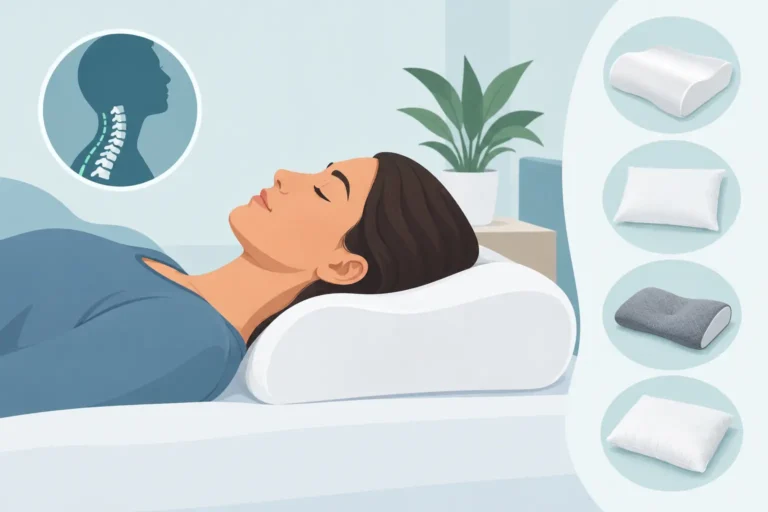
Sleep can be difficult with whiplash. Try to keep your neck in a neutral, supported position rather than sleeping with several pillows that push your head forward. Back or side sleeping is often more comfortable than lying face down. If you work at a laptop, raise the screen, take short movement breaks, and avoid spending hours with your head tilted downward.
Stress deserves attention as well. Pain after an accident can make the nervous system more alert, which increases muscle tension and disrupts sleep. This does not mean the injury is “all in your head.” It means that calm breathing, gentle walks, regular meals, and predictable routines can be meaningful parts of physical recovery.
What recovery should look like
A reassuring sign is gradual progress: turning your head a little farther, sleeping more comfortably, needing fewer breaks at the desk, or feeling less apprehensive while driving. Recovery is rarely perfectly linear. A busy workday, a long flight, or a poor night’s sleep may temporarily increase symptoms. What matters is the overall trend across one to two weeks, not whether every day is identical.
If pain is not improving, keeps returning, or limits your work and daily life beyond the early stage, reassessment is sensible. Persistent symptoms can reflect unresolved joint stiffness, muscular overload, nerve sensitivity, headaches related to the neck, or factors such as poor sleep and fear of movement that need to be addressed with care rather than dismissed.
Be cautious of anyone who promises an instant cure or insists that one technique suits every whiplash injury. The best care is calm, thorough, and responsive to your progress. With appropriate assessment, gentle hands-on support when indicated, and a gradual return to normal movement, most people can give their neck the conditions it needs to recover with confidence.