Top Causes of Sciatica and What They Mean
A sharp, electric pain running from the lower back into the buttock or leg can make a train commute, desk day, or favorite workout feel unexpectedly difficult. The top causes of sciatica are not all the same, which is why one person may hurt mainly when sitting while another struggles with standing, walking, or turning in bed. Understanding what may be irritating the sciatic nerve is the first step toward choosing sensible care.
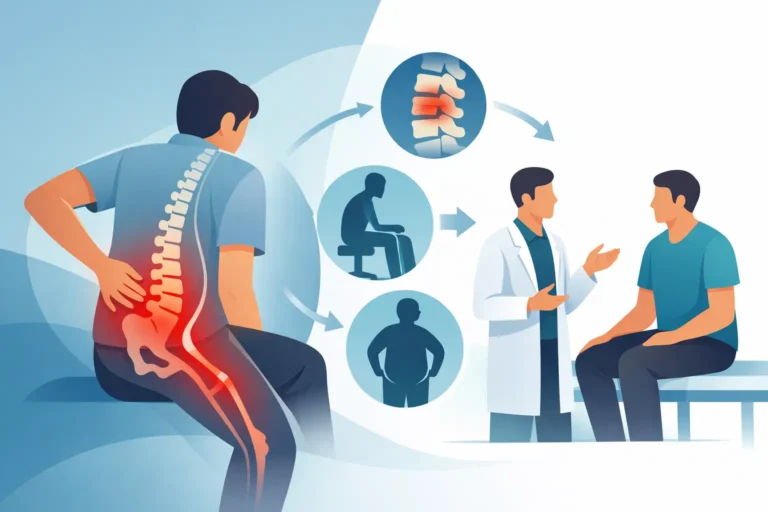
Sciatica is a pattern of symptoms rather than a diagnosis by itself. It usually occurs when one or more nerve roots in the lower spine are compressed, inflamed, or sensitized. Pain may travel down the back or side of one leg and can be accompanied by tingling, numbness, heaviness, or weakness. The exact distribution matters: it gives a trained practitioner useful clues about the tissues and spinal levels involved.
The Top Causes of Sciatica
Lumbar disc bulge or herniation
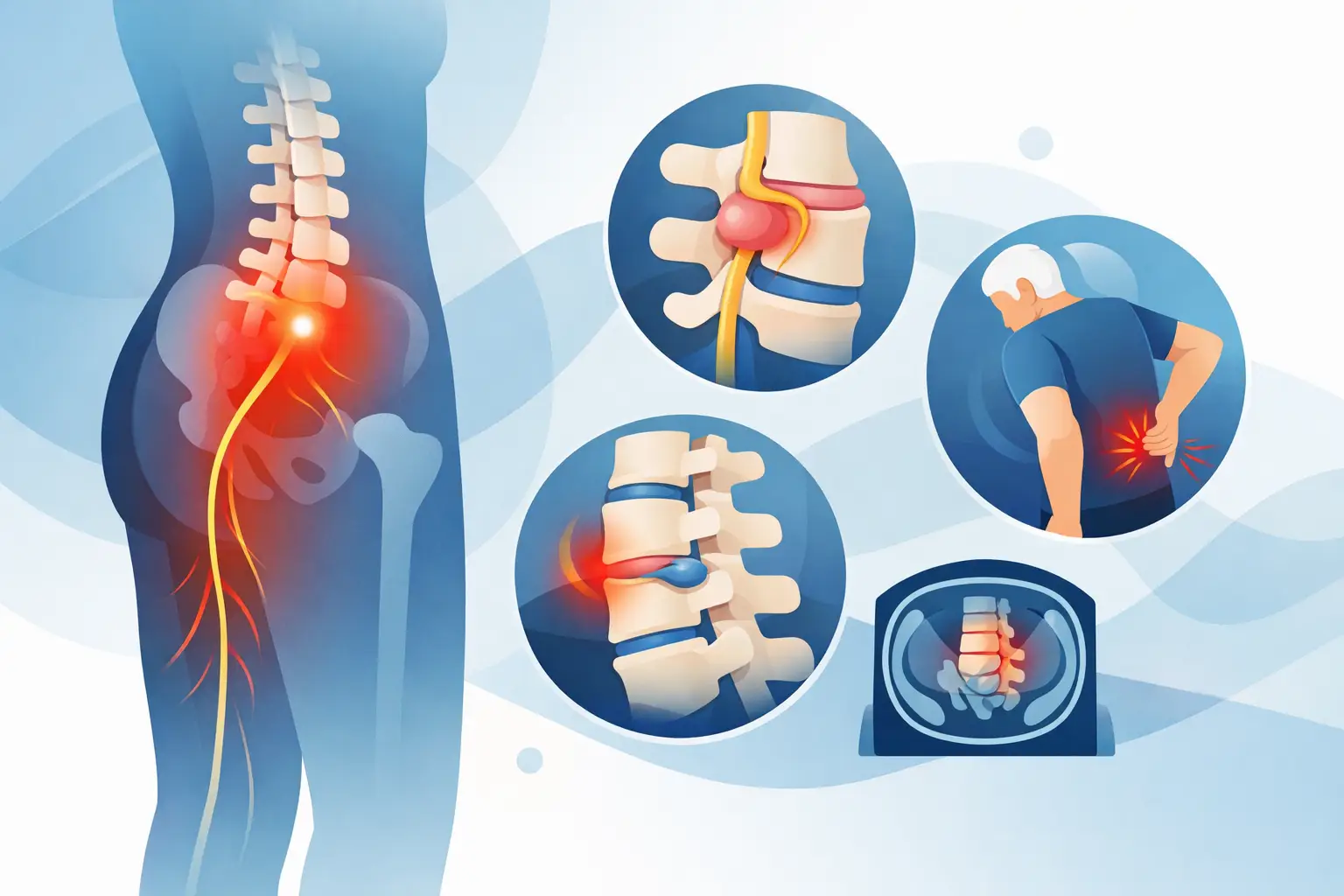
A disc is the cushioned structure between the bones of the spine. Its outer layers can weaken or tear, allowing the softer material inside to bulge outward or, in some cases, herniate. If this material presses on or chemically irritates a nearby nerve root, sciatic symptoms can follow.
Disc-related sciatica often develops after lifting, bending, twisting, or a period of prolonged sitting, though it can also appear without one memorable incident. Coughing, sneezing, sitting, or bending forward may aggravate symptoms because these movements can increase pressure around the affected disc and nerve.
A disc finding on imaging does not automatically explain pain. Many people have disc bulges without symptoms. The meaningful question is whether the scan, physical examination, symptom pattern, and daily limitations point to the same source.
Spinal stenosis
Spinal stenosis means narrowing of the spaces in the spine where nerves travel. It is more common with age-related changes, including thickened ligaments, disc changes, and arthritis in the small spinal joints. When the available space becomes limited, walking or standing upright can bring on leg pain, tingling, or a sense of fatigue.
A typical feature is relief when sitting down or leaning slightly forward, such as over a shopping cart or bicycle handlebars. This pattern differs from many disc-related presentations, where sitting may be especially uncomfortable. However, bodies do not always follow textbook patterns, so a careful assessment remains more useful than self-diagnosis.
Degenerative changes in the spine
Spinal discs gradually lose water content and height over time. The joints, ligaments, and surrounding muscles then adapt to altered loading. These normal aging changes can sometimes reduce the space around a nerve or create irritation with certain movements.
Degeneration is not synonymous with damage or inevitable pain. It is common in active, healthy adults and should be interpreted in context. For some people, symptoms settle with gradual movement, targeted hands-on care, and changes to aggravating habits. For others, especially when nerve symptoms are progressive, further medical evaluation is appropriate.
Spondylolisthesis
Spondylolisthesis occurs when one vertebra shifts forward relative to the vertebra below it. This can be related to wear-and-tear changes, a stress injury, or a structural difference that has been present for years. The shift may narrow the nerve passageways and contribute to sciatic pain.
Symptoms can include lower back aching, tight hamstrings, leg pain with standing or walking, and reduced confidence with extension movements such as reaching overhead or leaning backward. The degree of vertebral movement does not always predict symptom severity. Clinical examination helps determine whether the condition is likely contributing to the current problem.
Piriformis and deep gluteal irritation
Not every pain that resembles sciatica starts in the spine. The sciatic nerve passes through the deep buttock region, close to several muscles, including the piriformis. Tightness, local inflammation, previous hip injury, or overload in this area can irritate the nerve and create buttock pain that travels into the leg. This is sometimes called deep gluteal syndrome.
People with this presentation often report pain after long periods of sitting, driving, running, or climbing stairs. The lower back may be relatively comfortable. Because deep gluteal irritation can mimic spinal sciatica, it should not be assumed based on buttock tenderness alone. A full assessment of the back, pelvis, hip, gait, and nerve sensitivity is needed.
Pregnancy and postpartum changes
During pregnancy, changing posture, increased load through the pelvis, and hormonal changes affecting ligaments can all contribute to lower-back, pelvic, and leg symptoms. In the postpartum period, feeding positions, carrying a baby, interrupted sleep, and returning to exercise can add further strain.
True nerve-root sciatica is less common than general pelvic or low-back discomfort during pregnancy, but it can occur. Care should be adapted carefully, with comfortable positioning and a focus on gentle techniques, movement guidance, and practical strategies for daily life. Any sudden weakness, numbness in the saddle area, or bladder or bowel changes requires urgent medical attention.
Repetitive strain, sport, and prolonged postures
A single heavy lift is not the only trigger. Long hours at a laptop, repeated twisting, frequent travel, poorly managed training load, or returning too quickly to sport can gradually make a sensitive area less tolerant. In Tokyo, this often affects professionals balancing demanding work schedules with crowded commutes, gym training, or weekend sports.
These factors may not be the root cause on their own. More often, they reveal an underlying vulnerability, such as restricted hip movement, reduced trunk control, an irritated disc, or insufficient recovery. Effective care looks beyond the last activity that caused pain and considers the broader pattern.
Why the Cause Changes the Care Plan
Sciatica is sometimes treated as though every case needs the same stretch, exercise, or adjustment. In practice, the right approach depends on what aggravates and relieves symptoms, whether there is true nerve involvement, how long the problem has been present, and the person’s work, sport, pregnancy, or health history.
For example, aggressive hamstring stretching may worsen an irritable nerve in some people, while gentle nerve mobility work may be useful at the right stage. A person with symptoms linked to prolonged sitting may need a different plan from someone whose leg pain appears only after walking. Rest can calm a severe flare temporarily, but too much inactivity often leaves the body more sensitive and deconditioned.
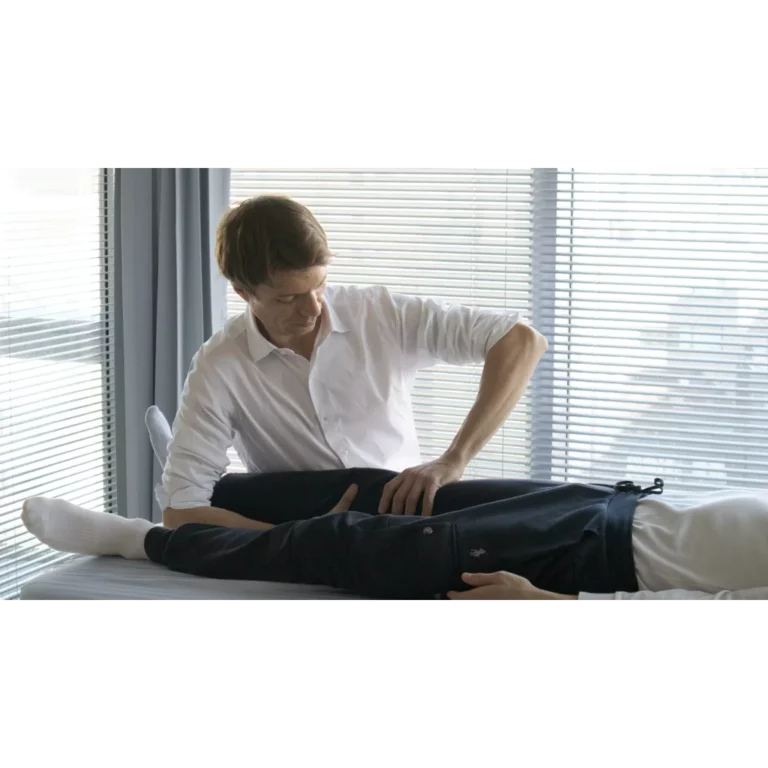
At Osteopath Tokyo, an assessment is designed to examine how the spine, pelvis, hips, muscles, and nervous system are working together. Hands-on treatment may include gentle joint mobilization, soft-tissue techniques, and approaches intended to reduce protective tension and improve comfortable movement. When appropriate, this is paired with practical advice on posture variation, sleep positions, work setup, and a gradual return to activity.
When Sciatica Needs Urgent Medical Attention
Most sciatic pain is not an emergency, but some symptoms should never be managed by waiting it out. Seek urgent medical assessment if you develop new or worsening leg weakness, loss of bladder or bowel control, numbness around the groin or inner thighs, fever with severe back pain, or symptoms following significant trauma.
Persistent pain that is becoming more severe, unexplained weight loss, a history of cancer, or pain that is constant at night also warrants prompt medical review. These signs do not necessarily mean a serious condition is present, but they need appropriate investigation before manual treatment is considered.
A More Useful Question Than “What Caused It?”
It is natural to search for one clear event: the bad lift, the long flight, or the hard training session. Sometimes there is one. Often, sciatica reflects several factors that built up over time, with one movement simply becoming the final trigger.
The most productive next step is to identify what your symptoms are telling you now. Which positions increase the leg pain? Is there numbness or weakness? Has walking become limited, or is sitting the main issue? These details help guide an individualized plan that respects both the sensitivity of the nerve and your need to return to normal life with confidence.
Sciatic pain can feel alarming, particularly when it interrupts sleep, work, or movement you usually enjoy. With a clear assessment and appropriately paced care, many people can begin moving more comfortably while addressing the factors that may be keeping the nerve irritated.