Does Osteopathy Help Tinnitus? What to Know
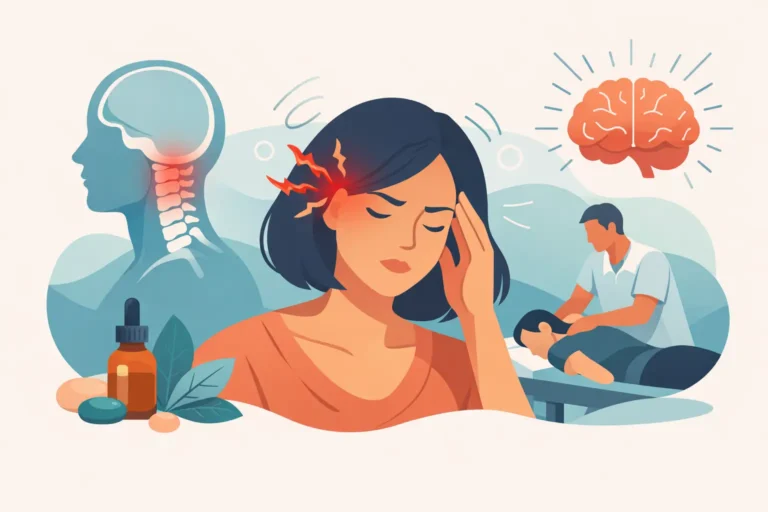
A ringing, buzzing, hissing, or pulsing sound can feel far more intrusive at night, during a demanding workday, or when you finally try to rest. If you notice that the sound changes when you clench your jaw, turn your head, or carry stress in your neck and shoulders, you may wonder: does osteopathy help tinnitus? For some people, it can be a valuable part of care, particularly when tinnitus is influenced by the jaw, neck, posture, or nervous system tension. It is not a universal cure, and it should never replace appropriate medical assessment.
Does osteopathy help tinnitus?
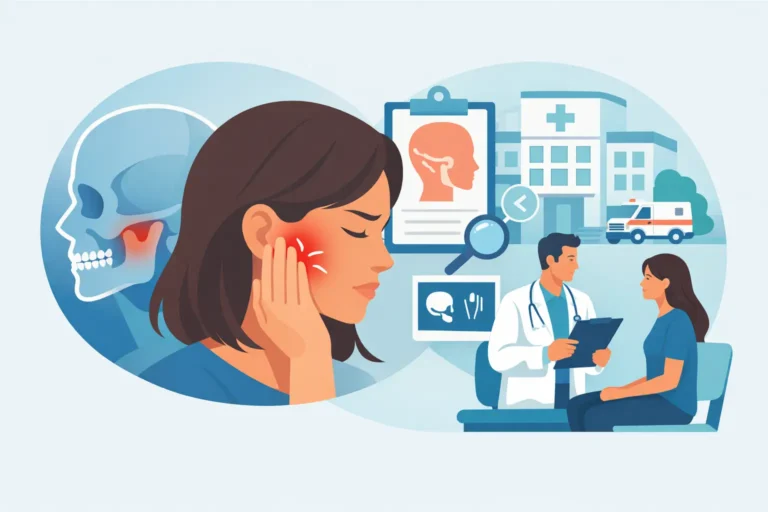
Osteopathy may help reduce the intensity, frequency, or distress associated with tinnitus when there is a musculoskeletal component contributing to symptoms. This is often called somatic tinnitus. In these cases, sensory input from the jaw, upper neck, facial muscles, and surrounding tissues can influence the auditory pathways and alter how tinnitus is perceived.
A person with somatic tinnitus may notice that the sound changes when they open their mouth widely, chew, press on their neck, turn their head, or sit at a computer for several hours. They may also have jaw clicking, headaches, neck stiffness, teeth grinding, ear fullness, or pain around the temples. These signs do not prove that the jaw or neck is the only cause, but they provide a useful clinical direction.
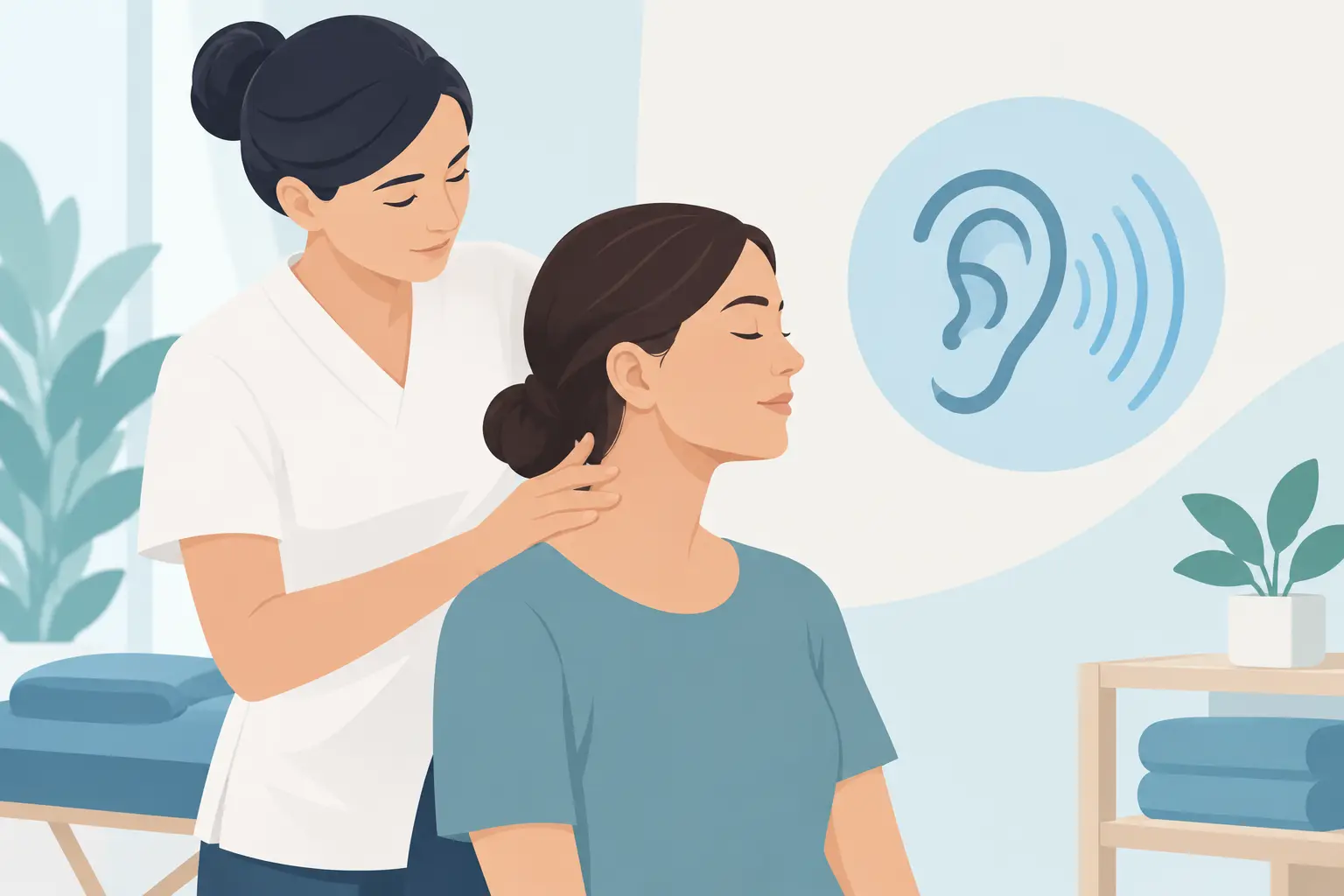
Osteopathic care focuses on the body as an interconnected system. Rather than treating a ringing sound in isolation, an osteopath looks for restrictions or overload in the areas that may be amplifying it. Gentle hands-on treatment can support mobility and circulation in the neck, reduce excess tension around the jaw, and help the nervous system move out of a persistent state of physical stress.
The realistic goal is not to promise silence. For the right patient, treatment may make tinnitus less noticeable, reduce associated pain or pressure, improve sleep, and restore a greater sense of control. Results vary because tinnitus has many possible causes.
Why the jaw and neck can affect ear symptoms
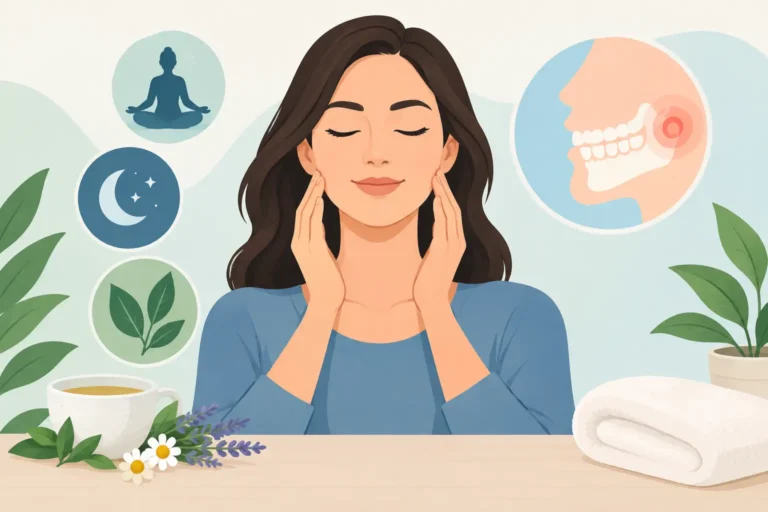
The temporomandibular joints, commonly called the TMJ, sit just in front of the ears. Muscles used for chewing connect through the face, skull, and upper neck. When these tissues are irritated by clenching, grinding, prolonged stress, dental changes, or an uneven movement pattern, they can create symptoms that seem to originate inside the ear.
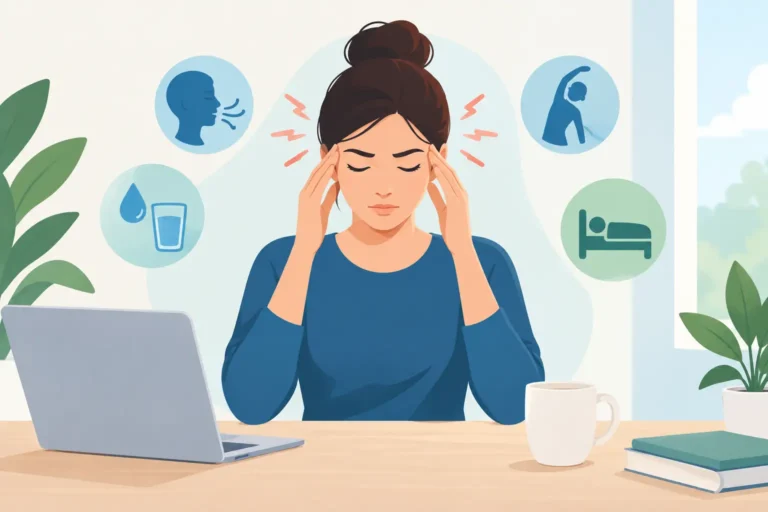
The upper cervical spine also deserves close attention. Forward-head posture, long hours on a laptop, phone use, previous whiplash, and repetitive training can overload the small joints and muscles at the base of the skull. This may contribute to headaches, dizziness, jaw tension, and altered sensory signals that make tinnitus more intrusive.
Stress is not an imaginary cause of tinnitus. It can raise muscle tone, increase jaw clenching, disturb sleep, and make the brain more alert to internal sounds. That does not mean the symptom is simply psychological. It means the physical and emotional systems that regulate attention, tension, and recovery are closely connected.
An individualized osteopathic assessment considers these relationships. It may include how your jaw opens and closes, the movement of your neck and upper back, breathing mechanics, posture, muscle tone, and relevant history such as a sports injury, a period of intense workload, or recent dental treatment.
What an osteopathic appointment may involve
Treatment for tinnitus-related jaw or neck dysfunction should be measured, gentle, and adapted to your comfort. There is no single manipulation that fixes tinnitus. A high-quality approach starts with listening carefully to the pattern of symptoms and screening for reasons to seek medical care first.
Hands-on treatment may include soft-tissue work for the jaw, face, neck, shoulders, and upper back; gentle joint mobilization; and cranial or biodynamic approaches intended to ease tissue tension and support regulation. If jaw symptoms are prominent, an osteopath may also assess the muscles inside and around the mouth when appropriate and with your clear consent.
Your treatment plan should be personal. An active adult whose symptoms began after a cycling accident needs a different approach from a professional who clenches during late-night deadlines or a new parent whose sleep and posture have changed dramatically. At Osteopath Tokyo, care is designed around that full picture, with clear explanations throughout so you understand what is being assessed and why.
Progress is usually assessed over several visits, not judged solely by how you feel immediately after one session. Some people first notice easier neck movement, less jaw fatigue, fewer headaches, or improved sleep. Those changes may reduce the factors that keep tinnitus in the foreground.
When osteopathy is less likely to be enough
Tinnitus can result from hearing loss, noise exposure, earwax, medication effects, infection, inner-ear conditions, vascular issues, and other medical causes. Osteopathy cannot diagnose or treat all of these conditions. Even when neck or jaw tension is present, it may coexist with hearing-related tinnitus.
A medical assessment is particularly important if tinnitus starts suddenly, affects only one ear, occurs with sudden hearing loss, or has a pulse-like rhythm in time with your heartbeat. Seek prompt medical attention for tinnitus accompanied by severe vertigo, facial weakness, neurological symptoms, significant ear pain, drainage, or symptoms after a head injury.
For ongoing tinnitus, an ear, nose, and throat physician or audiologist can assess hearing and rule out conditions requiring medical treatment. This is not a barrier to osteopathic care. It is often the safest and most effective partnership. If testing identifies hearing loss, sound therapy, hearing support, counseling-based tinnitus management, and lifestyle strategies may be appropriate alongside treatment for jaw and neck tension.
Who may be a good candidate for osteopathic support?
Osteopathy is most worth considering when tinnitus appears connected to a physical pattern. You may be a suitable candidate if your symptoms change with jaw or neck movement, if you have TMJ discomfort or grinding, or if tinnitus developed alongside headaches, postural strain, a neck injury, or prolonged stress.
It can also be helpful for people who have already completed medical assessment but still feel that muscular tension, poor sleep, and body-wide stress are keeping their symptoms active. In this setting, the aim is supportive and practical: reduce contributing strain, improve movement, and help your system settle.
People with long-standing tinnitus may still benefit, but expectations should remain realistic. The longer the brain has registered a sound as important or threatening, the more care may need to include sleep, stress regulation, hearing support, and habituation strategies. Manual therapy can address one meaningful piece of that larger plan.
Simple steps between appointments
Small daily changes can protect the improvements made during treatment. Avoid repeatedly checking whether the sound is present, as constant monitoring can make it feel louder. Instead, use gentle background sound at bedtime if silence makes tinnitus more noticeable.
Pay attention to clenching. Keep the tongue relaxed against the palate, allow the teeth to remain slightly apart when you are not eating, and take brief breaks from screens to move your shoulders and neck. If you use headphones, keep the volume moderate and give your ears regular quiet breaks after noisy environments.
A fitted night guard may be useful for some people with grinding, but it should be recommended by a qualified dental professional. Similarly, persistent jaw locking, major bite changes, or dental pain may require a dentist or TMJ-focused clinician in addition to osteopathic care.
Tinnitus deserves a careful response, not quick promises. When the jaw, neck, and stress response are part of the pattern, gentle, individualized osteopathic treatment can offer a constructive path toward greater comfort and less disruption in daily life.