When Postpartum Pelvic Pain Needs Professional Care
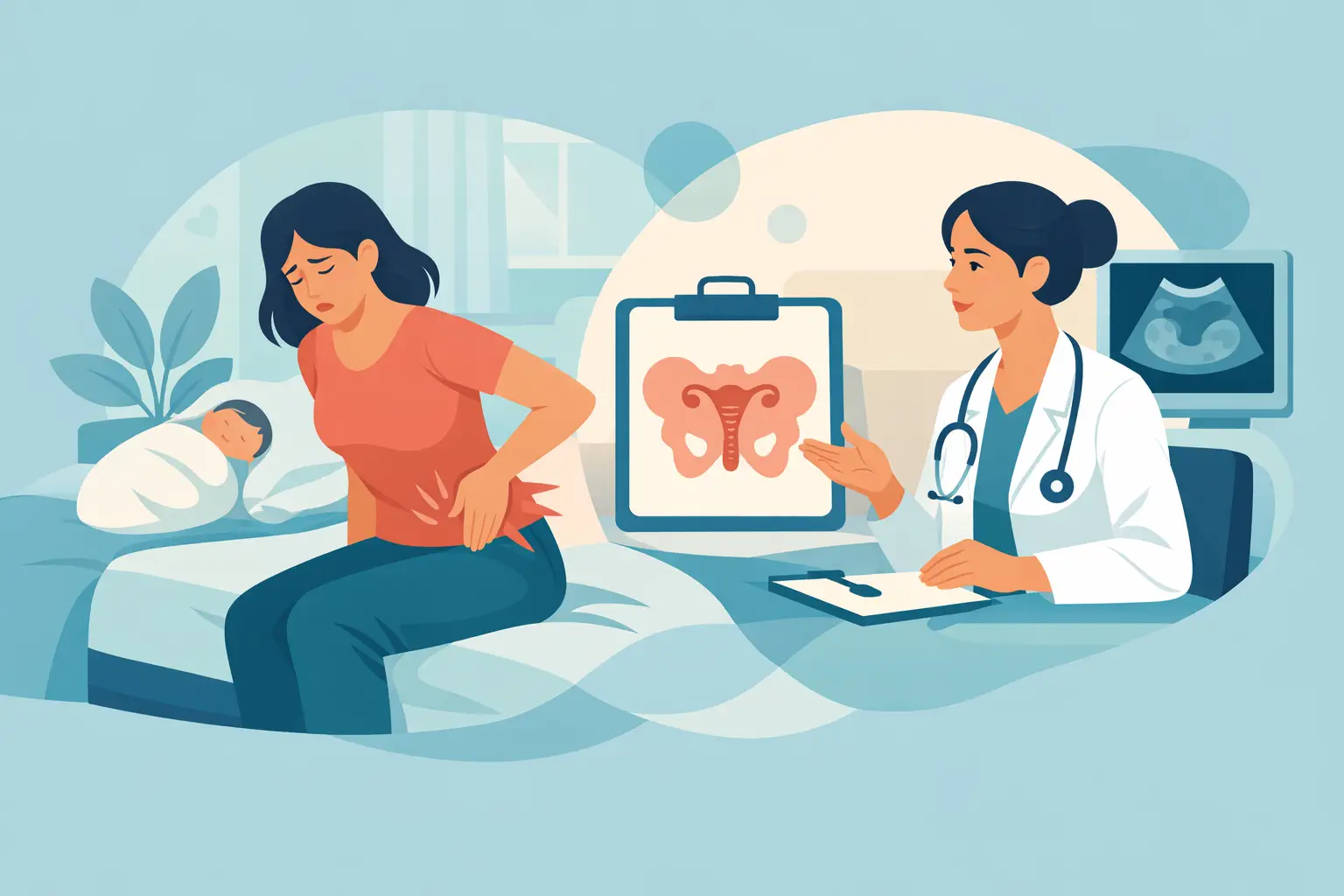
Getting out of bed, turning over at night, carrying a car seat, or taking the stairs should not feel like a daily test of endurance. Yet postpartum pelvic pain can make these ordinary parts of new parenthood unexpectedly difficult. Some soreness after birth is common, but pain that limits your movement, affects sleep, or makes caring for your baby harder deserves thoughtful assessment.
The body changes significantly during pregnancy and birth. Ligaments become more flexible, the pelvic floor works under sustained pressure, and muscles throughout the abdomen, hips, back, and pelvis adapt to a changing center of gravity. Recovery is not always linear, particularly after a long labor, cesarean birth, assisted delivery, or a return to demanding daily routines before the body feels ready.
What Postpartum Pelvic Pain Can Feel Like
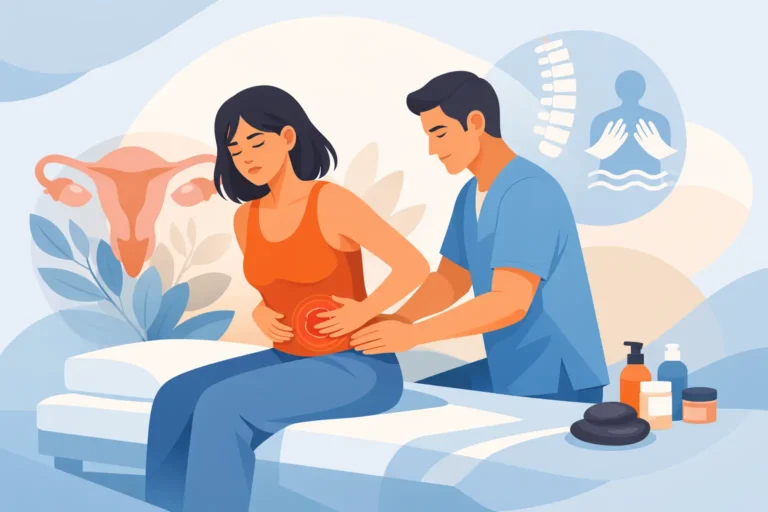
Pelvic pain after delivery does not always stay in one place. It may feel like an ache at the pubic bone, pressure or heaviness in the pelvis, pain in the tailbone, or a sharp sensation around one or both sacroiliac joints at the back of the pelvis. Some women feel discomfort deep in the groin, hips, lower back, or perineum.
Symptoms often become more noticeable with uneven loading. Standing on one leg to get dressed, lifting a baby from a low crib, walking quickly to catch a train, climbing stairs, or rolling in bed can all provoke pain. For mothers living in Tokyo, the combination of apartment stairs, public transportation, carrying a baby, and limited rest can make a manageable irritation feel much more persistent.
Pain intensity alone does not tell the whole story. A mild ache that steadily improves may be part of normal healing. On the other hand, pain that is worsening, recurring after activity, or changing how you walk deserves attention even if it is not severe.
Why Pelvic Pain Can Continue After Birth
There is rarely one single explanation. A careful clinician considers how the pelvis, spine, hip joints, pelvic floor, abdominal wall, and surrounding soft tissues are working together.
Pelvic joint strain and instability
During pregnancy, hormonal changes increase ligament flexibility to prepare the body for birth. This can place extra strain on the pubic symphysis at the front of the pelvis and the sacroiliac joints at the back. Although these tissues gradually regain stability after delivery, recovery takes time. Pain may be especially noticeable when moving one leg at a time, such as walking, entering a car, or turning in bed.
Pelvic floor and perineal tension
The pelvic floor is not simply a group of muscles that needs strengthening. After pregnancy and birth, it can be weak, overworked, poorly coordinated, or protective and tense. Scar tissue after a tear or episiotomy may also contribute to pulling, sensitivity, or discomfort. In some cases, repeatedly doing pelvic floor exercises without an individual assessment can aggravate symptoms if the muscles are already holding too much tension.
Hip, lower back, and abdominal compensation
Pregnancy changes posture, breathing mechanics, and muscle recruitment. Following birth, many parents spend hours feeding, rocking, looking down, and lifting in awkward positions. The gluteal muscles, deep hip rotators, lower back, and abdominal wall may compensate for reduced pelvic stability. This can make the pain seem to move between the pelvis, back, hips, and groin.
Birth-related tissue irritation
A difficult or prolonged labor, forceps or vacuum-assisted delivery, cesarean section, significant tearing, or a coccyx injury can all influence recovery. Even when medical checks confirm that healing is progressing appropriately, restrictions in soft tissue movement and altered muscle patterns may continue to cause discomfort.
When to Seek Urgent Medical Care
Postpartum pain should never be dismissed automatically. Contact your obstetrician, midwife, or emergency service promptly if pelvic pain is severe, sudden, rapidly worsening, or accompanied by fever, chills, heavy bleeding, foul-smelling discharge, dizziness, fainting, chest pain, shortness of breath, calf swelling, weakness, numbness, or difficulty controlling your bladder or bowel.
You should also arrange medical evaluation for pain with urination, significant abdominal tenderness, a painful swollen leg, or symptoms of depression, anxiety, or feeling unable to cope. These signs may point to conditions that require medical treatment rather than manual therapy alone.
For ongoing musculoskeletal pain without red-flag symptoms, an osteopathic assessment can be a useful part of a coordinated postpartum care plan. It works best alongside appropriate medical, obstetric, and pelvic health support.
A Personalized Assessment Matters
Two women can both describe pelvic pain and need very different care. One may have irritation around the pubic joint after a fast delivery. Another may have a sensitive tailbone after prolonged pushing, while a third may be primarily limited by hip tension and abdominal scar restrictions after a cesarean birth.
A thorough osteopathic consultation looks beyond the painful spot. It may include gentle assessment of pelvic and spinal movement, hip mobility, posture, breathing patterns, abdominal function, and the way you sit, stand, and walk. Your birth experience, current activity level, feeding position, sleep demands, and previous injuries all matter.
This whole-body approach is particularly valuable when pain has persisted despite rest. The goal is not to force the pelvis into position. It is to identify areas of excess strain, improve comfortable movement, and help the body regain more efficient support.
Osteopathic Care for Postpartum Pelvic Pain
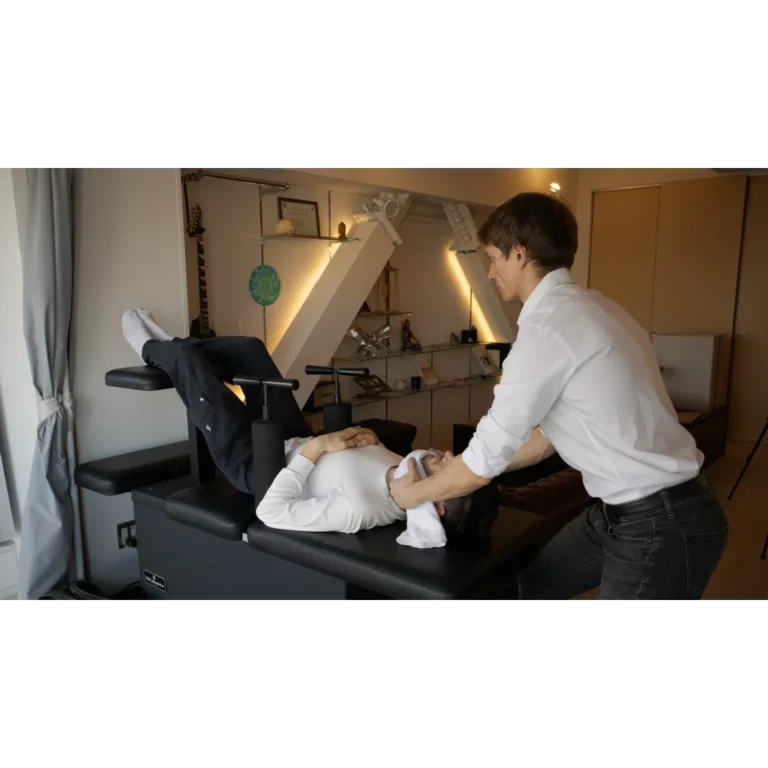
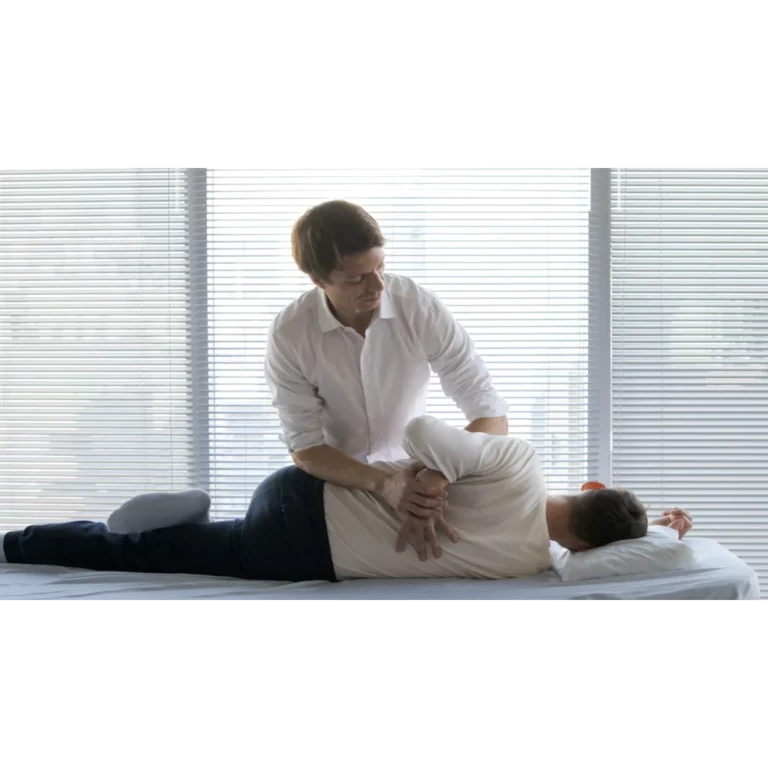
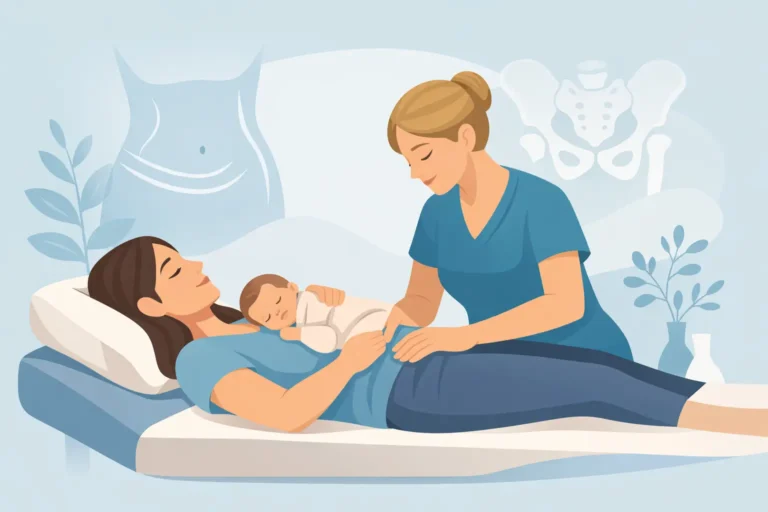
Osteopathic treatment is adapted carefully to your stage of recovery, symptoms, and comfort. Gentle hands-on techniques may be used to reduce tension in the lower back, hips, diaphragm, abdominal wall, pelvic attachments, and surrounding connective tissues. Treatment can include soft-tissue work, joint mobilization, craniosacral or biodynamic approaches, and practical guidance for daily movement.
At Osteopath Tokyo, care is always one-to-one and adjusted to your individual needs. For a new mother, that may mean a calm appointment pace, comfortable positioning, and clear communication in English, French, or Japanese. The aim is to help you move with greater ease, not to push through pain.
Treatment may be particularly helpful when discomfort is related to lifting, feeding positions, prolonged sitting, or uneven loading through the hips and pelvis. However, hands-on care is not a substitute for medical assessment where needed, and some patients benefit most from combined care with an obstetric provider, physician, or pelvic floor physical therapist.
Small Changes That Can Reduce Daily Strain
Rest is valuable, but complete inactivity can sometimes increase stiffness and sensitivity. The right balance depends on your symptoms and recovery stage. Gentle, comfortable walking and regular position changes are often more useful than trying to resume a pre-pregnancy exercise routine too quickly.
When getting out of bed, roll onto your side first and keep your knees together as you push up with your arms. For dressing, sit down rather than balancing on one leg. Bring your baby close to your body before lifting, and avoid twisting while holding weight. If feeding causes pain, use pillows to bring the baby toward you rather than leaning your body forward.
Support garments or pelvic belts can be useful for some women with joint-related symptoms, especially in the early postpartum period. They are not appropriate for everyone, and the fit and timing matter. A clinician can help determine whether external support is likely to help or simply encourage over-reliance.
Recovery Is Individual, and Improvement Should Be Realistic
Many postpartum aches improve over the first weeks and months, but there is no fixed deadline for recovery. Sleep disruption, repeat lifting, stress, prior injuries, and a demanding return to work can all affect the pace. The encouraging sign is gradual improvement in comfort, confidence, and daily function.
If you are avoiding walks, dreading stairs, unable to turn in bed comfortably, or feeling that your body has not recovered as expected, you do not need to wait until the pain becomes unbearable. A careful assessment can clarify what is contributing to your symptoms and provide a plan that respects both your recovery and the realities of caring for a new baby.
You deserve postpartum care that recognizes more than the birth itself. When the pelvis, hips, back, and surrounding tissues are given the right support, everyday movements can begin to feel like yours again.