
Guide to Osteopathy for Vertigo and Dizziness
A sudden sense that the room is spinning can make a train platform, a work meeting, or simply getting out of bed feel unsafe. This guide to osteopathy for vertigo explains where skilled hands-on care may fit, what a careful assessment should involve, and why vertigo should never be treated as a diagnosis on its own.
Vertigo is a sensation of movement when you are not moving, often described as spinning, tilting, rocking, or being pulled to one side. It is different from general lightheadedness or feeling faint. While some causes respond well to physical treatment, others need prompt medical investigation. The right first step depends on your symptoms, medical history, and how the dizziness began.
What causes vertigo?
Many episodes of vertigo begin in the inner ear, which works closely with the brain, eyes, and neck to maintain balance. Benign paroxysmal positional vertigo, often called BPPV, is one common example. It occurs when tiny calcium crystals in the inner ear move into an area where they disrupt the brain’s sense of position. It often causes brief, intense spinning when rolling over in bed, looking upward, or bending down.
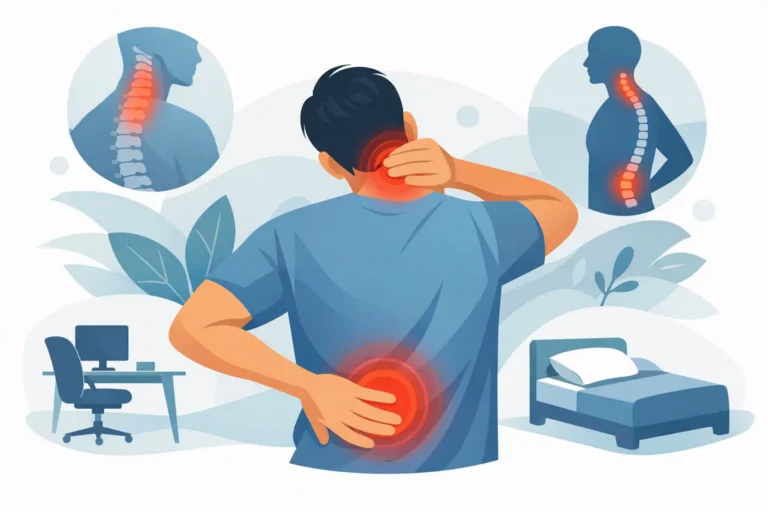
Other possible causes include vestibular migraine, inflammation of the inner ear or vestibular nerve, Ménière’s disease, medication effects, anxiety, blood-pressure changes, and neurological conditions. Neck pain and restricted cervical movement can also contribute to dizziness or a sense of imbalance, particularly after prolonged desk work, a sports impact, whiplash, or periods of high stress.
That variety matters. An effective plan begins with identifying whether your symptoms are likely related to the vestibular system, the cervical spine, migraine, another medical issue, or several factors at once. Persistent dizziness is not something to dismiss as simply “tight muscles.”
When vertigo needs urgent medical care
Seek urgent medical assessment if vertigo appears suddenly alongside weakness or numbness on one side of the body, facial drooping, trouble speaking, double vision, severe new headache, chest pain, fainting, confusion, inability to walk, or a major loss of coordination. These symptoms can indicate a serious condition requiring emergency care.
A same-day medical evaluation is also sensible for new vertigo following a significant head injury, for continuous severe spinning with repeated vomiting, or for dizziness accompanied by sudden hearing loss. If you have cardiovascular risk factors, are pregnant, have a history of stroke, or feel that something is distinctly different from previous episodes, it is wise to be cautious.
Osteopathic care is not a substitute for medical diagnosis in these circumstances. A responsible practitioner will recognize red flags, ask detailed questions, and refer you when assessment by a physician, ENT specialist, neurologist, or vestibular physiotherapist is the safer route.
How osteopathy may help with vertigo
Osteopathy may be helpful when dizziness is associated with neck stiffness, jaw tension, postural strain, headaches, stress-related muscle guarding, or reduced movement through the upper back and cervical spine. The aim is not to claim that every episode of vertigo originates in the neck. Rather, it is to address musculoskeletal and nervous-system factors that may be adding to symptoms or slowing recovery.
The neck contains muscles and sensory receptors that continually communicate with the brain about head position. When the area is painful, guarded, or moving poorly, that information can become less reliable. For some people, particularly those with cervicogenic dizziness, this may contribute to unsteadiness, disorientation, or symptoms provoked by neck movement.
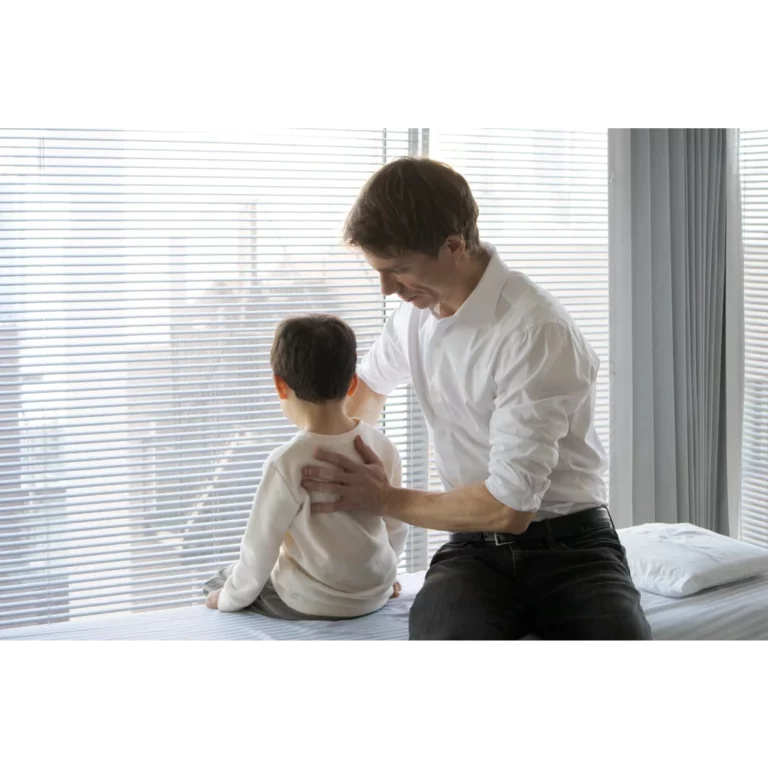
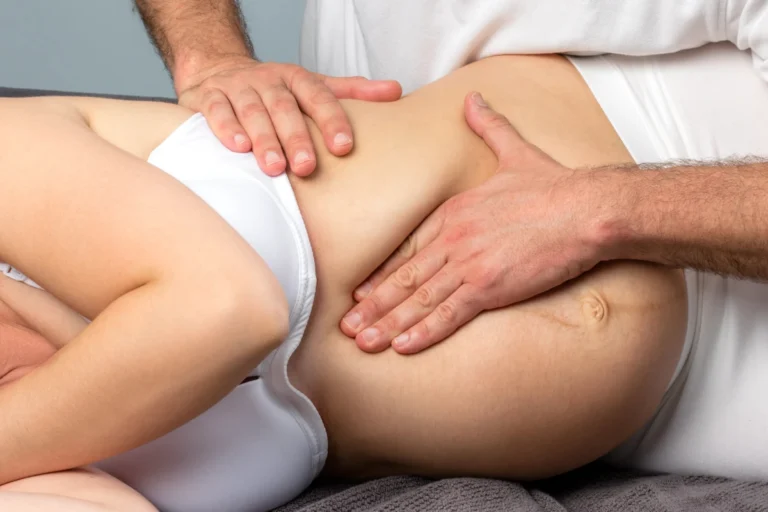
A personalized osteopathic approach can use gentle joint mobilization, soft-tissue work, cranial or biodynamic techniques, and movement-based guidance to improve comfort and restore easier motion. Treatment may also consider the jaw, upper back, rib cage, breathing patterns, and the effects of sustained computer or phone use. These areas influence head and neck posture more than most people realize.
For BPPV, a clinician trained to assess the condition may recommend or perform a specific repositioning maneuver. This is different from general manual therapy. The maneuver is intended to guide displaced crystals back to an area of the inner ear where they no longer trigger false movement signals. It can be highly effective when BPPV is the correct diagnosis, but it should be selected based on a proper examination because the involved canal and symptom pattern matter.
What to expect from a first appointment
A quality consultation should feel unhurried and precise. Your osteopath will usually ask when the vertigo started, how long each episode lasts, what movements trigger it, whether you have nausea, headaches, hearing changes, neck pain, visual symptoms, recent infection, or a history of concussion. Details such as whether symptoms occur only when turning in bed or remain present throughout the day can significantly change the clinical picture.
The physical assessment may include observation of your posture and gait, gentle testing of neck movement, balance, eye movement, jaw function, and areas of muscular tension. When appropriate, positional testing may help identify signs consistent with BPPV. Your comfort is central throughout the process. You should be told what a test or technique involves before it begins, especially if certain positions make you anxious or nauseated.
Treatment should be adapted to your tolerance on that day. During an active vertigo episode, forceful techniques are rarely appropriate. Gentle care, pacing, hydration advice, and clear referral guidance may be more valuable than trying to do too much in one session. If neck dysfunction is contributing, improvement may be gradual over several visits as mobility, confidence in movement, sleep, and muscle tension improve.
A practical guide to osteopathy for vertigo recovery
Your appointment is only one part of recovery. The recommendations that follow should match the likely cause of your symptoms, rather than applying a generic routine to every form of dizziness.
If positional movements trigger brief spinning, your clinician may show you how to move in and out of bed more steadily and discuss whether a repositioning maneuver is appropriate. If neck strain is a factor, small changes can reduce repeated irritation: position your screen at eye level, take brief movement breaks during long work sessions, and avoid holding your phone low for extended periods.
For migraine-related dizziness, regular meals, adequate fluid intake, consistent sleep, and awareness of personal triggers can be as relevant as hands-on treatment. If stress is amplifying jaw clenching and neck guarding, slow breathing and a realistic adjustment to workload can support the physical work. There is no benefit in pushing through severe dizziness at the gym or returning to demanding sports before your balance feels reliable.
Keep a short symptom record if episodes recur. Note the time, duration, trigger, associated headache or neck pain, hearing changes, medications, and what relieved the episode. This gives your practitioner and medical team better information than trying to recall patterns weeks later.
Choosing the right practitioner in Tokyo
For international residents, vertigo can feel more isolating when explaining symptoms in a second language or navigating an unfamiliar healthcare system. Choose a practitioner who takes time to understand the full picture, communicates clearly in your preferred language, and works within appropriate clinical limits.
Experience with headaches, TMJ symptoms, sports injuries, pregnancy-related changes, and post-concussion neck issues can be useful because dizziness often overlaps with these concerns. Equally important is a practitioner who is comfortable coordinating care and referring onward when the findings point beyond manual therapy.
At Osteopath Tokyo, assessment and treatment are tailored to the individual rather than built around a preset series of techniques. For people whose vertigo is connected to neck tension, headaches, posture, or stress-related strain, careful osteopathic care can provide a calm, hands-on part of a broader recovery plan.
Vertigo can be alarming, but it is often manageable once its pattern is understood. Give new, severe, or unusual symptoms the medical attention they deserve, then seek care that treats your comfort, movement, and confidence with equal care.