Best Pelvic Pain Treatments for Lasting Relief
Pelvic pain can make ordinary parts of life feel uncertain: sitting through a work meeting, exercising, having sex, using the bathroom, or simply getting a full night’s sleep. The best pelvic pain treatments do not begin with a one-size-fits-all exercise or a quick adjustment. They begin by understanding why your pain is present, what is keeping it active, and which combination of care best fits your body and daily life.
Pelvic pain is often treatable, but it deserves careful assessment. The pelvis is a meeting point for the low back, hips, abdominal wall, pelvic floor, nerves, digestive system, and reproductive organs. Pain in this region may come from one area, or from several systems influencing one another. A calm, personalized plan can make a meaningful difference, particularly when symptoms have persisted or prior treatments have not provided clear answers.
Why pelvic pain needs an individualized approach
Pelvic pain is a symptom, not a diagnosis. It may feel like pressure, aching, sharp pain, burning, cramping, heaviness, or a pulling sensation in the lower abdomen, groin, tailbone, genitals, or deep pelvic floor. Some people notice it after running or prolonged sitting. Others experience it around menstruation, during pregnancy, after childbirth, with bowel movements, or during sexual activity.
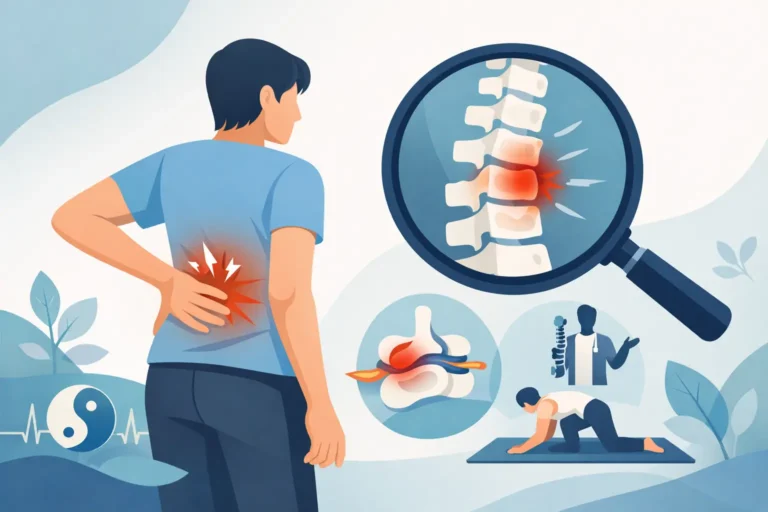
Possible contributors include pelvic floor muscle overactivity or weakness, hip or sacroiliac joint dysfunction, lower-back irritation, scar tissue after surgery or childbirth, endometriosis, bladder conditions, constipation, nerve sensitivity, or stress-related muscle guarding. In men, pelvic pain may also be associated with chronic prostatitis or chronic pelvic pain syndrome. The right treatment depends on the cause, which is why simply strengthening the pelvic floor is not always the answer.
For example, a pelvic floor that is already tense and unable to relax may become more painful with repeated Kegel exercises. Conversely, a pelvic floor affected by pregnancy, childbirth, or reduced support may benefit from carefully guided strengthening. A qualified assessment helps distinguish between these patterns.
The best pelvic pain treatments start with the right evaluation
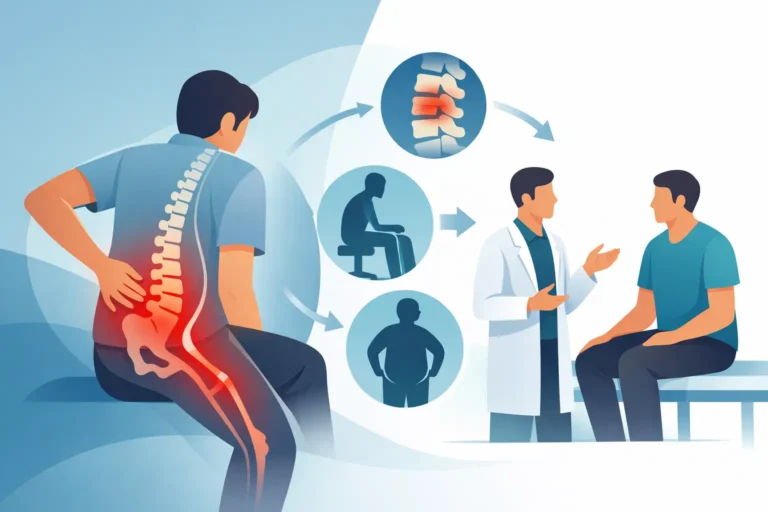
A thorough clinical evaluation should consider your symptoms, medical history, movement patterns, stress levels, training habits, pregnancy or birth history, and any previous surgeries or injuries. It should also look beyond the place where you feel pain. Restricted hip movement, a sensitive lower back, shallow breathing, jaw tension, and abdominal bracing can all influence the pelvis.
Depending on your symptoms, your care may involve a gynecologist, urologist, primary care physician, gastroenterologist, pain specialist, pelvic floor physical therapist, or an experienced osteopath. Collaborative care is often the strongest option, especially when pain has more than one contributor.
Some symptoms require prompt medical attention rather than manual treatment alone. Seek urgent assessment for sudden severe pelvic or abdominal pain, fever, fainting, heavy or unusual bleeding, pain with pregnancy, blood in urine or stool, unexplained weight loss, persistent vomiting, or new numbness, weakness, or loss of bladder or bowel control. These signs need medical evaluation to rule out conditions that require immediate care.
Pelvic floor physical therapy
Pelvic floor physical therapy is among the most valuable options for many people with persistent pelvic pain. A specialized therapist can assess how the pelvic floor muscles contract, relax, coordinate with breathing, and respond to pressure or movement. Treatment may include education, external or internal techniques when appropriate and consented to, relaxation training, biofeedback, mobility work, and a tailored home program.
The goal is not always to make the pelvic floor stronger. For many patients, the priority is reducing excessive tension and restoring confidence in movement. This is particularly relevant for pain with intercourse, tailbone pain, urinary urgency, constipation associated with straining, and postpartum discomfort.
Progress usually comes from regular, measured work rather than pushing through pain. A good therapist will explain what they are assessing, obtain consent throughout care, and adapt treatment to your comfort level.
Hands-on osteopathic care for movement and tension patterns
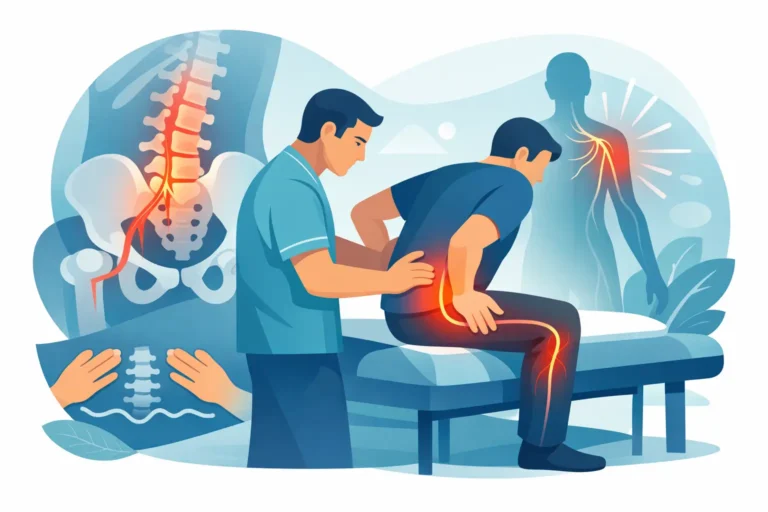
When pelvic pain is influenced by musculoskeletal strain, hands-on osteopathic care can be a helpful part of a broader treatment plan. An osteopathic assessment considers the relationship between the pelvis, lumbar spine, hips, rib cage, abdomen, and nervous system. The aim is to identify restrictions or protective patterns that may be placing ongoing stress on the painful area.
Treatment may include gentle joint mobilization, soft-tissue techniques, myofascial work, craniosacral or biodynamic approaches, and movement guidance. Care should never feel forceful or rushed. For someone whose nervous system has become highly protective after months of pain, a gradual approach is often more productive than aggressive treatment.
Manual therapy is not a replacement for medical diagnosis or pelvic floor physical therapy when those are needed. Its value is often in improving mobility, reducing muscular guarding, and helping the body tolerate everyday movement more comfortably. At Osteopath Tokyo, care is structured around an individual assessment and can be coordinated with other appropriate medical and rehabilitation support.
Movement, breathing, and pacing
Complete rest can sometimes increase stiffness, fear of movement, and sensitivity over time. The right amount of movement, however, can improve circulation, hip and spinal mobility, and confidence. The key is dosage.
For some people, walking, gentle hip mobility, swimming, or modified strength work is helpful. For others, running, cycling, deep squats, or high-impact training may need to be temporarily adjusted while symptoms settle. This does not mean giving up the activities you enjoy permanently. It means creating a path back to them without repeatedly provoking pain.
Breathing deserves attention as well. The diaphragm and pelvic floor move together. Habitual breath-holding, abdominal gripping, and shallow chest breathing can reinforce pelvic floor tension. Slow diaphragmatic breathing, practiced without forcing the abdomen outward, can help some people learn to release this pattern. A clinician can show you how to do this in a way that feels natural rather than mechanical.
Medical treatments when an underlying condition is present
When pelvic pain is connected to endometriosis, fibroids, ovarian cysts, infection, interstitial cystitis, irritable bowel syndrome, nerve pain, or another medical condition, treatment should address that diagnosis directly. Options may include medication, hormonal management, targeted procedures, nutrition support, pain medicine consultation, or surgery in selected cases.
These approaches and hands-on care are not opposing choices. Someone with endometriosis, for instance, may benefit from gynecologic treatment while also receiving pelvic floor therapy and gentle manual care for secondary muscle guarding, scar sensitivity, low-back discomfort, or hip restriction. The most effective plan often combines medical expertise with support for the physical consequences of long-standing pain.
Mental and emotional support may also be appropriate. Persistent pain affects sleep, work, relationships, and the sense of safety in your own body. Pain-focused counseling, cognitive behavioral therapy, or other psychological support does not suggest that pain is imaginary. It recognizes that the nervous system, stress response, and physical tissues all play a role in recovery.
Pregnancy and postpartum pelvic pain
Pregnancy can place considerable demand on the pelvis, hips, lower back, and pelvic floor. Pelvic girdle pain may make turning in bed, climbing stairs, walking, or getting dressed difficult. After birth, some people also experience tailbone pain, abdominal wall tension, scar sensitivity, urinary symptoms, or discomfort returning to exercise.
Care during pregnancy and postpartum should be adapted to each stage and coordinated with maternity providers when necessary. Gentle hands-on treatment, activity modification, pelvic floor rehabilitation, and progressive return-to-strength guidance can all be useful. There is no prize for resuming intense exercise quickly. A thoughtful recovery plan respects healing while helping you regain stability and comfort.
What to expect from a well-designed treatment plan
The best pelvic pain treatments are usually not defined by a single technique. They are defined by clarity, safety, and a realistic plan. You should understand what your practitioner believes is contributing to your symptoms, what treatment is intended to change, and how progress will be measured.
Improvement may look like sitting longer without pain, sleeping better, reduced urgency, less discomfort during intimacy, easier bowel movements, or returning to a sport with fewer flare-ups. Symptoms can fluctuate, especially when stress, hormonal changes, travel, or training loads are involved. A plan that can be adjusted is more useful than one that promises an instant cure.
If pelvic pain has been limiting your life, you deserve care that takes it seriously and treats you as a whole person, not simply a painful body part. With the right assessment and patient, coordinated support, the next step can be less about enduring symptoms and more about restoring ease in the activities that matter to you.