How Osteopathy and Scoliosis Care Work Together
A scoliosis diagnosis can make ordinary discomfort feel more concerning. One shoulder may sit higher, a hip may feel tight after a long commute, or back pain may begin to limit exercise, sleep, and concentration. Osteopathy and scoliosis care can work together to address these everyday effects with a careful, hands-on approach that focuses on comfort, movement, and the way your whole body is adapting.
Scoliosis is not a condition to treat with assumptions. Some curves cause very little pain, while others are associated with muscular fatigue, stiffness, nerve irritation, or a growing sense that the body is working harder than it should. The right plan depends on your curve, age, symptoms, medical history, activity level, and whether the scoliosis is stable or changing.
What scoliosis means for your body
Scoliosis is a sideways curvature of the spine that also involves rotation of the vertebrae. It may be diagnosed during adolescence, but many adults only become aware of its effects years later. Adult scoliosis can be a long-standing curve from adolescence, or it can develop alongside age-related changes in discs and joints.
The curve itself is only part of the picture. To keep your head level and maintain balance while walking, the body makes adjustments above and below the curve. Muscles on one side may become overworked; the rib cage may move differently during breathing; the pelvis, hips, knees, and feet may all contribute to or compensate for uneven loading.
This does not mean every ache is caused by scoliosis. A painful shoulder, recurring low back pain, or tightness around one hip can have several causes. But a well-informed assessment considers whether the spinal curve and the body’s compensations are playing a meaningful role.
Symptoms vary widely
Some people with scoliosis have no symptoms and need monitoring rather than hands-on treatment. Others notice a pattern of fatigue after standing, one-sided back or neck tension, reduced trunk rotation, headaches linked to upper-body strain, or discomfort during sport.
Pregnancy can also make existing asymmetries more noticeable as posture, ligament tension, and load through the pelvis change. For active adults, the issue may arise as a decline in comfort or performance rather than a sharp injury. A runner may repeatedly overload one side, for example, while a desk-based professional may struggle to find a sitting position that remains comfortable through the day.
Osteopathy and scoliosis: what treatment can support
Osteopathic treatment does not straighten a structural scoliosis or replace orthopedic monitoring, bracing, surgery, or scoliosis-specific exercise when those are indicated. A responsible approach is clear about that. The aim is to help the body manage the mechanical consequences of the curve as effectively and comfortably as possible.
For many adults, this may mean reducing excessive muscle tension, improving joint mobility where movement is restricted, supporting easier breathing mechanics, and helping the nervous system settle when pain has created persistent guarding. Treatment can also help identify practical contributors to symptoms, such as a work setup that repeatedly loads one side or a training routine that has become too demanding.
The potential benefits are individual. Some patients seek relief from persistent back, neck, or hip discomfort. Others want to move more freely for work, travel, parenting, or sport. When pain has led to cautious movement, restoring confidence can be as valuable as improving flexibility.
A whole-body assessment matters
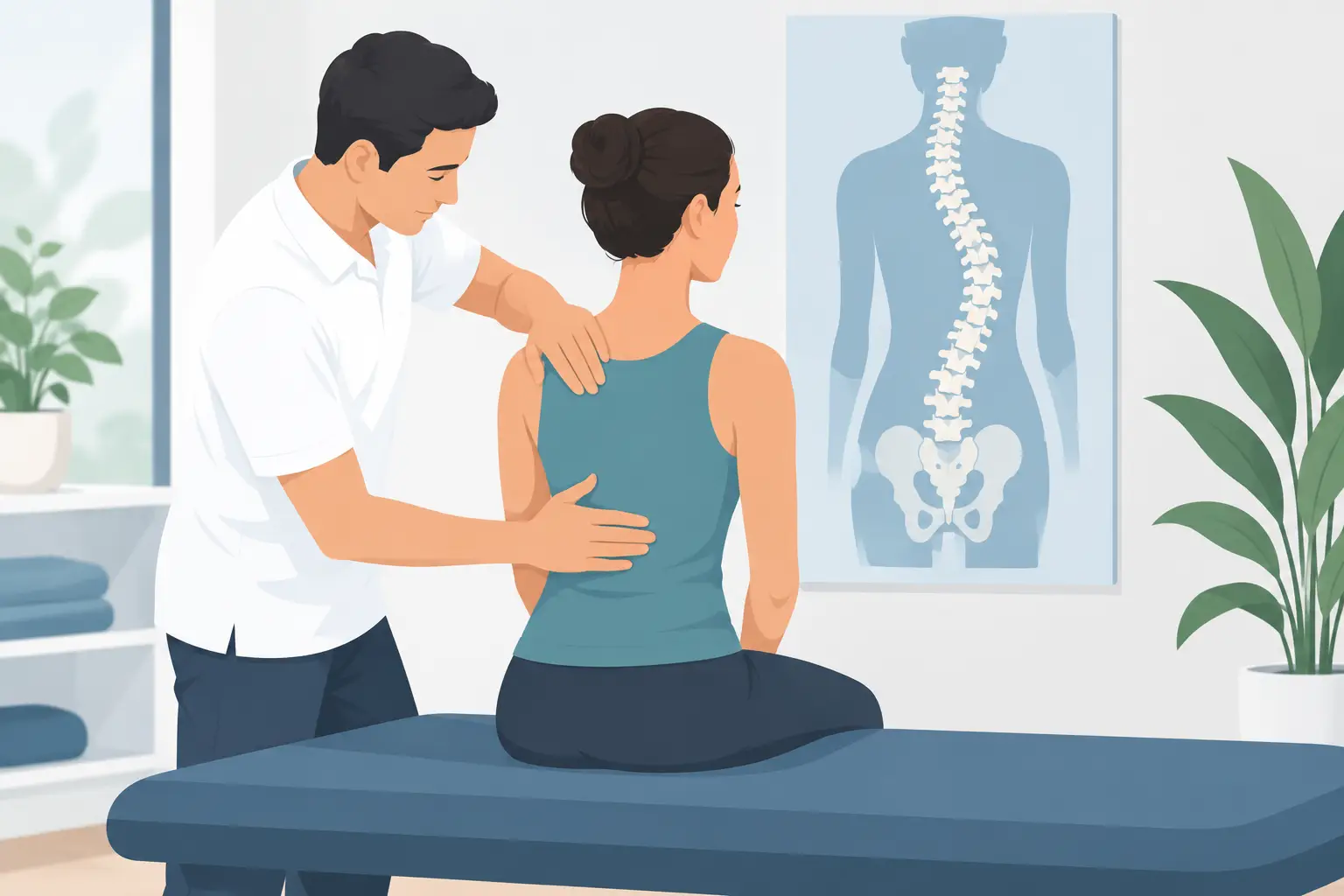
An osteopathic consultation begins with listening. Your practitioner should ask when symptoms began, what makes them better or worse, whether you have imaging or a prior diagnosis, and how scoliosis affects your daily life. Your goals matter as much as the description of the curve.
The physical assessment may look at posture, spinal and rib movement, pelvic balance, hip mobility, gait, and areas of tenderness or muscular overload. It should not be a rushed attempt to “correct” an appearance. Instead, it is an effort to understand which tissues are under strain and where your body may benefit from better movement options.
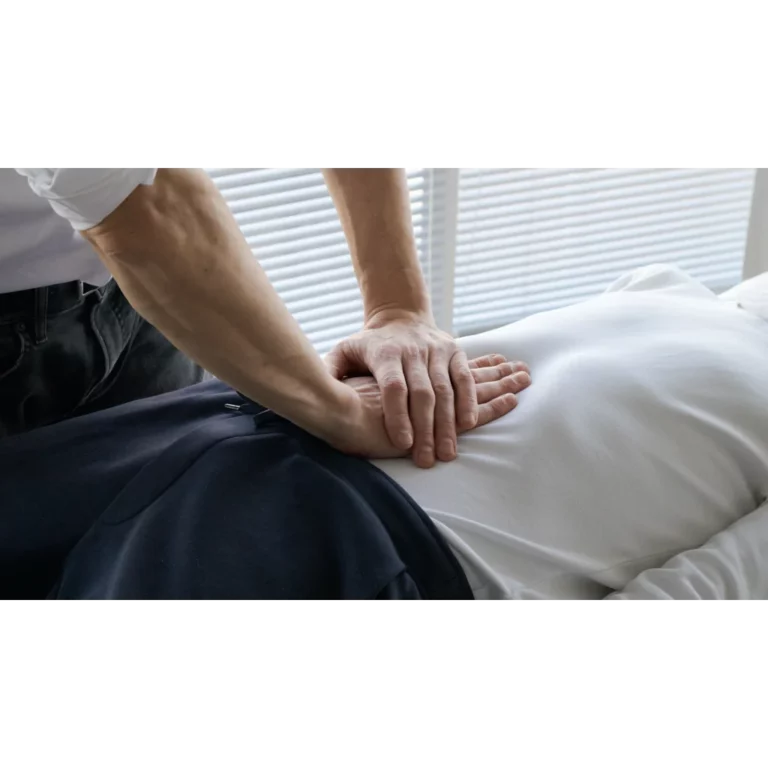
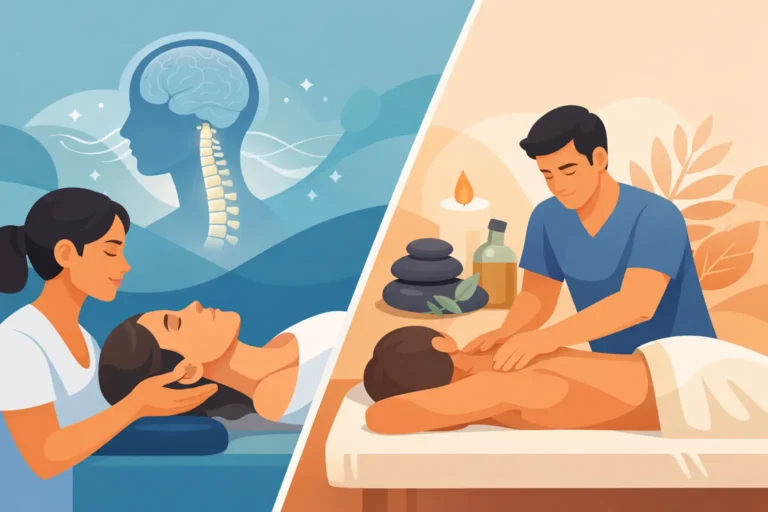
At Osteopath Tokyo, care is tailored to the person in front of the practitioner. Treatment may combine gentle joint mobilization, soft-tissue techniques, stretching, and cranial or biodynamic approaches when appropriate. The intensity and type of technique should be adjusted to your comfort, symptoms, and medical history.
When osteopathic care may be a good fit
Osteopathic care can be particularly useful when a stable scoliosis is accompanied by musculoskeletal symptoms that interfere with daily life. It may suit someone whose scans have already been reviewed but who still experiences stiffness, muscular fatigue, or recurring pain that has not responded fully to rest alone.
It can also complement care from other professionals. Depending on your needs, a coordinated plan may include a physician, orthopedic specialist, physiotherapist, or scoliosis-specific exercise provider. Hands-on treatment and targeted movement work often have different roles. One may help ease restrictions and discomfort; the other may build strength, endurance, and control over time.
There is no single schedule that suits everyone. A recent flare-up may benefit from a short series of appointments, while longstanding symptoms may respond best to periodic care combined with a realistic home routine. Progress should be measured by meaningful changes, such as walking more comfortably, sleeping better, returning to exercise, or needing fewer recovery days after work.
Exercise remains part of the picture
Movement is usually helpful, but the best exercise plan depends on the person. General strength training, walking, swimming, Pilates, yoga, and scoliosis-specific rehabilitation can all be useful in the right context. The question is not whether an activity is universally good or bad for scoliosis. It is whether it is well tolerated, appropriately progressed, and aligned with your current symptoms and goals.
An osteopath may suggest simple strategies between sessions, such as changing positions more often during desk work, adjusting how you carry bags, using gentle mobility work, or pacing a return to sport. These recommendations should feel manageable. A complicated plan that does not fit a demanding Tokyo work schedule is unlikely to be helpful for long.
Safety and when to seek medical evaluation
Before treatment, it is essential to identify symptoms that require medical assessment. New or rapidly worsening curvature, severe or unrelenting pain, significant weakness, numbness, changes in bladder or bowel control, unexplained weight loss, fever, or pain after a serious fall or accident should be assessed promptly by a medical doctor.
Children and adolescents with a suspected or known curve should remain under appropriate medical supervision because growth can affect progression. Adults with a new diagnosis, a history of cancer, inflammatory disease, osteoporosis, previous spinal surgery, or significant neurological symptoms also need a plan informed by their medical team.
Bring relevant imaging reports or medical information to your appointment when available. An osteopath does not need to rely on imaging alone, but it can provide valuable context and help ensure treatment is appropriate.
What a first appointment should feel like
You should feel heard, examined thoughtfully, and given clear explanations without pressure or exaggerated promises. Good care makes room for questions: Why does this area hurt? What techniques are being used? What might I feel afterward? When should I expect change?
After a session, some people feel looser and more mobile immediately. Others notice a mild, temporary soreness similar to that after exercise. Lasting improvement often depends on the nature of the problem, how long symptoms have been present, and what support is needed between visits. A careful practitioner will discuss this openly rather than promising a fixed result.
Living with scoliosis does not mean accepting daily discomfort as inevitable. With an individualized assessment, appropriate medical oversight, and treatment that respects your body’s particular pattern, it is possible to pursue more comfortable movement and greater confidence in what your body can do.