Can Osteopathy Ease Menstrual Cramps Safely?
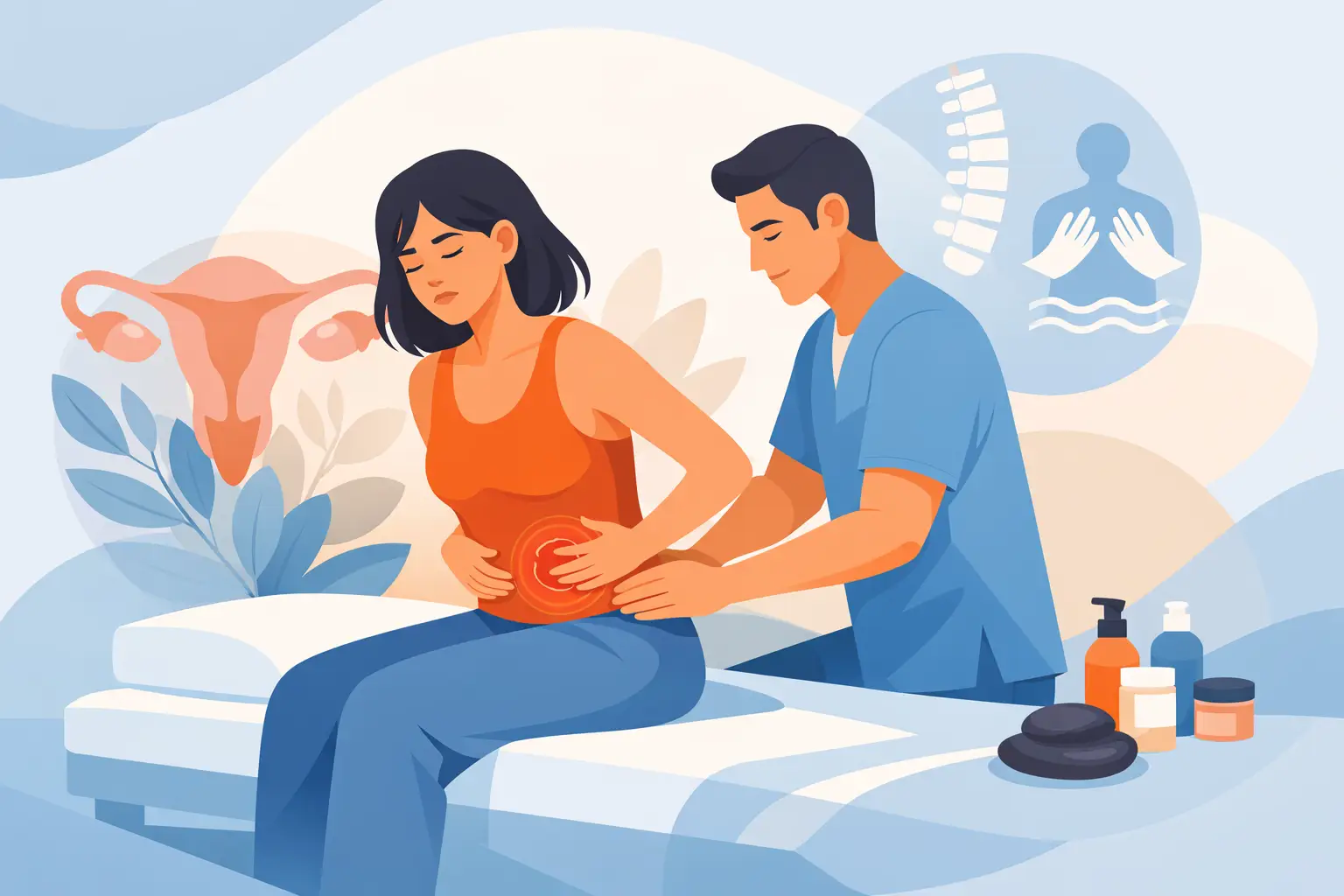
For many people, menstrual cramps are more than a monthly inconvenience. They can mean missed work, canceled plans, disrupted sleep, and the familiar calculation of whether medication will be enough to get through the day. So, can osteopathy ease menstrual cramps? For some patients, individualized hands-on treatment can reduce the muscular tension, restricted movement, and stress patterns that may amplify pelvic pain. It is not a replacement for gynecological assessment, but it can be a thoughtful part of a broader care plan.
Can Osteopathy Ease Menstrual Cramps?
Menstrual cramps, medically called dysmenorrhea, occur when the uterus contracts to shed its lining. Chemicals called prostaglandins help drive these contractions. Higher prostaglandin activity is often associated with stronger cramps, nausea, diarrhea, headaches, and fatigue.
Osteopathy does not stop this normal uterine process, and it does not claim to cure every cause of period pain. Its role is different. A skilled osteopath assesses how the pelvis, lower back, hips, abdomen, diaphragm, and nervous system are functioning together. When these areas are irritated, guarded, or not moving well, they may contribute to the intensity of pain or make it harder for the body to settle during menstruation.
Treatment may help ease associated tension and improve comfort, particularly when cramps occur alongside low back pain, sacroiliac discomfort, hip tightness, constipation, bloating, headaches, or a sense of stress-related body tension. The response varies. Some patients notice a meaningful reduction in pain or a shorter recovery period over several cycles, while others find that osteopathy mainly helps the back, pelvic, or stress symptoms around their period.
Research into manual therapy for menstrual pain is still developing. There are encouraging clinical findings for approaches that address pelvic and musculoskeletal function, but the evidence is not strong enough to promise a specific outcome for every patient. This is why care should be personalized, measured by your own symptoms and function, and coordinated with medical advice when needed.
Why Cramps Can Feel Worse Than a Uterine Problem
The pelvis is not an isolated structure. It is connected to the lumbar spine, hip joints, pelvic floor, abdominal wall, diaphragm, and the nerves that influence sensation and muscle tone. A demanding desk job, long commutes, intensive training, previous injury, pregnancy, abdominal surgery, or prolonged stress can all affect how these structures work together.
For example, persistent hip flexor or abdominal tension may increase pulling through the front of the pelvis. Limited movement in the lower back or sacroiliac joints can make referred pain more noticeable. A guarded pelvic floor may contribute to a feeling of deep pelvic tightness. None of these factors necessarily causes menstrual cramps, but they can add another layer to an already sensitive system.
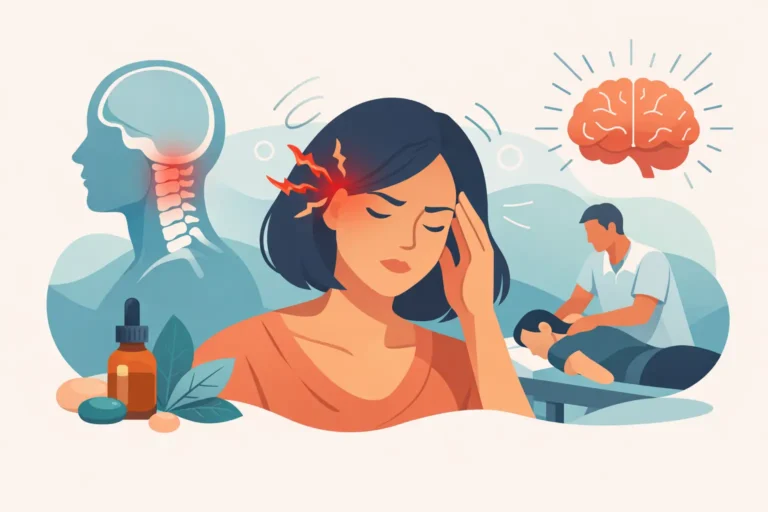
Stress also matters, without suggesting that pain is “all in your head.” When the nervous system is under sustained pressure, muscles tend to tighten, sleep may suffer, and the threshold for pain can become lower. Many international professionals in Tokyo carry a demanding combination of work pressure, travel, family responsibilities, and limited recovery time. A calm, hands-on session may help the body move out of that protective state while addressing specific physical restrictions.
What Osteopathic Treatment May Include
An appointment begins with a detailed conversation about your cycle, the location and pattern of your pain, medical history, medication use, activity level, and any symptoms that concern you. Assessment may include posture, breathing mechanics, spinal and pelvic mobility, hip movement, abdominal tension, and areas of tenderness. You remain in control throughout the session, and treatment should always be adapted to your comfort.
Depending on the findings, an osteopath may use gentle joint mobilization, soft-tissue work, myofascial techniques, cranial or biodynamic approaches, and work to improve the relationship between the diaphragm, abdomen, pelvis, and lower back. Treatment is not a standardized sequence. The right approach for an endurance athlete with hip restriction will differ from that for a postpartum parent with pelvic floor tension or an office worker whose cramps arrive with severe low back stiffness.
For menstrual discomfort, force is rarely the point. Precise, comfortable treatment is often more appropriate than aggressive manipulation. The objective is to improve mobility, decrease unnecessary muscle guarding, and support a calmer, more adaptable nervous system.
When Osteopathy May Be Most Helpful
Osteopathic care is often most useful when cramps are part of a wider pattern rather than a single isolated symptom. You may be a good candidate for assessment if your period pain is consistently accompanied by lower back or hip pain, pelvic heaviness, abdominal tightness, headaches, or discomfort that worsens after long periods of sitting or exercise.
It can also be valuable for people who want to reduce their reliance on pain medication where medically appropriate, or who are looking for a non-pharmaceutical complement to medication, heat, movement, sleep support, and gynecological care. The goal is not to ask you to endure severe symptoms without proper treatment. It is to give you another evidence-informed avenue for improving comfort and function.
Timing can make a difference. Some people prefer treatment between periods, when an osteopath can address underlying mobility and tension without working during peak pain. Others benefit from a gentle session shortly before menstruation, especially if they can identify a predictable build-up of low back, pelvic, or abdominal tension. Your schedule, symptoms, and response to care should guide the plan.
What You Can Expect After a Session
Many patients feel looser, calmer, or less compressed through the pelvis and lower back after treatment. Mild tenderness or temporary fatigue can occur, particularly if tissues have been sensitive or guarded for a long time. Your practitioner may suggest simple, manageable strategies such as gentle walking, heat, hydration, breathing work, or movement that supports your specific findings.
Meaningful change is best evaluated over more than one cycle. Keeping a brief note of pain intensity, medication use, energy, bowel symptoms, and the number of activities you miss can provide a clearer picture than relying on memory alone. It also helps your osteopath refine treatment rather than repeating the same approach automatically.
Severe Period Pain Needs Medical Assessment
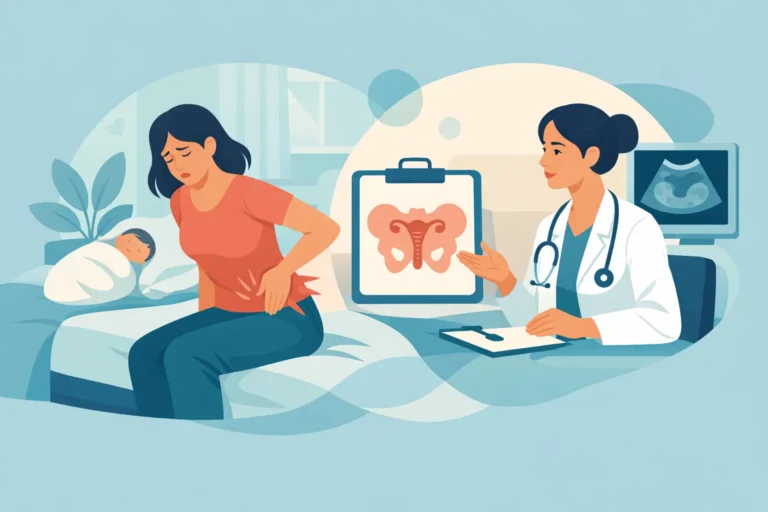
Do not assume that debilitating cramps are simply something to tolerate. Pain that suddenly becomes severe, changes noticeably, or prevents normal life deserves medical evaluation. Conditions such as endometriosis, adenomyosis, fibroids, ovarian cysts, pelvic inflammatory disease, and other gynecological concerns can cause or worsen pelvic pain. Osteopathy can sometimes support comfort alongside treatment for these conditions, but it cannot diagnose them or replace medical care.
Seek prompt medical advice for severe or escalating pelvic pain, fainting, fever, unusual bleeding, pain during sex, pain between periods, unexplained weight loss, possible pregnancy, or symptoms that begin for the first time later in adulthood. If cramps are regularly causing you to miss work, school, or daily activities, a gynecologist should be part of the conversation even if you also pursue manual therapy.
At Osteopath Tokyo, care is approached as a collaboration. A thorough osteopathic assessment can identify musculoskeletal and stress-related contributors to discomfort while respecting the need for medical investigation when symptoms suggest something more than primary menstrual cramps.
A More Comfortable Cycle Starts With Being Heard
Period pain is often minimized, which can leave people feeling they must either push through it or search endlessly for a single solution. A better approach is precise: understand the pattern, rule out conditions that need medical treatment, and address the physical factors that may be adding to your discomfort.
If your cramps come with persistent pelvic, hip, or low back tension, personalized osteopathic care may be worth considering as part of that plan. The most useful next step is a conversation that takes your symptoms seriously, protects your comfort, and gives your body the attention it has been asking for.