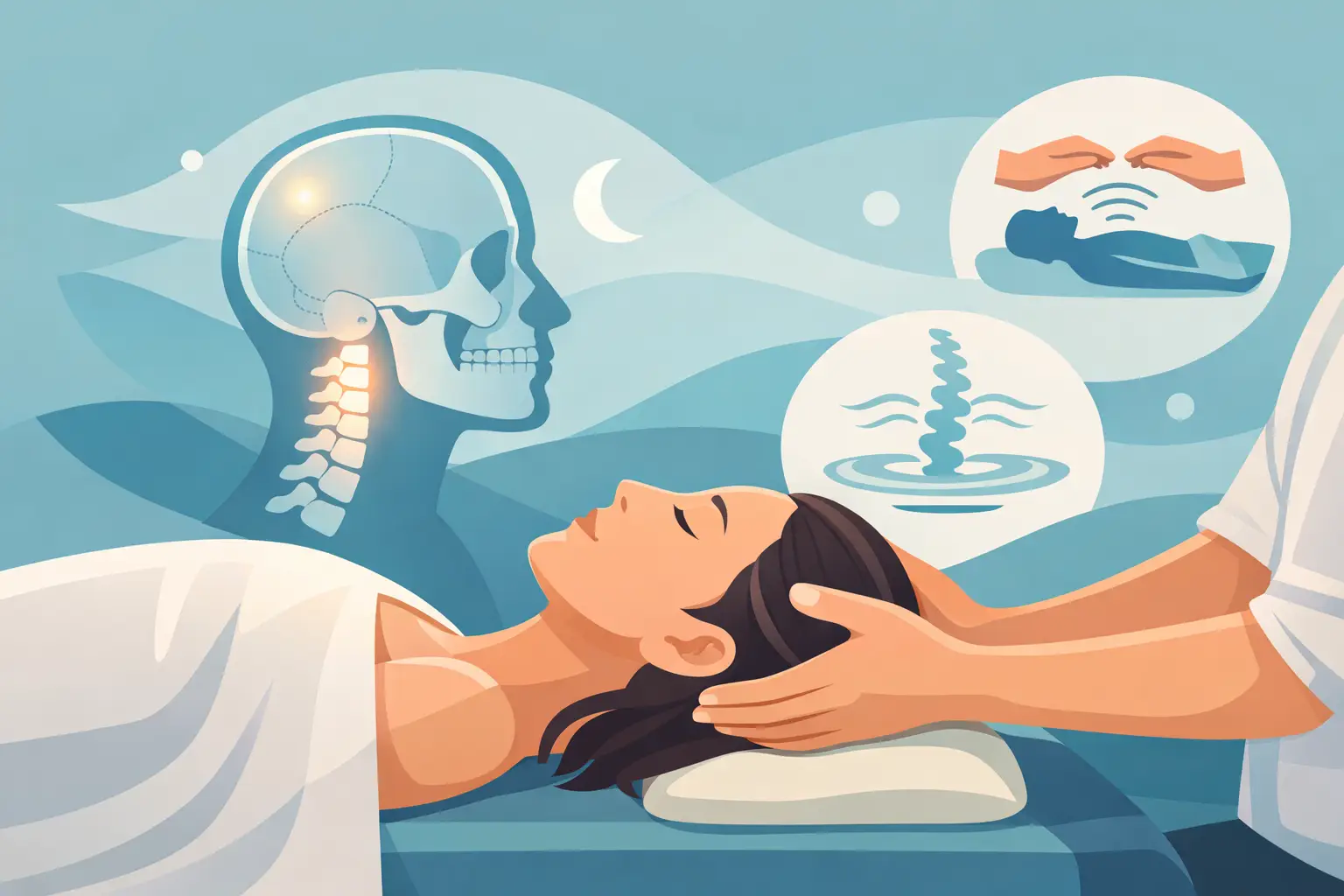
A Guide to Craniosacral Therapy and What to Expect
A headache that returns after long workdays, jaw tension that makes sleep less restorative, or a body that still feels “on guard” after an injury can be frustrating, especially when the painful area is not the whole story. This guide to craniosacral therapy explains the role of this gentle hands-on approach, what a session involves, and how it may fit within a thoughtful osteopathic treatment plan.
Craniosacral therapy is often chosen by people who want a quiet, non-forceful form of care. It can be particularly appealing when strong manipulation feels inappropriate or uncomfortable, such as during pregnancy, after a period of high stress, or when pain has made the nervous system more sensitive. Yet gentle does not mean generic. Care should begin with a careful assessment, clear communication, and an understanding of your health history and goals.
What Is Craniosacral Therapy?
Craniosacral therapy is a light-touch manual approach focused on the cranium, spine, sacrum, connective tissues, and the body’s capacity to regulate tension. Practitioners use their hands to assess subtle restrictions in movement and tissue quality, then apply gentle contact intended to support relaxation and mobility.
In osteopathic practice, craniosacral work is not simply a treatment for the head. The head, jaw, neck, rib cage, pelvis, and nervous system influence one another. A person with recurring headaches, for example, may also have restricted neck movement, jaw clenching, shallow breathing, or shoulder tension from prolonged desk work. The clinical question is not only where it hurts, but what may be maintaining the strain.
Some practitioners use the term biodynamic craniosacral therapy to describe an especially quiet, receptive style of treatment. The language and techniques vary, but the patient experience is generally similar: light contact, a calm environment, and an individualized pace.
What Does a Craniosacral Therapy Session Feel Like?
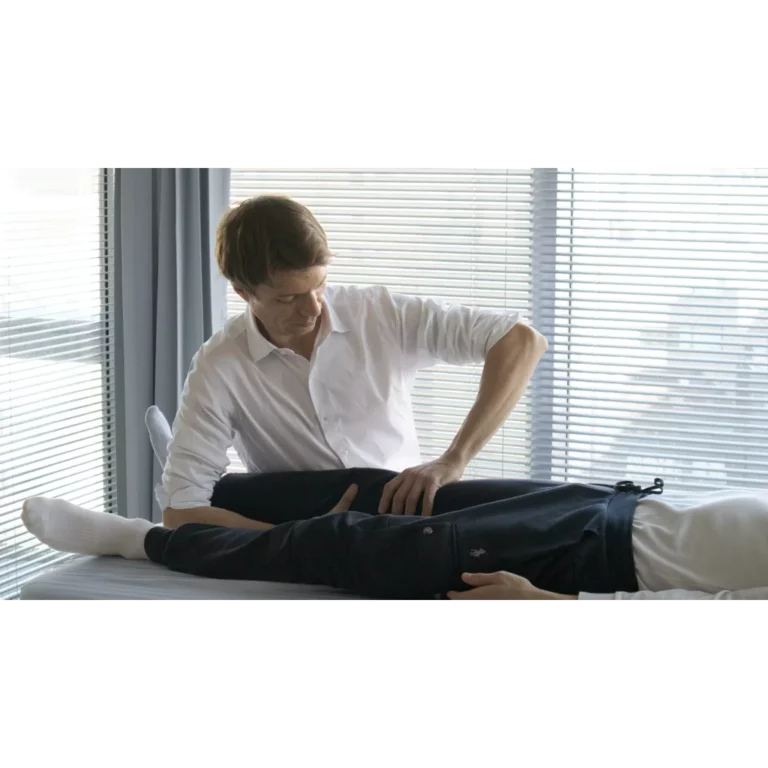
You remain fully clothed for craniosacral treatment. After discussing your symptoms, relevant medical history, daily demands, and any recent changes in your health, your practitioner may assess posture, movement, breathing, and areas of tenderness. Depending on your needs, treatment may take place lying on your back, side, or sitting comfortably.
The contact is usually very light. Hands may rest beneath the head, at the base of the skull, along the neck or spine, over the sacrum, or around the jaw and rib cage. You may notice warmth, softening, a sense of calm, or gradual changes in muscular holding. Others notice very little during the session but feel less tense or more mobile afterward.
There is no required sensation and no need to “perform” relaxation. If a position, touch, or technique does not feel comfortable, say so. A skilled practitioner will adjust the approach. Premium care is not about pushing through discomfort. It is about using the least force necessary while remaining attentive to how your body responds.
A session may also include other osteopathic methods when appropriate, such as soft-tissue work, gentle joint mobilization, breathing-based techniques, or practical advice for movement and recovery. The right combination depends on the person in front of the practitioner, not on a fixed protocol.
Who May Consider Craniosacral Therapy?
Craniosacral therapy may be considered as part of a broader care plan for people experiencing headaches, migraine-related tension, TMJ discomfort, neck pain, stress-related muscular tightness, poor sleep associated with physical discomfort, or persistent symptoms after strain or injury. It is also commonly sought during pregnancy and postpartum, when the body is adapting to significant physical and hormonal changes.
For active adults and athletes, the value may lie in addressing the less obvious effects of training and competition: restricted rib movement, a guarded neck after a fall, jaw clenching under pressure, or a nervous system that has not settled after repeated physical demands. For office professionals in Tokyo, it may support treatment for the familiar pattern of forward-head posture, shoulder tension, jaw discomfort, and fatigue that builds across long days.
For infants and children, craniosacral-style osteopathic care requires particular clinical judgment. Feeding difficulties, persistent crying, sleep disruption, head-shape concerns, or developmental questions should be evaluated carefully, with appropriate pediatric involvement when needed. Gentle hands-on care may be supportive in selected cases, but it should never delay medical assessment of a baby who is unwell.
What Does the Evidence Say?
People deserve an honest answer. Research on craniosacral therapy is limited, and study results are mixed. Some small studies suggest potential benefits for pain, relaxation, or quality of life in certain groups, but the overall evidence is not strong enough to present craniosacral therapy as a proven cure for complex medical conditions.
That does not mean a patient’s experience of relief is unimportant. Manual therapy can be valuable when it is used with clear goals, sensible expectations, and ongoing reassessment. For some people, gentle treatment helps reduce guarding, improves comfort, and makes it easier to return to movement, sleep, training, or daily activities. For others, a different approach may be more useful.
The most responsible use of craniosacral therapy is as one component of individualized care, rather than a substitute for diagnosis or necessary medical treatment. Your practitioner should explain what they are doing, why it may be relevant to your symptoms, and how progress will be evaluated.
When Medical Assessment Should Come First
New, severe, or unexplained symptoms need medical attention before manual therapy. Seek urgent assessment for a sudden and severe headache, weakness or numbness on one side of the body, trouble speaking, fainting, seizures, chest pain, significant shortness of breath, high fever with neck stiffness, or symptoms following a serious accident.
You should also speak with an appropriate physician before treatment if you have a known neurological condition, recent brain or spinal surgery, a bleeding disorder, a suspected fracture, cancer-related concerns, or symptoms that are rapidly worsening. A careful practitioner will refer when symptoms fall outside the scope of manual care.
This is not a limitation of quality care. It is part of it. The safest treatment plan sometimes begins with imaging, medication, specialist assessment, physical therapy, or a coordinated combination of services.
How to Choose a Practitioner
A gentle technique still requires substantial skill. Look for a licensed, properly trained practitioner who takes a complete history and performs an assessment before beginning treatment. They should welcome questions, explain their reasoning in plain language, and avoid promises that sound too certain.
It is also reasonable to ask how craniosacral work fits with the practitioner’s wider clinical approach. For many concerns, the best results come from combining hands-on treatment with appropriate movement, ergonomic changes, recovery strategies, and medical collaboration when indicated.
At Osteopath Tokyo, treatment is tailored to the individual rather than limited to a single technique. This matters for international residents and busy professionals who need clear English-language communication, a careful explanation of options, and care that respects both their symptoms and their schedule.
Preparing for Your First Appointment
Wear comfortable clothing and arrive ready to describe your symptoms clearly: when they began, what makes them better or worse, previous injuries, relevant diagnoses, medications, and the impact on work, exercise, sleep, or family life. If you have had scans, reports, or recent medical evaluations, bring the relevant information.
After treatment, some people feel deeply relaxed, while others notice mild temporary soreness or fatigue, particularly if long-standing tension has been addressed. Plan a quieter evening if possible, stay normally hydrated, and pay attention to changes in comfort and movement without overanalyzing every sensation. If you have a concerning reaction, contact your practitioner or physician promptly.
The purpose of craniosacral therapy is not to create a dramatic experience. It is to offer a careful, comfortable setting in which your body can be assessed and supported with appropriate hands-on care. When treatment is grounded in sound clinical judgment and your goals are kept at the center, even a gentle approach can be a meaningful step toward feeling more at ease in your body.