Is Osteopathy Effective for Pain and Mobility?
A stiff neck that returns every few weeks, back pain that flares after a long Tokyo commute, or a running injury that has not settled despite rest can make daily life feel smaller. It is reasonable to ask, is osteopathy effective – and, more specifically, effective for your symptoms, health history, and goals?
The honest answer is that osteopathy can be very helpful for many people, particularly when pain, restricted movement, muscle tension, or repetitive strain are affecting daily function. But it is not a one-size-fits-all solution or a replacement for medical evaluation when it is needed. Results depend on the nature of the problem, how long it has been present, your overall health, and the quality of the assessment and treatment plan.
Is Osteopathy Effective? What the Evidence and Experience Suggest
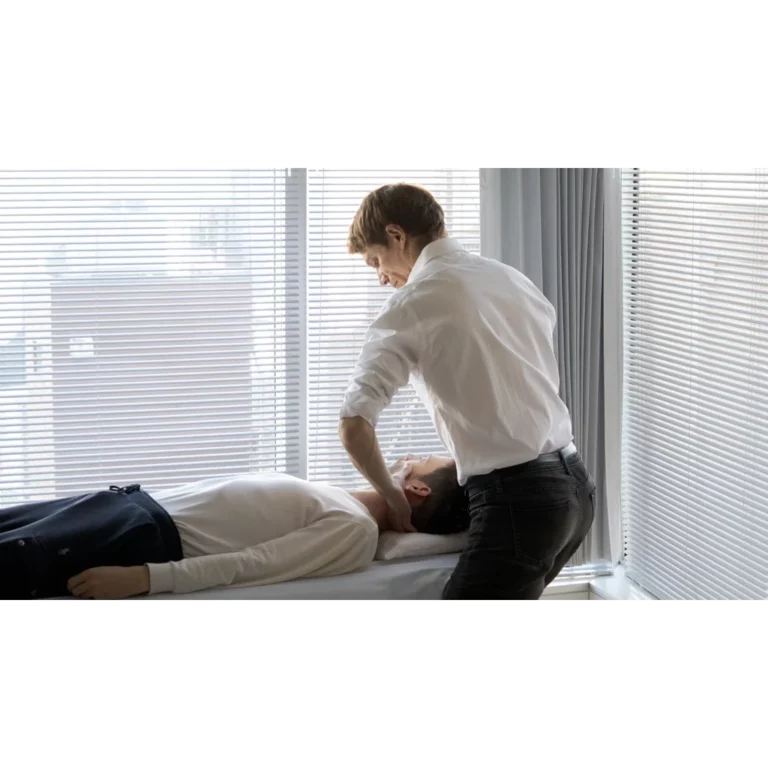
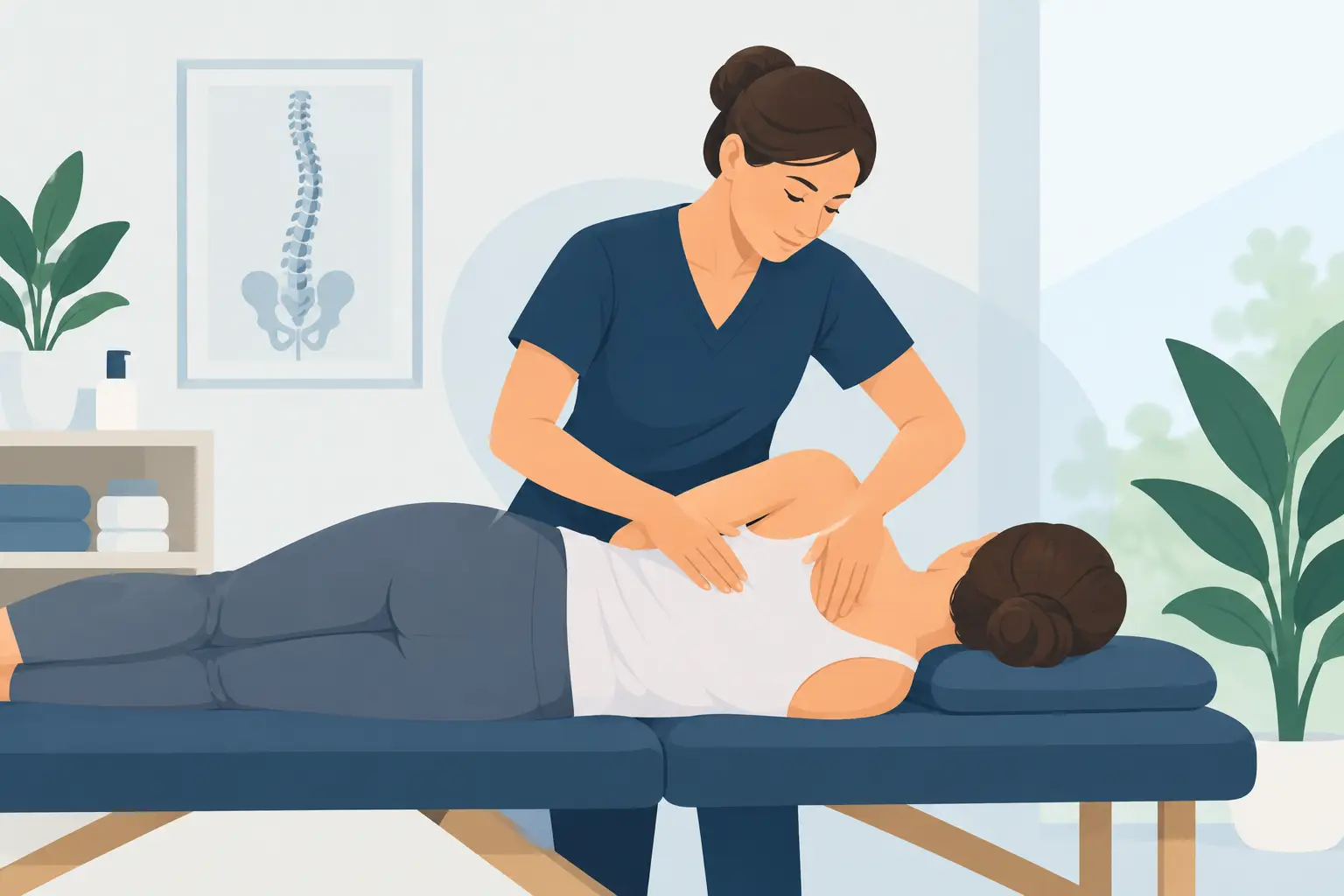
Osteopathy is a hands-on approach to care that looks at how the body’s joints, muscles, connective tissues, nervous system, and movement patterns influence one another. Rather than focusing only on the painful area, an osteopath assesses how the body is adapting as a whole.
For common musculoskeletal conditions, the research is most encouraging for short- to medium-term improvements in pain and function. Manual therapy, including techniques used in osteopathic care, may help people with nonspecific low back pain, neck pain, certain types of headache, and some joint or soft-tissue problems. It can also be useful alongside progressive exercise, activity modification, and medical care where appropriate.
That does not mean every technique works equally well for every condition. Research on manual therapies can be difficult to compare because treatment styles, session frequency, and patient needs vary. A skilled osteopath does not rely on a single technique or make promises that exceed what a person’s condition allows. The focus is on finding the factors that can be safely influenced and building a realistic path back to comfortable movement.
For many patients, effectiveness is not simply measured by whether pain disappears after one appointment. It may mean sleeping more comfortably, turning the head without hesitation, returning to training with confidence, or being able to pick up a child without provoking back pain.
Conditions That Often Respond Well to Osteopathic Care
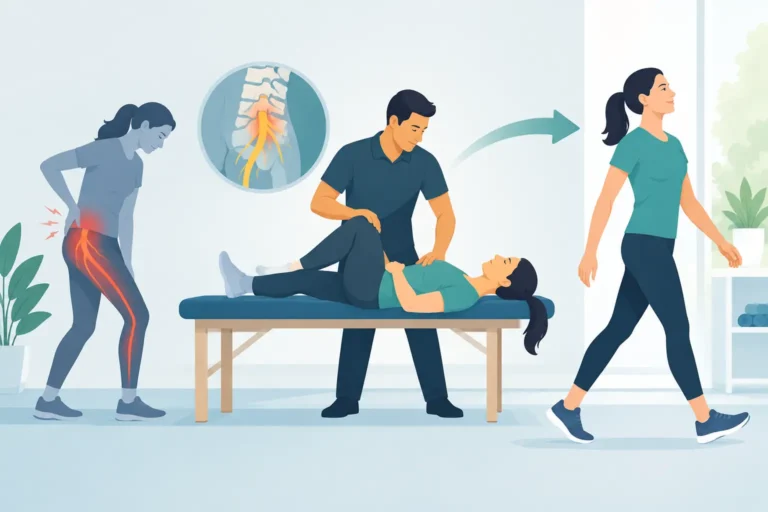
Osteopathic treatment is commonly sought for back and neck pain, sciatica-like symptoms, shoulder restrictions, hip discomfort, sports injuries, headaches, jaw tension, and work-related postural strain. These concerns often involve more than one structure. For example, persistent shoulder pain may be affected by the upper back, rib movement, neck mobility, training load, or the way the shoulder blade is controlled.
Treatment can also be valuable during pregnancy and after birth, when rapid changes in posture, ligament tension, breathing mechanics, and daily physical demands may contribute to pelvic, back, rib, or neck discomfort. Care should be adapted carefully to the stage of pregnancy, symptoms, and medical guidance. Gentle hands-on treatment may reduce discomfort and improve mobility, but it is not a substitute for prenatal or postpartum medical care.
Active adults and athletes often benefit when treatment is paired with a thoughtful return-to-activity plan. Hands-on care may ease protective muscle tension and improve movement, while progressive loading helps the body tolerate sport, strength training, or long walks again. Treating pain without addressing training errors, recovery, or movement capacity is rarely enough for a lasting result.
Headaches, TMJ Symptoms, and Stress-Related Tension
Some headaches are related to neck stiffness, jaw tension, upper-back restriction, or sustained desk posture. In these cases, osteopathic assessment may identify contributing mechanical factors and help reduce their impact. TMJ symptoms can similarly be influenced by jaw mechanics, neck tension, clenching, sleep quality, and stress.
However, not every headache or facial pain is musculoskeletal. New, severe, unusual, or rapidly worsening headaches need prompt medical assessment. The same applies to jaw pain with significant swelling, dental infection, or difficulty opening the mouth. Safe care starts with recognizing when hands-on treatment is appropriate and when another clinician should be involved.
Why a Whole-Body Assessment Matters
Pain is real, but its location does not always reveal its source. Someone may feel pain in the lower back because of reduced hip mobility, an old ankle injury, altered walking mechanics, or prolonged sitting. Another person may have recurring neck pain because their thoracic spine and ribs are not moving well, leaving the neck to work harder.
This is why an osteopathic consultation should begin with listening. Your practitioner needs to understand when symptoms began, what aggravates or relieves them, your work and activity demands, previous injuries, medical history, and what you want to return to doing. Assessment may include observing movement, testing joint mobility, examining tissue sensitivity, and considering strength, balance, breathing, and coordination.
At Osteopath Tokyo, treatment is individualized rather than delivered as a fixed sequence. Depending on your presentation, it may include gentle joint mobilization or adjustment, soft-tissue work, myofascial techniques, craniosacral or biodynamic approaches, and practical guidance for movement and recovery. The treatment should feel purposeful, explained clearly, and adapted to your comfort throughout the session.
What Results Can You Reasonably Expect?
Some people feel an immediate reduction in tension or greater freedom of movement after treatment. Others notice more gradual change over several sessions, especially when symptoms have been present for months or years. Temporary tenderness or fatigue can occur after manual treatment, particularly when tissues have been highly sensitive or movement has been limited, but this is usually mild and short-lived.
The number of sessions needed depends on the problem. A recent muscle strain may improve quickly with treatment and sensible load management. Persistent back pain, recurring migraines, postpartum discomfort, or a complex sports injury may require a more gradual plan with reassessment along the way.
A responsible practitioner will not suggest that you need endless appointments. Care should have a clear purpose: reduce symptoms, restore useful movement, improve your ability to manage the condition, and reassess progress. If you are not improving as expected, the plan should change. That may mean modifying treatment, adding rehabilitation, or recommending medical imaging, a physician, a dentist, or another specialist.
When Osteopathy Is Not the First Step
Osteopathy is not designed to treat every cause of pain. Seek urgent medical attention for symptoms such as chest pain, sudden weakness or numbness, loss of bowel or bladder control, unexplained fever, significant trauma, fainting, severe unrelenting pain, or a new neurological symptom. Persistent unexplained weight loss, pain that regularly wakes you at night, or symptoms that are progressively worsening also deserve medical evaluation.
For people with osteoporosis, inflammatory disease, cancer, recent surgery, vascular conditions, or certain neurologic conditions, hands-on treatment may still be possible but needs appropriate modification and coordination with medical care. Good osteopathic care is never about forcing the body. It is about choosing the safest, most useful approach for the person in front of you.
How to Get More From Treatment
The most effective care is collaborative. Share what you are feeling honestly, including concerns about pressure, positioning, or previous treatment experiences. Follow through on the few recommendations that matter most, whether that is a mobility exercise, changing your workstation setup, pacing your training, or taking short movement breaks during demanding workdays.
It also helps to define success before you begin. Instead of aiming only for “no pain,” consider a meaningful goal such as completing a flight without back stiffness, returning to tennis, working at a desk comfortably, or carrying your baby with less strain. Clear goals give treatment direction and make progress easier to recognize.
If pain or restricted movement has begun to limit the parts of life you value, a careful osteopathic assessment can provide useful clarity. The right plan should leave you feeling heard, physically safe, and more capable of moving forward.