Osteopathy vs Physiotherapy for Pregnancy
By the second or third trimester, a simple task such as turning in bed, walking to the station, or sitting through a work meeting can become unexpectedly uncomfortable. The question of osteopathy vs physiotherapy pregnancy care usually arises when back pain, pelvic pressure, rib discomfort, or sciatica begins to affect daily life. Both can be valuable options. The right choice depends on your symptoms, stage of pregnancy, medical history, and the kind of support you need.
Pregnancy care should never feel standardized. Your body is adapting quickly, and a thoughtful practitioner will work within your comfort, coordinate with your maternity provider when appropriate, and adjust treatment as your pregnancy progresses.
Osteopathy vs Physiotherapy in Pregnancy: The Main Difference
Osteopathy and physiotherapy both aim to reduce pain, improve movement, and help you function more comfortably. They differ mainly in how they assess the body and organize care.
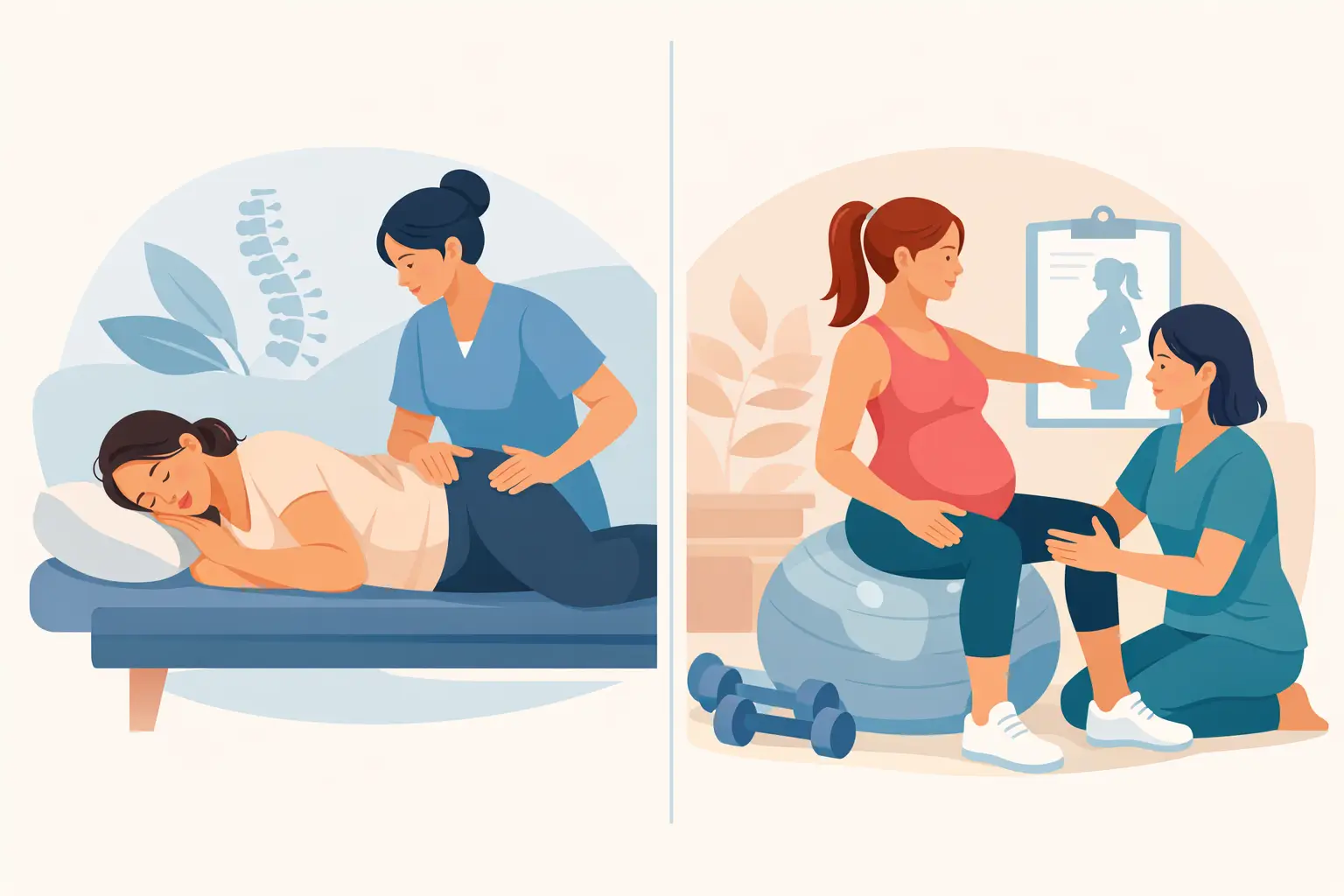
Physiotherapy commonly focuses on rehabilitation. A physiotherapist may assess strength, posture, movement patterns, balance, and joint function, then create an exercise program to address the problem. During pregnancy, this can be particularly helpful for building pelvic floor awareness, strengthening the hips and trunk, improving load tolerance, and preparing for the physical demands of birth and early motherhood.
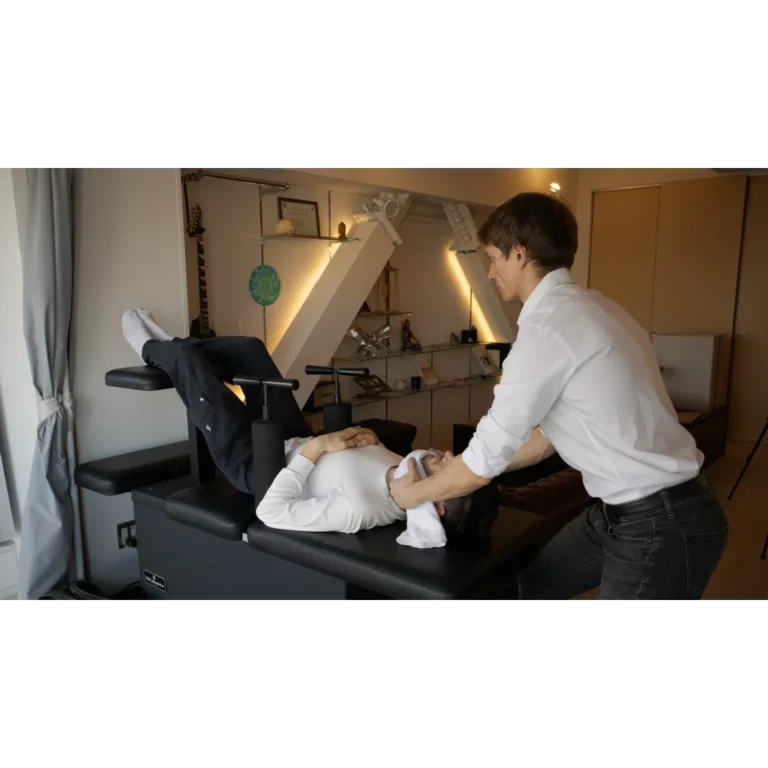
Osteopathy is a hands-on approach that considers how different areas of the body are adapting together. An osteopath may assess the pelvis, spine, hips, ribs, diaphragm, neck, soft tissues, and movement restrictions that may be contributing to discomfort. Treatment can include gentle joint mobilization, soft-tissue work, positional techniques, and cranial or biodynamic approaches, depending on the practitioner’s training and your needs.
Neither approach is automatically better. Physiotherapy is often especially useful when exercise progression, rehabilitation, or pelvic floor training is central to the plan. Osteopathy may be a good fit when pain feels connected to several areas of the body, movement is restricted, or you want individualized hands-on care alongside practical guidance for daily life.
What Pregnancy Discomforts Can Each Approach Help Address?
Many pregnancy-related symptoms are common, but common does not mean you simply have to endure them. Both osteopathy and physiotherapy may support people experiencing low back pain, pelvic girdle pain, hip discomfort, upper-back tension, neck pain, rib discomfort, and symptoms resembling sciatica.
As the abdomen grows, the center of gravity changes and the body must manage increasing load through the pelvis, hips, feet, and spine. Hormonal changes also affect connective tissues. This combination can make old injuries, asymmetrical movement habits, or long hours at a desk more noticeable.
A physiotherapy plan may focus on how to move with less strain: getting out of bed, climbing stairs, carrying bags, standing at work, or returning to activity safely. You may receive targeted exercises to support the glutes, deep abdominal muscles, and pelvic floor, with modifications as pregnancy advances.
Osteopathic treatment may focus more directly on areas that feel compressed, guarded, or restricted. For example, someone with lower-back pain may also have reduced hip mobility, rib stiffness affecting breathing, or tension around the pelvis that changes the way they walk. Gentle manual treatment can be used to improve comfort and mobility, while advice on positioning, sleep, and movement helps carry those benefits into everyday routines.
When Osteopathy May Be the Better Fit
Osteopathy can be particularly appealing if you are looking for a detailed, whole-body assessment and one-on-one manual care. This does not mean treatment has to be forceful. During pregnancy, techniques should be adapted to your comfort and stage of pregnancy. Many people prefer side-lying or supported seated positions, especially later in pregnancy.
You may consider osteopathic care if your discomfort is not limited to one area, such as pelvic pain accompanied by lower-back tightness, rib discomfort, headaches, or neck tension. It can also be helpful when you feel that your body has become less comfortable in movement but are unsure where the problem began.
A good osteopathic appointment should include a conversation about your pregnancy, prior pregnancies, current symptoms, medical history, activity level, and goals. The practitioner should explain what they are assessing, obtain consent before hands-on treatment, and adapt the session if any position or technique feels uncomfortable.
At Osteopath Tokyo, pregnancy sessions are tailored around these changing needs, with calm, attentive hands-on care designed to support comfort, mobility, and confidence in your body.
When Physiotherapy May Be the Better Fit
Physiotherapy may be the strongest starting point when you need a structured plan for strength, stability, or return to activity. This can be especially relevant for runners, active professionals, and those who want clear guidance on continuing exercise safely during pregnancy.
If pelvic floor symptoms are a major concern, such as leaking urine, heaviness, pain with intercourse, or difficulty relaxing the pelvic floor, a pelvic health physiotherapist may offer specialized assessment and treatment. Similarly, if you have a significant injury, surgery history, or a specific functional goal, progressive rehabilitation may be central to your care.
For many patients, the most effective answer is not choosing one discipline permanently. Hands-on osteopathic treatment and physiotherapy-led exercise can complement one another. The ideal sequence depends on what is limiting you. When pain and stiffness make movement difficult, manual treatment may help you move more comfortably. When strength and confidence need rebuilding, a progressive exercise plan becomes essential.
Safety Matters More Than the Label
Pregnancy is not an illness, but it does require clinical judgment. Before any manual therapy or exercise program, tell your practitioner about your obstetric history, medications, complications, and advice you have received from your doctor or midwife.
Seek prompt medical assessment rather than manual treatment alone if you have vaginal bleeding, fluid leakage, regular painful contractions before term, fever, severe abdominal pain, sudden swelling, severe headache, visual changes, chest pain, shortness of breath, fainting, or reduced fetal movement. New one-sided calf pain or swelling also requires urgent medical attention.
For typical musculoskeletal discomfort, qualified care can be adapted safely. Still, no practitioner should promise to “realign” the pelvis, induce labor, or resolve every symptom in one visit. Pregnancy pain is often influenced by tissue changes, sleep, stress, workload, previous injuries, and the normal demands of a growing baby. Thoughtful treatment aims to reduce unnecessary strain and help you function better, not make unrealistic promises.
How to Choose the Right Practitioner
Look beyond the professional title. Ask whether the practitioner regularly treats pregnant patients, how they modify care during each trimester, and whether they are comfortable communicating with your obstetrician or midwife if needed. You should feel heard, never rushed, and free to ask questions about what treatment involves.
For an international resident in Tokyo, clear communication is part of safe care. Discuss your symptoms in the language that allows you to be precise, especially if you are describing pain patterns, medical history, or concerns about pregnancy. An English-speaking practitioner who takes time to explain the plan can make a meaningful difference to your confidence.
Also consider what you need between appointments. If you want exercises, ask for them. If you are struggling with sleep positioning, commuting, or caring for another child, bring those details into the session. The best plan is practical enough to work in your real routine.
Pregnancy asks a great deal of your body, and discomfort should not be dismissed as something you must tolerate in silence. Choose care that feels safe, individualized, and respectful – then give yourself permission to seek support before pain begins to shape your days.