Osteopathy After C Section for Gentle Recovery
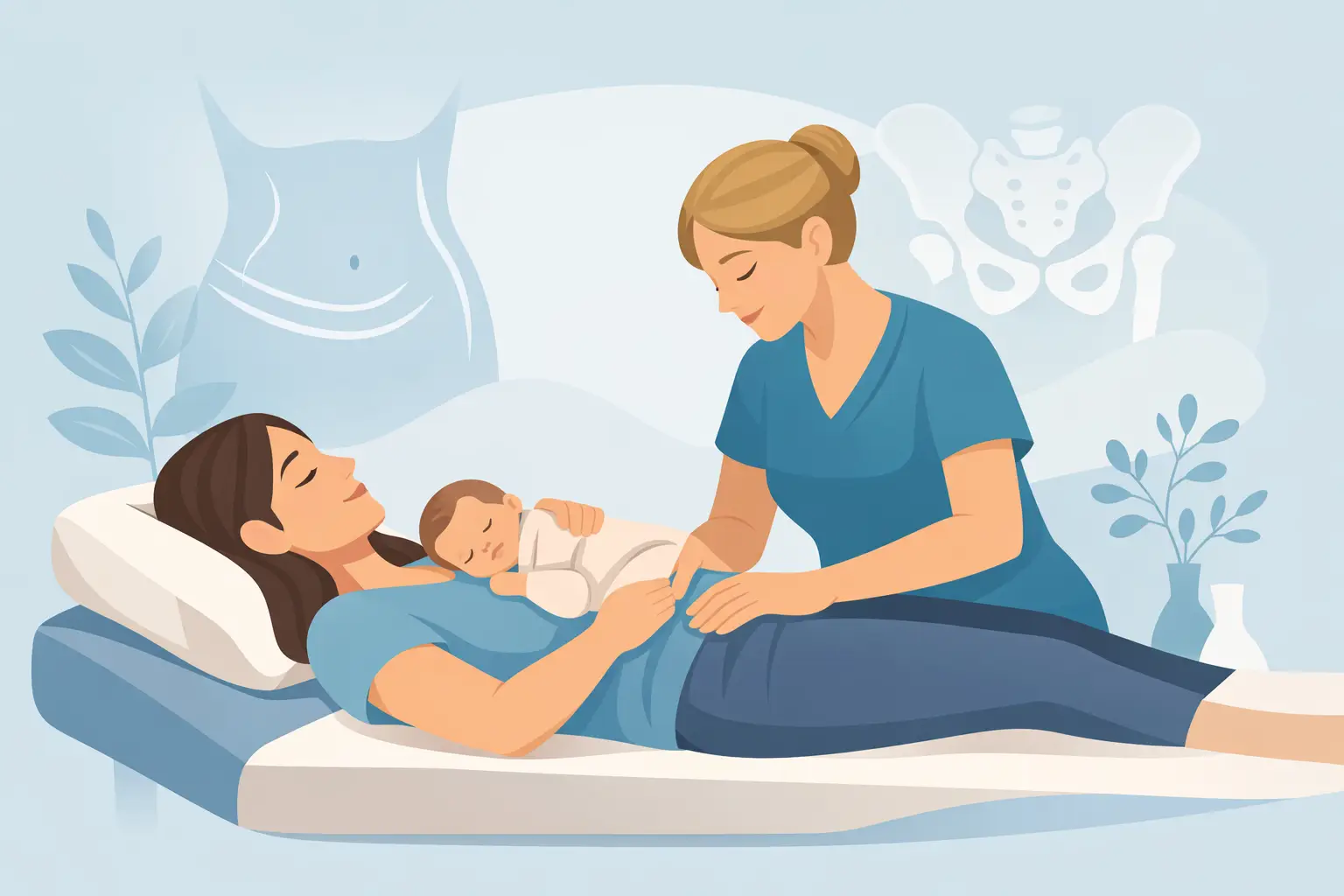
A cesarean birth is major abdominal surgery as well as the arrival of a baby. In the weeks afterward, many mothers are managing incision tenderness, restricted movement, feeding positions, interrupted sleep, and the practical demands of caring for a newborn. Osteopathy after C section offers careful, hands-on support for the physical changes of recovery, with treatment adapted to your stage of healing, symptoms, and medical guidance.
The aim is not to force the body back to normal quickly. It is to help you move, breathe, rest, and care for your baby with greater comfort while respecting the healing process. For postpartum mothers in Tokyo, especially those far from their usual support network, an individual consultation can also provide the time and clear explanation that recovery often deserves.
Why a C section can affect more than the incision
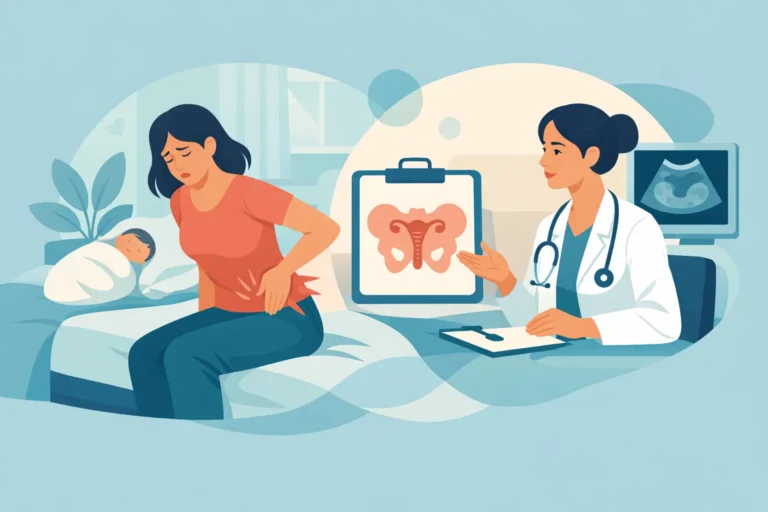
A C section involves several layers of tissue in the abdomen, including skin, connective tissue, muscle coverings, and the uterus. Healing is a normal and expected process, but scar tissue and protective muscle tension can sometimes leave the area feeling tight, numb, pulled, or sensitive. These sensations may be most noticeable when standing upright, getting out of bed, reaching, coughing, or carrying your baby.
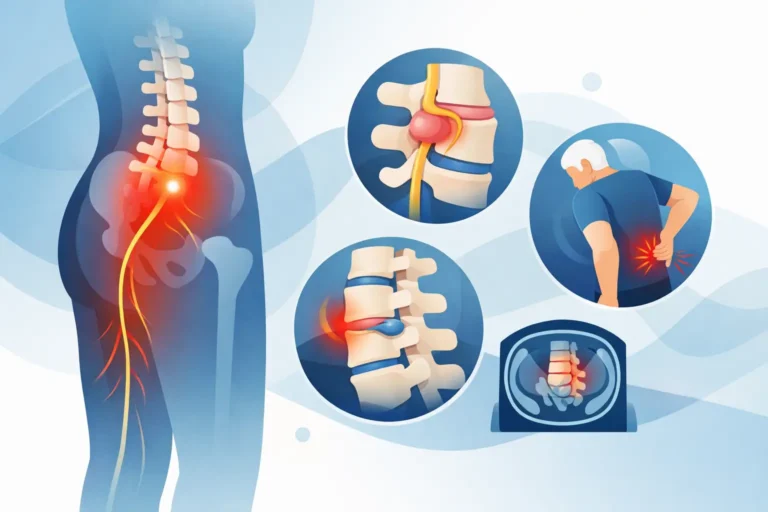
The effects are not always limited to the lower abdomen. During pregnancy, the rib cage, diaphragm, pelvis, lower back, and hips all adapt to the growing baby. Surgery, reduced movement in the early weeks, and the postures of feeding and lifting can add further strain. Some women notice low back pain, hip discomfort, pelvic tension, neck and shoulder pain, shallow breathing, or a sense that their posture has changed.
These symptoms do not necessarily mean that anything is wrong with the surgical repair. They can be part of the body’s protective response. Still, when discomfort persists or makes daily life harder, a thoughtful assessment can identify areas that may benefit from gentle support.
When can you start osteopathy after C section?
Timing depends on how you are healing and on the advice of your obstetrician or midwife. In the very early days after birth, rest, wound care, pain management, and medical follow-up take priority. Osteopathic care may be appropriate once you have been medically cleared and the incision is healing as expected, often after the routine postpartum check around six weeks.
That is not a rigid rule. Some women may be ready later, particularly after an emergency C section, complications, infection, significant pain, or a difficult postpartum period. Others may benefit from a gentle assessment earlier if their maternity provider agrees and treatment avoids the healing incision. Your care should never be based on a timetable alone.
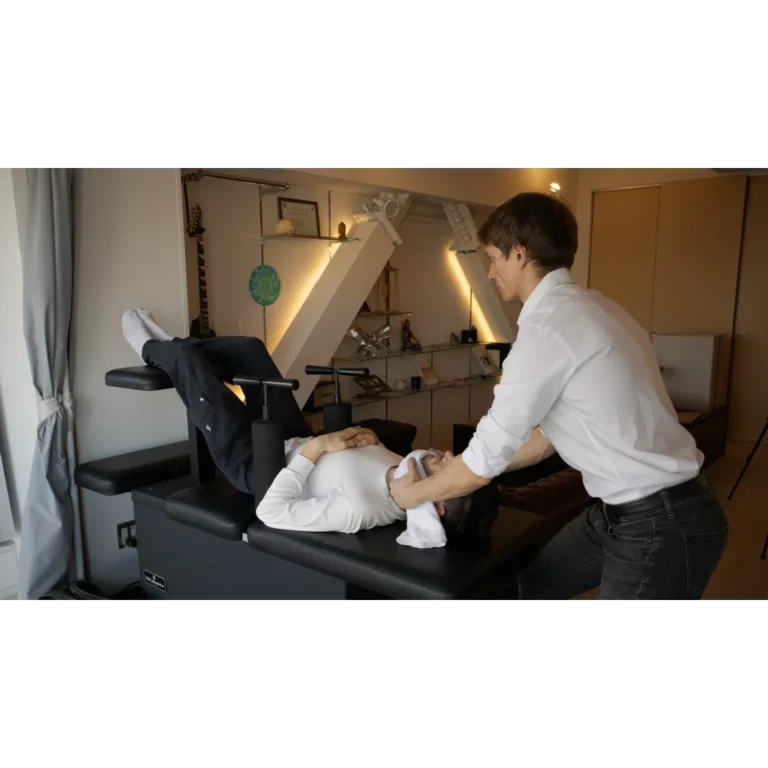
At Osteopath Tokyo, the first visit begins with a discussion of your birth, recovery, current symptoms, sleep, feeding positions, activity level, and medical history. Treatment is adjusted throughout the session. You remain fully in control, and any technique can be modified or stopped if it does not feel comfortable.
Scar work is gradual, not aggressive
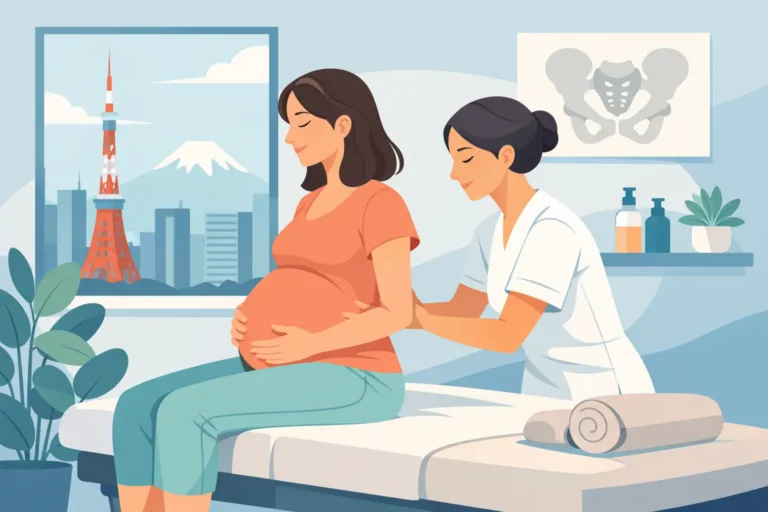
Scar-focused treatment is often what people expect from postpartum osteopathy, but it is only one part of care. In the first stages, direct work on the scar may be minimal or not appropriate at all. The practitioner may instead work gently with the surrounding abdomen, rib cage, diaphragm, pelvis, hips, and lower back to reduce guarding and encourage easier movement.
Once the scar is fully closed and stable, gentle scar mobility techniques may be introduced. These are not intended to break up scar tissue through force. The purpose is to help the skin and tissues around the scar move more freely, reduce sensitivity where possible, and support comfortable motion. Some numbness or altered sensation can take time to improve and may not resolve completely, particularly when small skin nerves have been affected by surgery.
What an osteopathic session may help with
Postpartum osteopathy is individualized rather than a standard protocol. A treatment plan may support comfort with walking, standing, turning in bed, and getting up from the floor. It may also address tension created by hours spent holding, feeding, or soothing a baby.
Common reasons mothers seek care include persistent lower back or pelvic discomfort, tightness around the C section scar, hip or sacroiliac pain, neck and shoulder strain, headaches related to posture and fatigue, and difficulty returning to comfortable movement. Some women also seek support before beginning a more active rehabilitation program or returning to exercise.
A skilled osteopathic assessment looks at how these areas relate. For example, a mother protecting a tender abdomen may round her upper body and avoid trunk rotation. That strategy can place extra work on the shoulders and lower back. Treatment may combine gentle joint and soft-tissue techniques, myofascial work, craniosacral or biodynamic approaches, and practical advice on positioning and movement.
Osteopathy is not a replacement for pelvic floor rehabilitation, medical follow-up, or mental health support. In many cases, it works best alongside them. If you have pelvic floor symptoms such as heaviness, leaking, pain, or a feeling of pressure, a pelvic health physical therapist can be an important part of your recovery team.
What to expect after treatment
Many mothers appreciate that treatment can be calm and unhurried, particularly after a birth experience that felt intense or unpredictable. You do not need to prove that you are coping well. A useful session starts with an honest picture of what is difficult right now.
After gentle treatment, some people feel looser, more upright, or more aware of how they are moving. Others feel pleasantly tired. It is sensible to keep the rest of the day light, drink water, and notice how your body responds over the next day or two. A short series of visits may be recommended when symptoms have developed over months, but the frequency should be based on progress and your practical needs, not on pressure to commit to a package.
Your practitioner may also suggest small changes that fit real postpartum life: placing pillows to support feeding, bringing the baby close before lifting, rolling to your side before getting out of bed, and taking brief walks within your comfort level. Simple adjustments can reduce repeated strain without adding another demanding task to your day.
When to seek medical care first
Osteopathic treatment should be postponed when there are signs of a medical concern requiring prompt assessment. Contact your maternity team or seek urgent medical care for fever, increasing redness or discharge from the incision, wound opening, worsening abdominal pain, heavy bleeding, chest pain, shortness of breath, calf pain or swelling, severe headache, fainting, or sudden changes in vision.
Emotional recovery deserves equal attention. Persistent sadness, anxiety, frightening thoughts, panic, or feeling unable to cope are reasons to speak with a doctor, midwife, or qualified mental health professional promptly. Hands-on care can feel supportive, but it is not treatment for postpartum depression or anxiety.
A recovery plan that respects your body
There is no prize for recovering quickly after a C section. Some mothers feel physically capable within a few weeks, while others need many months before the scar, core, sleep, and confidence in movement begin to feel more familiar. Previous surgeries, the circumstances of the birth, breastfeeding demands, support at home, and your overall health all influence the pace.
Osteopathy after C section can be a valuable part of that process when it is gentle, clinically informed, and coordinated with appropriate medical care. The most useful goal is often a simple one: helping your body feel less guarded so you can move through the everyday moments of early motherhood with more ease and confidence.