Jaw Pain Treatment Options That Fit the Cause
A jaw that clicks, locks, aches while chewing, or feels tight by the end of a stressful workday can make ordinary activities surprisingly difficult. The most effective jaw pain treatment options depend on what is irritating the joint, muscles, teeth, or surrounding tissues. For many people, relief comes from a thoughtful combination of reducing overload, restoring comfortable movement, and addressing the factors that keep the problem returning.
The jaw is not an isolated hinge. It is part of a connected system involving the temporomandibular joints, chewing muscles, teeth, neck, shoulders, and nervous system. That is why a treatment that helps one person may be incomplete for another. A careful assessment should look beyond the painful spot itself.
First, understand what may be causing the pain
Temporomandibular disorder, often called TMD or TMJ dysfunction, is a common reason for jaw pain. It can involve irritated jaw joints, overworked chewing muscles, altered joint movement, or a combination of these. Typical symptoms include pain near the ear or temple, difficulty opening the mouth fully, clicking or popping, jaw fatigue, headaches, and pain when chewing.
Teeth grinding and clenching are frequent contributors, particularly during periods of stress, demanding work schedules, poor sleep, or intense exercise. Some people clench at night without realizing it. Others hold tension in their jaw while concentrating, commuting, or working at a screen.
Dental issues also need consideration. A cracked tooth, infection, gum inflammation, or a poorly fitting restoration can produce pain that feels like a joint or muscle problem. Sinus pressure, ear conditions, nerve pain, arthritis, injury, and neck dysfunction can also refer discomfort into the jaw. This overlap is one reason a personalized evaluation is more useful than simply treating every jaw symptom as TMJ.
Jaw pain treatment options for short-term relief
When pain is mild and there are no warning signs, a few simple changes can settle an irritated jaw. For several days, choose softer foods and avoid forcing the mouth open widely for large bites, gum chewing, hard crusts, and chewy foods. This is not a permanent diet. It is a short period of reducing load while sensitive tissues calm down.
Warmth can be useful when the jaw feels tense or muscular. A warm compress applied over the cheek for 10 to 15 minutes may reduce guarding and make gentle movement more comfortable. If pain began after a recent knock, strain, or visible swelling, a cool compress may be more appropriate initially. Some people respond better to warmth, others to cold, so comfort is a reasonable guide.
Gentle jaw rest can help, but complete immobility is rarely the goal. Keep the tongue lightly on the roof of the mouth just behind the front teeth, allow the teeth to remain slightly apart, and breathe slowly through the nose when possible. This relaxed resting position can interrupt habitual clenching throughout the day.
Over-the-counter pain medication may be appropriate for some adults, but it is not suitable for everyone. Check with a pharmacist, dentist, or physician if you have medical conditions, are pregnant, take regular medication, or are unsure about safe use. Medication can reduce symptoms, but it does not necessarily address why the jaw became overloaded.
Professional care: choosing the right approach
Dental assessment and a night guard
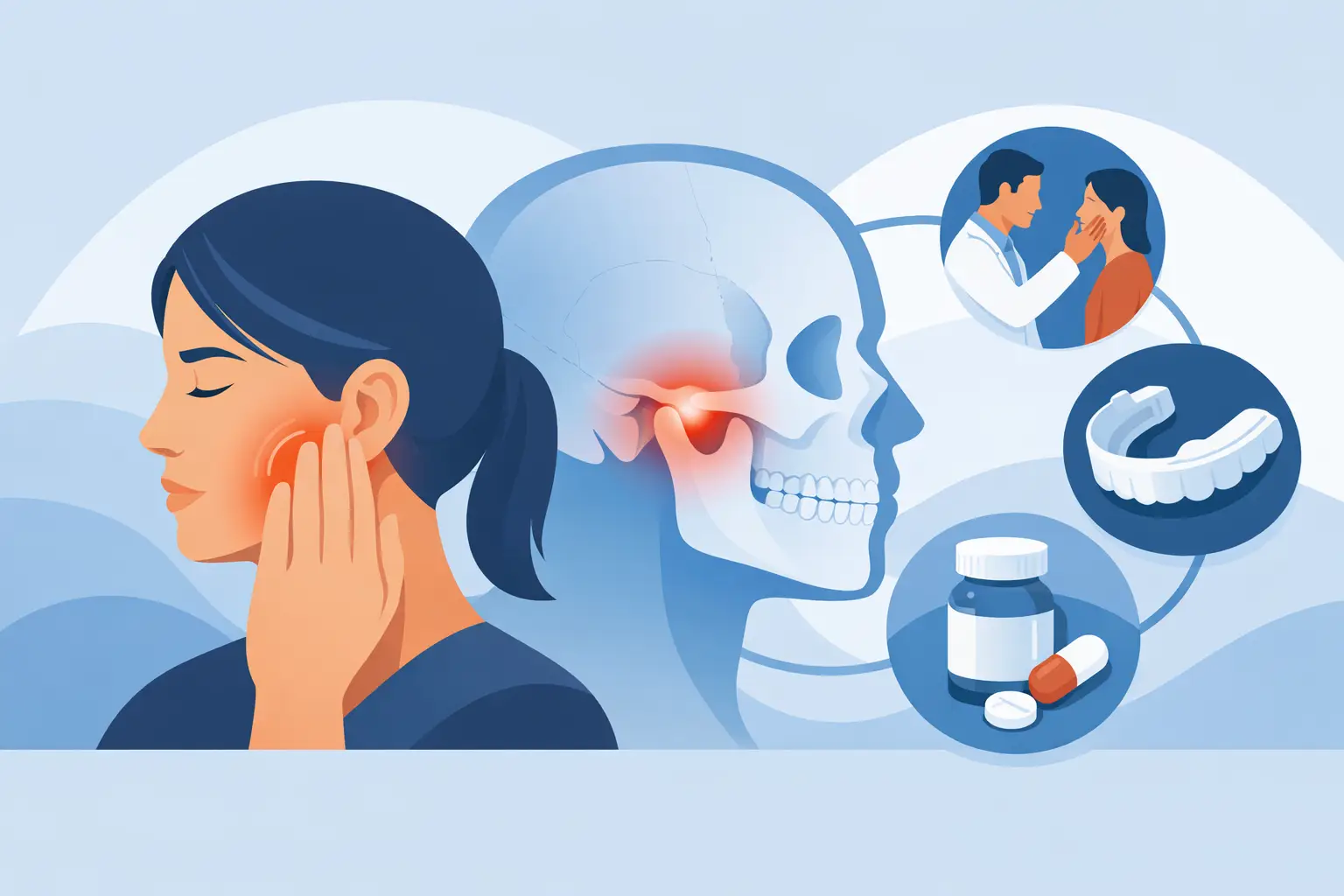
If tooth sensitivity, localized tooth pain, gum swelling, a change in your bite, or suspected nighttime grinding is present, a dental assessment is a sensible first step. Dentists can rule out dental disease and may recommend a custom occlusal splint, often called a night guard.
A well-designed guard can protect teeth and reduce some of the effects of grinding. It is not a cure for every type of jaw pain, however. If neck tension, joint restriction, stress, or daytime clenching is still driving the problem, additional care may be needed. Avoid relying on an ill-fitting over-the-counter device if symptoms worsen or your bite feels different.
Physical therapy and targeted exercises
Physical therapy can be valuable when jaw pain is linked to restricted movement, muscular overload, posture, or an injury. Treatment may include guided jaw exercises, work on the neck and upper back, education about pacing, and gradual return to normal chewing.
Exercises should be specific to the presentation. For example, forcing stretches in a jaw that is inflamed or unstable can aggravate symptoms, while a jaw that is guarded and restricted may benefit from gentle mobility work. The right dose matters as much as the exercise itself.
Osteopathic manual treatment
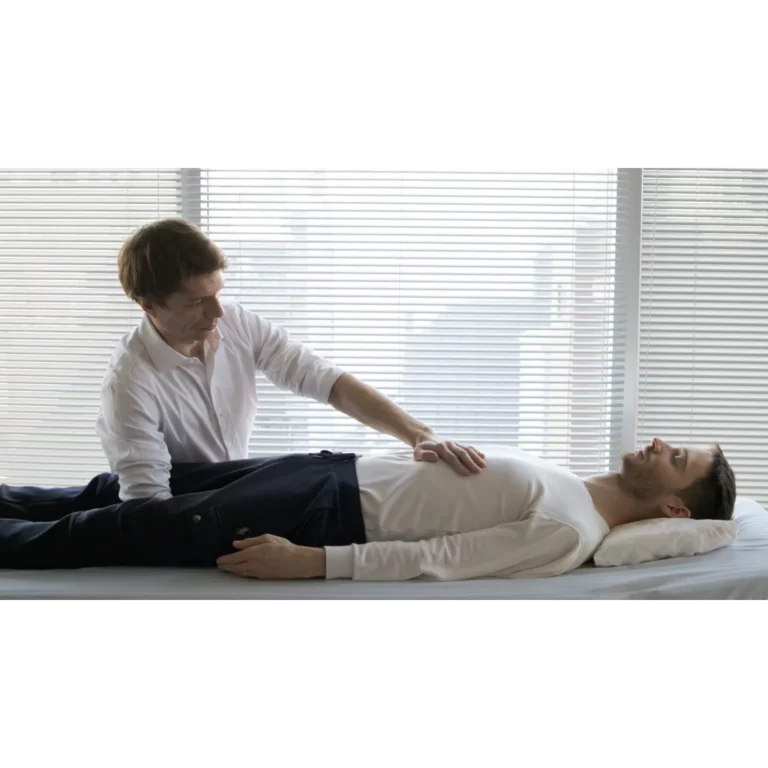
For jaw pain that coexists with headaches, neck stiffness, shoulder tension, stress-related muscle tightness, or a sense that the jaw never fully relaxes, an osteopathic approach can offer a broader assessment. Hands-on treatment may include gentle work to the jaw muscles and joints, neck, upper back, rib cage, and cranial tissues, alongside practical advice for daily movement and recovery.
The goal is not to force the jaw into position. It is to improve mobility where it is restricted, reduce unnecessary muscular tension, and support the body’s ability to move comfortably. At Osteopath Tokyo, care is tailored to the individual, including people whose symptoms have developed gradually through desk work, travel, training, pregnancy-related changes, or prolonged stress.
Stress and sleep support
Stress does not mean jaw pain is imaginary. It can raise muscle activity, worsen clenching, disturb sleep, and lower the threshold at which the nervous system perceives pain. Addressing this part of the picture may involve sleep habits, breathing practice, pacing demanding workouts, counseling, or other stress-management support.
For some patients, the most meaningful improvement comes when manual care and dental management are paired with changes in daytime clenching habits. A simple phone reminder to relax the jaw several times a day can be more helpful than trying to maintain perfect posture all day.
When more specialized treatment is needed
Persistent or complex jaw symptoms sometimes require care from an oral and maxillofacial specialist, physician, neurologist, or pain specialist. Imaging may be considered after significant trauma, when the joint repeatedly locks, when there is concern about arthritis or structural change, or when symptoms do not respond as expected to conservative care.
Injections, prescription medication, and surgical procedures are options in selected situations, but they are usually not the first step for routine TMD. Their potential benefits need to be weighed against risks, cost, and whether a reversible, conservative approach has been given a fair trial. A good care plan is not defined by how aggressive it is. It is defined by whether it matches the diagnosis and your goals.
Red flags: when jaw pain needs prompt evaluation
Seek prompt dental or medical advice if jaw pain is accompanied by fever, facial swelling, pus or a bad taste in the mouth, trouble swallowing, difficulty breathing, or severe tooth pain. These can indicate an infection that needs urgent treatment.
Also arrange urgent evaluation after a significant facial injury, if the jaw is locked open or closed, if you cannot eat or drink adequately, or if numbness or unexplained weakness develops. Chest pressure, shortness of breath, sweating, nausea, or pain spreading to the jaw, arm, back, or neck can be signs of a cardiac emergency, especially if symptoms are new or severe. Call emergency services rather than trying to manage these symptoms at home.
What a personalized plan should include
A useful plan begins with listening carefully to when the pain started, what triggers it, whether there is clicking or locking, and how it affects eating, speaking, sleep, work, and exercise. Assessment should include the jaw but also the neck, posture, breathing patterns, and areas that may be transferring strain upward.
From there, treatment can be adjusted over time. Someone with a recent muscle flare may need short-term load reduction and gentle hands-on care. Someone with long-standing headaches and clenching may benefit from a slower program that includes neck treatment, movement advice, dental collaboration, and stress support. Progress is often gradual, but the aim is practical: less pain, easier chewing, more comfortable movement, and greater confidence that your jaw can handle daily life again.
Jaw pain deserves attention before it begins to shape what you eat, how you sleep, or how freely you speak and socialize. The right next step is a calm, thorough assessment that respects both your symptoms and the wider factors behind them.