
Expat Pain Treatment Tokyo for Lasting Relief
A stiff neck after long hours at a Tokyo desk, lower back pain that makes the commute difficult, or a running injury that will not settle can feel more isolating when you are living abroad. Finding expat pain treatment Tokyo residents can understand and trust is not only about finding an English-speaking practitioner. It is about receiving careful assessment, clear explanations, and hands-on care that respects how pain affects your work, family, training, and daily routine.
For many international residents, pain is rarely a single, simple problem. A shoulder may hurt after a gym session, but restricted upper-back movement, desk posture, stress, or an old injury may be contributing. Osteopathic treatment takes this wider picture seriously, helping identify the physical patterns that may be keeping symptoms in place.
What expat pain treatment in Tokyo should feel like
When you are unfamiliar with a healthcare system, uncertainty can add to the strain of being in pain. You may wonder whether you will be understood, whether treatment will be rushed, or whether you will be given clear guidance after the appointment. For musculoskeletal concerns, communication and clinical judgment matter as much as the technique itself.
A high-quality osteopathic consultation begins with listening. Your practitioner should ask about the location and nature of your symptoms, when they began, what aggravates or relieves them, your medical history, work demands, exercise habits, sleep, and previous injuries. This conversation helps distinguish a recent strain from a long-standing pattern and identifies when further medical evaluation may be appropriate.
The physical assessment is equally individualized. Rather than focusing only on the painful area, an osteopath may assess joint mobility, muscle tension, posture, breathing mechanics, and how different regions of the body move together. A painful knee, for example, may also involve the ankle, hip, or lower back. The goal is not to promise a one-visit fix. It is to understand what is limiting comfortable, efficient movement and create a treatment plan that fits your needs.
Common reasons expatriates seek hands-on care
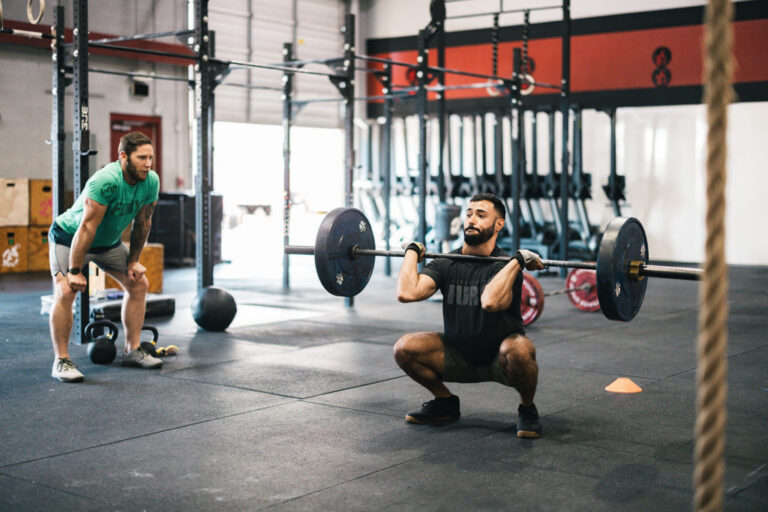
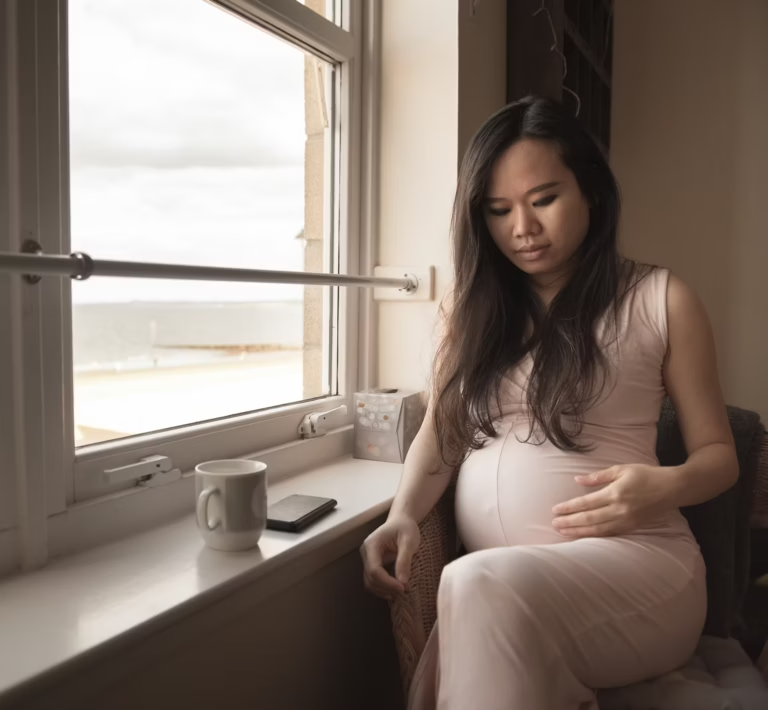
Tokyo is an active city, but its pace can be demanding. International professionals often spend long hours sitting, traveling, and working across time zones. Parents may be managing the physical demands of pregnancy, carrying a baby, or recovering after birth without their usual support network. Athletes and recreational runners may be training on top of a busy work schedule.
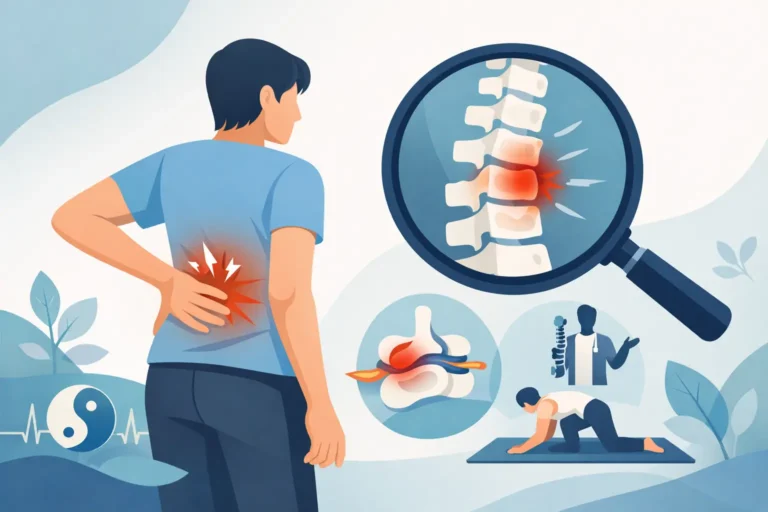
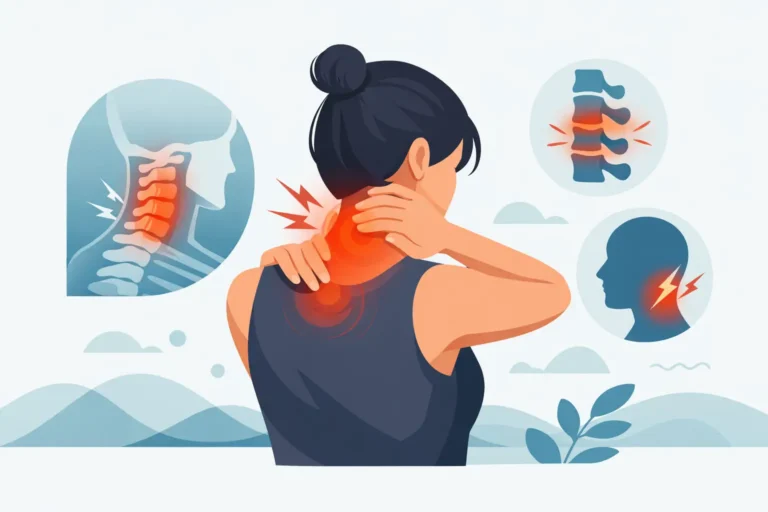
Osteopathic care is often sought for back and neck pain, sciatica-like symptoms, shoulder tension, headaches, jaw discomfort, sports injuries, and recurring mobility restrictions. It can also support pregnancy-related pelvic or back discomfort and postpartum strain. Treatment may be useful when symptoms are recent, but it can also help people who have been tolerating recurring pain for months because it has gradually become part of daily life.
Pain does not always reflect the severity of tissue damage, and persistent discomfort can have several influences. Stress, reduced sleep, repetitive positions, and fear of movement can all change how the body feels and functions. This does not mean pain is “all in your head.” It means effective care should consider the full context rather than treating one muscle in isolation.
How osteopathic treatment approaches pain
Osteopathy is a hands-on approach that aims to improve mobility, reduce unnecessary tissue tension, and support the body’s capacity to recover. Depending on your presentation and comfort level, treatment may include gentle joint mobilization, soft-tissue techniques, stretching, structural adjustments, craniosacral work, or biodynamic techniques.
The technique is selected for the person, not the other way around. Some patients respond well to more direct manual work; others need a gentler approach because of acute pain, sensitivity, pregnancy, age, or personal preference. You should always understand what is being proposed and be comfortable giving consent before treatment begins.
A skilled practitioner also knows when manual therapy is only one part of the answer. Advice on activity modification, desk ergonomics, movement, recovery, and pacing may help protect the progress made during treatment. Sometimes the best recommendation is to coordinate with a physician, dentist, physical therapist, imaging provider, or another specialist. Responsible pain care does not try to manage every problem alone.
Relief matters, but so does function
Many people book because they want immediate relief, and reducing pain is a valid goal. Yet lasting progress is often measured by function: turning your head comfortably while cycling, lifting your child without guarding, sleeping more easily, returning to the gym, or sitting through a meeting without increasing symptoms.
The number of appointments needed varies. A straightforward recent strain may improve quickly, while chronic or recurrent symptoms can require a phased plan. Your recovery may also depend on workload, training volume, stress levels, and whether there are underlying medical factors. Clear expectations are more valuable than exaggerated promises.
Choosing an English-speaking osteopath in Tokyo
Language accessibility is particularly valuable when symptoms are complex or when you are deciding whether a treatment approach feels right. Being able to describe the exact quality of your pain, ask questions, and understand your care plan in English can make appointments more productive and reassuring. For some patients, French or Japanese communication may be equally helpful.
When comparing options for expat pain treatment in Tokyo, look beyond convenience alone. Consider the practitioner’s training and experience, whether the appointment includes a thorough assessment, how clearly they explain their clinical reasoning, and whether they adapt treatment to your comfort. A premium private appointment should feel unhurried and personal, not standardized.
At Osteopath Tokyo, David Brisson provides one-on-one care informed by French osteopathic training and more than a decade of practice in Tokyo. His work with active adults, families, pregnant and postpartum patients, and elite athletes reflects a practical principle: the same diagnosis does not always require the same treatment. Your body, goals, history, and tolerance for treatment guide the plan.
What to expect at your first appointment
Come prepared to discuss your symptoms in practical terms. Describe where pain begins, whether it travels, what movements affect it, and how it changes across the day. Mention prior accidents, surgeries, medical diagnoses, medications, pregnancy, recent illness, and any treatments you have already tried. These details can materially change the assessment.
Wear comfortable clothing that allows movement. During the appointment, your osteopath may ask you to stand, walk, bend, rotate, or perform simple movements so they can observe how your body is functioning. Hands-on assessment and treatment are then tailored to the findings. You may feel temporary tenderness after manual work, particularly if tissues have been sensitive or restricted, but you should receive guidance on what is expected and what to do next.
Do not wait for a manual therapy appointment if you have severe or unexplained symptoms such as chest pain, sudden weakness, loss of bladder or bowel control, numbness in the saddle area, a high fever, a significant trauma, or a rapidly worsening neurological symptom. These require urgent medical assessment. The same applies to pain accompanied by unexplained weight loss or other concerning systemic changes.
Making care work with life in Tokyo
The most useful treatment plan is one you can realistically follow. For a busy professional, that may mean short movement breaks between video calls, a few targeted exercises, and adjustments to a workstation. For a runner, it may mean temporarily changing training load while rebuilding mobility and strength. For a new parent, it may mean finding safer, more comfortable ways to feed, lift, and carry.
There is a trade-off between pushing through pain and withdrawing from all activity. Complete rest can be appropriate briefly after some injuries, but prolonged avoidance can also lead to stiffness, deconditioning, and more apprehension around movement. Your plan should be specific enough to protect an irritated area while keeping you engaged with the activities that support your health and confidence.
Living abroad should not mean settling for vague explanations or pain that quietly narrows your life. The right care begins with being heard, assessed thoughtfully, and treated as an individual. If discomfort is keeping you from working, moving, training, or resting as you want to, a focused osteopathic consultation can be a constructive next step toward feeling more at home in your body.