A Practical Guide to Stress-Related Body Pain
A tight neck before a major presentation, a headache after a week of poor sleep, or low back pain that flares during a demanding move are not coincidences. This guide to stress related body pain explains why emotional and physical pressure can show up so clearly in the body, what you can do at home, and when a personalized assessment may be the right next step.
Stress-related pain is real pain. It does not mean that symptoms are imagined or that there is “nothing wrong.” Stress can change muscle tone, breathing, sleep, digestion, movement habits, and sensitivity within the nervous system. Over time, these changes can make an old injury more noticeable, turn temporary stiffness into a recurring problem, or create discomfort without a single obvious accident.
How Stress Creates Body Pain
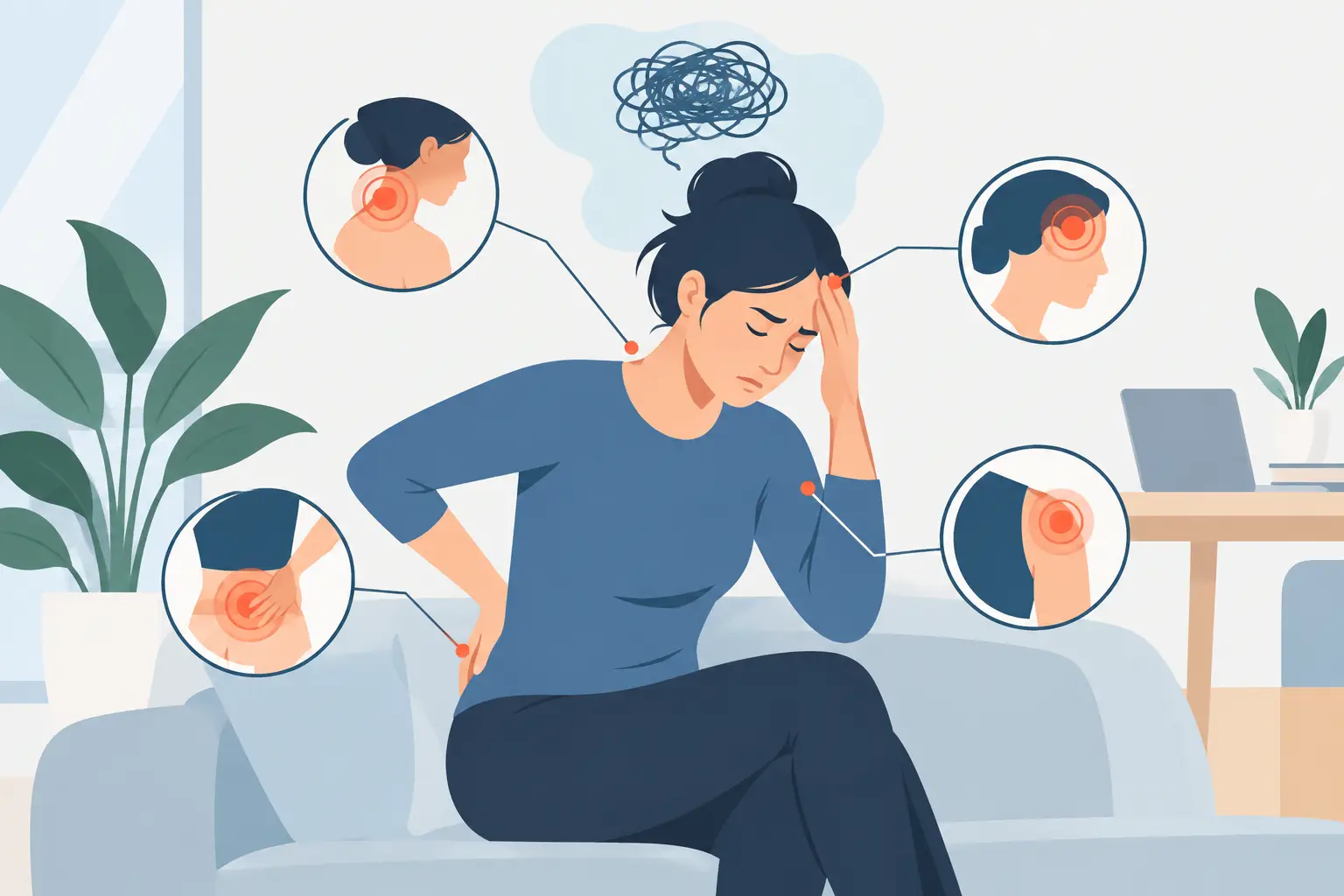
Your body is designed to respond to short-term demands. When you are under pressure, the nervous system prepares you to act. Heart rate may increase, breathing can become shallower, and muscles often tighten automatically, especially around the jaw, neck, shoulders, chest, abdomen, hips, and pelvic floor.
That response is useful when it lasts minutes. The difficulty begins when work deadlines, family responsibilities, travel, disrupted sleep, illness, or uncertainty keep the body in a more guarded state for days or weeks. Muscles may not fully release between tasks. You may sit longer, skip regular exercise, clench your teeth at night, or breathe mainly into the upper chest. Each factor adds load to tissues that are already working too hard.
Pain can then become self-reinforcing. Discomfort makes people move less freely or avoid an activity. Reduced movement may increase stiffness and worry, which can raise the body’s threat response further. A careful approach needs to address both sides: the physical restrictions contributing to pain and the stress patterns keeping the system on alert.
Common Patterns of Stress-Related Body Pain
Stress does not affect everyone in the same way. Location, intensity, and timing depend on prior injuries, work setup, exercise habits, sleep, pregnancy or postpartum changes, and individual sensitivity. Still, several patterns are common.
Neck, shoulder, and upper back tension
The shoulders often rise subtly during concentrated work, particularly when using a laptop, phone, or multiple screens. Tightness may begin at the base of the skull and spread across the upper back or into the shoulder blade. Some people feel restricted when turning their head while driving or notice aching after a long day of meetings.
Headaches, jaw tension, and facial pain
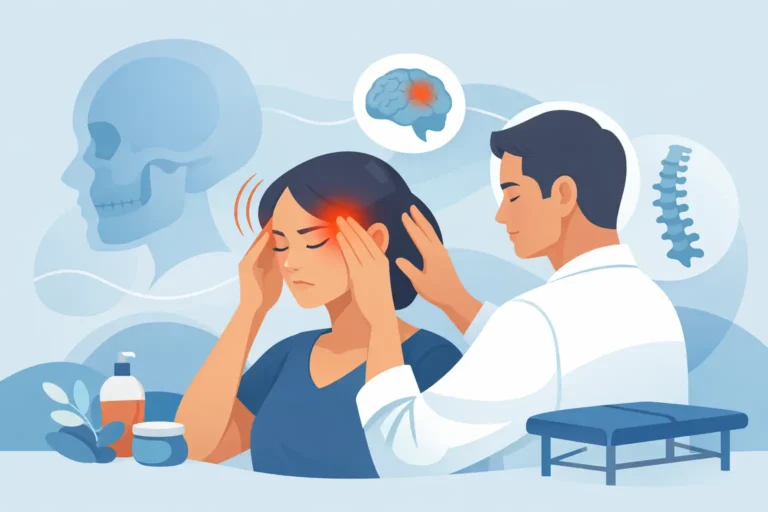
Clenching and grinding can overload the jaw muscles and irritate the surrounding structures. This may contribute to morning headaches, temple pain, ear-area discomfort, or a sense of pressure around the face. Jaw symptoms can also be influenced by bite issues, sinus conditions, and dental concerns, so they deserve an individualized evaluation rather than assumptions.
Low back, hip, and pelvic discomfort
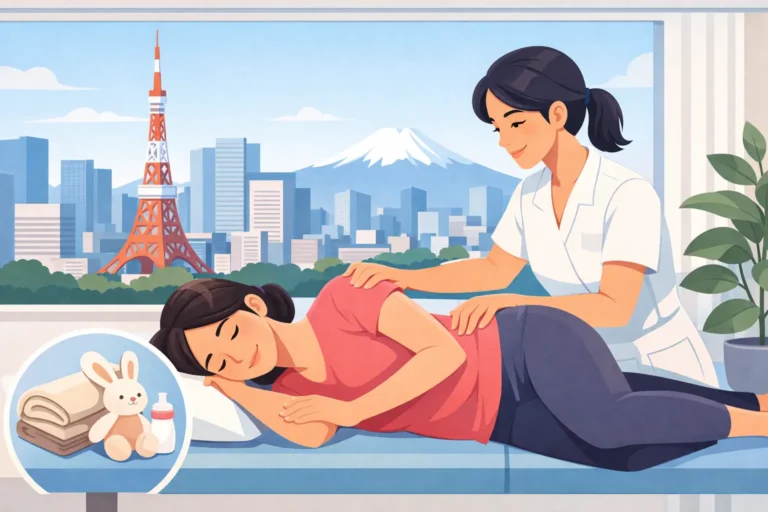
When stress changes breathing and muscle coordination, the lower back and hips may compensate. Long periods of sitting, reduced walking, and a tendency to brace the abdomen can add to the problem. During pregnancy and postpartum recovery, these changes can be more pronounced because the body is already adapting to substantial physical demands.
Digestive discomfort and chest wall tightness
Stress can affect digestion and create a feeling of tightness through the ribs, diaphragm, or upper abdomen. While this can be related to muscle tension and shallow breathing, chest pain should never be casually attributed to stress. New, severe, or unexplained symptoms need prompt medical attention.
A Guide to Stress-Related Body Pain: What Helps First
The most effective plan is rarely a single stretch or a perfect ergonomic chair. Small, repeatable changes tend to work better because they lower the total physical load across the day.
Start by noticing your pattern without judging it. When does pain increase? Is it after video calls, during your commute, following difficult conversations, or after poor sleep? Does it ease with walking, heat, exercise, rest, or time away from a screen? These details are useful because they reveal possible triggers and help distinguish a general stress response from a problem that needs more targeted care.
Gentle movement is usually more useful than complete rest for ordinary muscle tension. A ten-minute walk, light mobility work, or a familiar form of exercise can reduce guarding and help restore confidence in movement. The appropriate amount depends on your symptoms. If an activity causes sharp pain, numbness, or a significant flare that lasts into the next day, reduce the intensity and seek advice rather than pushing through.
Breathing is another practical starting point. A few minutes of slow breathing with relaxed shoulders and a gentle expansion through the lower ribs can reduce the habit of holding tension in the chest and neck. This is not a cure for every painful condition, but it can be a useful way to signal safety to an overworked nervous system.
Sleep also deserves attention. Pain and sleep disruption often travel together. Keep the goal realistic: a consistent wind-down routine, fewer work messages late at night, and a supportive sleeping position may help more than chasing a perfect eight hours. If insomnia, anxiety, or low mood are persistent, support from a qualified mental health professional can be an essential part of recovery.
When Hands-On Osteopathic Care May Be Useful
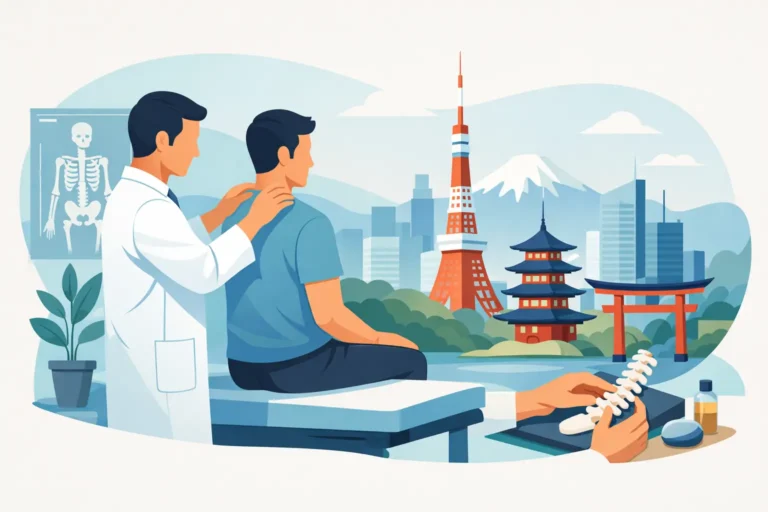
Stress may be a contributor, but it should not be used as a catch-all explanation. A skilled osteopathic assessment considers posture, joint mobility, muscle tone, breathing mechanics, previous injuries, activity demands, and the way your body compensates as a whole.
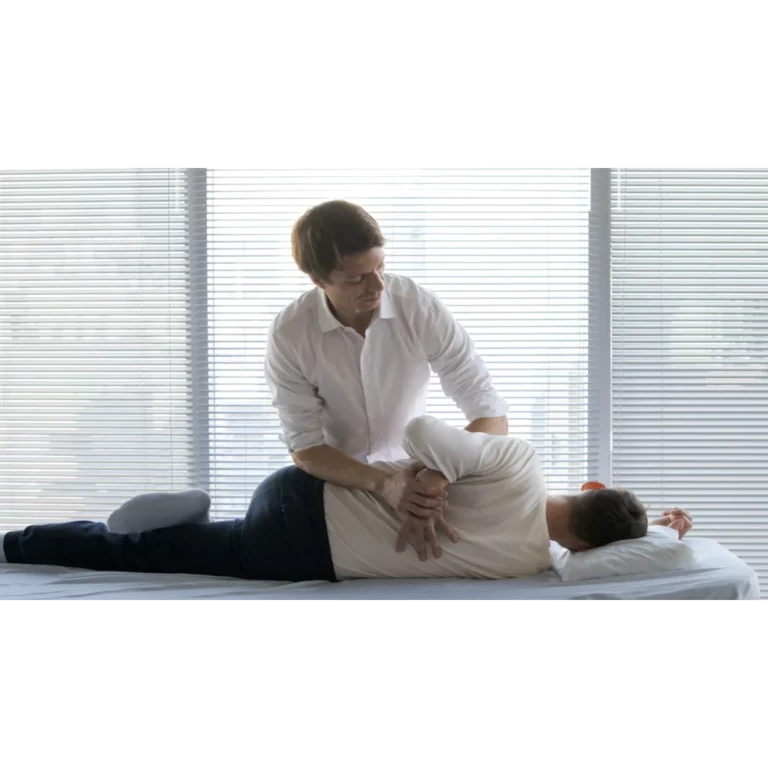
Treatment may include gentle joint mobilization, soft-tissue techniques, craniosacral or biodynamic approaches, and guidance on movement or daily habits. The aim is not simply to force a tight area to release. It is to identify why that area may be overworking and help the body move with less strain.
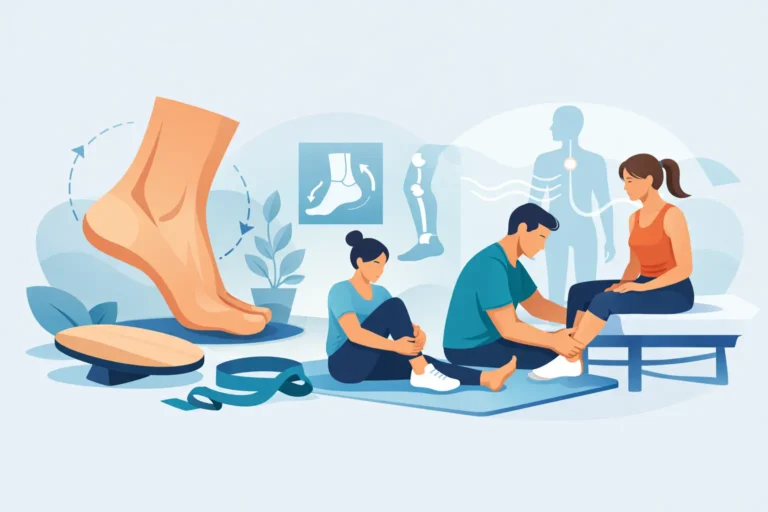
For example, persistent neck tension may involve restricted upper back movement, jaw clenching, a poorly tolerated desk setup, and limited recovery after intense training. Low back discomfort may be influenced by hip mobility, breathing patterns, an old ankle injury, or the repetitive demands of caring for a young child. The right treatment plan depends on the person in front of the practitioner.
At Osteopath Tokyo, care is one-to-one and tailored to your symptoms, comfort level, and goals. For international residents who may be navigating a busy Tokyo schedule in a second language, clear communication matters. You should understand what is being assessed, what treatment is being used, and what you can reasonably expect after a session.
Some people notice easier movement or reduced tension quickly. Others, especially those with long-standing pain, need a gradual plan that combines treatment, appropriate activity, recovery, and coordination with other healthcare professionals when needed. Honest care makes room for both possibilities.
When Stress-Related Pain Needs Medical Attention
Do not assume pain is stress-related when symptoms are new, severe, progressive, or unusual for you. Seek urgent medical assessment for any of the following:
- Chest pain, shortness of breath, fainting, sweating, or pain spreading to the arm, jaw, back, or shoulder
- Sudden severe headache, confusion, weakness, changes in speech, vision loss, or facial drooping
- New numbness, progressive weakness, loss of bladder or bowel control, or numbness around the groin
- Fever, unexplained weight loss, severe night pain, or pain after a significant fall or accident
- Persistent pain that does not improve, particularly if it is affecting sleep, work, or daily function
These symptoms do not always indicate a serious condition, but they require proper evaluation. Osteopathic care can work alongside medical care, not replace it when testing, medication, imaging, or specialist input is appropriate.
Make Recovery Part of the Routine
Many high-performing professionals wait until pain forces them to stop. A more sustainable approach is to treat recovery as a regular part of how you work, train, parent, and travel. Schedule short movement breaks before your body becomes stiff, notice jaw and shoulder tension during demanding moments, and choose activities that leave you feeling more capable rather than depleted.
If your pain keeps returning, consider it useful information rather than a personal failure. The body is often asking for a closer look at the load it is carrying. With thoughtful assessment and consistent support, it is possible to feel less guarded, move more freely, and return attention to the parts of life that matter most.