Osteopathy Review: What to Expect in Tokyo
A useful osteopathy review should answer more than whether a treatment felt pleasant or whether someone felt better the next day. If pain, stiffness, headaches, pregnancy discomfort, or a sports injury is limiting your life in Tokyo, you need to know what the practitioner assesses, how treatment is adapted to you, and when hands-on care is an appropriate part of your plan.
Osteopathy is not a one-size-fits-all treatment or a promise of instant relief. At its best, it is a careful clinical process: listening to your history, examining how your body moves, identifying contributing factors, and using gentle, targeted manual techniques to support comfort and function. For many international residents, clear communication in a familiar language is equally important. You should understand what is being done, why it is being recommended, and what you may reasonably expect afterward.
What an Osteopathy Review Should Consider
Online testimonials can be reassuring, especially when you are searching for an English-speaking practitioner in a new city. Still, the most useful way to evaluate osteopathic care is to look beyond star ratings. Consider whether the practitioner explains their training, performs an individual assessment, asks relevant health questions, and creates treatment around your needs rather than applying the same sequence to every patient.
A thoughtful first appointment begins with your story. When did the problem start? Was there an injury, a change in training, a long flight, pregnancy, a demanding work period, or a gradual increase in symptoms? Your osteopath should also ask about your medical history, current care, medications, and symptoms that may require medical investigation instead of manual treatment.
This level of assessment matters because the place you feel pain is not always the only area involved. Low back discomfort, for example, can be influenced by hip mobility, prolonged sitting, a previous ankle injury, training load, sleep, or stress-related muscle tension. A skilled osteopathic assessment considers these connections without making assumptions or overlooking the need for referral when symptoms fall outside osteopathic care.
The difference between a treatment and a tailored plan
A treatment can feel relieving in the moment. A tailored plan also considers what helps you maintain progress between sessions. Depending on your condition, this may include pacing activity, changing workstation habits, gradually returning to exercise, breathing work, or simple movement advice.
The number of visits varies. An acute neck strain may improve over a short course of care, while long-standing pain, recurrent migraines, postpartum changes, or a complex sports injury may need a more gradual approach. Honest guidance includes this uncertainty. No responsible practitioner can guarantee a specific result or a fixed timeline before assessing you.
What Happens During an Osteopathic Appointment?
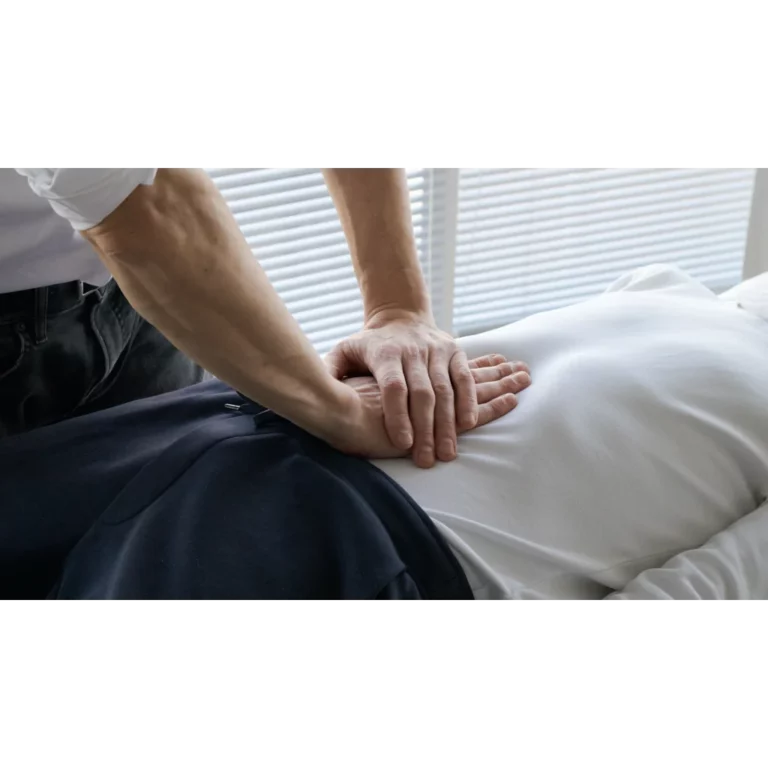
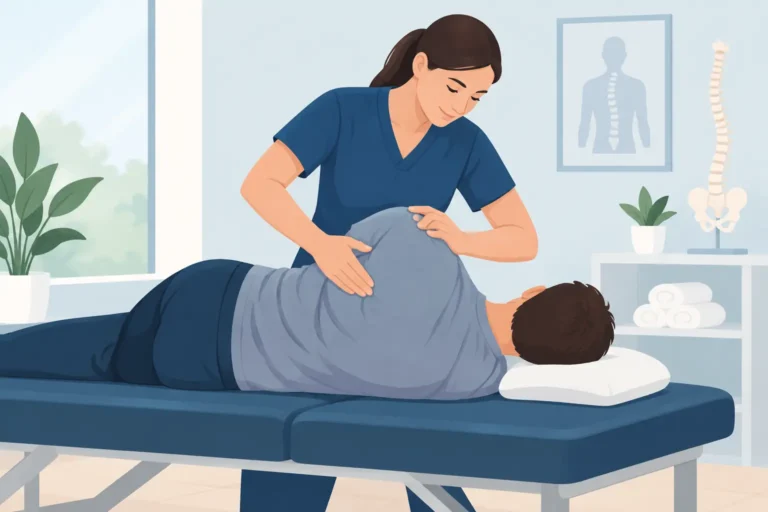
Your appointment should feel private, unhurried, and collaborative. After discussing your concerns, the osteopath may observe posture, test comfortable movement, and use hands-on palpation to assess areas of tension, sensitivity, mobility, and tissue quality. The examination is guided by your symptoms and goals, not by a rigid checklist.
Treatment may combine soft-tissue techniques, gentle joint mobilization or adjustment, stretching, and craniosacral or biodynamic approaches. The appropriate method depends on the person in front of the practitioner. Someone with acute pain, pregnancy-related pelvic discomfort, or a sensitive nervous system may need a particularly gentle approach. An athlete preparing for an event may benefit from a different focus than a parent carrying an infant every day.
You remain in control throughout. Your comfort, consent, and feedback matter. If a technique feels uncomfortable or you are concerned about a proposed approach, say so. A professional osteopath will explain alternatives and adapt treatment accordingly.
Some people feel easier movement or reduced tension after the first session. Others notice temporary tenderness, fatigue, or a mild shift in symptoms as their body responds to treatment. These responses are usually short-lived, but persistent, severe, or unexpected symptoms should be discussed promptly with your practitioner or physician.
Conditions People Commonly Seek Osteopathic Care For
People often book osteopathic treatment because an issue is affecting ordinary life: turning their head while cycling, sitting through meetings, sleeping comfortably, training without fear of aggravation, or lifting a child without back pain. Common reasons for consultation include back and neck pain, sciatica-like symptoms, shoulder and hip restrictions, sports strains, jaw tension and TMJ-related discomfort, headaches, and migraine support.
Pregnancy and the postpartum period are also frequent reasons to seek care. As the body changes, discomfort may develop around the pelvis, back, ribs, hips, or neck. Gentle, adapted osteopathic care can be a welcome option for people seeking non-pharmaceutical support alongside appropriate maternity care. For babies and children, a practitioner should use age-appropriate, gentle assessment and communicate clearly with parents about the limits and goals of treatment.
Stress deserves attention as well. It does not mean symptoms are imagined. Persistent stress can affect sleep, breathing patterns, muscle tone, recovery, and pain sensitivity. Manual therapy may help some people feel less physically guarded, but it works best as part of a broader strategy that may also include movement, rest, medical care, and mental health support when needed.
Choosing an Osteopath in Tokyo
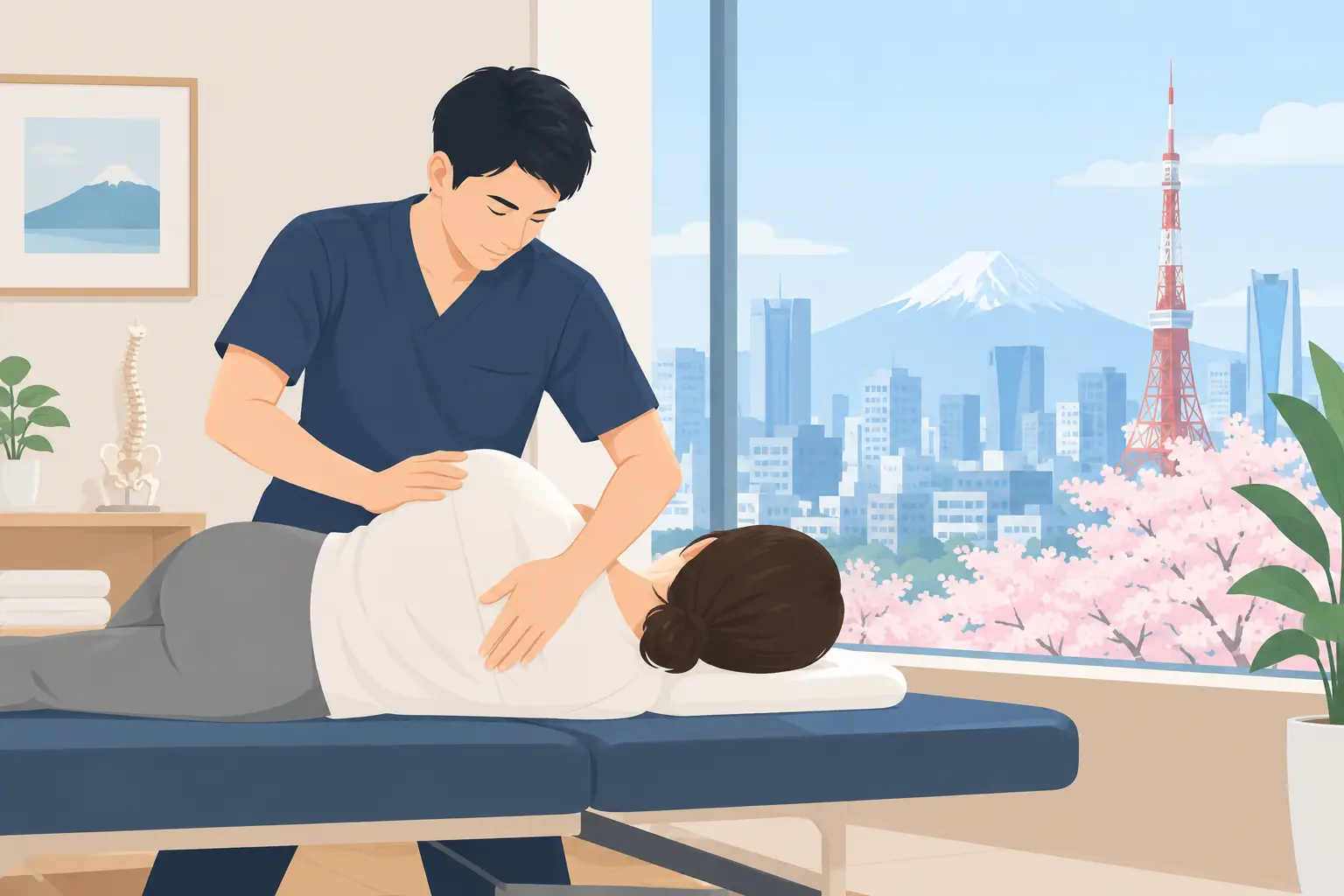
Tokyo offers many health and wellness services, but professional background and communication can vary considerably. For international residents, it is reasonable to ask practical questions before booking. Where did the practitioner train? Are they licensed or registered according to the standards of their training country? Do they have experience with your concern? Can they explain treatment in English, Japanese, or French? What happens if your symptoms require imaging, medication, or a medical specialist?
Experience with diverse patients can make a meaningful difference. A practitioner accustomed to treating office-based professionals, active adults, pregnant patients, and athletes is often better prepared to adapt the assessment and treatment style to different bodies, schedules, and goals. Experience is valuable, but it should be paired with attentive listening. Elite sports credentials may inspire confidence, yet the standard of care should be equally personal whether you are training for a marathon or simply trying to get through your workday without pain.
At Osteopath Tokyo, care is centered on one-on-one assessment and hands-on treatment, with communication available in English, French, and Japanese. The aim is not to chase a single painful area, but to understand how your symptoms, movement, lifestyle, and recovery needs fit together.
When osteopathy is not the first step
Manual therapy is not suitable for every situation. Seek urgent medical attention for chest pain, sudden weakness or numbness, loss of bladder or bowel control, severe unrelenting headache, significant trauma, fever with severe pain, or unexplained weight loss. New or worsening neurological symptoms also need prompt medical evaluation.
Even when a condition is not urgent, osteopathy may be one part of coordinated care rather than the entire answer. A good practitioner will encourage medical assessment, physiotherapy, dental care, maternity care, or other specialist input when it is appropriate. This is not a limitation of quality care. It is a sign that your health is being taken seriously.
How to Get More Value From Your First Visit
Come prepared to describe your symptoms in practical terms: what makes them worse, what eases them, what you have already tried, and what you want to return to doing. Bring relevant scan reports or medical information if you have them, but do not worry if you do not. Your experience of the problem is valuable clinical information.
After the appointment, notice changes in mobility, pain, sleep, energy, and confidence with everyday activities. Improvement is not always perfectly linear, particularly with persistent conditions. What matters is whether the plan remains sensible, your concerns are heard, and you are moving toward goals that matter to you.
The right osteopathic experience should leave you feeling informed as well as cared for. Relief matters, but so does having a practitioner who takes the time to understand the person behind the symptoms and helps you make calm, practical decisions about your next step.