How to Relieve Pelvic Girdle Pain Naturally
Pelvic girdle pain can make ordinary Tokyo life unexpectedly difficult. Turning in bed, stepping off a train, carrying groceries, or standing through a long workday may trigger a sharp ache at the pubic bone, low back, buttock, hips, or inner thighs. If you want to relieve pelvic girdle pain naturally, the most helpful approach is usually not to push through it or stop moving altogether. It is to understand what your body is asking for: better load management, calmer movement, and individualized support.
Pelvic girdle pain is common during pregnancy and can persist after birth, but it is not something you simply have to endure. With the right adjustments and hands-on care when needed, many people can move with greater comfort and confidence.
What pelvic girdle pain feels like
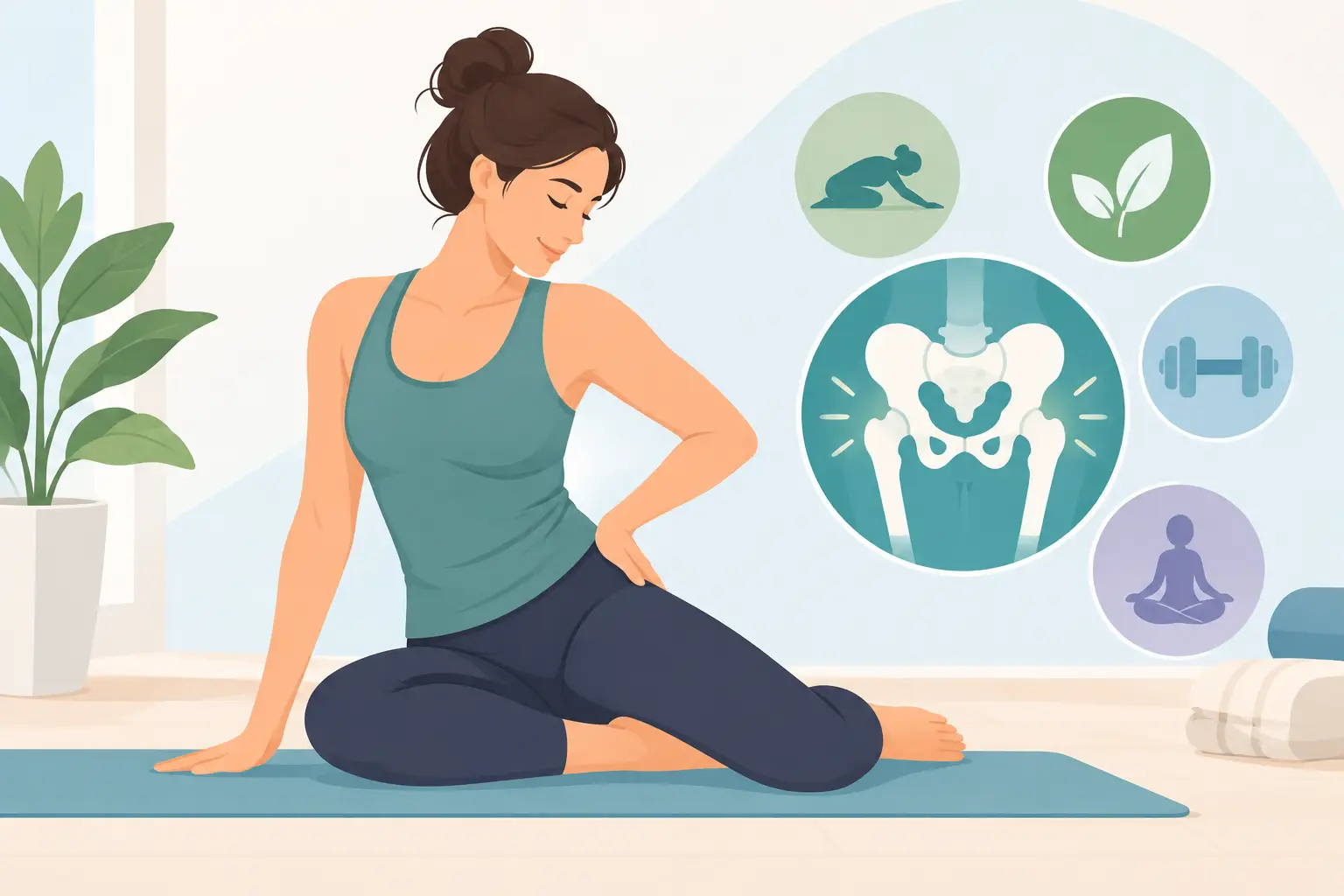
The pelvis is a ring of bones connected by joints, muscles, ligaments, and connective tissue. During pregnancy, hormonal changes and a changing center of gravity can alter how force travels through this area. After delivery, recovery from pregnancy, birth, feeding positions, sleep disruption, and the demands of lifting a baby can continue to place strain on the system.
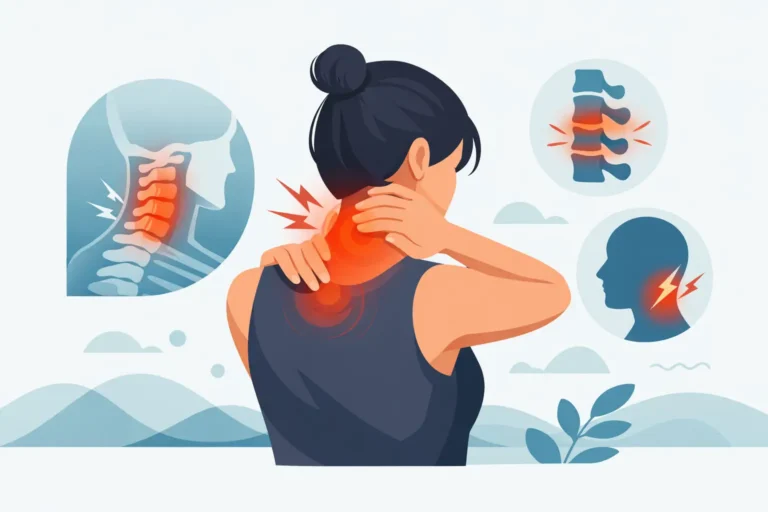
Pain may be felt at the front of the pelvis around the pubic bone, across one or both sacroiliac joints near the dimples of the low back, or deep in the buttock and groin. It often becomes more noticeable with uneven or one-legged activities: walking quickly, climbing stairs, getting dressed while standing, getting in and out of a car, or rolling in bed.
Not every hip or pelvic symptom is pelvic girdle pain. Sciatica, hip joint conditions, abdominal or pelvic health concerns, and low-back disorders can produce similar symptoms. A thoughtful assessment matters, especially when pain is severe, new, or not improving.
How to relieve pelvic girdle pain naturally without overdoing it
Natural relief is not about finding one perfect stretch or exercise. In fact, aggressive stretching can occasionally aggravate an already sensitive pelvic area. The aim is to reduce irritation while maintaining the strength, mobility, and daily activity that support recovery.
Make movement more symmetrical
Pelvic girdle pain often flares when one side of the body repeatedly takes more load than the other. Small changes can make a real difference. When dressing, sit down rather than balancing on one leg. Keep your knees together as you roll in and out of bed or get into a car. Take shorter, more even steps instead of striding widely.
If stairs are painful, slow down and use the railing. In a flare, it may be more comfortable to lead with the less painful leg going up and the more painful leg going down, taking one step at a time. These are not permanent restrictions. They are practical ways to settle symptoms while your body becomes more tolerant of movement.
Find the right amount of activity
Complete rest can leave muscles stiff and less prepared for everyday demands. At the same time, a long walk, intensive yoga class, or workout that repeatedly triggers pain is unlikely to help in the short term. The right level of activity depends on your symptoms, stage of pregnancy or postpartum recovery, fitness history, and the physical demands of your day.
Choose movement that feels controlled and does not significantly worsen pain later that day or the following morning. Gentle walking on level ground, swimming if comfortable, and carefully selected strengthening exercises can be useful. A physiotherapist, osteopath, or qualified prenatal movement professional can help tailor this to you.
Build stability rather than chasing flexibility
Many people assume pelvic pain means they need to open the hips or stretch deeply. Sometimes restricted muscles do benefit from gentle mobility work, but stability and coordination are often more relevant. The diaphragm, deep abdominal muscles, pelvic floor, hips, and gluteal muscles work together to manage pressure and load through the pelvis.
Simple, comfortable exercises may include supported breathing, gentle pelvic floor coordination, glute activation, or low-load hip and trunk strengthening. Quality is more valuable than intensity. An exercise should feel steady, not like you are bracing hard, holding your breath, or forcing through pain.
Use warmth and recovery rituals strategically
A warm shower, heat pack, or bath can ease protective muscle tension around the low back, buttocks, and hips. Use moderate warmth, protect your skin, and follow pregnancy-specific guidance if you are pregnant. Some people prefer a cool pack during an acute flare, particularly if the area feels hot or irritated.
Sleep is often disrupted by pelvic girdle pain, so positioning deserves attention. A pillow between the knees and ankles can reduce twisting through the pelvis. Some people are more comfortable with a small pillow supporting the abdomen during side sleeping. If rolling is painful, move your shoulders, hips, and knees together as one unit rather than twisting through the waist.
Consider a pelvic support belt with professional guidance
A pelvic support belt may reduce discomfort for some people, particularly during walking or household tasks. It should sit low around the pelvis rather than tightly around the waist or abdomen. The fit, timing, and amount of use matter. A belt can be a useful temporary tool, but it should not become a substitute for addressing movement patterns, strength, and overall recovery.
Why hands-on assessment can help
Pelvic girdle pain is personal. Two people may describe the same location of pain but have different contributing factors: a previous ankle injury, hip stiffness, a demanding commute, a fast-growing pregnancy, a difficult birth, or simply a body that is exhausted from caring for a newborn.
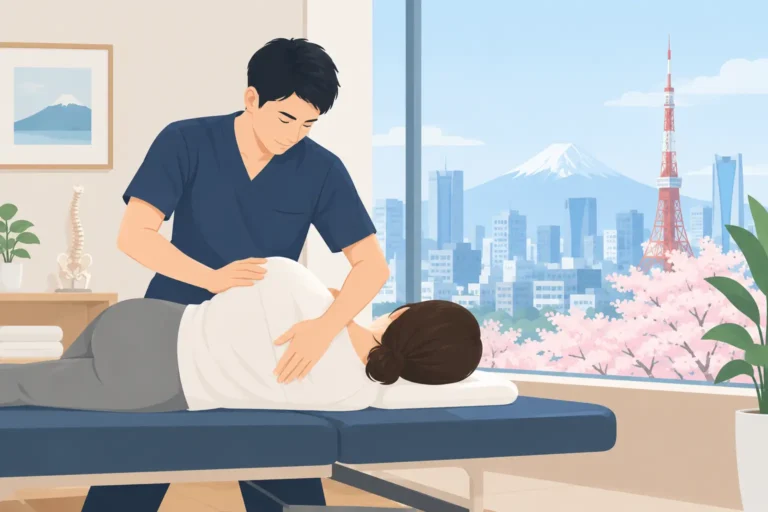
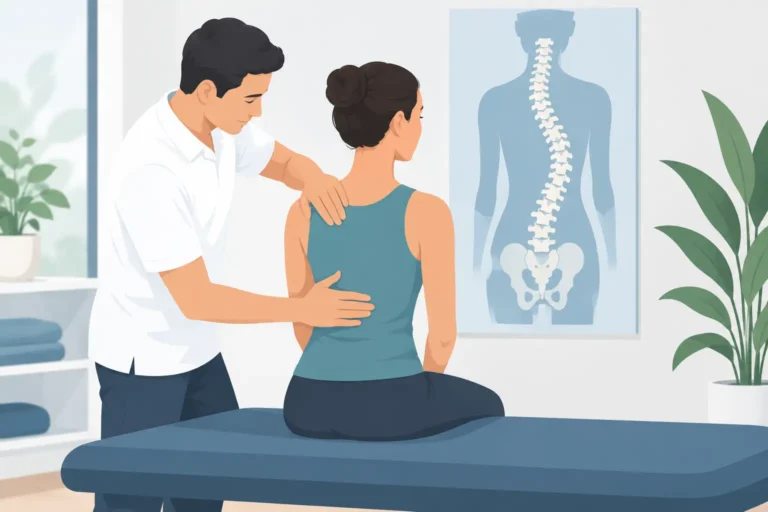
An osteopathic assessment looks beyond the painful spot. It may consider how the hips, low back, rib cage, diaphragm, posture, scar tissue, and surrounding soft tissues are affecting pelvic mechanics. Gentle manual techniques can be used to reduce tension, improve comfortable movement, and support the body’s ability to adapt to load. Treatment should never feel rushed or forceful, and pregnancy or postpartum care should be adapted to your comfort and stage of recovery.
At Osteopath Tokyo, care is one-on-one and guided by a full-body assessment. Where appropriate, hands-on treatment is paired with practical advice for sleeping, commuting, lifting, exercise, and the activities that are currently most difficult. The goal is not merely temporary relief after a session. It is to help you understand what is driving the irritation and leave with a realistic plan for daily life.
Daily habits that protect a sensitive pelvis
You do not need to move perfectly. You do, however, benefit from reducing repeated aggravation while symptoms are active. Plan tasks so you are not carrying a child, bag, or groceries on the same hip all day. Divide heavier loads into smaller trips when possible. Use supportive footwear for longer walks, and avoid standing with all your weight dropped into one hip.
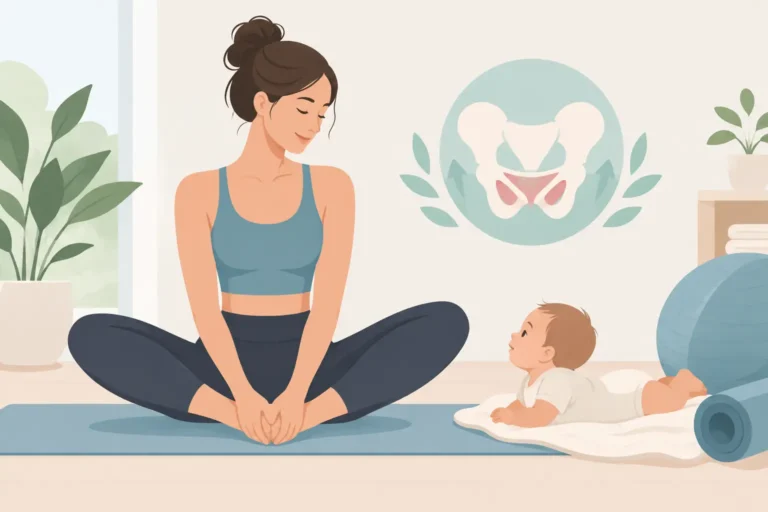
For parents, bringing your baby close to your body before lifting can reduce strain. Bend through your hips and knees, exhale as you lift, and avoid twisting while holding weight. When feeding, bring pillows and the baby up to you rather than curling your body down for long periods.
Stress also deserves a place in the conversation. It does not mean pain is “all in your head.” Persistent stress, worry, and poor sleep can increase muscle guarding and make the nervous system more sensitive to pain. Brief breathing breaks, realistic pacing, and asking for practical support can be part of a natural recovery plan.
When pelvic pain needs medical attention
Seek prompt medical advice for severe or rapidly worsening pain, fever, vaginal bleeding during pregnancy, painful urination, numbness in the groin or saddle area, new weakness in a leg, loss of bladder or bowel control, calf swelling, chest pain, or shortness of breath. These symptoms need medical assessment rather than self-treatment.
It is also wise to speak with your obstetrician, midwife, or physician if pelvic pain is limiting your ability to walk, disturbing sleep consistently, or continuing well after childbirth. Natural care works best when it is part of coordinated, appropriate healthcare.
Pelvic girdle pain can narrow your world if every step starts to feel uncertain. A careful plan, built around comfortable movement and personalized professional support, can help you return to the work, exercise, rest, and family moments that matter to you.