
Your Guide to Shoulder Impingement Recovery
A shoulder that catches as you reach into an overhead bin, put on a jacket, or sleep on one side can make ordinary days unexpectedly difficult. This guide to shoulder impingement recovery explains how to calm an irritated shoulder, restore useful movement, and rebuild the strength needed for work, sport, and life in Tokyo without repeatedly provoking symptoms.
“Shoulder impingement” is a commonly used description, but it does not tell the whole story. Pain at the front or outside of the shoulder can involve the rotator cuff tendons, bursa, joint capsule, neck, upper back, or the way the shoulder blade moves. A careful assessment matters because recovery is rarely about one exercise or one adjustment. It is about understanding why your shoulder is sensitive and giving it the right amount of support, movement, and progressive load.
What shoulder impingement can feel like
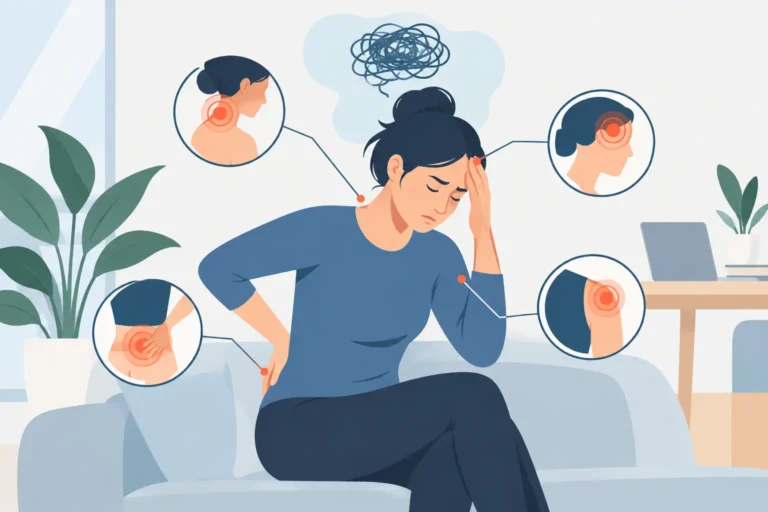
Many people notice pain during a painful arc – often while lifting the arm between shoulder height and overhead. Reaching behind the back, pressing at the gym, swimming, throwing, or lying on the affected side may also be uncomfortable. The shoulder can feel weak, stiff, pinchy, or unreliable, particularly after a long day at a desk.
Symptoms do not always begin with a dramatic injury. They may develop after a rapid increase in training, repeated overhead work, poor sleep, a fall, or weeks of carrying a child on the same side. For some office-based professionals, long periods with the head forward and shoulders held tense can contribute to reduced upper-back mobility and altered shoulder mechanics.
Pain location alone cannot confirm the cause. A rotator cuff tear, frozen shoulder, arthritis, neck-related pain, or instability can resemble impingement. That is why an individualized examination is more useful than treating every painful overhead movement as the same condition.
First steps in shoulder impingement recovery
The first goal is not complete immobility. It is to reduce irritation while maintaining comfortable movement. Continuing to push through sharp pain can prolong symptoms, but avoiding all use of the arm for weeks can lead to more stiffness and loss of confidence.
Temporarily modify the activities that clearly aggravate the shoulder. This may mean reducing heavy overhead presses, avoiding deep dips, changing a swimming session, or using the other arm for repeated lifting where practical. Modification is not failure. It creates room for the tissues and nervous system to settle so that rehabilitation can work.
Use pain as a guide. Gentle exercise discomfort can be acceptable if it remains mild, settles soon afterward, and does not leave the shoulder substantially worse the next day. Sharp pain, escalating night pain, or a lasting flare is a sign that the range, resistance, volume, or technique needs to change.
Cold or heat may provide short-term comfort, depending on what feels better for you. Medication decisions should be discussed with a physician or pharmacist, especially during pregnancy, while breastfeeding, or if you have other medical conditions.
Protect sleep without becoming rigid
Night discomfort is common. If side-lying is painful, try sleeping on the other side with a pillow supporting the affected arm in front of your body. Some people feel better on their back with the arm lightly supported on a pillow. The aim is comfort, not forcing a perfect posture all night.
Restore movement before chasing strength
A painful shoulder often changes the way you move. You may hike the shoulder toward the ear, twist through the lower back, or stop using the arm long before its actual tolerance has been reached. Early rehabilitation should restore smooth, controlled motion without forcing a painful end range.
Useful starting movements can include a supported arm swing, gentle assisted elevation, and controlled shoulder-blade motion. The right choice depends on your examination findings. Someone with marked stiffness may need a different approach from a tennis player with full range but pain during serving.
Upper-back and rib mobility can also matter. The shoulder blade needs a stable but adaptable base as the arm rises. When the thoracic spine is very stiff, or when breathing is shallow and the neck muscles are overworking, the shoulder may compensate. Addressing these contributing areas can make exercises more comfortable and effective.
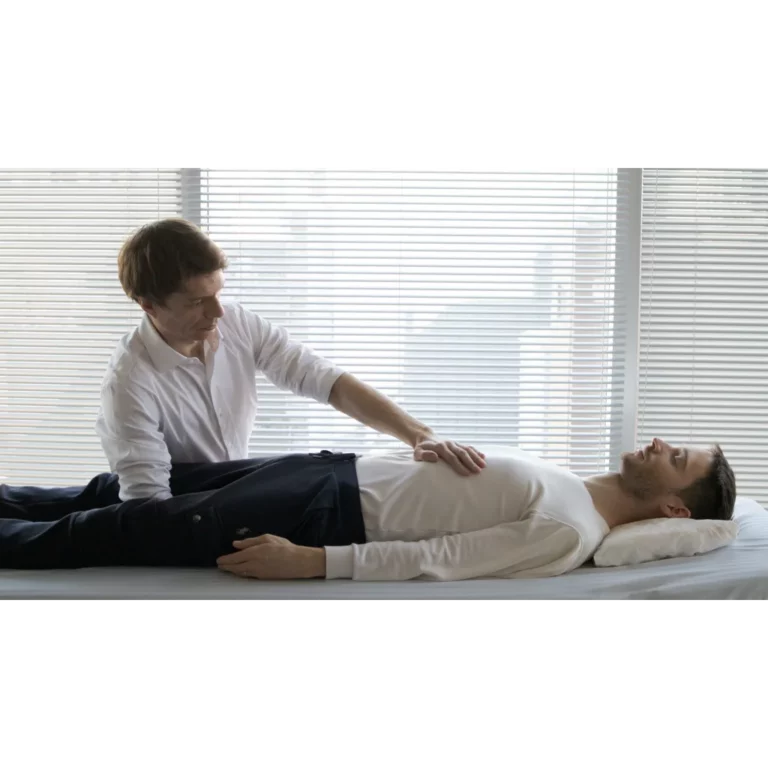
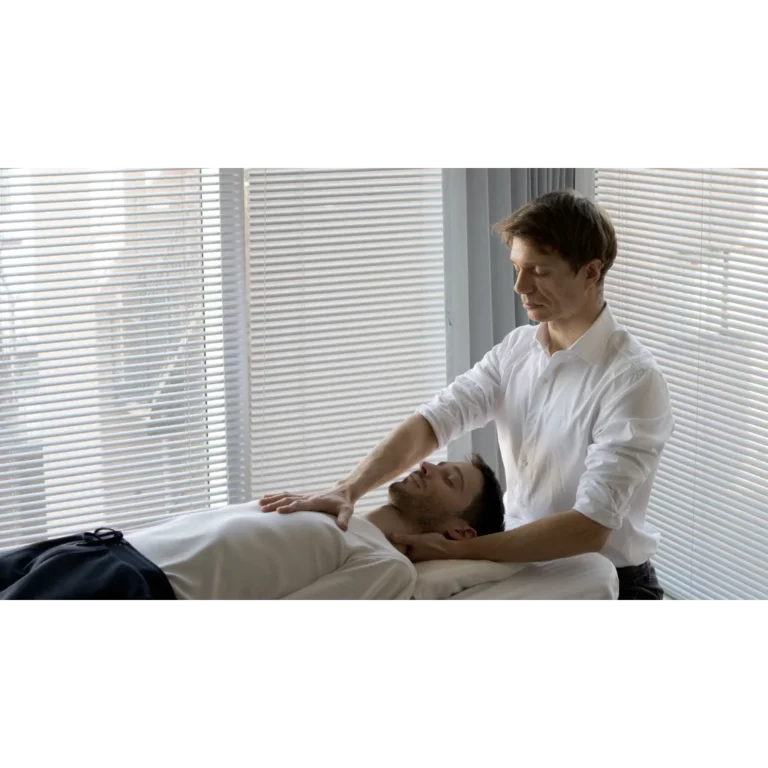
Manual therapy may be helpful during this phase when it is part of a broader plan. Osteopathic hands-on treatment can address restricted movement in the shoulder, upper back, ribs, neck, and surrounding soft tissues, while also helping you understand which movements are currently safe. It should not replace progressive exercise, but it can reduce barriers that make movement difficult.
Build shoulder capacity gradually
Once everyday movement is less irritable, recovery shifts toward capacity. The rotator cuff and shoulder-blade muscles do not merely need to be “strong.” They need to coordinate well and tolerate the specific demands you place on them, whether that is lifting luggage, carrying a baby, climbing, golf, or competitive sport.
Begin with low-load exercises that can be performed with good control. Isometric external rotation, light band work, and carefully chosen rowing variations are often useful, but the details matter. A band exercise that is excellent for one person can aggravate another if the angle, range, or resistance is poorly matched.
As symptoms improve, progress toward loaded reaching, pressing, pulling, and overhead work. Gradual exposure is usually more reliable than waiting until the shoulder feels completely perfect. If overhead activity is your goal, it must eventually become part of your rehabilitation. The key is to introduce it at a level your shoulder can recover from.
For active adults, training load is often the missing piece. A shoulder may tolerate two gym sessions per week but flare when pressing, swimming, climbing, and weekend tennis are all increased at once. Keep an honest view of total activity, not just the exercise program. Recovery is influenced by sleep, stress, nutrition, work posture, and how much demand the shoulder faces outside the clinic.
Do not force a “better posture”
Posture can influence comfort, but there is no single perfect position that prevents shoulder pain. Trying to pin your shoulders back all day can create more tension. Instead, vary your position, take brief movement breaks, and build the strength and mobility that let you move naturally. A resilient shoulder should work in more than one posture.
When to seek a professional assessment
Professional care is particularly worthwhile when pain is not improving after a few weeks of sensible modification, when movement is increasingly limited, or when you are unsure how to exercise without worsening symptoms. A thorough assessment should look beyond the painful spot and consider your neck, upper back, ribs, shoulder blade control, work demands, training history, and goals.
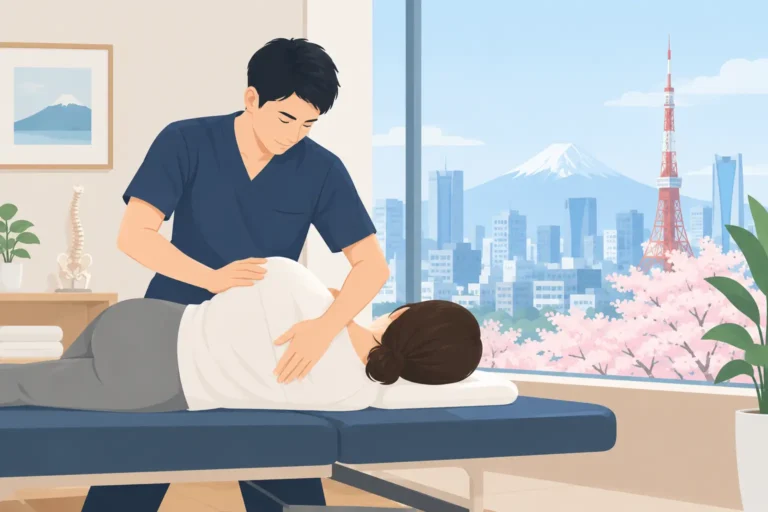
At Osteopath Tokyo, care begins with listening to how the problem affects your daily life, followed by a hands-on assessment and a treatment plan tailored to your presentation. For international residents, clear communication in English, French, or Japanese can make it easier to discuss symptoms, treatment preferences, and realistic recovery expectations.
Seek prompt medical evaluation if you have sudden major weakness after an injury, visible deformity, inability to lift the arm, significant swelling or redness, fever, numbness that persists, chest pain, or unexplained weight loss. These symptoms may require medical investigation rather than routine conservative care.
How long does recovery take?
There is no honest universal timeline. A mild, recent flare related to a temporary training increase may improve substantially over several weeks. Persistent pain, significant stiffness, repeated aggravation, or an underlying tendon injury can take several months. The goal is steady improvement in function, not a rushed return to every activity.
Progress is rarely perfectly linear. A busy work week, poor sleep, or an enthusiastic return to exercise can cause a temporary setback. That does not mean you are back at the beginning. It usually means the shoulder needs a short adjustment in load, followed by a return to gradual progression.
The most useful measure of recovery is what your shoulder allows you to do with confidence: sleep more comfortably, reach a shelf without guarding, train with control, and return to the activities that matter to you. Give your shoulder consistent, intelligently graded attention, and let each improvement become the foundation for the next.