
How Manual Therapy Relieves Migraines Safely
A migraine can make a normal Tokyo workday feel impossible: screen light becomes sharp, a crowded train feels overwhelming, and even a familiar conversation can be too much. Understanding how manual therapy relieves migraines begins with a useful distinction: hands-on care does not claim to cure every migraine or replace medical treatment. It may, however, reduce physical contributors that make attacks more frequent, more intense, or harder to recover from.
For people whose migraines occur alongside neck stiffness, jaw tension, poor sleep, stress overload, or long hours at a desk, an individualized osteopathic assessment can offer a practical, non-pharmaceutical layer of support. The goal is not to force the body into a single posture or perform a routine adjustment. It is to identify the patterns that may be placing extra strain on the nervous system and help the body move, rest, and recover more comfortably.
Migraine is more than a severe headache
Migraine is a neurological condition. It may involve one-sided or throbbing head pain, nausea, sensitivity to light, sound, or smell, visual changes, fatigue, and difficulty thinking clearly. Some people experience an aura before an attack, while others do not. The frequency, symptoms, and triggers can vary greatly from one person to another.
This matters because manual therapy should not be presented as a universal answer to migraine. Some attacks are driven primarily by hormonal shifts, certain foods, medication changes, genetics, or other neurological factors. Yet many people also have musculoskeletal factors that can contribute to their overall migraine burden – especially tension and restricted movement around the neck, upper back, shoulders, and jaw.
A careful practitioner looks at the full picture. When do attacks happen? Is there neck pain before the migraine begins? Does clenching worsen symptoms? Did headaches become more common after a stressful period, a sports injury, pregnancy, or a change in workstation setup? These details help determine whether hands-on care is likely to be useful and how it should fit alongside medical care.
How manual therapy relieves migraines
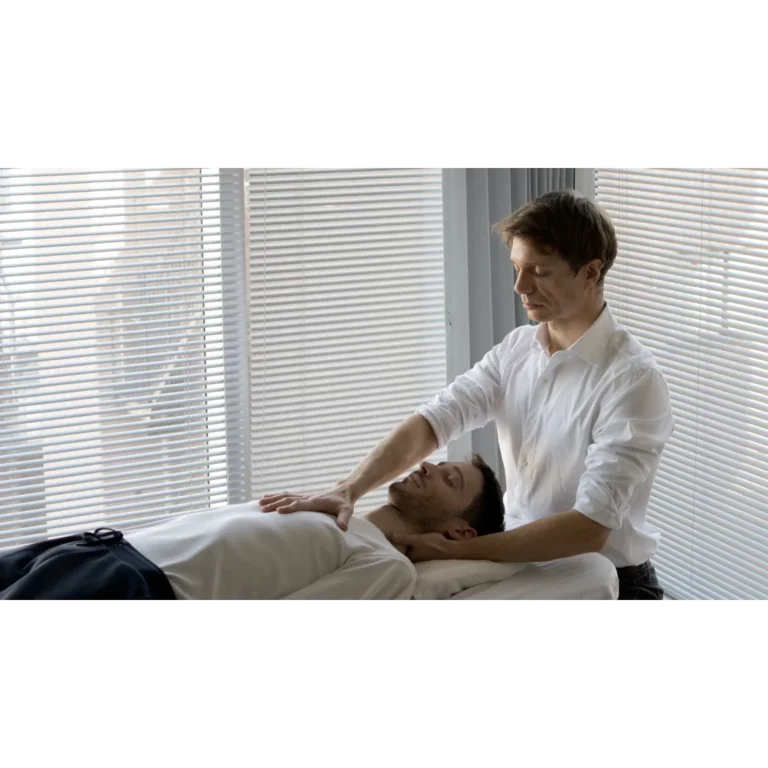
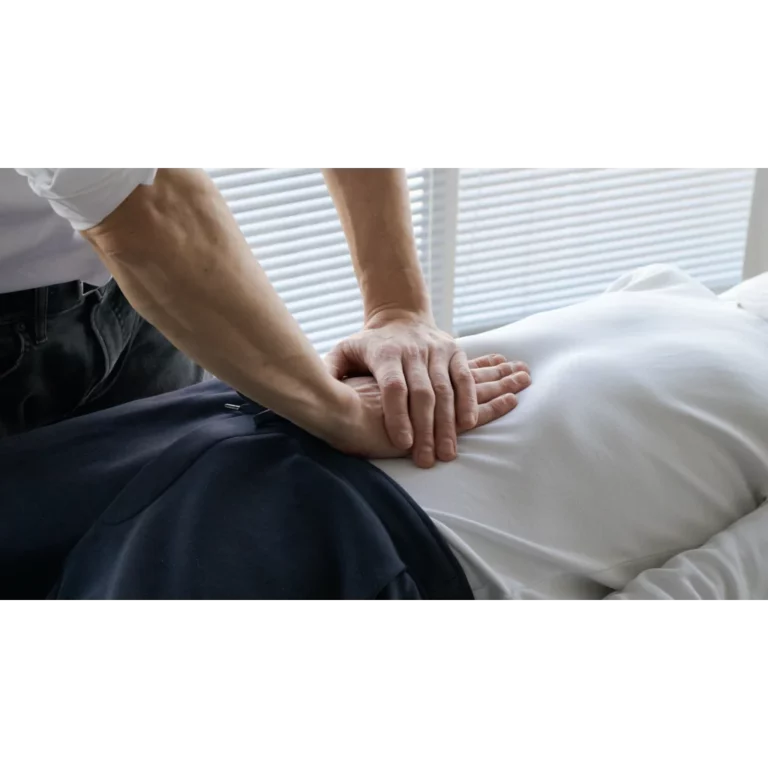
Manual therapy uses skilled touch and movement to assess and treat restrictions in muscles, joints, connective tissue, and related patterns of tension. In osteopathic care, treatment is guided by the person in front of the practitioner, not by a fixed protocol.
Reducing neck and upper-back strain
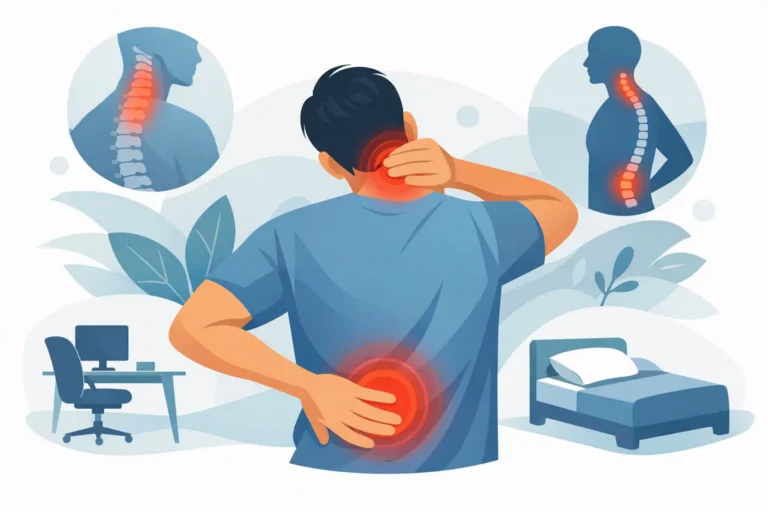
The upper cervical spine, shoulders, and upper back have close sensory connections with the head and face. When these areas are persistently stiff or overloaded, they can contribute to headache patterns and may aggravate migraine symptoms in susceptible people.
Gentle joint mobilization, soft-tissue work, stretching, and osteopathic techniques may improve movement and reduce protective muscle guarding. This can be particularly relevant for people who spend long days looking down at a laptop, turning repeatedly between screens, carrying tension through the shoulders, or recovering from a previous neck injury.
The benefit is not simply a looser neck. Better movement can reduce the constant stream of physical irritation coming from tight, sensitive tissues. For some patients, that means fewer neck-driven headaches between migraines. For others, it may mean a lower level of physical tension that makes migraine management easier overall.
Addressing jaw tension and clenching
The jaw is frequently overlooked in migraine care. Nighttime grinding, daytime clenching, dental stress, and temporomandibular joint dysfunction can create persistent tension through the temples, face, neck, and scalp. Many people do not realize they are clenching until they notice morning jaw fatigue, tooth sensitivity, clicking, or a tight band of pressure around the head.
Manual therapy may include gentle work around the jaw, cheeks, temples, neck, and upper back, along with an assessment of how the jaw moves. The aim is to improve comfort and reduce unnecessary muscle activity, not to aggressively manipulate a sensitive joint. If a dental issue, bite concern, or significant TMJ problem is suspected, coordinated care with the appropriate provider may be needed.
Supporting the body’s stress response
Stress does not mean migraines are imagined or purely emotional. It means the nervous system can become more reactive when sleep is poor, deadlines are relentless, travel is frequent, or pain has been present for a long time. Muscle tension, shallow breathing, and reduced recovery often travel with that state.
A calm, well-paced treatment can help some patients feel less physically guarded. Craniosacral and biodynamic approaches, when appropriate, use light, non-forceful contact and may be helpful for people who are sensitive to stronger techniques or who feel worse after intense bodywork. The response varies, but comfort and nervous-system regulation are legitimate treatment considerations, especially when stress is a consistent migraine trigger.
What a personalized migraine appointment should involve
A quality first visit starts with listening. Before treatment, your practitioner should ask about the onset of your migraines, frequency, duration, associated symptoms, medications, previous injuries, sleep, work demands, exercise, and medical history. If you have already received a migraine diagnosis, that information helps shape care. If you have not, your symptoms may indicate that medical assessment should come first.
The physical examination may include your posture, breathing mechanics, neck and thoracic movement, shoulder function, jaw mobility, and areas of tenderness or sensitivity. These findings are considered alongside your symptoms rather than treated as proof of a single cause.
Treatment is then adjusted to your tolerance. One person may benefit from focused neck and shoulder work. Another may need a gentler approach because touch during or shortly after a migraine feels overwhelming. At Osteopath Tokyo, this individualized approach is central to care, with treatment adapted as symptoms, activity levels, and recovery needs change.
You should leave with a clear sense of what was found, what was treated, and what to expect over the next day or two. Mild temporary soreness can occur after manual therapy, particularly when muscles have been guarded for a long time. A significant worsening of headache symptoms is not something to ignore and should be discussed promptly.
When hands-on care may be most useful
Manual therapy is often most helpful when migraine coexists with a clear physical component. This may include recurrent neck stiffness, headaches that begin at the base of the skull, jaw clenching, shoulder tension, a history of whiplash, or symptoms that flare after prolonged computer work. It can also be a valuable part of a broader plan for active adults whose training load, travel, and inconsistent recovery contribute to attacks.
Results depend on the pattern. Some people notice reduced muscle tension after one session but need several visits and lifestyle adjustments before migraine frequency changes. Others may experience meaningful relief in neck-related symptoms while still requiring medication or preventive treatment for migraines themselves. Honest care acknowledges both possibilities.
The most effective plan may combine manual therapy with a physician’s migraine plan, regular meals and hydration, sleep support, vision or dental assessment where relevant, appropriate exercise, and practical workstation changes. Keeping a migraine diary can help reveal whether attacks are related to menstruation, travel, alcohol, skipped meals, weather, stress, or physical tension.
When to seek urgent medical care
Do not rely on manual therapy alone for a new, severe, or unusual headache. Urgent medical evaluation is needed for a sudden thunderclap headache, a headache after significant head injury, new weakness or numbness, fainting, confusion, trouble speaking, vision loss, fever with a stiff neck, seizures, or a major change in your usual migraine pattern.
Extra caution is also appropriate if migraines begin for the first time later in life, occur during pregnancy or postpartum, or are becoming rapidly more frequent. A qualified practitioner should screen for these concerns and refer when needed. Safe care is not just about selecting gentle techniques. It is about recognizing when hands-on treatment is not the right first step.
Helping the benefits last between visits
The value of treatment often comes from what changes outside the appointment as well. Small, realistic adjustments tend to work better than an ambitious routine that disappears after a week. If screen posture is aggravating your neck, frequent short movement breaks may matter more than one long stretch at night. If clenching is a pattern, noticing your resting jaw position during the day can be a useful starting point.
Your practitioner may also recommend specific mobility work, strength exercises, breathing strategies, sleep-position changes, or pacing adjustments for exercise. These recommendations should be tailored. Someone with an irritable neck may need gentle control and recovery work before more demanding strengthening, while an athlete may need support for training volume and technique.
Migraines deserve care that is both attentive and medically sensible. When physical tension is part of the pattern, skilled manual therapy can create more room for comfort, movement, and recovery – helping you build a plan that fits your life rather than asking you to simply push through another attack.