Sports Osteopathy Review for Athletes in Tokyo
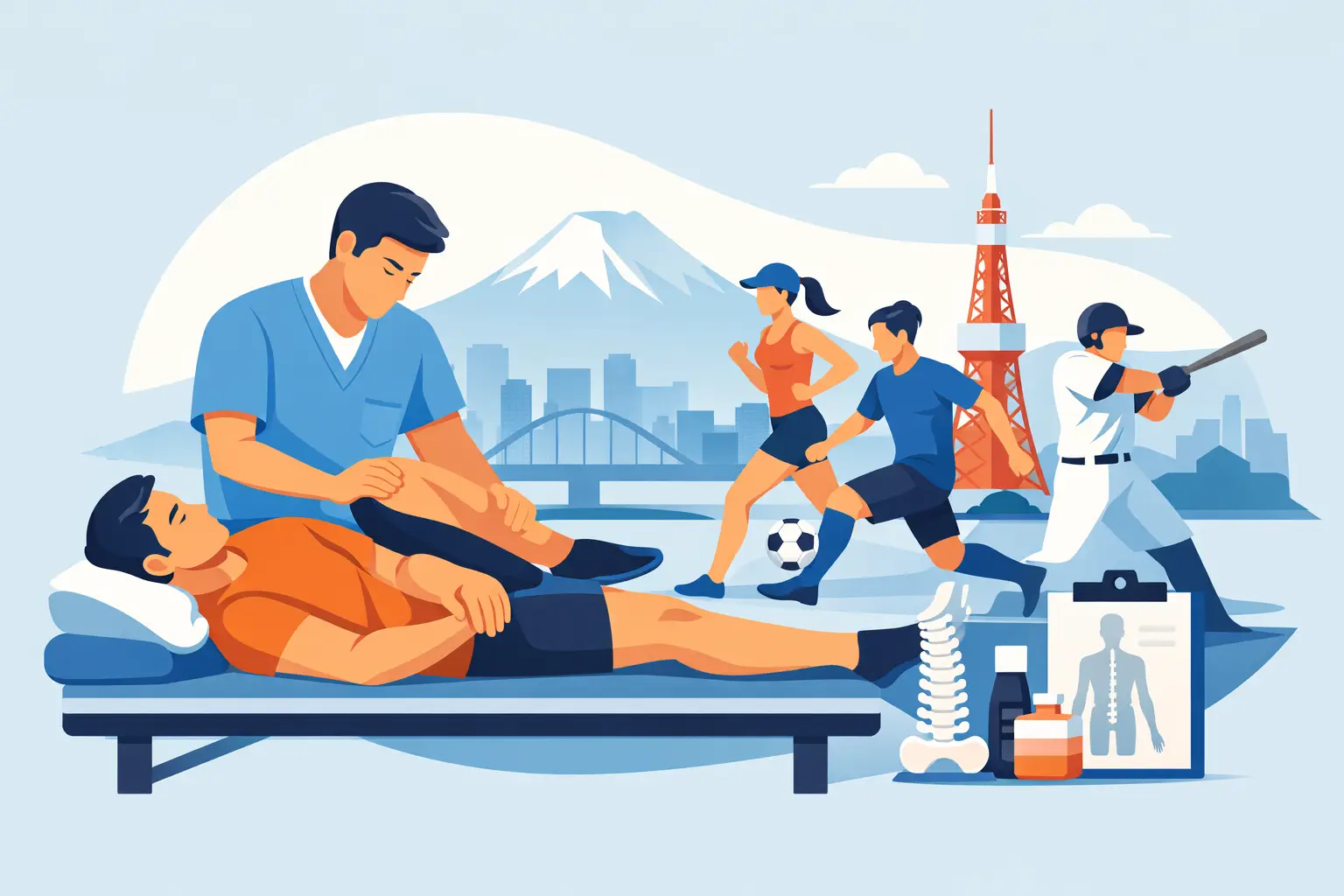
A sports osteopathy review is most useful when it answers the question athletes actually have: will this help me move, train, and recover with more confidence? Whether you are a runner managing recurring calf tightness, a golfer with a restricted shoulder, or a busy professional returning to exercise after pain, the right care should be more than a quick treatment for the area that hurts.
Sports osteopathy takes a whole-body view of performance and injury. It considers how joints, muscles, connective tissue, posture, movement habits, training load, sleep, and previous injuries may be contributing to your symptoms. The goal is not simply to reduce discomfort for a day or two. It is to identify meaningful restrictions and help your body return to more comfortable, efficient movement.
What Sports Osteopathy Is Designed to Address
Sports injuries are not limited to dramatic moments such as a rolled ankle or a collision on the field. Many problems build gradually: a knee that begins aching after longer runs, a hip that feels uneven during squats, or neck tension that appears after cycling, swimming, or long hours at a desk.
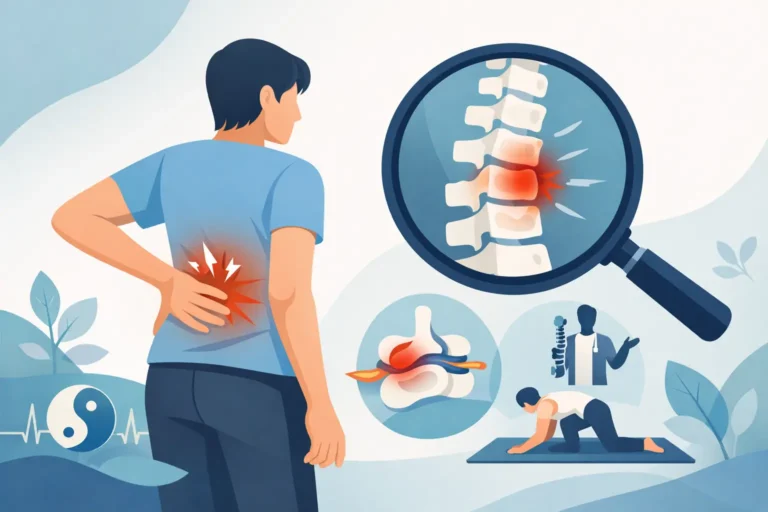
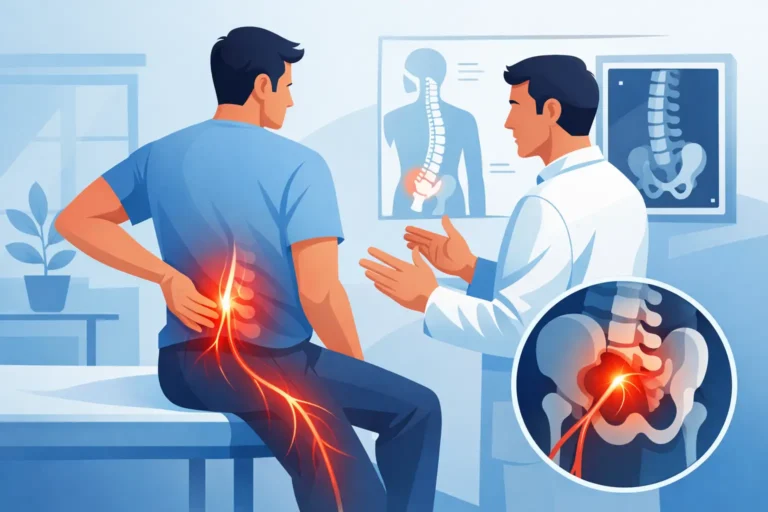
Osteopathic treatment may be appropriate for common concerns including muscle strains, tendon irritation, joint stiffness, lower back pain, sciatica-like symptoms, shoulder discomfort, neck pain, and reduced mobility after an injury. It can also support athletes who are not currently injured but feel that one side of the body is working harder than the other or that recovery is no longer keeping pace with training.
The assessment matters as much as the hands-on treatment. Pain in the knee, for example, may relate to local tissue irritation, but it can also be influenced by ankle mobility, hip control, old scar tissue, pelvic mechanics, or a recent increase in training volume. A careful practitioner does not assume every problem has one simple cause.
What to Look for in a Sports Osteopathy Review
When reading a sports osteopathy review or evaluating a practitioner, look beyond broad statements such as “great pain relief.” Positive feedback is valuable, but the details often tell you more about the quality of care.
A strong review may describe a practitioner who listened carefully, assessed the body thoroughly, explained findings in understandable language, and adapted treatment to the patient’s sport and comfort level. Athletes should feel that their goals are taken seriously, whether that means finishing a marathon, returning to tennis, lifting without back pain, or simply being able to walk around Tokyo without guarding every step.
It is also reasonable to look for comments about communication. For international residents, discussing pain and treatment in English, French, or Japanese can make a significant difference. Clear communication helps you understand what is being treated, why certain techniques are being used, and what you can safely expect after your appointment.
Credentials, clinical experience, and a practitioner’s ability to work alongside other healthcare providers also deserve consideration. Manual therapy can be highly helpful for many musculoskeletal concerns, but it is not a replacement for medical evaluation when symptoms suggest a fracture, serious ligament injury, neurological issue, infection, or another condition requiring urgent care.
What Happens During a Sports Osteopathy Appointment?
A first appointment should begin with a conversation, not an assumption. Your osteopath may ask when symptoms started, what movements aggravate them, how your training has changed, what injuries you have had before, and what you need your body to do in the coming weeks.
The physical assessment may include observing posture, checking joint range of motion, assessing muscle tension, and looking at how different areas work together. If you have ankle pain, the examination may include your foot, knee, hip, and lower back. This is not because every part of the body must be treated, but because movement is connected.
Hands-on care may combine gentle joint mobilization, soft-tissue techniques, stretching, muscle energy techniques, and, where appropriate, cranial or biodynamic approaches. Treatment should be adjusted to your condition, sensitivity, and goals. Some athletes prefer firmer work; others are recovering from an acute strain and need a gentler approach. More intensity is not automatically better.
You should also receive practical guidance. Depending on your presentation, that may mean modifying training for several days, changing your warm-up, pacing a return to sport, or adding a few targeted exercises. The best plan is realistic. An athlete preparing for an event may need a different strategy from someone who can temporarily reduce activity and focus on rehabilitation.
The Benefits and Limits of Hands-On Care
Sports osteopathy can help reduce muscle tension, improve comfortable joint motion, ease pain, and support recovery after training or injury. For many active adults, the immediate benefit is a clearer sense of what is happening in their body and what to do next.
However, treatment is not a shortcut around training load, rest, nutrition, or rehabilitation. If a tendon has been irritated by a sudden increase in mileage, hands-on care may reduce surrounding tension and improve movement, but the tendon still needs appropriate loading and time to adapt. If poor sleep and high work stress are slowing recovery, treatment may help you feel better, but the underlying recovery demands still need attention.
This is where individualized care is especially valuable. A skilled osteopath can help distinguish between discomfort that may be appropriate to monitor and symptoms that warrant referral or further investigation. They can also help you make sensible decisions about whether to continue, reduce, or pause a particular activity.
When Athletes Often Seek Osteopathic Care
Many patients wait until pain forces them to stop. Yet an earlier appointment can be useful when you notice persistent tightness, declining range of motion, repeated minor strains, or discomfort that changes how you move. These are not always signs of serious injury, but they are worth assessing before they become more limiting.
Osteopathic care can also be valuable during a return-to-sport phase. After an ankle sprain, for instance, pain may have improved while stiffness, balance changes, and compensatory hip or knee movement remain. Addressing these factors can help create a more confident return to running, court sports, or gym training.
For elite athletes, frequent travelers, and active professionals alike, recovery is rarely just about one body part. Long flights, unfamiliar hotel beds, work stress, and compressed training schedules can all affect how the body feels and performs. A personalized plan accounts for the reality of your life, not an idealized routine.
Choosing Care That Fits Your Goals
The most helpful sports osteopathy experience is collaborative. You should not feel rushed into a generic protocol or pressured to pursue treatment without a clear reason. Instead, you should leave with a practical understanding of your condition, a treatment plan matched to your goals, and guidance that respects your training priorities.
At Osteopath Tokyo, David Brisson provides one-on-one care for active adults and athletes using a combination of structural, soft-tissue, and whole-body osteopathic approaches. His experience with elite athletes and international patients supports a careful, personalized approach, whether you are managing a recent injury or a problem that has been affecting your performance for months.
The right time to seek care is often before pain becomes the center of your training plan. If your body is sending consistent signals that something is not moving or recovering as it should, a thoughtful assessment can help you respond with clarity rather than simply pushing through.