
Migraine Treatment That Looks Beyond Pain
A migraine rarely arrives out of nowhere. For many people, it builds quietly through neck tension, poor sleep, stress overload, hormonal shifts, dehydration, visual strain, or a long workweek spent bracing through discomfort. By the time the headache starts, the body has often been under pressure for hours or days. That is why effective migraine treatment should not focus only on the pain itself. It should also look at the patterns that may be contributing to it.
For adults living and working in Tokyo, this matters even more. Long commutes, desk-based jobs, irregular schedules, travel, and high stress can create the exact conditions that make migraines harder to control. If you have tried to simply push through them, or if medication helps but the migraines keep returning, a more complete approach may be worth considering.
What migraine treatment needs to address
Migraines are more than severe headaches. They can involve throbbing pain, nausea, light sensitivity, sound sensitivity, visual disturbances, dizziness, and a feeling that the whole nervous system is overloaded. Some people feel them on one side of the head. Others feel pressure through the temples, behind the eyes, or at the base of the skull. The intensity and pattern vary, which is one reason treatment should never be one-size-fits-all.
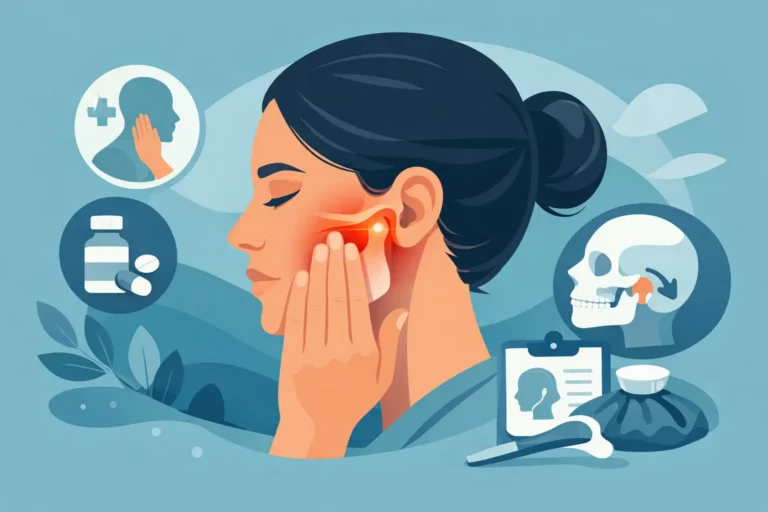
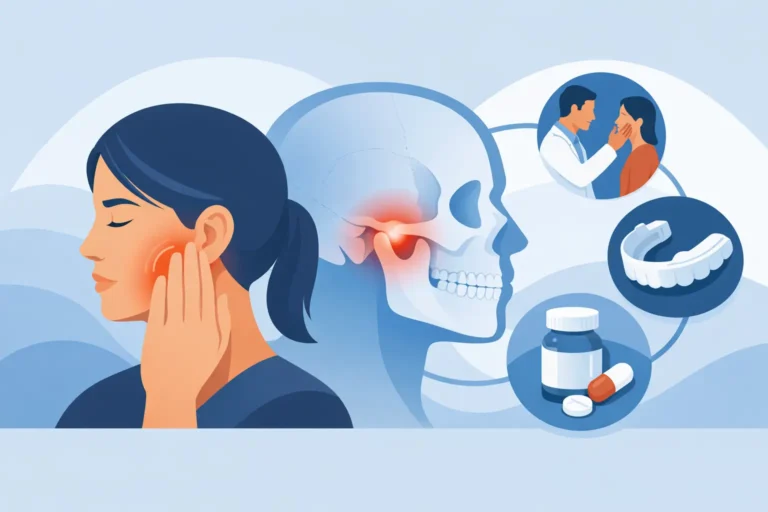
A thoughtful approach to migraine treatment begins by distinguishing migraine from other headache types. Tension headaches, cervicogenic headaches, sinus-related pain, and jaw dysfunction can overlap with migraines or act as triggers. In practice, many patients are not dealing with a single isolated issue. They may have migraine episodes made worse by neck restriction, muscular tension, poor breathing mechanics, TMJ strain, or chronic stress.
This is where hands-on care can be helpful. Rather than treating only the head, osteopathic assessment looks at how the whole body is functioning. Restrictions in the upper neck, shoulders, jaw, rib cage, and diaphragm can affect posture, circulation, breathing, and the way the nervous system responds to stress. When these areas are irritated or overloaded, they may contribute to a pattern that makes migraines more frequent or harder to recover from.
How osteopathic migraine treatment works
Osteopathic care for migraines is not about forcing an adjustment and hoping for the best. It is a precise, individualized process designed to reduce strain in the body and support better regulation of the nervous system.
Treatment may involve gentle work around the cervical spine, upper back, jaw, scalp, and surrounding soft tissues. In some cases, craniosacral or biodynamic techniques are appropriate, especially when the nervous system is highly sensitive and the patient does not tolerate more direct work well. In other cases, structural treatment is useful if postural strain, spinal restriction, or muscular tension is clearly part of the picture.
The goal is not to claim that every migraine comes from the neck. That would be too simplistic. The goal is to identify whether mechanical stress, tension patterns, or functional imbalance are increasing the burden on an already sensitive system. For some patients, that is a major piece of the puzzle. For others, it is one contributing factor among several.
This distinction matters. Good care respects complexity. Migraines may be influenced by hormones, sleep quality, food triggers, work stress, visual fatigue, past injuries, or changes in routine. A skilled practitioner should consider these factors while also assessing what can be improved physically through treatment.
When hands-on migraine treatment may help most
Patients often seek care when migraines are becoming more disruptive, even if the pattern has existed for years. They may notice that episodes start after long hours at a computer, after poor sleep, during stressful periods, or when neck stiffness increases. Others feel a migraine coming on after travel, exercise strain, or clenching the jaw at night.
In these cases, manual treatment may help by reducing local tension and improving mobility in areas that commonly influence headache patterns. The upper cervical spine is especially important, as is the relationship between the neck, jaw, and shoulders. If those structures are under constant strain, the body may remain in a more reactive state.
Some patients also report that migraines leave them feeling physically guarded for days afterward. The shoulders tighten, the scalp becomes tender, and the neck loses range of motion. That can create a cycle in which one episode sets the stage for the next. Treatment aimed at recovery between attacks can be just as valuable as treatment during an active flare-up.
That said, timing matters. Not every patient wants touch during an acute migraine, especially if they are sensitive to light, sound, or movement. In some cases, it is better to schedule care once the worst phase has passed. In others, very gentle treatment in a calm setting may still be tolerated. It depends on the person, the severity of symptoms, and how reactive their system is that day.
What to expect from a personalized assessment
A proper first visit should go beyond the question, “Where does it hurt?” Migraine treatment works best when the consultation explores frequency, duration, triggers, warning signs, previous injuries, stress levels, sleep, work posture, jaw tension, and any associated symptoms such as dizziness or nausea.
Physical assessment may include the neck, jaw, shoulders, thoracic spine, breathing mechanics, and overall posture. This helps clarify whether there are patterns of compression, compensation, or asymmetry that may be relevant. If the history suggests a more complex or medically urgent issue, that should be recognized immediately.
This point is essential. Migraines can sometimes resemble or overlap with symptoms that require medical evaluation. Sudden severe headache, new neurological symptoms, loss of strength, confusion, slurred speech, fever, or a dramatic change in your usual headache pattern should not be managed casually. Hands-on care has a role, but safety always comes first.
At Osteopath Tokyo, this type of individualized assessment is central to care. The aim is to understand not only the migraine itself, but the physical and lifestyle factors that may be keeping the body in a state where migraines recur more easily.
Why the best migraine treatment is rarely just one thing
Many patients are looking for a natural option because they are tired of relying only on medication. That is understandable, but it is also important to be realistic. Migraines are often best managed through a combination of strategies rather than a single solution.
For one person, manual therapy plus better workstation ergonomics may make a meaningful difference. For another, improvement may come from reducing jaw tension, improving sleep habits, and addressing neck mobility. Some patients benefit from co-management with a physician, especially if medication is part of symptom control or if hormonal and neurological factors are prominent.
This is not a weakness in treatment. It is simply the nature of migraines. They are multifactorial. The most effective care plans tend to be the ones that adapt to the individual rather than forcing every patient into the same protocol.
That is also why quick promises should be treated cautiously. Some people respond fast when a clear mechanical trigger is reduced. Others improve gradually as the body becomes less tense, sleep improves, and flare-ups become less frequent or less intense. Progress can mean fewer migraines, shorter duration, better recovery after an episode, or less dependence on pain medication. Those changes matter, even when the condition is not completely eliminated.
Choosing migraine treatment in Tokyo
If you are seeking migraine treatment in Tokyo, communication and clinical judgment both matter. You want a practitioner who listens carefully, explains findings clearly, and understands when manual treatment is appropriate and when referral is needed. For international residents especially, being able to discuss symptoms comfortably in English can make a major difference in how confident and informed you feel.
A premium standard of care also means treatment should be adapted to your comfort level. Some migraine patients are highly sensitive and need a gentler approach. Others have obvious postural and musculoskeletal drivers that can be addressed more directly. The right treatment is the one that fits your presentation, not the one that follows a fixed routine.
If migraines are interfering with work, family life, exercise, or your ability to enjoy daily life, it is worth looking beyond symptom suppression alone. Sometimes the next useful step is not doing more. It is understanding your pattern more clearly, and giving your body the kind of support that helps it stop fighting so hard.