Manual Therapy Versus Pain Medication Compared
A headache that returns after every long workday, a back that tightens during the commute, or hip pain that makes sleep difficult can create an understandable question: manual therapy versus pain medication – which approach is right for me? The answer is rarely an absolute choice. Medication can be appropriate and valuable, especially for acute pain, while skilled hands-on care may help address movement restrictions, tissue tension, and contributing patterns that tablets alone cannot change.
For many adults in Tokyo, the goal is not simply to get through the day with less pain. It is to return to work, training, parenting, travel, and sleep with greater confidence. Choosing care well begins with understanding what each option can realistically do, where its limits lie, and when a combined approach makes sense.
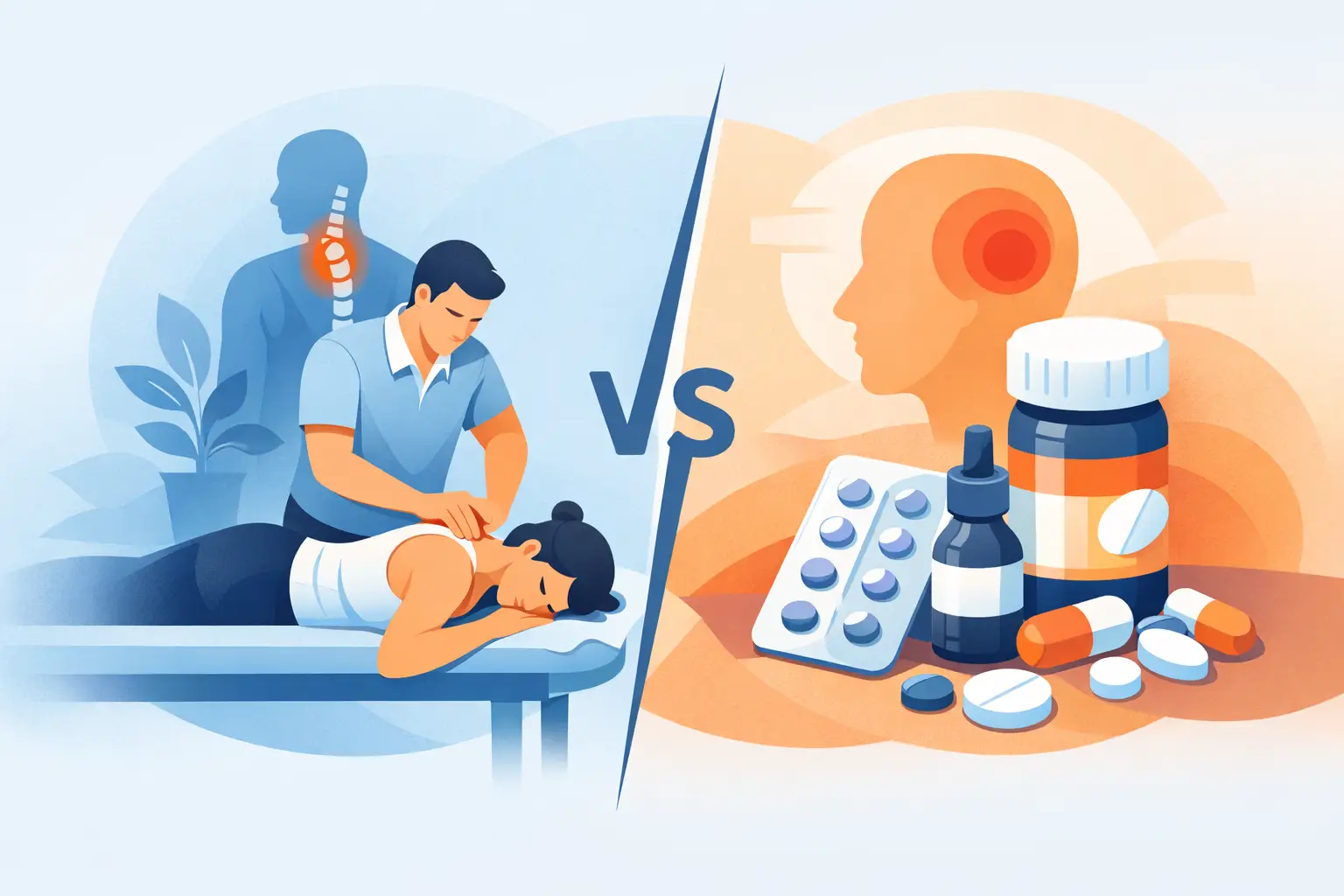
Manual therapy versus pain medication: the real question
Pain medication and manual therapy serve different purposes. Medication primarily changes how pain is experienced or helps reduce inflammation. Manual therapy uses a detailed physical assessment and hands-on techniques to improve comfort, mobility, and function. Neither approach should be presented as a cure-all.
If you have a sudden, severe injury, an inflammatory flare, or pain that prevents rest, medication may provide needed short-term relief. This can make it easier to sleep, move carefully, or participate in rehabilitation. However, when pain is linked to persistent muscle guarding, joint stiffness, repetitive strain, posture, training load, stress, or altered movement patterns, symptom relief alone may not resolve the factors keeping the problem active.
A thoughtful treatment plan considers the full picture: how the pain started, what makes it better or worse, your medical history, medications, work demands, sleep, sport, pregnancy or postpartum changes, and goals. It also recognizes that pain can have more than one driver.
What pain medication can and cannot do
Over-the-counter and prescription pain medicines are used for many different conditions. Acetaminophen can help reduce pain for some people. Nonsteroidal anti-inflammatory drugs, often called NSAIDs, may be useful when inflammation is a significant feature. In more complex situations, a physician may recommend other medications, including those aimed at nerve pain or muscle spasm.
The benefit is often speed. A well-chosen medication can reduce pain enough to help someone rest after an acute injury or tolerate a difficult flare. For some conditions, medication is an essential part of medical care, not something to avoid out of principle.
The trade-off is that medication does not directly restore restricted joint motion, improve movement coordination, reduce all sources of muscle tension, or identify why a problem returns after the effect wears off. It also carries potential risks. NSAIDs, for example, may not be suitable for people with certain stomach, kidney, cardiovascular, bleeding, or medication-related concerns. Pain medication can also mask pain that would otherwise signal a need to modify activity.
This does not mean you should stop a prescribed medicine. Any change to prescribed medication should be discussed with the physician who manages your care. The practical question is whether medication is being used as a short-term support within a wider recovery plan, or has become the only response to a recurring problem.
How manual therapy supports recovery
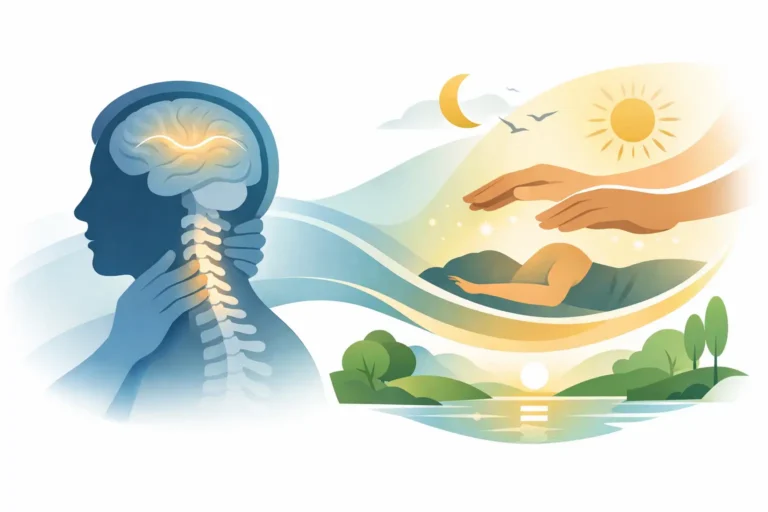
Manual therapy is not one single technique. In osteopathic care, it starts with listening closely and examining how your body moves as a connected system. The assessment may include the spine, hips, shoulders, jaw, rib cage, pelvis, muscles, connective tissue, and nervous system response, depending on your symptoms.
Treatment can include gentle joint mobilization, soft-tissue work, stretching, myofascial techniques, cranial and biodynamic approaches, and carefully selected adjustments when appropriate. The purpose is not to force the body into position. It is to reduce unnecessary strain, restore more comfortable movement, and help the body adapt more effectively.
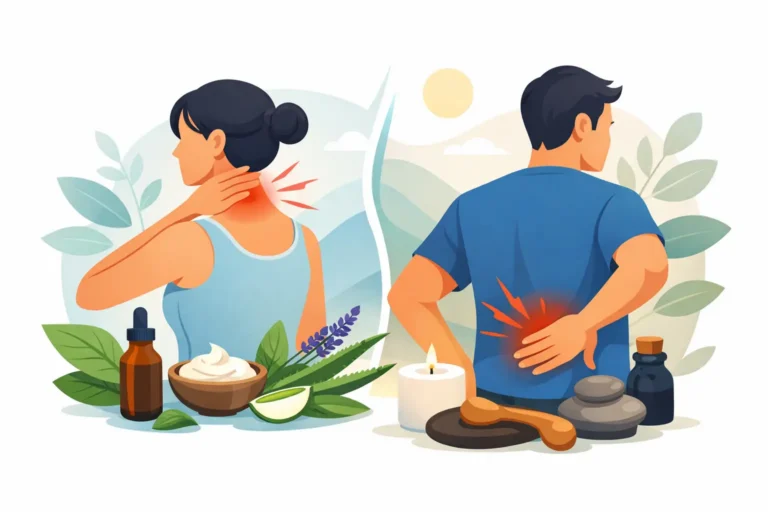
For example, lower back pain may be felt in the lumbar area but influenced by hip restriction, prolonged sitting, a recent increase in running, abdominal tension, or poor sleep. A recurrent headache may involve the neck and upper back, but also jaw tension, screen posture, stress load, or breathing patterns. A hands-on assessment can help identify which factors deserve attention.
The most useful manual therapy should feel personalized. Some people need a gentle approach because they are in an acute flare, pregnant, recovering postpartum, highly sensitive to touch, or simply anxious about treatment. Others may benefit from more active work alongside mobility and strengthening guidance. Your comfort, informed consent, and response to treatment should guide the pace.
When hands-on care may be the better first step
Manual therapy is often worth considering when pain is persistent, recurrent, or clearly linked to movement. Common examples include neck and back discomfort, sports-related strains, sciatica-like symptoms, shoulder restriction, jaw pain, tension headaches, and discomfort related to pregnancy or postpartum changes.
It may also be helpful when you have already tried resting or taking occasional pain medication but continue to experience the same pattern. This is particularly common among professionals whose pain is associated with long hours at a desk, frequent travel, demanding training, or stress that shows up physically as jaw clenching, shallow breathing, or muscle tension.
A session should not focus only on the area that hurts. It should leave you with a clearer understanding of what may be contributing to the problem and what you can do between visits. Depending on your condition, that may include adjustments to exercise, workstation setup, sleep position, pacing, mobility work, or recovery habits.
When medication and medical assessment come first
There are situations where manual therapy should not be the first or only response. New severe pain after significant trauma, fever, unexplained weight loss, chest pain, shortness of breath, fainting, rapidly worsening weakness, loss of bowel or bladder control, severe headache unlike previous headaches, or numbness in the saddle area all require urgent medical assessment.
Likewise, a painful, swollen joint; suspected fracture; infection; unexplained abdominal or pelvic pain; or neurological symptoms need appropriate evaluation. Manual therapy can be part of care later, but it should not delay diagnosis or emergency treatment.
For people with a known medical condition, recent surgery, osteoporosis, blood-thinning medication, cancer history, or a high-risk pregnancy, treatment needs careful adaptation and, in some cases, coordination with a physician. Good care is not defined by performing a technique. It is defined by making a sound clinical decision about whether that technique is appropriate.
A combined approach is often the most practical one
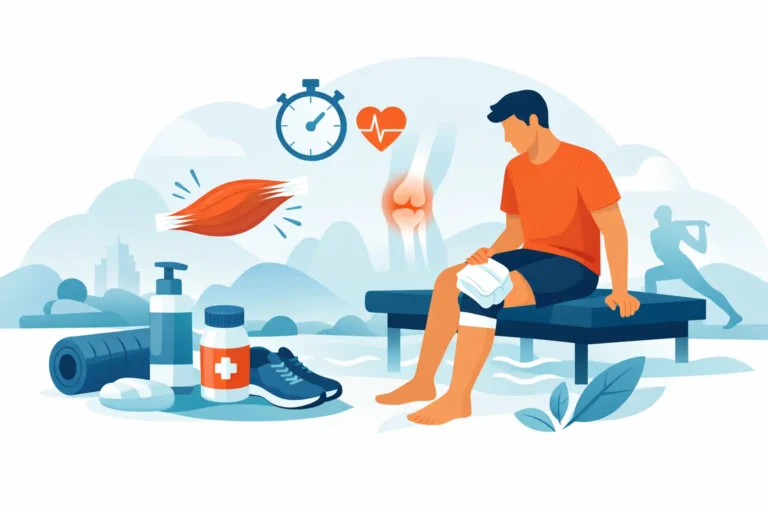
The choice does not have to be manual therapy or medication. For an acute back flare, a physician may recommend short-term pain relief while manual therapy and guided movement help restore confidence and function. After a sports injury has been medically assessed, medication may help manage symptoms while hands-on treatment addresses compensatory tension and supports a gradual return to activity.
The timing matters. If pain is too intense for you to move or sleep, symptom control may need to come first. Once the immediate flare is calmer, treatment can shift toward the underlying mechanical, behavioral, and recovery factors. If pain returns repeatedly, that is a strong reason to look beyond temporary relief.
At Osteopath Tokyo, each appointment is built around an individual assessment rather than a fixed sequence of techniques. This is especially valuable when language barriers, previous unsatisfying treatments, or a complex history have made it difficult to feel understood. Clear communication is part of the treatment itself.
What to expect from a responsible treatment plan
A high-quality plan sets realistic expectations. Some people notice easier movement or reduced tension after one session. Others, particularly those with chronic pain, pregnancy-related changes, longstanding injuries, or repeated flare-ups, need a phased approach. Progress may include less frequent pain, improved range of motion, better sleep, greater training tolerance, or feeling more in control of daily activity.
Your practitioner should also be willing to refer you when your presentation calls for imaging, medical testing, specialist care, or another type of rehabilitation. The safest plan is one that respects the limits of every treatment option.
If pain is asking you to slow down, you do not have to choose between ignoring it and relying on medication indefinitely. Start with a careful assessment, ask what may be driving the pattern, and choose support that helps you move forward with greater comfort and confidence.