Cycling Injury Recovery for a Safer Return
A knee that protests on every climb, low back tightness after an hour in the saddle, or a wrist that remains sore after a fall can make a favorite ride feel uncertain. Effective cycling injury recovery is not simply a matter of taking several days off and hoping for the best. It means understanding what has been overloaded, restoring comfortable movement, and returning to training at a pace your body can tolerate.
Cyclists are often highly motivated people. That is an advantage during rehabilitation, but it can also lead to a familiar mistake: testing an injury too soon because daily pain has improved. A thoughtful recovery plan protects fitness while giving irritated tissues, joints, and the nervous system enough time to settle and adapt.
Why Cycling Injuries Can Persist
Cycling is low impact, but it is repetitive. Thousands of pedal strokes place the hips, knees, ankles, spine, shoulders, and hands in the same positions for long periods. Small restrictions in mobility or changes in technique can become significant when repeated over a commute, weekend ride, or demanding training block.
Knee pain may arise from a sudden increase in hills or volume, but it can also be influenced by hip control, ankle mobility, cleat position, saddle height, or fatigue. Neck and back discomfort can be related to prolonged reaching, limited thoracic spine movement, tight hip flexors, or a bike setup that no longer suits the rider. A crash adds another layer of complexity, as a shoulder, wrist, rib, or pelvis may compensate long after visible bruising has faded.
This is why the location of pain is not always the whole story. Treating only the sore area can provide temporary relief, while missing the movement pattern or training error that keeps loading it.
The First Phase: Settle Symptoms Without Becoming Inactive
In the first days after a strain, overuse flare-up, or fall, the goal is to reduce aggravation while maintaining as much normal movement as is comfortable. Complete rest may be appropriate briefly after a significant injury, but prolonged inactivity can lead to stiffness, reduced confidence, and a loss of strength that makes returning harder.
Relative rest is usually more useful. This may mean avoiding hard climbs, long rides, sprinting, or the position that reliably triggers symptoms while continuing gentle walking and pain-free daily activity. If easy spinning does not worsen symptoms during the ride or the following day, it may be a reasonable bridge back to training. The appropriate choice depends on the injury, its severity, and your medical history.
Pain is useful information, not a test of toughness. Mild discomfort that settles quickly can be different from sharp pain, joint instability, numbness, swelling, or symptoms that escalate after activity. A recovery plan should respond to those differences rather than applying a single rule to every rider.
When to Seek Prompt Medical Assessment
After a cycling crash, seek urgent medical care for suspected fracture or dislocation, severe headache, loss of consciousness, confusion, repeated vomiting, chest pain, difficulty breathing, substantial swelling, or an inability to bear weight or use a limb normally. New weakness, numbness, or changes in bladder or bowel control also require prompt assessment.
Even without an emergency, persistent pain, recurrent swelling, a locking joint, or symptoms that have not improved with sensible load reduction deserve professional evaluation. Getting clear guidance early can prevent a manageable issue from becoming a prolonged interruption to riding.
A More Complete Approach to Cycling Injury Recovery
For many riders, the most useful care begins with a careful history. When did the pain begin? Did training load change? Was there a crash, a new bike, different shoes, or a change in cleat position? Which movements hurt, and what happens later that evening or the next morning? These details help distinguish a short-lived overload from a problem that needs more structured rehabilitation.
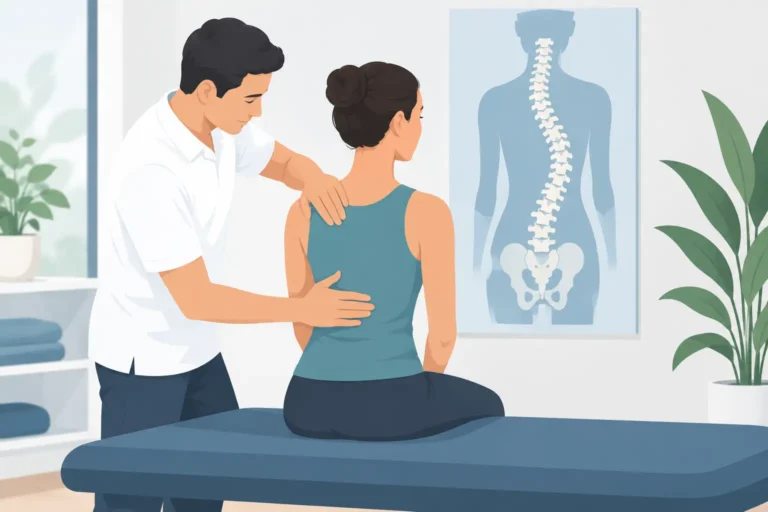
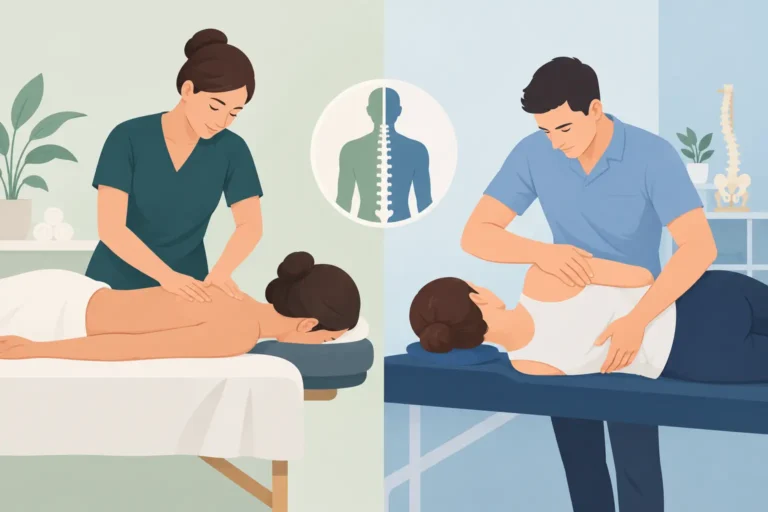
An osteopathic assessment considers the painful area in the context of the whole body. For a cyclist with anterior knee pain, this may include the knee itself as well as the foot and ankle, hip mobility, pelvic control, lumbar spine, and the way the body manages load. For neck or shoulder discomfort, attention may extend to rib movement, thoracic mobility, breathing mechanics, posture, and previous injuries.
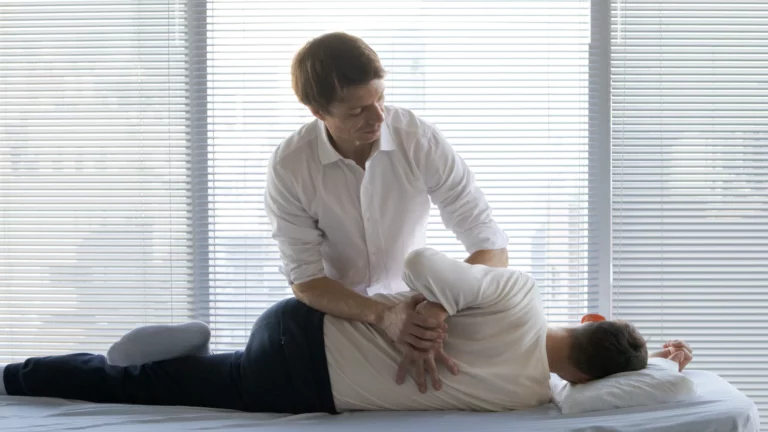
At Osteopath Tokyo, treatment is tailored to the individual rather than based on a fixed routine. Hands-on osteopathic care may include gentle joint mobilization, soft-tissue techniques, and approaches intended to improve movement and reduce protective tension. The purpose is not to force the body into a position, but to help restore comfortable, efficient motion while respecting symptoms and healing time.
Hands-on treatment works best alongside practical changes. A rider may need to adjust training volume, rebuild hip and trunk strength, improve mobility in a restricted area, or arrange a professional bike fit. No single intervention replaces the others. The right combination depends on whether the main driver is a recent trauma, accumulated workload, bike position, or a long-standing compensation pattern.
Rebuild Capacity Before You Rebuild Intensity
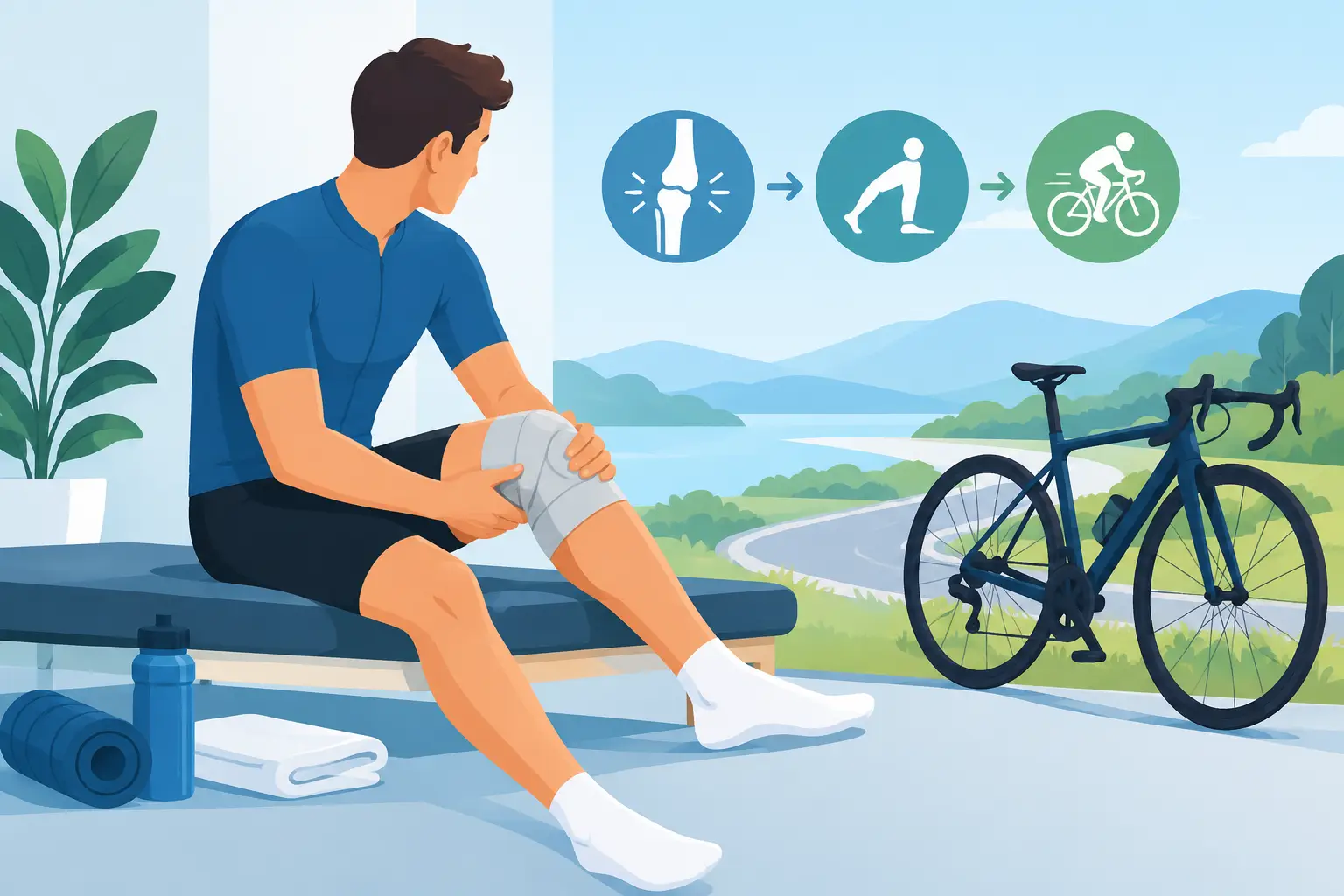
Once everyday movement and easy cycling are more comfortable, rehabilitation shifts from calming symptoms to rebuilding capacity. This is the phase that often determines whether the injury returns.
Start by increasing one variable at a time. Duration, intensity, elevation, frequency, and time spent in an aggressive riding position all add load. If you increase several together, it is difficult to identify what the body was not ready for. A flatter, shorter ride at an easy effort is generally a more useful test than returning immediately to intervals or a long mountain route.
Monitor how you feel during the ride, later that day, and the next morning. Symptoms that are clearly worse for more than 24 hours suggest the previous load was too high. This does not mean all progress is lost. It simply means the next session should be reduced or modified.
Strength and control matter because cycling alone does not always prepare the body for every demand placed on it. Depending on the injury, rehabilitation may include progressive work for the glutes, quadriceps, calves, trunk, upper back, or shoulder stabilizers. Exercises should be selected for the rider and performed with good form. The goal is not to create fatigue for its own sake, but to improve the ability to tolerate riding without compensating.
Do Not Ignore Bike Fit
A bike fit is not a cure for every pain, but it is a meaningful part of prevention and recovery. A saddle that is too high can increase strain through the hips and behind the knee. A reach that is too long or handlebars that are too low may contribute to neck, hand, shoulder, or back symptoms. Cleat alignment can change how forces travel through the foot, ankle, and knee.
The timing matters. If a cyclist is acutely painful, forcing a major new position can be difficult to interpret. Often, it is sensible to first settle the injury, then review the fit as movement becomes more natural. In other cases, an obvious setup issue should be addressed early to avoid repeating the same irritation.
Recovery Also Requires Patience
The pressure to return can be particularly strong for commuters, athletes preparing for an event, and busy professionals whose bike ride is their main stress relief. Yet returning before the body is ready often turns a short recovery into a recurring problem.
A safer return does not require waiting until you feel perfect or avoiding every sensation. It requires a pattern of steady improvement, confidence in basic movement, and a gradual reintroduction of the specific demands you want to return to. A rider recovering from low back pain should eventually tolerate sustained riding posture. Someone returning after a shoulder injury should be comfortable braking, signaling, and handling uneven pavement. Rehabilitation should resemble the real demands of cycling.
If pain has been frustrating or persistent, individualized care can offer both a clearer explanation and a practical way forward. Listen to the signals your body gives you, progress with intention, and allow recovery to become part of becoming a more resilient rider.