How to Relieve Pregnancy Backache Safely
A backache that begins as a dull pull after a long day can become the part of pregnancy that shapes every decision: how long you can stand on the train, whether a walk feels worthwhile, or how carefully you turn over in bed. Learning how to relieve pregnancy backache starts with understanding that your body is adapting rapidly, not failing. With the right support, many women can move more comfortably and protect their energy for the months ahead.
Why pregnancy backache is so common
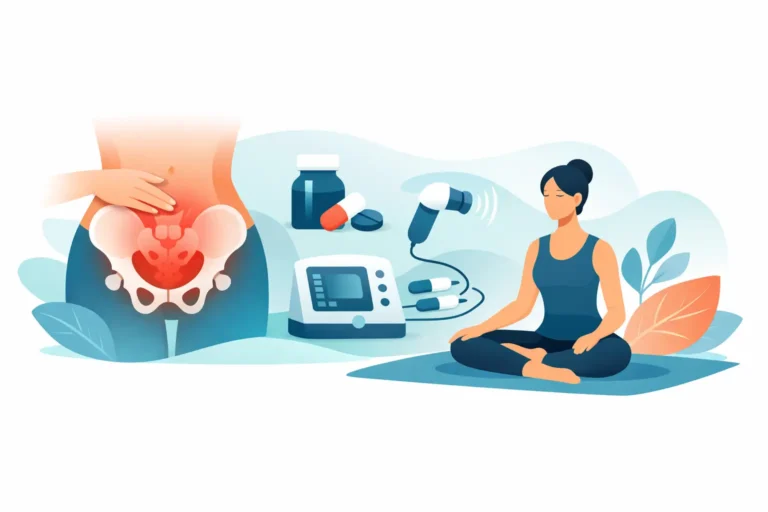
Pregnancy changes more than body weight. As your abdomen grows, your center of gravity shifts forward and the muscles in your lower back work harder to keep you upright. The pelvis also adapts in preparation for birth. Hormonal changes can make ligaments more flexible, which is useful but may leave the joints around the pelvis feeling less supported.
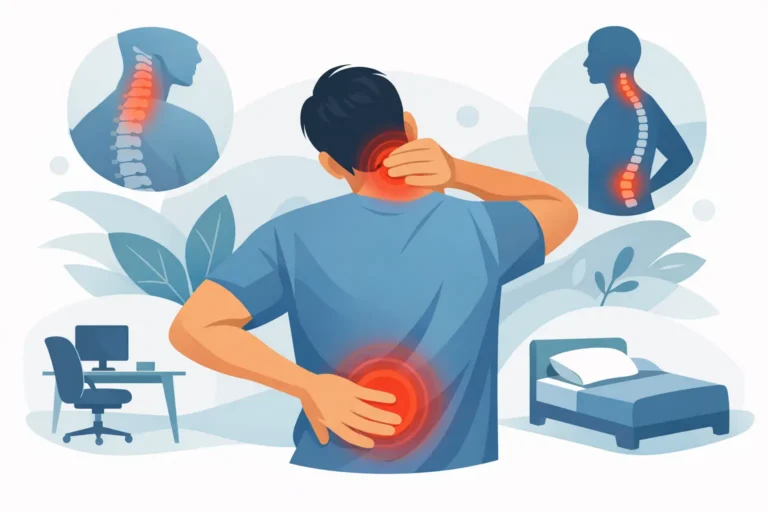
Back discomfort may be centered in the low back, spread into one buttock, or feel like an ache through the sacroiliac joints near the dimples at the back of the pelvis. Some women notice it most after sitting at a desk; others feel it during walking, climbing stairs, or rolling in bed. Previous back injuries, demanding work, reduced sleep, and caring for older children can all add to the load.
The goal is not to eliminate every sensation of change. It is to reduce unnecessary strain, maintain comfortable movement, and identify pain that deserves individual assessment.
How to relieve pregnancy backache at home
Small adjustments performed consistently are usually more valuable than one intense stretching session. Choose approaches that feel comfortable and stop any movement that creates sharp pain, increasing pelvic pressure, dizziness, or symptoms that travel down the leg.
Change positions before pain builds
Long periods in any one posture can aggravate an already sensitive back. If you work at a computer, aim to stand, walk briefly, or gently change position every 30 to 60 minutes. Place both feet on the floor, bring the screen closer to eye level, and use a small cushion behind the lower back if it helps you avoid slumping.
When standing, distribute weight through both feet rather than resting into one hip. This is especially useful while cooking, waiting for public transportation, or holding a phone. If standing still is uncomfortable, placing one foot on a low step or cabinet ledge for short periods can reduce strain on the lower back.
Keep moving, but choose the right dose
Gentle, regular movement supports circulation, joint mobility, and muscle endurance. Walking, swimming, prenatal yoga, and pregnancy-appropriate strength training can all help, depending on your medical history and current symptoms. The best choice is one you can do without a flare-up later that day or the next morning.
A useful rule is to finish activity feeling no worse than when you began. If a 30-minute walk increases pelvic or back pain, try 10 to 15 minutes at an easier pace and build gradually. Pregnancy is not the time to push through persistent pain simply because an activity used to feel easy.
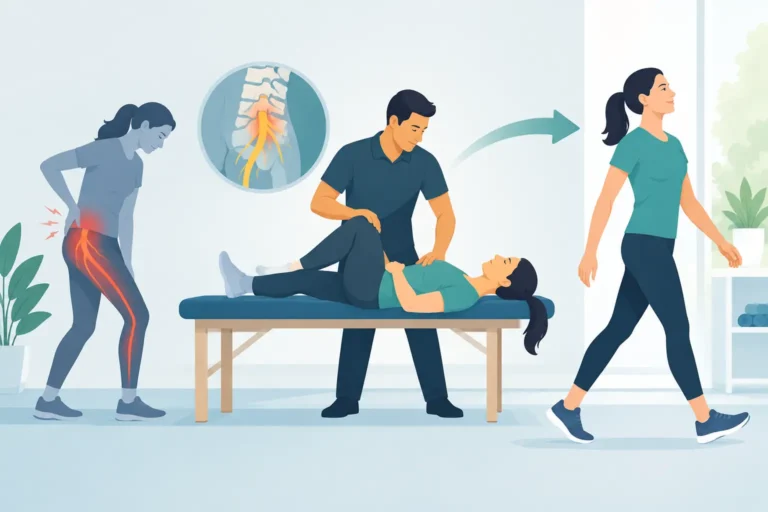
Gentle pelvic tilts, supported hip mobility exercises, and controlled breathing can also be useful. Technique matters, particularly if you have pelvic girdle pain, sciatica-like symptoms, or a history of disc problems. A qualified clinician can help you choose movements that match your stage of pregnancy rather than relying on generic online exercise routines.
Make sleep and turning easier
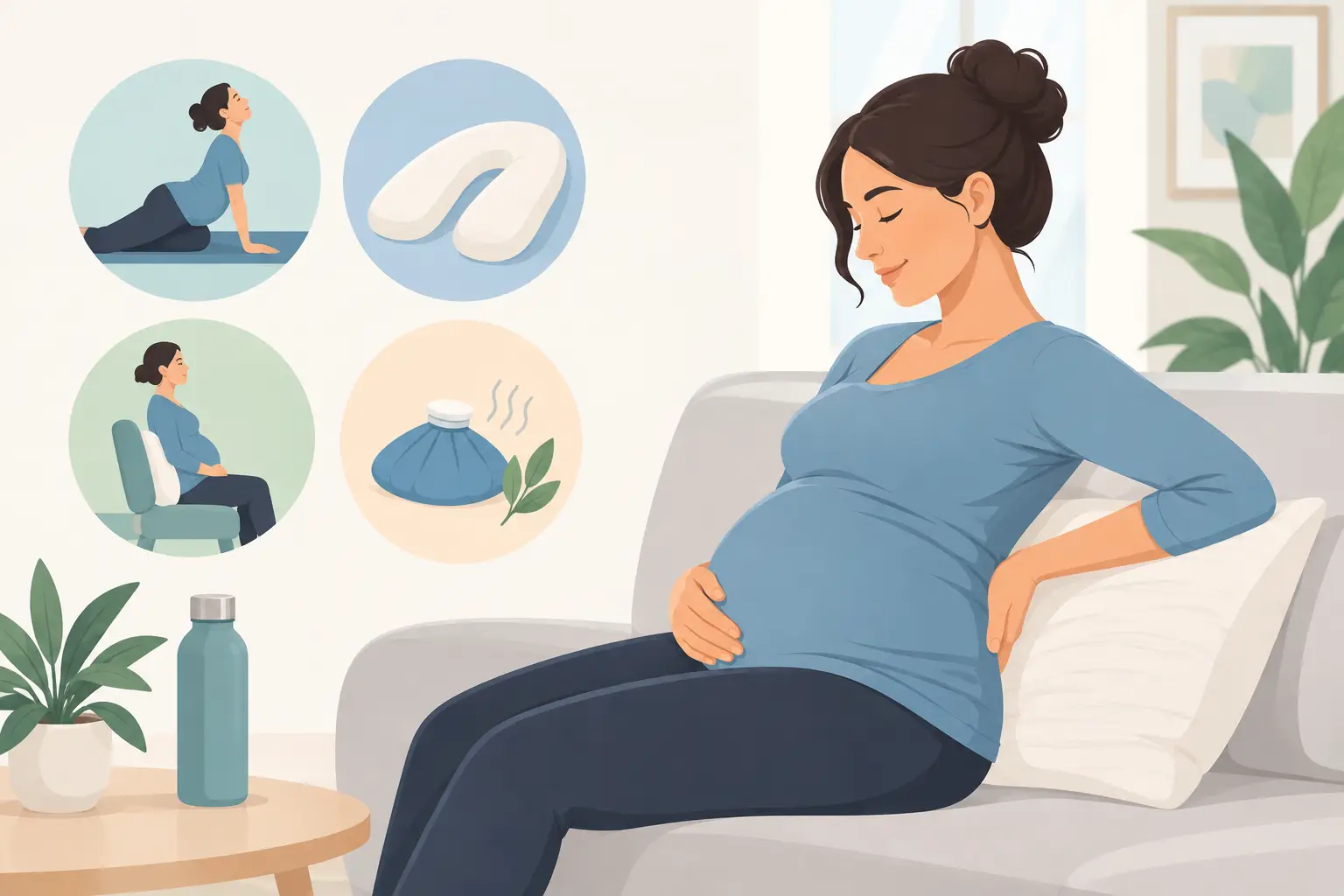
Nighttime backache often has a practical cause: the pelvis is unsupported, or turning requires the back and hips to move separately. Side sleeping with a pillow between the knees and ankles can keep the pelvis more neutral. Many women also find relief with a pillow under the abdomen and another behind the back for gentle support.
When getting out of bed, roll onto your side first, lower your legs together, and press up with your arms. This simple log-roll method can reduce the sudden twisting that often triggers pain. The same principle applies when getting in and out of a car: keep knees together and pivot your whole body rather than twisting through the pelvis.
Use warmth and simple recovery strategies
A warm shower, warm bath if approved by your maternity provider, or a warm compress over the low back may ease muscular tension. Avoid overheating and do not place intense heat directly over the abdomen. A short period of rest can be helpful, but prolonged bed rest usually leads to more stiffness and less confidence with movement.
Supportive footwear also matters more than it may seem. Shoes with stable soles can make daily walking more comfortable, especially as balance and gait change. If you use a maternity support belt, it should feel supportive rather than restrictive. Some women benefit greatly, while others find that a belt increases pressure or feels uncomfortable. Fit and timing make a difference.
When back pain may need more than self-care
Pregnancy backache is common, but severe or unusual pain should never be dismissed as simply part of pregnancy. Contact your obstetrician, midwife, or urgent medical service promptly if you have back pain with vaginal bleeding, fever, painful urination, regular contractions, fluid leakage, severe abdominal pain, new weakness, numbness around the groin, or loss of bladder or bowel control.
Pain that shoots below the knee, progressive numbness, or significant difficulty walking also deserves timely assessment. In later pregnancy, a sudden major change in symptoms should be discussed with your maternity care team. Your clinician can rule out causes that require medical treatment and advise which forms of movement or manual care are appropriate.
How osteopathic care can support pregnancy comfort
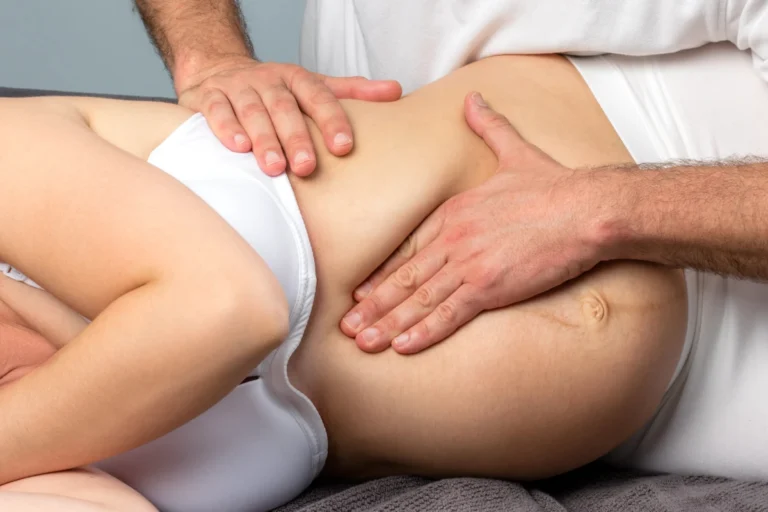
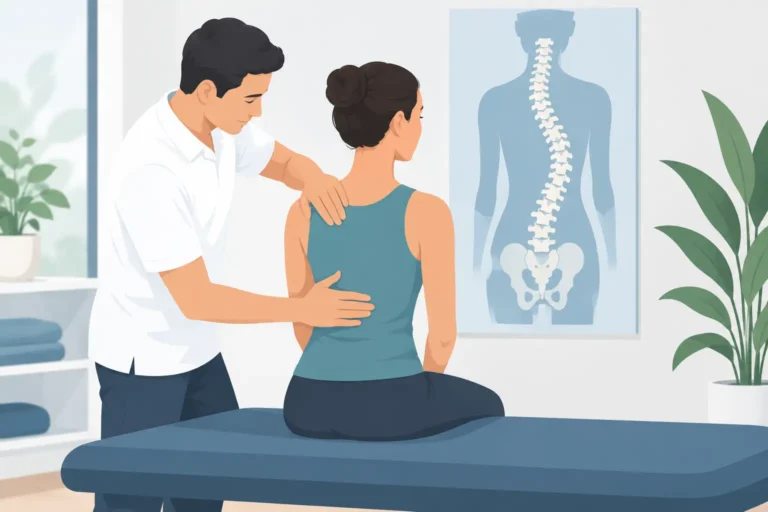
When backache persists despite sensible changes at home, hands-on care may provide a more individualized option. Pregnancy-focused osteopathic treatment begins with a careful discussion of your symptoms, medical history, stage of pregnancy, daily demands, and maternity provider guidance. Assessment considers not only the painful area, but also the hips, pelvis, ribs, posture, breathing mechanics, and the way you move.
Treatment is adapted for pregnancy and should be comfortable, gentle, and respectful of your changing body. Depending on your needs, this may include soft-tissue techniques for overworked muscles, gentle work to improve mobility around the pelvis and spine, and practical advice on sleeping, lifting, walking, and exercise. There is no one technique that suits every pregnant patient. The right approach depends on whether your pain is primarily muscular, joint-related, influenced by posture, or associated with pelvic girdle sensitivity.
At Osteopath Tokyo, care is planned around comfort, safety, and clear communication. For international residents, having an English-speaking practitioner can make it easier to describe subtle symptoms, understand what is being assessed, and coordinate care with an obstetrician or midwife when needed. Treatment does not replace prenatal medical care, but it can be a valuable part of a broader plan to remain active and comfortable.
Daily habits that protect your back
The way you lift and carry often determines whether a manageable ache becomes an ongoing irritation. Keep objects close to your body, bend through the knees and hips as comfortably as possible, and avoid twisting while carrying weight. If you have a toddler, bring them close before lifting and turn with your feet rather than rotating through your trunk.
It also helps to reduce unnecessary asymmetry. Alternate the side on which you carry a bag, avoid crossing your legs for long stretches if it aggravates your pelvis, and sit down to put on shoes or pants rather than balancing on one leg. These details are modest, but they reduce repeated strain across an entire day.
Finally, give yourself permission to adjust expectations. Pregnancy backache is not a test of resilience. A shorter walk, an extra break between errands, or asking for help with heavy shopping may be exactly what allows you to stay mobile and feel more like yourself. If pain is changing how you sleep, work, or enjoy daily life, personalized support can help you find a safer, more comfortable path forward.