Osteopathy for Desk Workers With Neck Pain
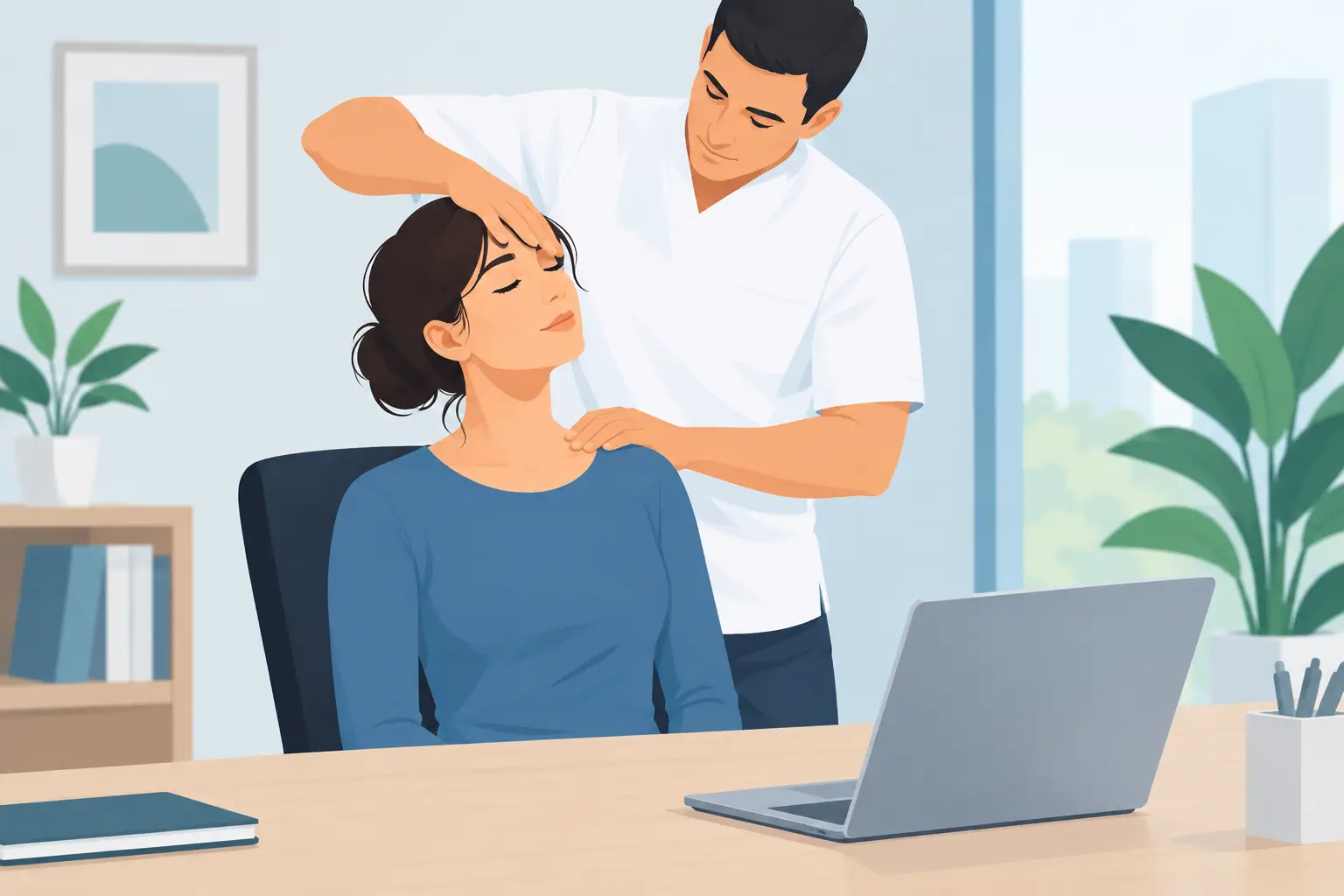
A laptop screen set slightly too low, a phone held between the shoulder and ear, and a deadline that keeps you seated for three more hours can be enough to turn a manageable ache into persistent pain. Osteopathy for desk workers addresses more than a tight neck. It looks at how your head, shoulders, spine, rib cage, jaw, and hips are adapting to the demands of your workday.
For many professionals in Tokyo, discomfort builds quietly. You may begin by noticing stiffness when turning to check traffic, tension behind the eyes late in the afternoon, or a low back that feels locked after a commute. Over time, these patterns can affect sleep, exercise, concentration, and the simple pleasure of moving without caution.
Why desk work can cause pain beyond the desk
Sitting is not inherently harmful. The problem is usually prolonged, repetitive positioning with too little variation. When the body stays in one posture for hours, certain muscles work continuously to hold you there while others become less active. The head may drift forward, the upper back can become rounded, and the shoulders often rotate inward toward the keyboard.
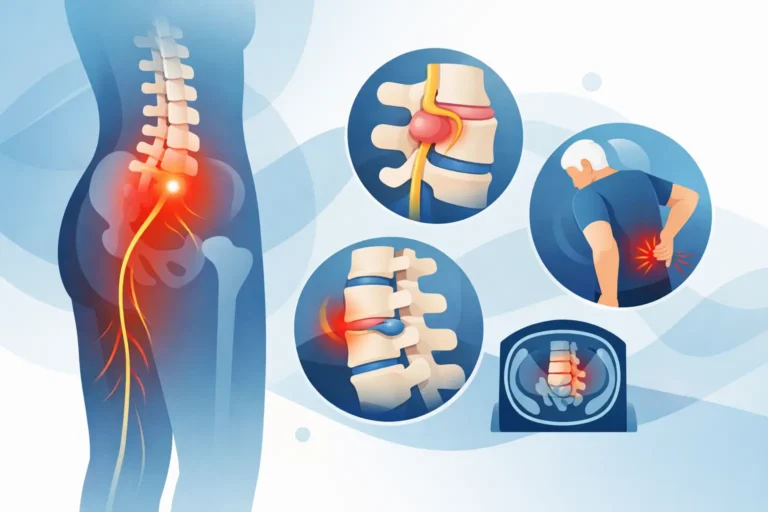
This pattern can overload the neck and upper trapezius muscles, reduce comfortable movement through the thoracic spine, and change how the ribs move with each breath. A stiff upper back may then encourage the neck and jaw to compensate. That is why someone who initially seeks care for shoulder pain may also experience headaches, jaw clenching, arm tingling, or restricted breathing.
The lower body is involved as well. Long periods of sitting can leave the hip flexors and lower back feeling compressed. If you cross one leg repeatedly, lean toward a second monitor, or carry a bag on the same shoulder every day, the pelvis may also adapt asymmetrically. The result is not always a single injury. More often, it is an accumulation of small stresses that the body has not had the opportunity to recover from.
Stress can intensify this cycle. A demanding meeting or long video call often changes breathing and increases muscle tension without you noticing. Physical strain and mental load are closely connected, particularly when headaches, jaw symptoms, poor sleep, or fatigue are part of the picture.
How osteopathy for desk workers approaches the problem
Osteopathic care begins with a careful conversation and assessment rather than an assumption that pain is coming from one isolated area. Your osteopath will ask about your symptoms, work setup, exercise, previous injuries, sleep, stress, and any activities that make your condition better or worse.
The physical assessment considers posture, comfortable range of motion, muscle tone, spinal and joint mobility, and the way different areas of the body influence one another. Neck pain, for example, may involve restrictions through the upper back and ribs, tension around the jaw, or a shoulder that is not moving freely. Low back pain may relate to hip mobility, pelvic mechanics, or a recent change in training volume as much as to your office chair.
This whole-body approach matters because the most painful area is not always the only area requiring attention. It also avoids a one-size-fits-all response. Two people can have the same desk setup and very different needs: one may need help restoring thoracic movement, while another may need a plan focused on jaw tension, breathing patterns, and recovery from stress.
What treatment may involve
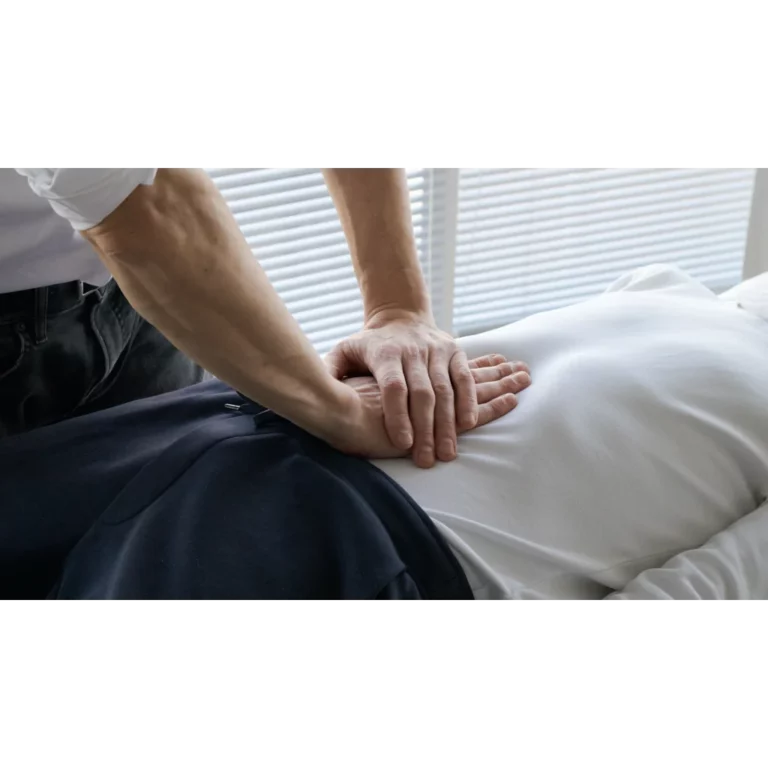
Treatment is hands-on and adapted to your presentation, comfort level, and medical history. Depending on the assessment, an osteopath may use gentle joint mobilization, soft-tissue techniques, stretching, myofascial work, craniosacral or biodynamic approaches, and targeted structural adjustments when appropriate.
The goal is not simply to make a tight muscle feel temporarily looser. Treatment aims to improve how the affected regions move and work together, reduce unnecessary strain, and help your nervous system settle from a persistent state of guarding. Many patients describe feeling lighter or freer after a session, but lasting improvement usually depends on combining treatment with practical changes to movement and work habits.
For desk-related symptoms, care may focus on the neck, shoulders, upper back, ribs, diaphragm, jaw, lower back, hips, or forearms. If you use a trackpad extensively, for instance, the wrist and forearm may need attention, but so may the shoulder and upper back that support the arm throughout the day.
At Osteopath Tokyo, care is individualized rather than delivered as a fixed sequence of techniques. This is particularly valuable for international professionals who want clear explanations in English and a treatment plan that fits a busy Tokyo schedule. The number and frequency of visits depend on the severity and duration of symptoms, your response to care, and whether there are contributing factors outside the office.
Small changes that support treatment
An expensive chair will not solve every problem, and there is no perfect posture to hold all day. A more useful goal is movement variety. Your body generally tolerates a range of positions better than one carefully arranged position maintained for hours.
Try to place your main screen near eye level and close enough that you are not reaching your head forward to read it. Keep frequently used items within easy reach, and consider using a headset rather than cradling a phone against your shoulder. These changes reduce unnecessary strain, but they work best when paired with regular movement.
Brief movement breaks can be more realistic and more effective than waiting for one long workout at the end of the day. Stand during a call, walk to refill your water, gently rotate your upper back, or change from sitting to standing for part of a task. The right frequency depends on your workload, but even one or two minutes of movement each hour can interrupt the buildup of stiffness.
Exercise also helps, although the best choice depends on your symptoms. Strength training, walking, swimming, yoga, and Pilates can all support mobility and resilience when progressed sensibly. If your pain worsens sharply with activity, or if you are returning after an injury, personalized guidance is more useful than forcing yourself through a generic routine.
What to expect after an appointment
Some people feel immediate relief, while others notice a gradual change over the following days. Mild tenderness or fatigue can occur after hands-on treatment, especially when tissues have been irritated or movement has been restricted for a long time. Your osteopath can explain what is normal for your situation and suggest suitable activity levels between visits.
You should also receive guidance that is specific enough to use at work. Rather than being told simply to “sit up straight,” you may be advised to change monitor placement, vary your position, modify gym training temporarily, or use a short mobility exercise that matches your particular restrictions. The aim is to make your workday more comfortable without creating an unrealistic set of rules.
When desk pain needs additional medical attention
Osteopathic treatment can be helpful for many musculoskeletal complaints, but not every symptom should be managed as routine desk strain. Seek prompt medical evaluation for severe or worsening weakness, persistent numbness, loss of coordination, significant unexplained weight loss, fever, chest pain, a sudden severe headache, or pain after a substantial accident.
If symptoms do not improve as expected, an osteopath may recommend collaborating with another healthcare professional or arranging further assessment. Thoughtful care includes recognizing when imaging, medical treatment, or a different specialist is needed.
Your work may require long hours at a screen, but pain does not have to become part of the job description. With a precise assessment, hands-on care, and changes you can realistically maintain, your body can become more comfortable, mobile, and supported through the demands of the week.