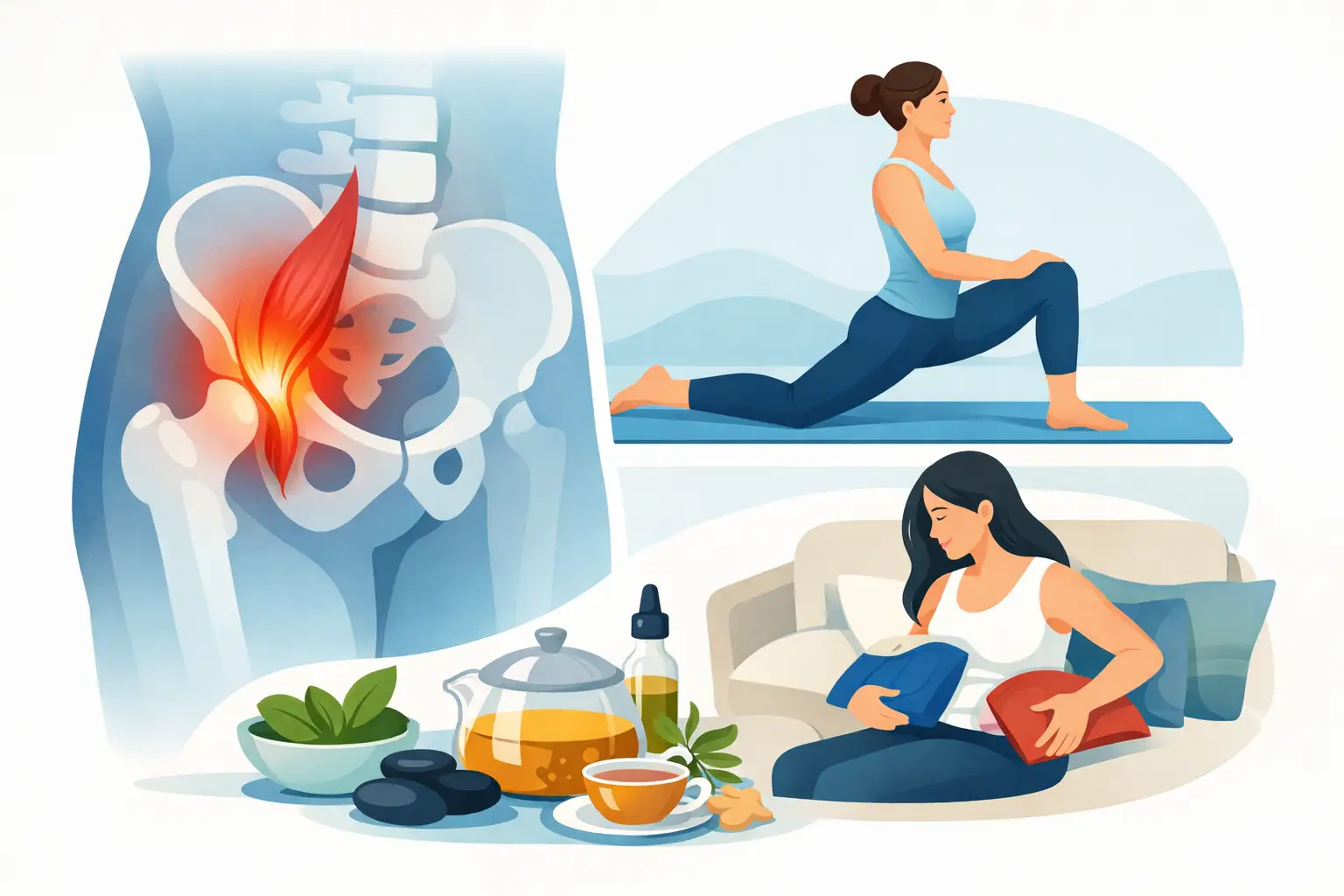
How to Treat a Hip Flexor Strain Naturally
A hip flexor strain can make ordinary Tokyo life unexpectedly difficult. Getting out of a low taxi, climbing station stairs, lifting a child, or taking a longer stride can create a sharp pinch at the front of the hip. To treat a hip flexor strain naturally, the goal is not simply to stretch through the discomfort. It is to calm the irritated tissue, restore comfortable movement, and gradually rebuild the strength that protects the area from another flare-up.
The hip flexors are a group of muscles that help lift the thigh toward the body. The iliopsoas, rectus femoris, and tensor fasciae latae are common contributors to pain at the front of the hip or upper thigh. They can become strained during sprinting, kicking, deep lunges, sudden changes of direction, prolonged sitting, or a rapid increase in exercise. The right approach depends on the severity of the strain, your activity demands, and whether other structures are also involved.
First, recognize what a hip flexor strain feels like
A mild strain often feels like tightness, tenderness, or a pulling sensation in the groin or front of the hip. You may notice it most when walking uphill, bringing your knee toward your chest, standing after sitting, or extending the leg behind you. Moderate strains can cause more distinct pain, weakness, or limping. A severe injury may involve sudden sharp pain, bruising, swelling, or an inability to use the leg normally.
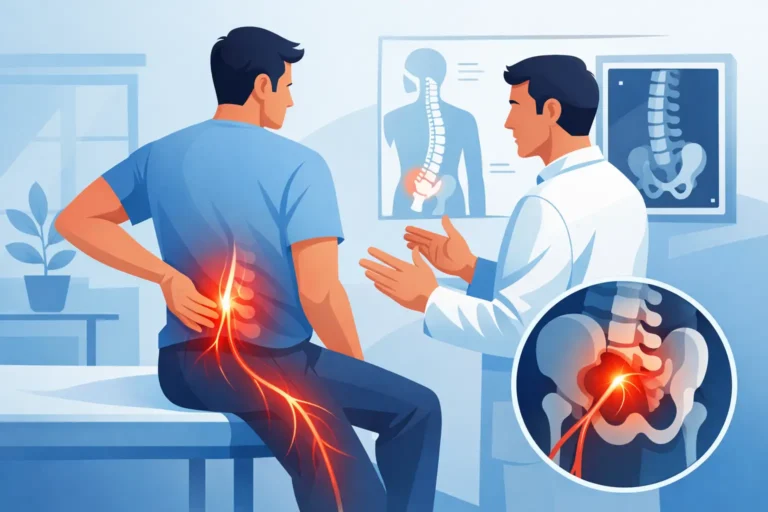
Not every pain at the front of the hip is a hip flexor strain. Hip joint irritation, a lower-back problem, a hernia, tendinopathy, or abdominal and pelvic conditions can produce similar symptoms. This is why persistent or recurrent pain deserves an individual assessment rather than repeated self-treatment.
Seek prompt medical evaluation if you have severe pain after a fall or collision, cannot bear weight, have marked swelling or bruising, develop fever, numbness, or weakness, or have groin pain with a noticeable bulge. These signs may point to something beyond a simple muscle strain.
How to treat a hip flexor strain naturally in the early phase
For the first few days, relative rest is usually more useful than complete inactivity. Avoid the movement that clearly reproduces sharp pain, such as running, high kicks, deep split squats, or steep hill walking. At the same time, short, comfortable walks and gentle daily movement can help prevent the area from becoming increasingly stiff and guarded.
Use pain as a guide. A mild awareness of the injury during movement can be acceptable, but sharp pain, limping, or symptoms that are noticeably worse later that day suggest the load was too high. This distinction helps you stay active without repeatedly aggravating healing tissue.
Cold or heat can both have a place, depending on what feels best. A cool pack wrapped in a cloth may be soothing during the first day or two, particularly if the area feels hot or sore after activity. Gentle heat often feels better later, when stiffness is the main concern. Neither is a cure, but both can make movement more comfortable. Avoid applying either directly to the skin or falling asleep with a heat pack in place.
Sleep and recovery matter more than many active people expect. Tissue repair is influenced by adequate rest, regular meals with sufficient protein, hydration, and avoiding the temptation to test the injury aggressively every day. A strain that might settle within a few weeks can linger when it is repeatedly overloaded between workouts, travel, and long workdays.
Restore motion without forcing a deep stretch
The common instinct is to stretch the front of the hip hard. Early on, that can be counterproductive. A strained muscle is already irritated, and an intense hip-flexor stretch may provoke pain rather than improve mobility.
Start with easy, pain-limited motion. While lying on your back with knees bent, gently tilt your pelvis forward and backward a few times. This introduces movement through the pelvis and lower back without asking the hip flexor to work too hard. You can then slowly slide one heel away along the floor and return it, stopping before discomfort increases.
As symptoms settle, try a supported half-kneeling hip-flexor stretch. Keep the torso tall, lightly tighten the gluteal muscle on the kneeling side, and shift forward only slightly. You should feel a mild stretch at the front of the hip, not a pinch in the groin or low back. Hold for 20 to 30 seconds and repeat two or three times if it remains comfortable.
If stretching produces a deep joint pinch, catching, or pain that lasts afterward, stop. More range is not always better. Some hip pain responds better to improved pelvic control and strength than to additional flexibility.
Rebuild strength before returning to sport
Once you can walk, climb stairs, and lift the knee with minimal pain, controlled strengthening becomes the key step. This is where many strains either resolve well or become a cycle of recurring tightness.
Begin with low-load exercises that do not provoke symptoms. A bridge is often useful because it strengthens the gluteal muscles, which help share the workload during walking and running. Keep both feet on the floor, gently lift the hips, pause briefly, and lower with control. If it is comfortable, two or three sets of eight to 12 repetitions are a sensible starting point.
Next, practice a seated or standing knee lift with a light resistance band only if you can do so without sharp pain. Move slowly and avoid leaning backward to compensate. The aim is not to fatigue the muscle immediately. It is to reintroduce load with good control.
As strength improves, progress toward movements that resemble your usual activity. For a runner, this may mean brisk walking, then short easy jog intervals, then gradual increases in duration and pace. For someone returning to the gym, bodyweight split squats with a limited range may come before deeper lunges or loaded step-ups. Athletes who sprint, kick, or change direction should wait until they can perform these foundational movements comfortably before testing speed and power.
A useful rule is to progress one variable at a time. Increase either distance, intensity, resistance, or frequency, not all of them in the same week. If symptoms rise above mild discomfort during exercise or remain worse the next morning, step back to the previous level for several sessions.
Look beyond the painful spot
Hip flexor strains often develop because the hip flexors have been asked to do more than their share. Long hours seated at a desk can leave the front of the hip feeling compressed and stiff. A sudden return to running after a busy work period, weak gluteal muscles, poor trunk control, limited hip extension, or training fatigue can all change how force travels through the pelvis and thigh.
This does not mean your posture is the sole cause or that one position has damaged you. Bodies tolerate sitting and training differently. It does mean that a recovery plan should consider your whole movement pattern. Brief movement breaks during desk work, a well-paced return to exercise, and regular strength work for the glutes, trunk, and legs can reduce the likelihood of repeated irritation.
For runners, it can also be helpful to review recent changes: new hills, faster intervals, longer routes, different shoes, or a sudden increase in weekly mileage. For new parents, the trigger may be repeated lifting from awkward positions while tired. The most effective adjustment is usually the one that matches the load that caused the problem.
When hands-on assessment can help
If the pain is not clearly improving after one to two weeks, keeps returning, or is limiting work, sleep, training, or childcare, a professional assessment can provide useful clarity. An osteopathic evaluation looks beyond the sore hip flexor to assess the hip joint, pelvis, lower back, abdominal wall, and the way you move.
At Osteopath Tokyo, treatment is individualized and may include gentle hands-on techniques to address soft-tissue tension and restricted movement, alongside practical guidance on pacing, exercise progression, and daily activities. The purpose is not to force an adjustment or simply chase the painful area. It is to help identify the factors maintaining the strain and support a return to comfortable, confident movement.
A natural approach works best when it is active and measured. Give the hip enough protection to settle, enough movement to avoid guarding, and enough progressive load to become reliable again. Your body is usually clear about the next step: when ordinary movement feels easier and strength returns without a next-day flare-up, you can begin asking more of it.