Treatment for Locked Jaw and When to Seek Care
A jaw that will not open enough to eat, speak clearly, or brush your teeth can feel alarming very quickly. Effective treatment for locked jaw begins with identifying what is actually limiting movement: a tense jaw muscle, a temporomandibular joint (TMJ) problem, a dental infection, recent dental work, trauma, or, less commonly, a more urgent medical condition. The right response is not always to force the mouth open. In some situations, that can make pain and irritation worse.
What does a locked jaw mean?
“Locked jaw” is often used to describe two different experiences. The first is trismus, where the jaw muscles tighten or spasm and the mouth cannot open normally. This may happen after dental treatment, an infection, injury, prolonged clenching, or inflammation around the jaw.
The second is a TMJ lock. The lower jaw may feel stuck, catch during movement, or become difficult to open or close because the joint is not moving smoothly. Some people wake with this problem after clenching overnight. Others notice it after chewing tough food, opening wide at the dentist, yawning, or sustaining an impact during sport.
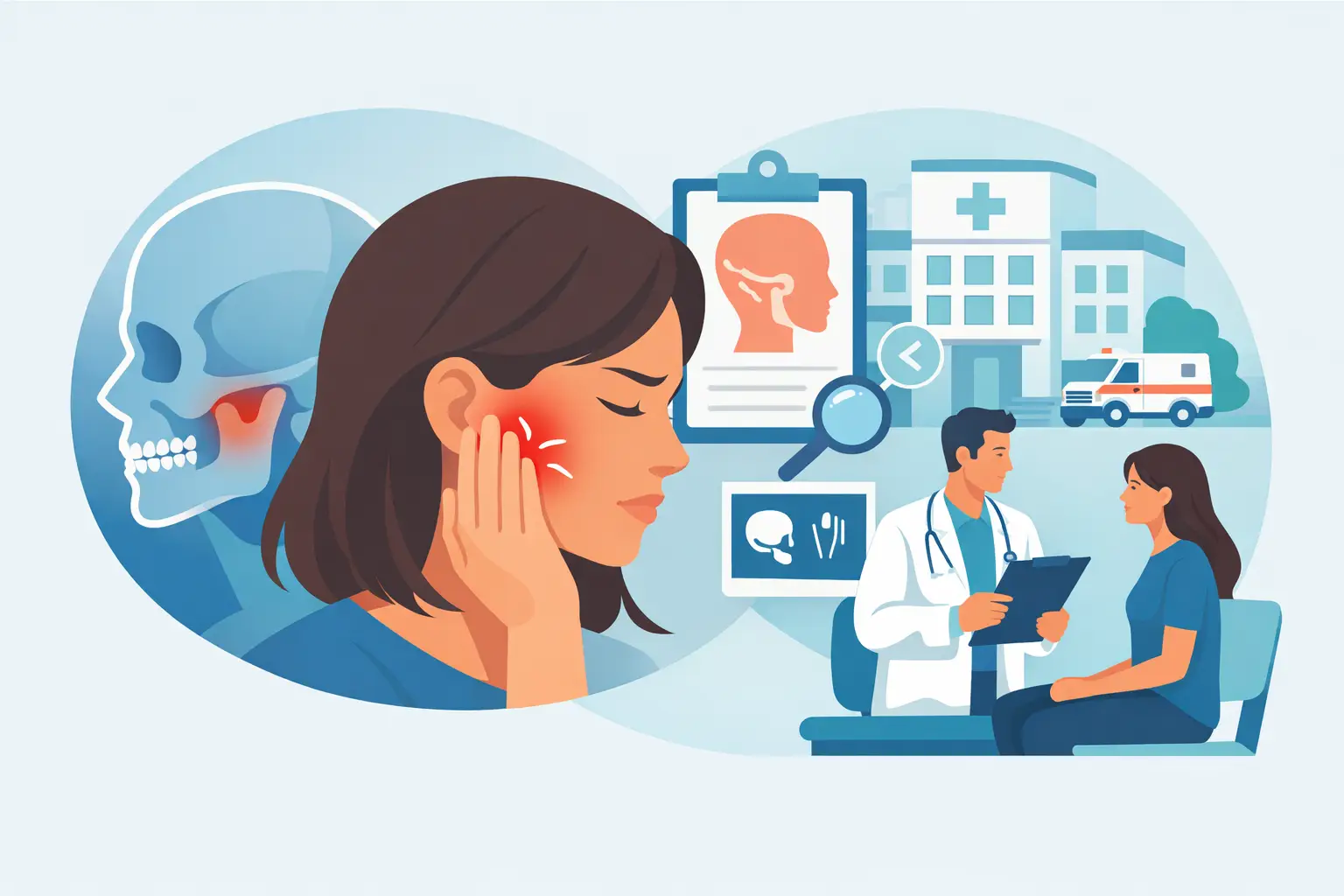
Pain may be felt in front of the ear, through the cheek, at the temple, or down into the neck. Headaches, ear fullness, clicking, and a bite that suddenly feels uneven can occur as well. These symptoms can overlap, which is why a careful assessment matters more than guessing based on one sign alone.
When locked jaw needs urgent medical or dental care
A limited jaw opening is often related to muscular or joint irritation, but some causes need prompt medical attention. Seek urgent dental or medical assessment if locked jaw is accompanied by:
- Facial swelling, fever, worsening tooth pain, pus, or a bad taste in the mouth
- Trouble breathing, swallowing, speaking, or managing saliva
- A jaw injury, severe pain after a fall or blow, or a visibly changed bite
- Severe neck stiffness, confusion, weakness, or a sudden intense headache
- A wound or puncture injury with concern about tetanus vaccination status
A dental abscess or spreading infection should not be managed with manual therapy alone. Similarly, a dislocation, fracture, or severe inflammatory condition requires appropriate medical evaluation first. If the jaw has locked open and cannot close, or if swelling is progressing, do not wait for a routine appointment.
Assessment before treatment for locked jaw
For a non-emergency locked jaw, the first goal is to understand the pattern. A skilled practitioner will ask when the restriction started, whether there was recent dental work or injury, and whether the jaw locks open, closed, or only during certain movements. Your history of clenching, headaches, stress, neck pain, chewing habits, and sleep quality can all provide useful clues.
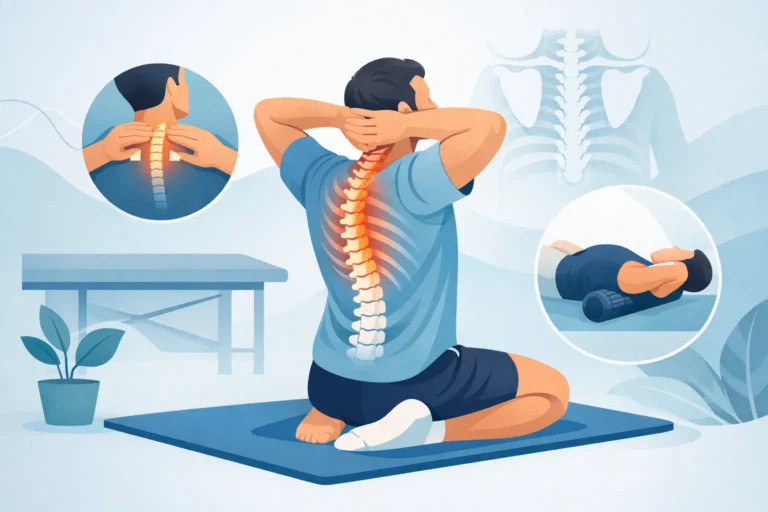
The physical assessment should extend beyond the jaw itself. The TMJ works with the muscles of the face, tongue, throat, neck, shoulders, and upper back. A forward-head posture during long workdays, for example, may increase strain through the jaw and upper cervical area. A tight neck can contribute to jaw overload, while persistent clenching can keep the neck muscles guarded. Treating only the painful spot may bring short-term relief without addressing why it is repeatedly being stressed.
Your practitioner may assess jaw opening, side-to-side movement, muscle tenderness, bite changes, joint sounds, neck mobility, and breathing patterns. If symptoms suggest a dental, neurological, rheumatological, or structural issue, referral for the appropriate examination or imaging is part of responsible care.
Gentle treatment options for a locked jaw
The best approach depends on the cause and stage of irritation. When the joint and muscles are acutely painful, forceful manipulation is rarely the answer. Care should be calm, measured, and adapted to your comfort.
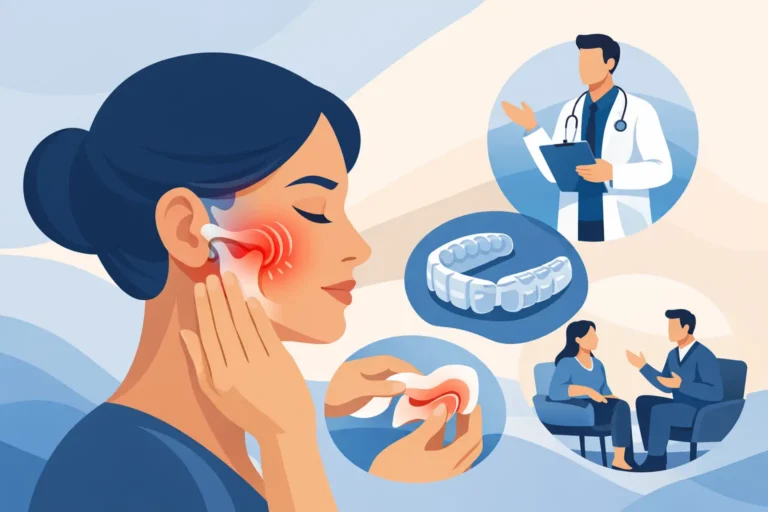
For muscular trismus or stress-related clenching, treatment may include gentle soft-tissue work for the jaw, temples, cheeks, neck, and upper shoulders. These techniques can reduce protective tension and make it easier for the jaw to begin moving again. Intraoral work, performed only with informed consent and appropriate hygiene, may sometimes help release muscles that are difficult to reach from outside the mouth.
When TMJ restriction is connected to poor movement control or neck tension, gentle joint mobilization and osteopathic treatment can be used to improve the relationship between the jaw, skull, cervical spine, and upper body. Cranial and biodynamic approaches may be useful for patients who are highly sensitive, experiencing headaches, or holding widespread tension. The intention is not to “put the jaw back” through force, but to create the conditions for more comfortable, coordinated movement.
At Osteopath Tokyo, treatment is individualized after a whole-body assessment. For some patients, the jaw improves as neck and shoulder strain is addressed. For others, the priority is settling local muscle spasm, modifying clenching habits, or coordinating care with a dentist. A night guard may be appropriate when tooth grinding is damaging teeth or placing sustained load on the TMJ, but it should be prescribed and fitted by a qualified dental professional.
What to do at home while your jaw is irritated
In the first few days, choose foods that require minimal chewing, such as soups, eggs, yogurt, fish, cooked vegetables, or smoothies. Avoid gum, chewy meat, crusty bread, large sandwiches, and testing the jaw repeatedly to see how far it opens. Opening very wide can re-irritate a sensitive joint or muscle.
A warm compress over the jaw and cheek may help muscle guarding, particularly if the area feels tight rather than hot and swollen. If the problem began with a fresh injury or there is visible swelling, a cold pack wrapped in cloth can be more comfortable for short periods. Medication choices should be discussed with a pharmacist, dentist, or physician, especially if you have medical conditions, take other medications, or are pregnant.
Try to keep the tongue lightly resting on the roof of the mouth, with the teeth apart and lips gently together. This is a simple resting position that reduces unnecessary clenching. Slow nasal breathing and brief posture breaks during computer work can also reduce the background tension that keeps the jaw active all day.
Do not attempt aggressive stretching, use a device to force the mouth open, or ask someone to manipulate your jaw. If movement is restricted because of infection, injury, or an inflamed joint, these actions can increase pain and delay appropriate care.
What to expect from recovery
A mild jaw muscle spasm may settle over several days with relative rest and appropriate treatment. A recurring TMJ lock, long-standing clenching pattern, or condition involving the neck often takes longer because the contributing habits and movement patterns need attention as well.
Improvement is not always perfectly linear. The jaw may feel easier one day and more guarded after a stressful work deadline, poor sleep, a long dental appointment, or a meal that required more chewing than expected. A personalized plan may include hands-on care, specific gentle exercises once acute pain settles, sleep and workstation adjustments, and dental collaboration where needed.
A locked jaw is uncomfortable, but it is also useful information from your body. Treat it with patience, seek urgent help when warning signs are present, and choose care that looks beyond the joint to the factors keeping it under strain.