A Guide to Osteopathy for Headaches
That dull pressure behind the eyes after a long workday, the tight band across the forehead, the headache that starts in the neck and slowly takes over your focus – these patterns are exactly why many people look for a guide to osteopathy for headaches. For adults in Tokyo balancing demanding schedules, screen time, stress, travel, and disrupted sleep, headaches are often more than a minor inconvenience. They can become a recurring signal that the body is under strain.
Osteopathy approaches headaches with a simple but important question: what is driving the tension, irritation, or imbalance behind the pain? Rather than focusing only on the head, an osteopath assesses the neck, jaw, upper back, posture, breathing mechanics, stress load, and overall mobility. In many cases, the headache is not an isolated problem. It is part of a larger pattern.
How osteopathy looks at headaches
Headaches can have many causes, and not every headache is suitable for osteopathic treatment. That matters. A safe, professional approach starts by distinguishing the types of headache that may respond well to hands-on care from those that require medical investigation.
The headaches most commonly seen in osteopathic practice include tension-type headaches, cervicogenic headaches that arise from the neck, and some cases of migraine where musculoskeletal strain or nervous system overload appears to be a contributing factor. People with TMJ dysfunction, desk-related posture issues, old whiplash injuries, or persistent upper neck stiffness often fall into this group.
An osteopath does not treat all headaches as the same condition. A headache linked to jaw clenching needs a different approach than one linked to poor neck mobility after a sports injury. The aim is to identify mechanical and functional factors that may be perpetuating symptoms, then reduce those factors with individualized treatment.
A guide to osteopathy for headaches and common triggers
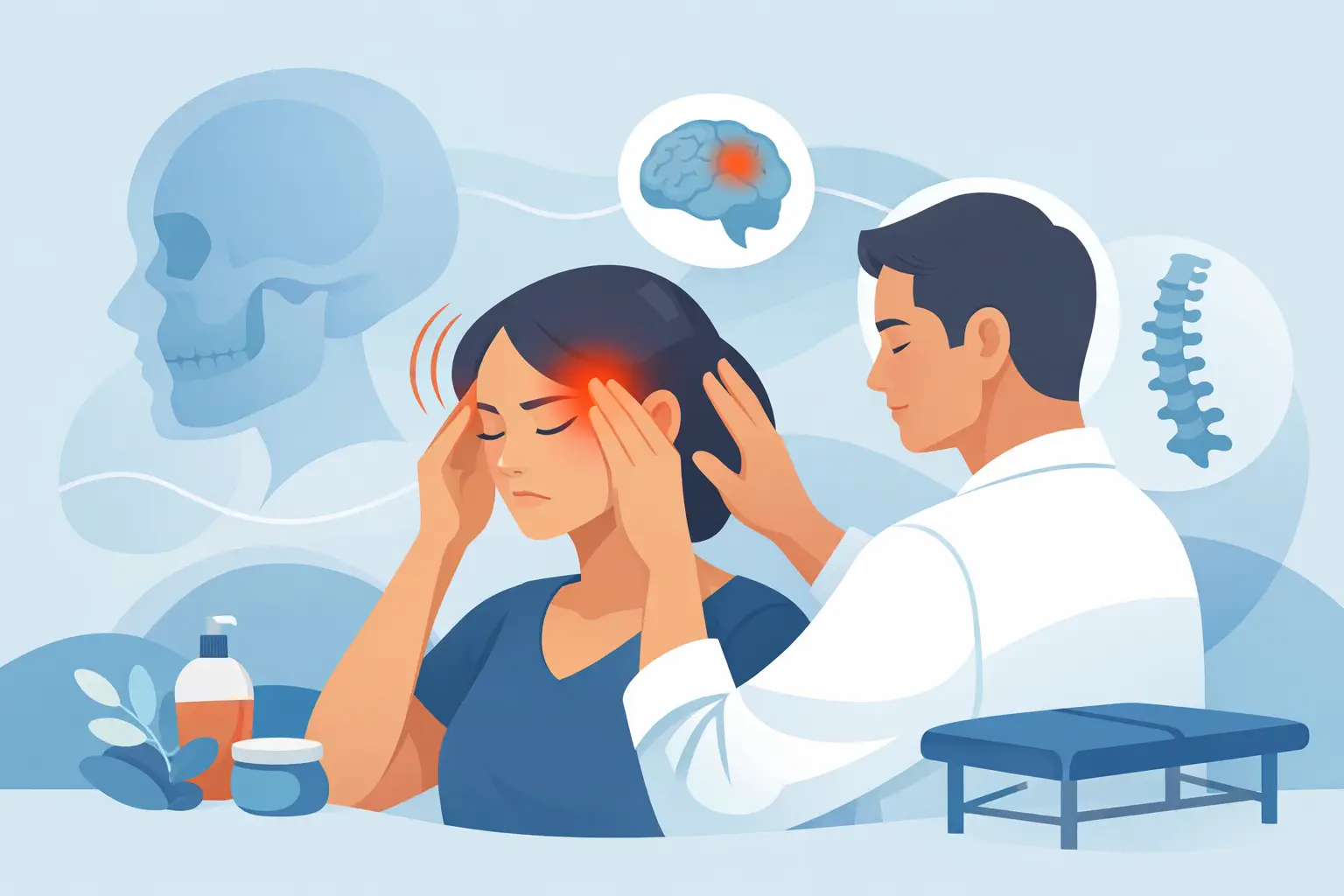
Many patients are surprised to learn how often headache pain is influenced by areas outside the skull itself. The upper cervical spine, the muscles at the base of the head, the jaw, the shoulders, and even breathing patterns can all contribute.
Neck stiffness is one of the most common findings. When the joints and soft tissues in the upper neck are restricted, they can refer pain into the head, temple, or behind the eyes. Jaw tension is another frequent factor, especially in people who grind their teeth at night or clench during stressful periods. Tightness through the upper trapezius, chest, and scalp can also feed into chronic tension patterns.
Then there is the reality of modern life. Long hours at a laptop, frequent phone use, poor workstation setup, intense training, stress-related muscle guarding, and inconsistent sleep can all make headaches more likely. Sometimes the trigger is obvious. Sometimes it is the accumulation of several small stresses over time.
This is why a whole-body assessment matters. If treatment only targets the painful area without addressing the pattern underneath, relief may be short-lived.
What happens during osteopathic treatment
A first appointment usually begins with a detailed discussion of your symptoms. The osteopath will ask where the pain is felt, how often it occurs, what it feels like, what makes it worse, and whether there are associated symptoms such as nausea, light sensitivity, dizziness, jaw pain, or neck restriction. Medical history, previous imaging, medications, stress levels, sleep quality, and work habits also help shape the picture.
The physical assessment then looks at posture, spinal mobility, neck movement, muscle tone, jaw function, and areas of asymmetry or strain. In headache cases, the upper neck and cranial base often deserve special attention, but a skilled osteopath will also examine how the rib cage, shoulders, and pelvis may be affecting overall mechanics.
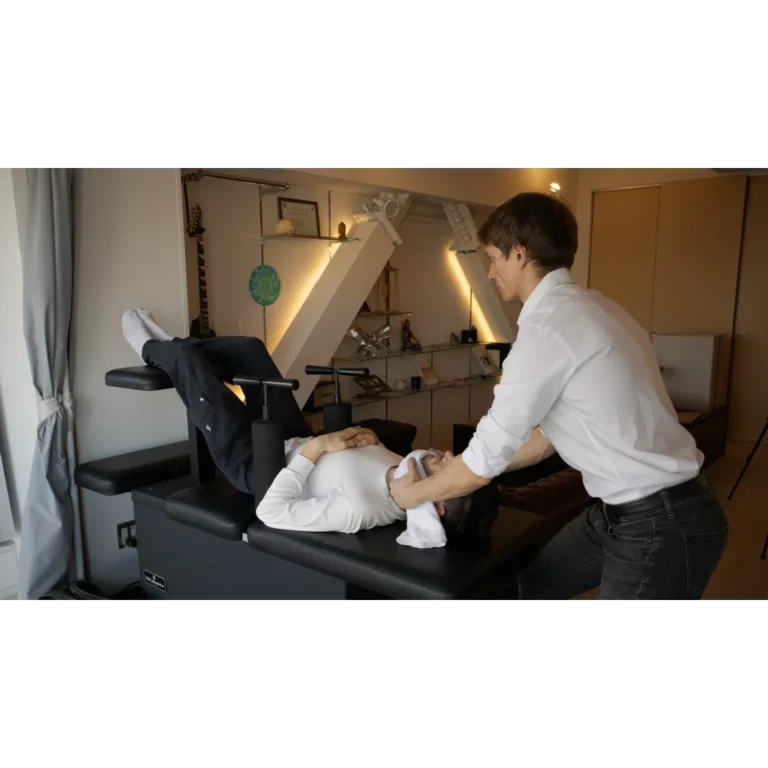
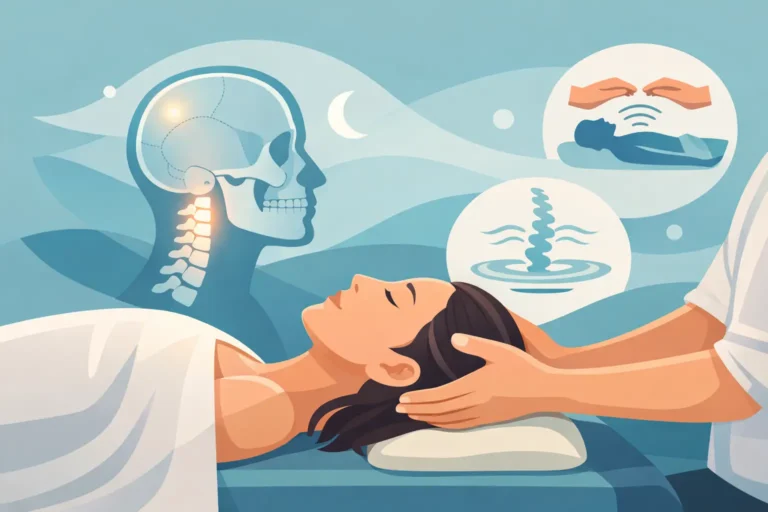
Treatment depends on what is found. It may include gentle joint mobilization, soft tissue release, myofascial techniques, work around the jaw and temples, craniosacral or biodynamic approaches, and treatment to the thoracic spine and diaphragm to improve overall tension patterns. Some patients respond well to a more structural approach. Others, especially when stress and nervous system sensitivity are prominent, need slower and gentler techniques.
Good osteopathic care is not forceful for the sake of being forceful. The goal is precision, comfort, and the right technique for the person in front of you.
Can osteopathy help migraines?
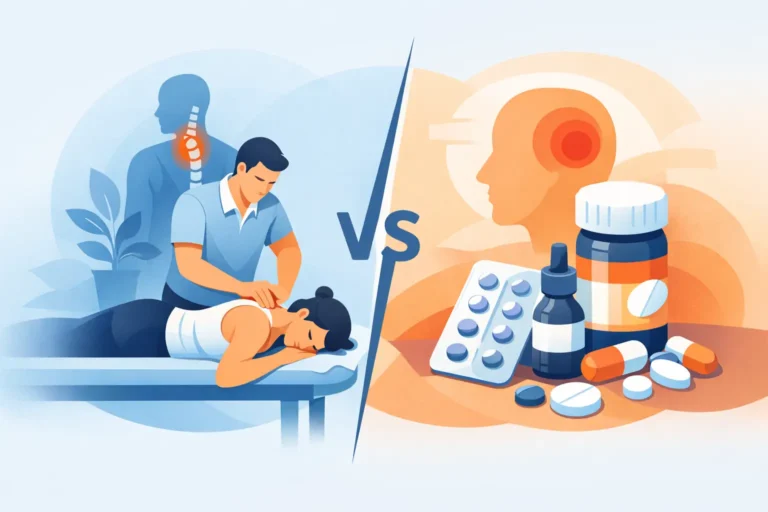
This is where nuance matters. Migraines are a neurological condition, and osteopathy is not a cure for migraine. However, for some patients, osteopathic treatment can reduce contributing factors that make attacks more frequent or harder to recover from.
If migraine episodes are consistently associated with neck tension, poor sleep, jaw clenching, stress overload, or postural strain, hands-on treatment may help lower the mechanical stress burden on the body. Some people report fewer headaches, less intensity, or improved recovery between episodes. Others notice that their neck and shoulder tension becomes easier to manage even if migraines do not fully resolve.
Results vary. That is the honest answer. Migraine patterns can be influenced by hormones, food triggers, visual strain, nervous system sensitivity, and genetics. Osteopathy may be one helpful part of a wider plan, but it should not replace appropriate medical care where that is needed.
When headaches may respond well to osteopathy
Headaches often respond best when there is a clear musculoskeletal component. This includes pain that starts at the base of the skull, headaches triggered by desk work, pain associated with neck turning, discomfort linked to jaw tightness, and symptoms that worsen during periods of stress and muscle tension.
People also tend to do well when treatment is combined with practical changes. That may mean adjusting screen height, improving pillow support, reducing clenching, pacing training loads, or working on breathing and recovery habits. Hands-on care can create change, but daily habits help maintain it.
In a practice like Osteopath Tokyo, this kind of personalized care is especially valuable for busy professionals and international residents who want clear communication, careful assessment, and treatment that respects both symptom relief and the broader context of their lifestyle.
When to seek medical care first
Not every headache should be treated manually. Sudden severe headache, headache after head trauma, headache with fever, confusion, fainting, weakness, visual loss, slurred speech, seizures, or significant neurological symptoms requires urgent medical evaluation. A new headache pattern during pregnancy, or a major change in a known migraine pattern, also deserves prompt medical attention.
A responsible osteopath will recognize red flags and refer when appropriate. That is part of good care, not a limitation of it.
What to expect after treatment
Some patients feel lighter, clearer, and more mobile soon after a session. Others need a few treatments before headache frequency begins to shift. If symptoms have been present for months or years, change is often gradual rather than immediate.
You may also notice benefits beyond the headache itself. Better neck rotation, less jaw tension, easier breathing, improved sleep, and reduced shoulder tightness are all meaningful signs that the body is moving out of a strain pattern. These changes often support longer-term improvement.
The number of sessions needed depends on the complexity of the case. A straightforward tension headache related to recent posture strain may improve quickly. Chronic headaches with migraine features, TMJ involvement, old injuries, and high stress levels generally require a more layered approach.
Choosing the right practitioner
If you are considering osteopathy for headaches, experience matters. Headache cases require careful assessment, a broad manual skill set, and the judgment to know when to treat, when to adapt technique, and when to refer. You should feel listened to, well informed, and physically comfortable during care.
For many patients, especially expats or multilingual professionals in Tokyo, communication matters just as much as technique. Being able to explain your symptoms clearly, understand the reasoning behind treatment, and ask questions with confidence can make the entire process feel more reassuring.
Headaches can be stubborn, but they are not always random. Very often, they reflect patterns in the neck, jaw, posture, stress response, and recovery capacity that can be identified and addressed. The right osteopathic treatment does not promise miracles. It offers something more useful – a careful, individualized path toward less strain, better function, and more comfortable days.