Is Manual Therapy Safe? What Patients Should Know
A stiff neck after a long Tokyo commute, low back pain that lingers after training, or pelvic discomfort during pregnancy can make hands-on treatment appealing. But before booking, many people reasonably ask, is manual therapy safe? For most people, it can be a safe and valuable part of care when it is provided by a well-trained practitioner who performs a thorough assessment, adapts techniques to the individual, and knows when treatment should be postponed or referred.
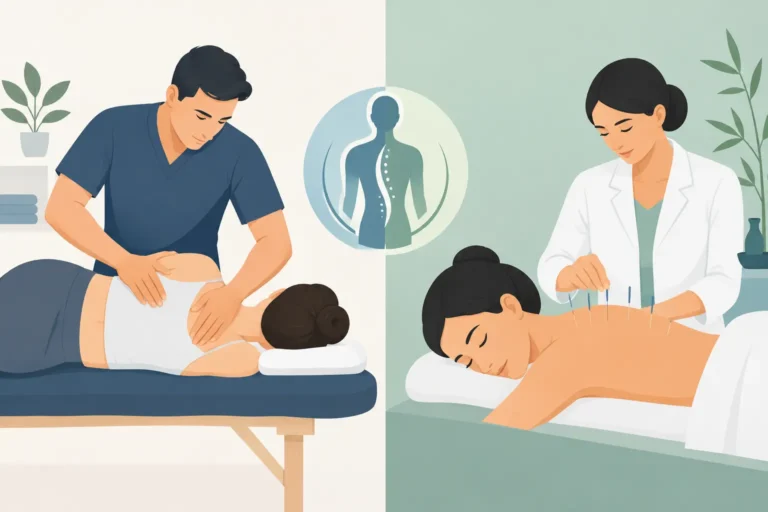
Manual therapy is not one single technique. It is a broad term for skilled, hands-on approaches that may include gentle joint mobilization, soft-tissue work, stretching, muscle energy techniques, and cranial or biodynamic methods. Safety depends less on the label and more on the quality of clinical judgment behind each touch.
Is manual therapy safe when delivered by a qualified practitioner?
A careful practitioner does not begin with a technique. They begin with a conversation and an assessment. Your symptoms, medical history, medications, previous injuries, current diagnosis, activity level, and personal goals all matter. So do the details that can seem unrelated, such as recent illness, unexplained fatigue, dizziness, surgery, or changes in sensation.
This process helps determine whether manual therapy is appropriate, which areas can be treated, and how much pressure or movement is suitable. A runner with a simple calf strain may benefit from a very different session than someone with osteoporosis, a recent ankle fracture, or pain following childbirth.
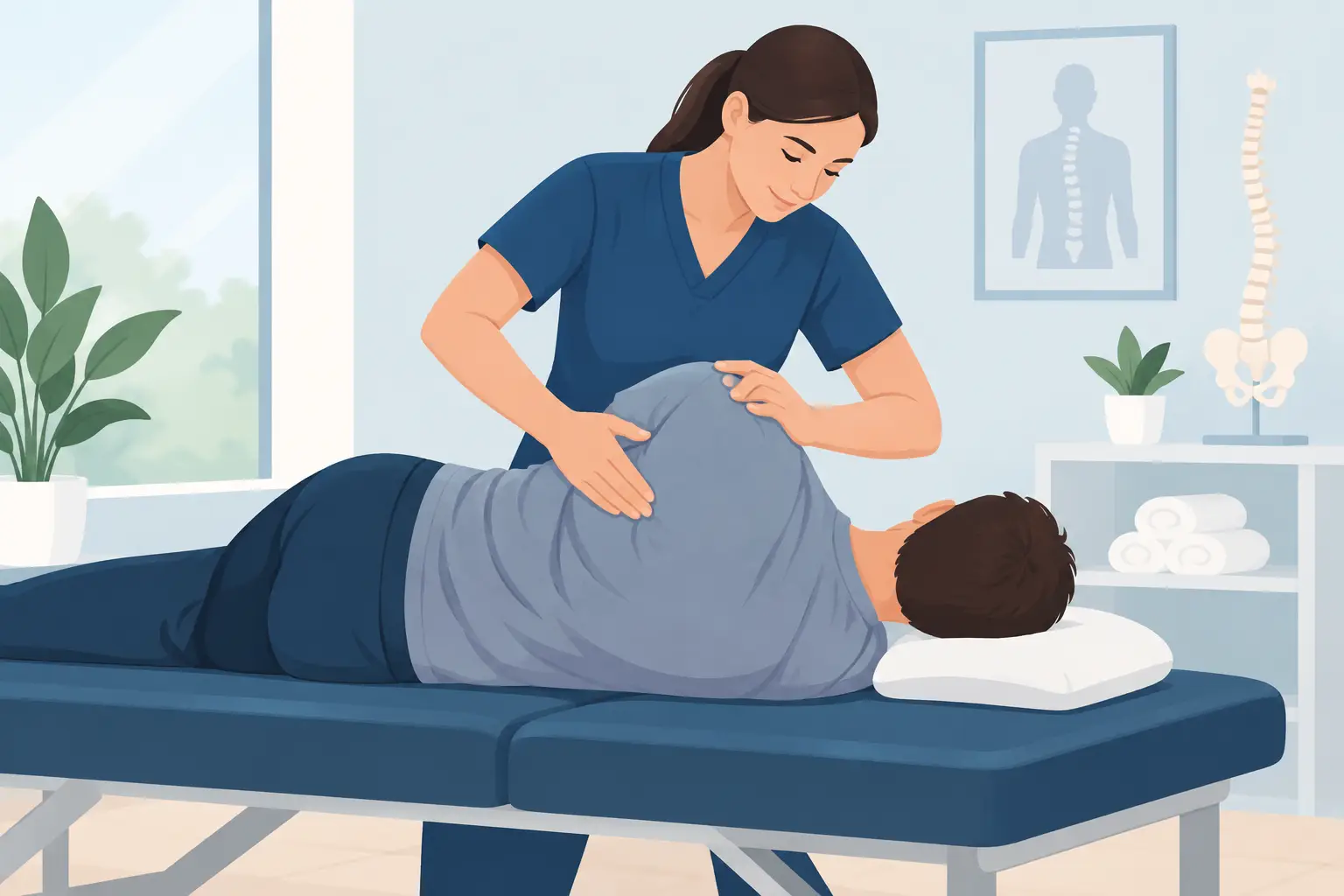
At Osteopath Tokyo, treatment is individualized rather than formulaic. The goal is not to force a joint to move or to make every session feel intense. It is to understand how your body is adapting, then use the least forceful approach likely to be useful. For many patients, particularly those who are sensitive, in pain, pregnant, or recovering from injury, gentle techniques are often the appropriate starting point.
Professional training and experience are central to safety. A practitioner should be able to explain what they are assessing, why a technique is being considered, what you may feel, and what alternatives are available. You should never feel pressured to accept a treatment you do not understand or want.
What a safe first visit should include
A high-quality first appointment creates room for questions. Before hands-on treatment, your practitioner should listen carefully to your concerns and clarify the pattern of your symptoms. This includes when the problem began, what aggravates or relieves it, and whether it affects sleep, work, exercise, or daily movement.
A physical assessment may involve observing posture and movement, checking joint range of motion, palpating tissues, and performing relevant orthopedic or neurological tests. Not every person needs the same examination. The assessment should be purposeful, respectful, and explained clearly, especially when working around sensitive areas such as the jaw, pelvis, abdomen, or chest.
Consent is ongoing, not a single question at the beginning of the visit. You can ask for a technique to be modified, paused, or stopped at any time. You can also request a gentler approach or ask to remain fully clothed when that is appropriate for the treatment. Clear communication is particularly important for international patients who may be navigating a new health care system or receiving care in a second language.
Mild reactions can happen, but they should be manageable
After manual therapy, some people feel temporarily sore, tired, or more aware of an area that has not moved comfortably for some time. This is often similar to the feeling after unfamiliar exercise and typically settles within a day or two. Others feel immediate ease, while some notice gradual changes over several sessions.
More discomfort is not proof of a better treatment. A strong reaction does not automatically mean harm, but it should be taken seriously. Tell your practitioner if pain is sharp, worsening, or different from your usual symptoms. The next session may need a lighter approach, a different technique, more recovery time, or a referral for further evaluation.
A sensible treatment plan considers your life outside the clinic. If you have an important competition, a demanding work week, a newborn at home, or a long-haul flight ahead, treatment intensity and aftercare should reflect that reality. The safest plan is one your body can reasonably recover from.
When manual therapy may not be appropriate
Manual therapy is not the right answer for every symptom, and responsible care includes recognizing its limits. Some conditions require medical investigation, imaging, medication, emergency care, or treatment from another specialist before hands-on work is considered.
Seek urgent medical attention rather than manual therapy for symptoms such as sudden weakness, loss of bladder or bowel control, severe unexplained headache, fainting, chest pain, significant shortness of breath, fever with severe pain, or numbness that is rapidly progressing. New pain after major trauma, such as a fall, collision, or sports impact, should also be assessed appropriately before treatment.
There are also situations where techniques need to be modified or avoided. These can include suspected fracture, active infection, certain inflammatory conditions, severe osteoporosis, bleeding disorders, use of blood-thinning medication, unstable joints, recent surgery, or known cancer affecting bone. This does not always mean hands-on care is impossible. It means the plan must be coordinated carefully and may focus on comfort, gentle movement, or referral rather than direct treatment of the affected area.
Neck treatment deserves particular care. The neck contains sensitive structures, and not every person is a candidate for high-velocity manipulation. A skilled practitioner will screen for relevant risk factors, discuss options, and can use lower-force approaches when appropriate. You are entitled to ask exactly what is planned and why.
Pregnancy, postpartum care, and treatment for children
Pregnancy can bring back pain, rib discomfort, pelvic pressure, headaches, and changes in mobility. Gentle manual therapy can be adapted for these concerns, with positioning that respects comfort and stage of pregnancy. A practitioner should ask about pregnancy complications, blood pressure concerns, bleeding, severe swelling, and advice already provided by your obstetric team.
Postpartum care also requires nuance. Delivery method, pelvic floor symptoms, abdominal recovery, sleep deprivation, feeding posture, and emotional well-being can all influence the approach. There is no prize for returning to intense treatment quickly. Comfort, pacing, and coordination with other maternity professionals matter.
Children and infants require an especially gentle, developmentally appropriate assessment. Persistent vomiting, fever, poor feeding, breathing concerns, unexplained lethargy, developmental regression, or injury should be evaluated medically. Hands-on care for a child should never replace necessary pediatric assessment.
How to make your treatment safer and more effective
You can actively support a safe experience by sharing complete information, even when it feels unrelated to your main complaint. Mention past surgeries, medications and supplements, pregnancy status, recent injections, previous reactions to treatment, and any new symptoms since your last visit.
During the session, use plain language. Say if pressure feels too strong, if a position causes anxiety, or if you are unsure about a recommendation. A thoughtful practitioner welcomes this feedback because it improves clinical decisions. Safety is collaborative.
It is also wise to have realistic expectations. Manual therapy can help address pain, tension, movement restrictions, and functional patterns, but it is rarely a stand-alone solution for every complex condition. Exercise, sleep, stress management, ergonomic changes, rehabilitation, medical care, and time may all have a role. The most useful care plan is one that fits your diagnosis, goals, and capacity.
Questions worth asking before treatment
Before your appointment, ask about the practitioner’s training and experience with your specific concern. If you are pregnant, managing a chronic condition, returning to sport, or seeking care for your child, ask how treatment is adapted in those situations.
You may also ask what techniques are being considered, what you are likely to feel afterward, and what signs would mean you should contact the clinic or seek medical care. Clear answers are a sign of professionalism, not an inconvenience.
Hands-on care should leave you feeling heard, respected, and appropriately informed. The right treatment is not necessarily the strongest technique or the quickest promise. It is the approach that carefully meets your body where it is, with the skill and restraint to support progress safely.