A Guide to Pelvic Floor Recovery After Birth
Your pelvic floor may feel like an afterthought when you are caring for a newborn, returning to work, or trying to sleep in short intervals. Yet it influences comfort, bladder and bowel control, sexual well-being, posture, and the way your body manages everyday load. This guide to pelvic floor recovery is designed to make the early postpartum period feel less uncertain, with practical steps that respect healing rather than rushing it.
Pelvic floor recovery is not a single exercise or a deadline to meet at your six-week checkup. It is a gradual process of restoring awareness, mobility, strength, coordination, and confidence. The right pace depends on your birth experience, symptoms, sleep, stress level, prior injuries, and the physical demands of daily life.
What the pelvic floor does after pregnancy
The pelvic floor is a group of muscles, connective tissues, and nerves at the base of the pelvis. It supports the bladder, bowel, and reproductive organs while coordinating with the diaphragm, abdominal wall, hips, and spine. During pregnancy, it adapts to sustained pressure and changing posture. Vaginal delivery can add stretching, bruising, tearing, or nerve irritation, while a cesarean birth still places the pelvic floor under the demands of pregnancy and may affect abdominal and scar mobility.
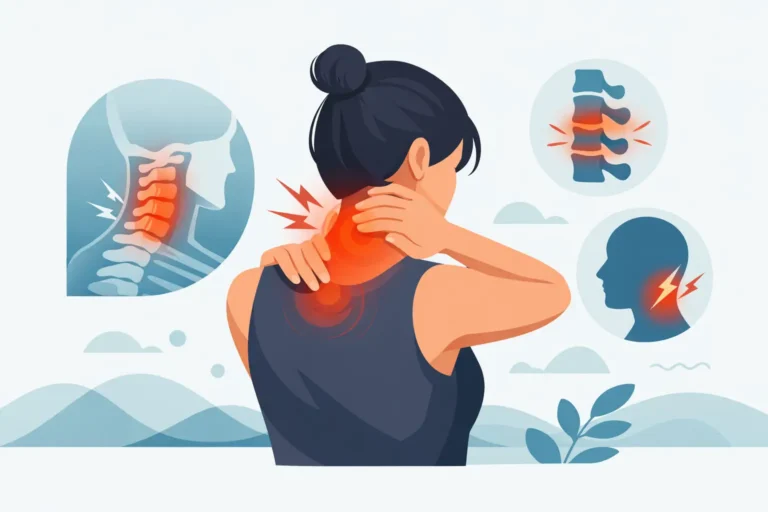
After birth, some people notice leaking when coughing or laughing, pelvic heaviness, constipation, pain with intercourse, tailbone discomfort, low back pain, or a feeling that their core has lost its usual support. These symptoms are common, but they should not simply be accepted as the permanent cost of having a baby.
Just as importantly, not every pelvic floor needs more strengthening. Some muscles are weak and underactive; others are tense, guarded, or unable to relax fully. Doing repeated Kegels without knowing which pattern applies can increase discomfort for some people. A thoughtful assessment is more useful than a one-size-fits-all routine.
The first weeks: prioritize healing and connection
In the early days, the goal is not to regain your previous fitness level. It is to support circulation, breathing, bowel function, and gentle movement while your body heals. Follow your obstetrician or midwife’s guidance, especially after a complicated delivery, significant tear, or cesarean section.
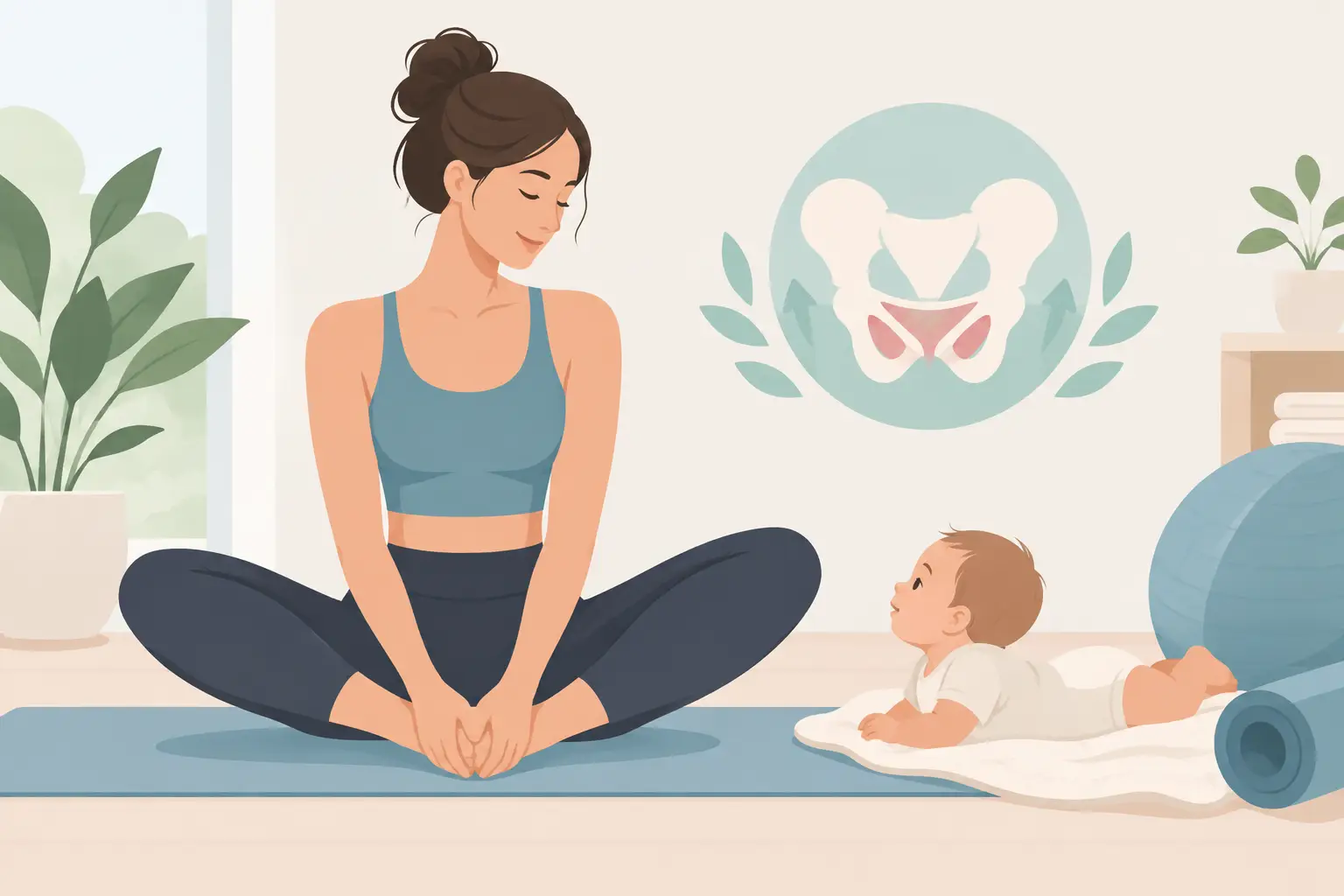
Start by noticing your breath. When you inhale, allow your rib cage, abdomen, and pelvic floor to soften and expand. As you exhale, imagine a light, natural lift through the pelvic floor and lower abdomen, without gripping your buttocks, thighs, or jaw. This is subtle coordination, not a maximal contraction.
Short, comfortable walks can be helpful when medically appropriate. Begin with an amount that does not increase bleeding, pelvic pressure, pain, or fatigue later that day or the following morning. For a new parent, recovery often works better in small doses than in ambitious sessions.
Bowel habits deserve attention as well. Constipation and straining place unnecessary pressure on healing tissues. Hydration, regular meals, fiber as tolerated, a footstool to support a more natural toileting position, and enough time to go can all help. If constipation is persistent or painful, speak with your medical provider.
A guide to pelvic floor recovery through movement
Once you have been cleared for activity, progression should be based on symptoms and function, not just the calendar. You should be able to breathe normally, move without pain or heaviness, and recover well after activity before adding more challenge.
Rebuild pressure management first
Many postpartum symptoms become more noticeable when pressure inside the abdomen is poorly managed. Holding your breath while lifting a car seat, rushing up stairs, or bracing hard during exercise can push downward on the pelvic floor. Instead, prepare for effort with an exhale. For example, exhale as you stand from a chair, lift your baby, or rise from the floor.
This does not mean you must move cautiously forever. It means rebuilding a coordinated system before asking it to manage higher loads. Your diaphragm, abdominal wall, pelvic floor, hips, and back all need to share the work.
Progress from daily tasks to exercise
Begin with movements that matter in real life: comfortable walking, sit-to-stands, gentle squats, supported bridges, and controlled hip mobility. If these feel good, you can gradually add resistance, longer walks, and more demanding strength work.
Running, jumping, and high-intensity training are not automatically unsafe postpartum, but they require preparation. Consider delaying impact exercise if you have leaking, heaviness, pelvic pain, persistent abdominal doming, or discomfort that lasts after training. A gradual return is usually more productive than trying to push through symptoms.
Do not ignore the hips, ribs, and scar tissue
The pelvis does not work in isolation. Hip stiffness, a painful tailbone, restricted rib movement, shallow breathing, and tension in the lower back can all alter pelvic floor function. After a cesarean birth, scar sensitivity or restricted movement may also influence posture and abdominal coordination.
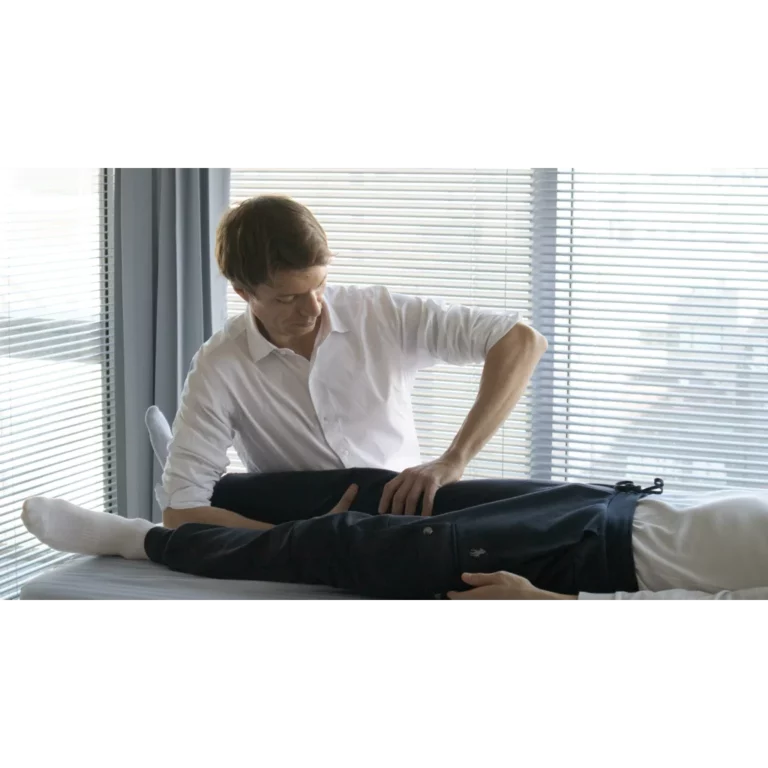
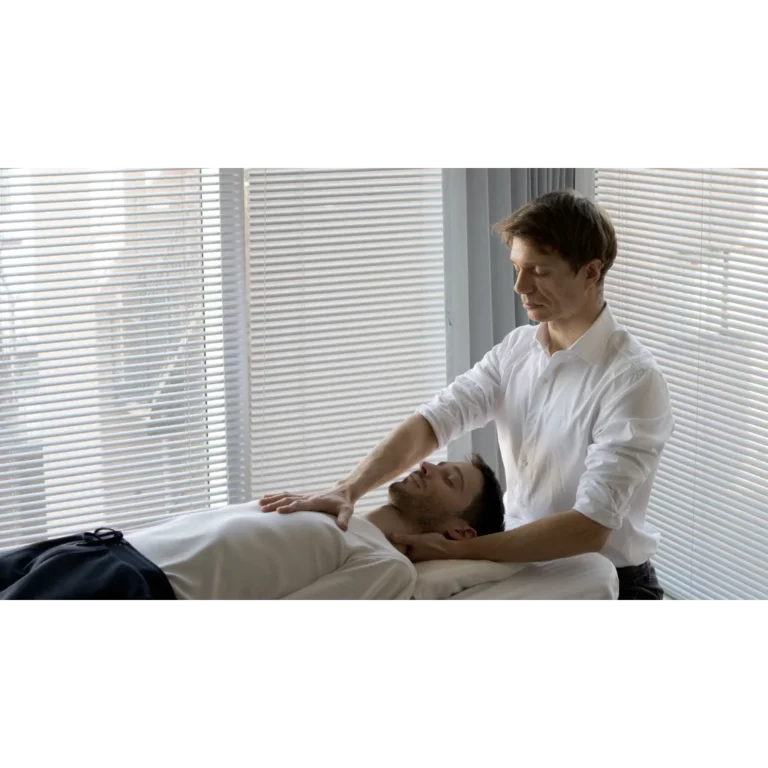
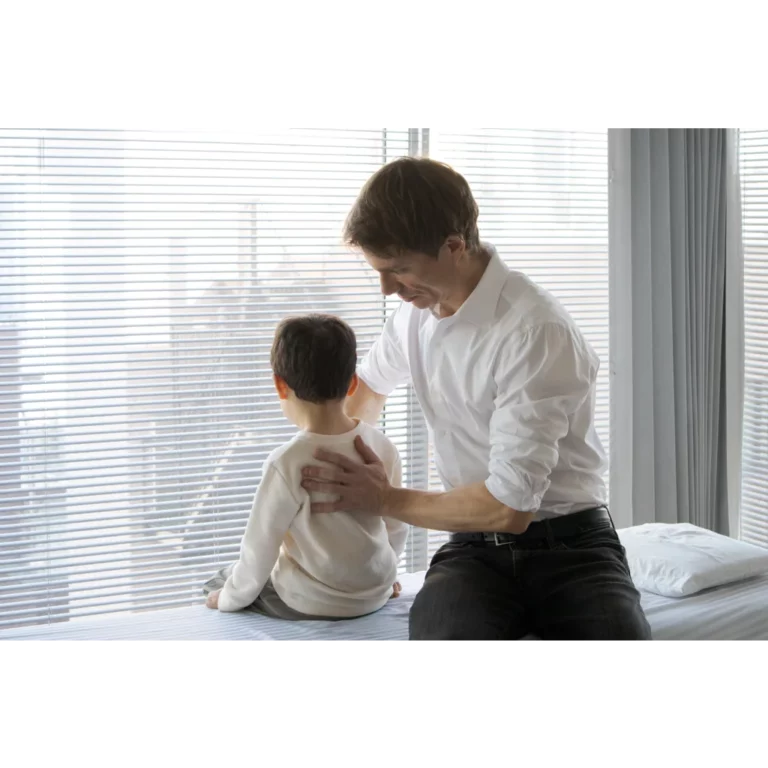
Gentle hands-on care and individualized movement can be useful when these surrounding areas are limiting your recovery. An osteopathic assessment looks at how your whole body is adapting, rather than treating the pelvic floor as an isolated problem. At Osteopath Tokyo, care can be coordinated with your medical team and pelvic health physical therapist when appropriate.
Signs that your program is progressing well
Recovery is rarely perfectly linear, particularly when sleep is interrupted and you are carrying a growing baby. Still, useful signs include less leaking, improved bowel comfort, greater ease with walking and lifting, reduced pelvic pressure, and more confidence in movement.
A mild sense of muscular effort during exercise can be normal. Pain, dragging, bulging, worsening heaviness, numbness, or symptoms that persist into the next day are signals to reduce the load and seek professional guidance. Think of symptoms as useful information, not a failure.
It can help to track what happens after specific activities. If a 20-minute walk feels fine but a longer outing brings heaviness later, that gives you a practical starting point for progression. The aim is to find a level your body can tolerate consistently, then build from there.
When to seek specialized support
Pelvic health physical therapy is often the most direct option for assessing pelvic floor strength, relaxation, coordination, and prolapse-related symptoms. An internal examination may be offered, but it should always be explained clearly and performed only with your informed consent. You may also benefit from osteopathic care for related back, hip, pelvic, breathing, scar, or whole-body movement restrictions.
Arrange a medical assessment promptly if you have severe or worsening pain, heavy bleeding, fever, difficulty urinating, loss of bladder or bowel control, a painful swollen leg, chest pain, shortness of breath, or thoughts of harming yourself or your baby. These symptoms need urgent medical attention rather than an exercise plan.
For persistent leakage, pain during intercourse, pelvic heaviness, constipation, or a sense that recovery has stalled, you do not need to wait until symptoms become severe. Early, individualized care can reduce uncertainty and help you return to the activities that make you feel like yourself.
Give recovery the time and care it deserves
Postpartum healing asks a great deal of a body that has already done extraordinary work. Progress may be gradual, and your needs may change from one month to the next. A calm, personalized plan that respects your symptoms, movement goals, and daily reality is often the most effective path forward. If something does not feel right, seeking experienced support is a practical act of care for both your present comfort and your long-term health.