Osteopathy Versus Acupuncture for Pain Relief
A painful neck that returns after every long workday, low back pain that changes your running stride, or a headache that begins at the jaw can leave you weighing very different treatment options. When considering osteopathy versus acupuncture for pain, the most useful question is rarely which method is universally better. It is which approach best matches the way your symptoms began, how they behave, and what your body needs to move more comfortably.
Both are commonly chosen by people looking for non-pharmaceutical support. Both may be part of a thoughtful pain-management plan. Yet the experience, assessment, and clinical focus of each can be quite different.
How osteopathy approaches pain
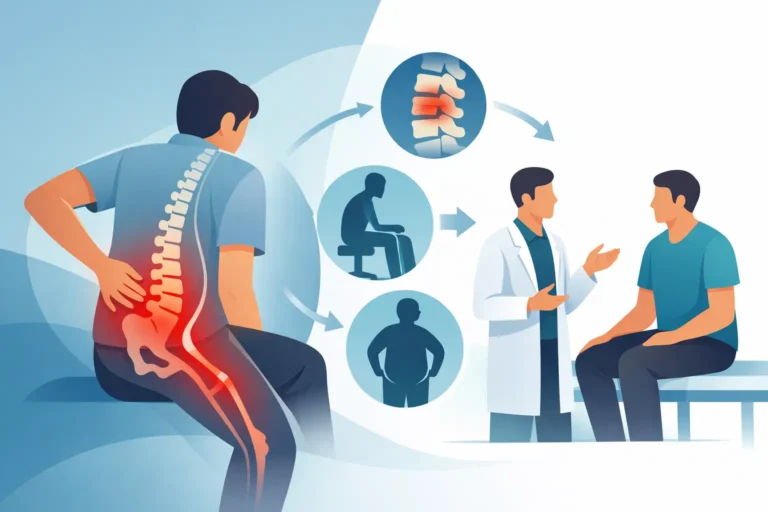
Osteopathy is a hands-on approach centered on the relationship between the body’s structure, movement, and function. An osteopath does not simply focus on the area that hurts. A detailed assessment considers posture, joint mobility, muscle tension, breathing patterns, previous injuries, daily demands, and how different parts of the body may be compensating for one another.
For example, shoulder pain may be linked to restricted movement in the upper back, tension through the neck, a past wrist injury, or the way you sit at a laptop. Sciatica-like symptoms may involve the lower back, pelvis, hip muscles, and the pathway of the irritated nerve. The goal is to identify meaningful contributors to the problem, then use treatment that is appropriate for the individual.
Treatment may include gentle joint mobilization, soft-tissue techniques, stretching, cranial or biodynamic approaches, and practical movement guidance. The level of pressure and the techniques used should be adapted to your comfort, medical history, and the condition being treated. A good osteopathic appointment is not defined by forceful manipulation. It is defined by careful assessment and precise, responsive care.
This approach can be especially valuable when pain is accompanied by stiffness, reduced range of motion, recurring strain, postural overload, or a sense that one area is working too hard for another. It is also well suited to people who want a clear explanation of what may be driving their symptoms and a treatment plan that changes as they improve.
How acupuncture approaches pain
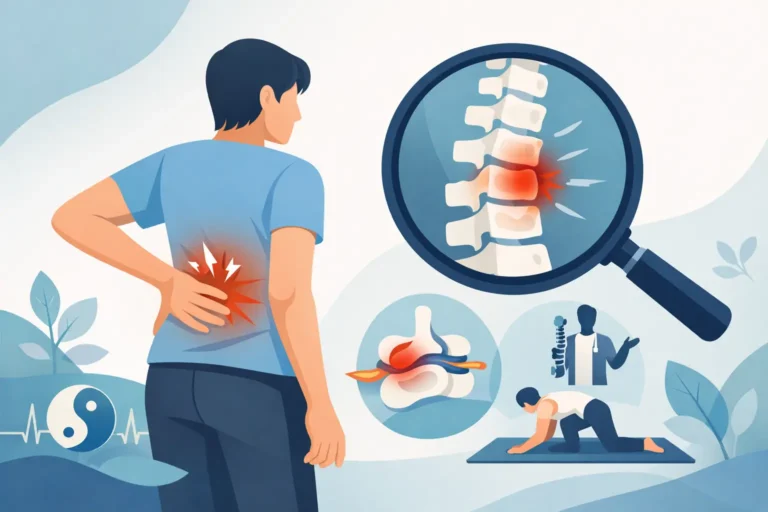
Acupuncture involves the placement of very fine needles at selected points on the body. It is rooted in traditional East Asian medicine, while many modern practitioners also describe its effects through pain modulation, local tissue response, and nervous-system mechanisms.
During an acupuncture session, the practitioner may ask about the location and quality of pain, sleep, energy, digestion, stress, and other patterns that inform treatment. Needles are generally retained for a period of time while the patient rests. Some people experience a deep, dull, heavy, or spreading sensation around a needle, while others feel very little. Mild temporary soreness or bruising can occur.
For certain people, acupuncture is appealing because the treatment is quiet, minimally verbal once underway, and does not involve extensive hands-on mobilization. It may be considered for persistent pain, tension-related headaches, neck and back discomfort, osteoarthritis symptoms, or pain that seems amplified by stress and poor sleep. Responses vary. Some patients notice a meaningful change quickly, while others need several sessions before they can judge whether it is helping.
Osteopathy versus acupuncture for pain: the practical differences
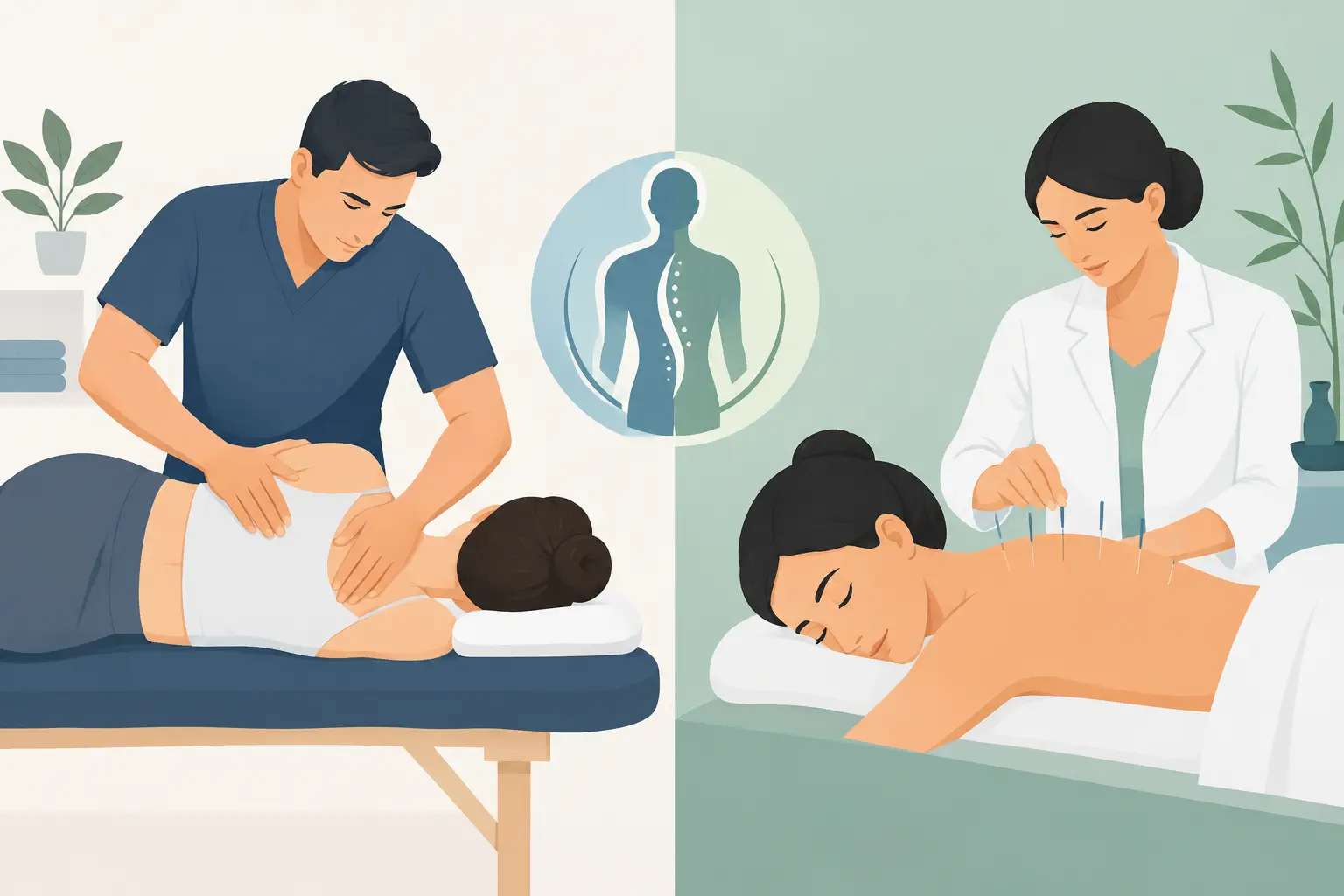
The clearest difference is the treatment experience. Osteopathy is typically active and hands-on. The practitioner assesses how you move and applies manual techniques to joints, muscles, fascia, and other tissues. Acupuncture uses needles and often includes a longer period of rest with the needles in place.
Their starting points can differ as well. Osteopathic care generally emphasizes biomechanics and the way body regions influence each other. Acupuncture may assess pain within a broader traditional medicine framework and select points that are not necessarily close to where symptoms are felt. Neither approach should be reduced to a single technique, because quality of assessment and practitioner skill matter greatly.
If your main concern is restricted movement after travel, desk work, training, or an old injury, osteopathy may feel more immediately aligned with your needs. You can often see and feel the relationship between movement testing, treatment, and reassessment during the visit. If you are highly sensitive to touch, find manual treatment uncomfortable, or prefer to rest during care, acupuncture may be a better fit.
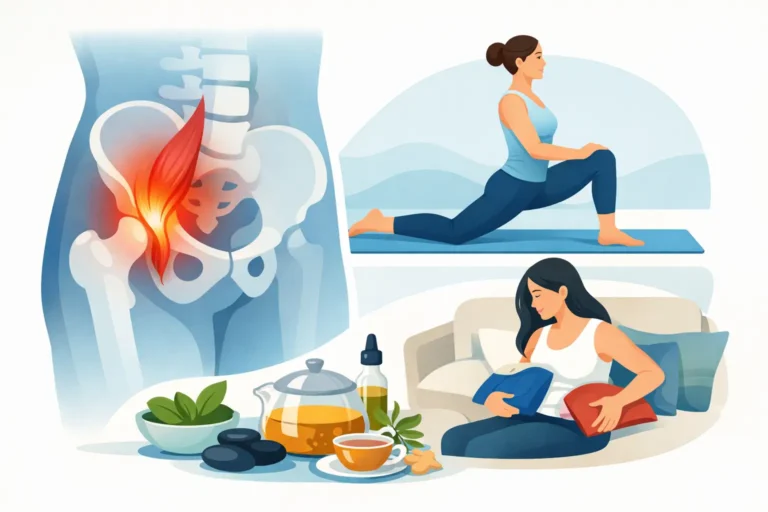
There is also room for overlap. A person with chronic neck pain may benefit from osteopathic work to improve thoracic, shoulder, and cervical movement while using acupuncture as part of a broader strategy for pain sensitivity, sleep disruption, or muscle tension. These treatments do not have to be viewed as competitors.
Which treatment may suit your symptoms?
Your diagnosis matters, but so does the pattern behind it. Osteopathic assessment is often particularly helpful for pain that is mechanical or movement-related. This can include back pain that flares when bending or sitting, hip discomfort during walking, sports-related muscle and joint strain, jaw tension, pregnancy-related pelvic discomfort, and headaches associated with neck or upper-back restriction.
Acupuncture may be worth discussing when pain is persistent, diffuse, stress-sensitive, or difficult to settle despite rest and basic exercise. Some people also choose it when they want a treatment with little physical manipulation. If needle anxiety is strong, however, it may create more tension than benefit. Your comfort is a legitimate factor in the decision.
For a recent injury, the best first step may be a thorough evaluation rather than selecting treatment by name. A strained muscle, a joint injury, a stress fracture, and a nerve-related problem can feel similar in the early stages but require very different decisions. The same principle applies to headaches. A tension headache, migraine, sinus problem, medication-related headache, and headache associated with high blood pressure should not all be managed in the same way.
What evidence and expectations should guide your decision?
Pain care is rarely as simple as finding one intervention that works forever. Research on both osteopathic manual approaches and acupuncture suggests potential benefit for some painful musculoskeletal conditions, but outcomes depend on the condition, treatment quality, frequency of care, and the individual patient. Neither treatment can reliably resolve every source of pain.
Set a practical goal before starting. That may be less pain during a commute, being able to sleep through the night, returning to a training routine, or picking up your child without fear. Then reassess after an appropriate trial of care. Improvement should show up not only as a temporary feeling of relaxation, but in meaningful changes to comfort, mobility, function, or confidence in movement.
The strongest care plan may also include medical evaluation, exercise, rehabilitation, changes to training load, sleep support, or ergonomic adjustments. Manual treatment and acupuncture can be valuable parts of care, but they are not replacements for diagnosis when symptoms need medical attention.
Safety comes before treatment preference
Choose a properly trained, licensed practitioner who takes a full history, asks about medications and relevant health conditions, and explains what they recommend. For acupuncture, mention blood-thinning medication, bleeding disorders, pregnancy, immune compromise, or a history of fainting with needles. For osteopathic treatment, share details of osteoporosis, inflammatory conditions, recent surgery, fractures, neurological symptoms, and pregnancy.
Seek prompt medical assessment rather than routine manual therapy or acupuncture if pain comes with any of the following:
- New weakness, numbness in the saddle area, or loss of bladder or bowel control
- Chest pain, shortness of breath, fainting, or pain spreading to the jaw or arm
- Fever, unexplained weight loss, severe night pain, or a history of cancer
- Significant trauma, suspected fracture, or sudden severe headache unlike previous headaches
These signs do not automatically mean a serious condition is present, but they deserve timely medical evaluation.
Making a confident choice in Tokyo
For international residents in Tokyo, clear communication can make a major difference. Pain is personal, and it is easier to make good decisions when you can describe symptoms, concerns, and goals in a language you fully understand. Ask a prospective practitioner how they assess pain, what treatment may involve, how they measure progress, and when they would refer you for medical care.
At Osteopath Tokyo, care begins with listening closely to the full story behind your symptoms. The treatment plan is tailored to your body, your lifestyle, and your comfort level, whether you are managing a demanding work schedule, recovering from sport, navigating pregnancy, or dealing with pain that has persisted for too long.
The right choice is the one that leaves you feeling informed, respected, and appropriately supported. Pain deserves more than a one-size-fits-all answer, and a careful assessment can be the first step toward moving with greater ease again.