
Osteopathy Trends Changing Care in Tokyo
A stiff neck after long hours at a desk, hip pain during pregnancy, recurring headaches, or an ankle injury that never quite feels resolved can all look like separate problems. Increasingly, osteopathy trends point toward a more useful question: what is preventing the body from moving, adapting, and recovering well as a whole?
For Tokyo’s international community, this shift matters. Many people are balancing demanding work, commuting, training, parenting, travel, and the stress of living between languages or healthcare systems. They want care that is hands-on, clearly explained, and tailored to their individual history rather than a standard protocol for a painful body part.
Osteopathy Trends: Care Is Becoming More Individual
One of the most meaningful changes in osteopathic care is a move away from treating a diagnosis in isolation. Low back pain, for example, may be influenced by hip mobility, previous ankle injuries, abdominal tension, prolonged sitting, sleep quality, training load, or the way a new parent repeatedly lifts a child. The location of pain matters, but it is not always the full story.
A thorough osteopathic assessment considers posture, range of motion, tissue quality, movement patterns, medical history, daily demands, and the patient’s own goals. Someone preparing for a marathon may need a different plan from someone who simply wants to sit through a meeting or sleep without waking from shoulder pain. Personalized care should mean more than selecting a technique. It should mean understanding what recovery needs to support in that person’s life.
This does not mean every problem has a hidden, complicated cause. Sometimes a strained muscle needs time, appropriate treatment, and a sensible return to activity. The value of an individualized assessment is knowing when a straightforward approach is appropriate and when recurring symptoms deserve a broader view.
The treatment plan should change as you improve
A good plan is not fixed on the first visit. Early care may focus on reducing pain, calming protective muscle tension, and restoring comfortable movement. As symptoms settle, attention may shift toward mobility, load tolerance, ergonomics, breathing, exercise, or a gradual return to sport.
This progression is especially valuable for people who have tried treatments that felt passive or impersonal. Hands-on care can provide relief, but lasting progress often also depends on how the body is used between appointments. Clear guidance should be practical enough to fit a Tokyo workday, not an unrealistic list of lifestyle rules.
A Balanced Blend of Hands-On Methods and Evidence
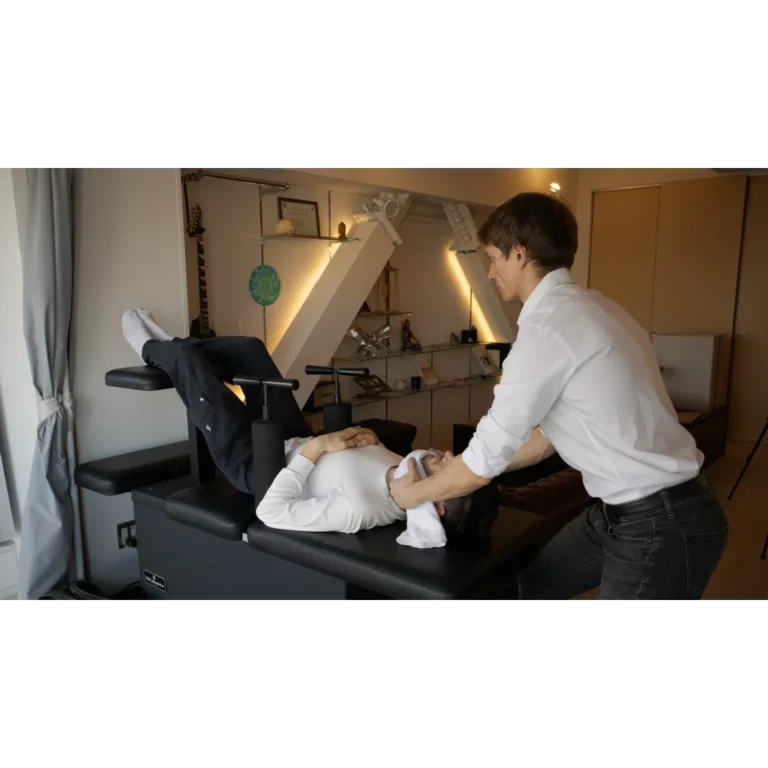
Another important development is the integration of traditional osteopathic principles with evidence-informed clinical reasoning. Skilled manual therapy remains central to osteopathy, including structural techniques, soft-tissue work, gentle joint mobilization, cranial approaches, and biodynamic techniques. Yet technique is not the treatment plan by itself.
The best method depends on the person in front of the practitioner. A sensitive acute back may respond better to gentle treatment than forceful adjustment. A competitive athlete with a restricted hip may benefit from more direct structural work combined with movement advice. During pregnancy or after childbirth, comfort, positioning, and safety become especially important.
Evidence-based care also means being honest about limits. Osteopathy can help many musculoskeletal and functional complaints, but it is not a substitute for emergency care, imaging when clinically indicated, medication management, or specialist evaluation. New severe symptoms, unexplained weight loss, fever, progressive weakness, significant trauma, chest pain, or sudden neurological changes require prompt medical assessment.
For patients, this balanced approach creates confidence. Treatment should not rely on dramatic promises or a single explanation for every symptom. It should be careful, responsive, and grounded in what your body is showing at each appointment.
Pregnancy and Postpartum Care Are More Specialized
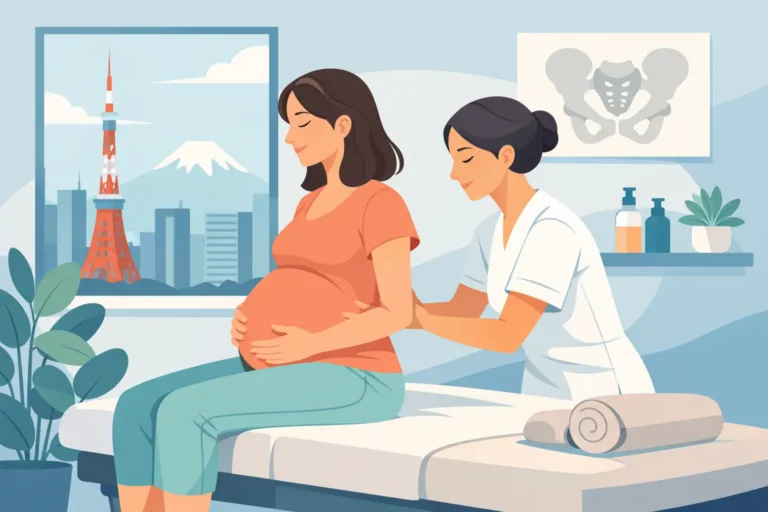
Pregnancy-related osteopathic care has become more visible because many women are looking for non-pharmaceutical support for the physical changes of pregnancy. As the body adapts, it is common to experience low back pain, pelvic discomfort, rib restriction, sciatica-like symptoms, neck tension, headaches, and fatigue. These concerns can affect sleep, work, walking, and the ability to enjoy daily life.
The trend is not simply to offer a generic prenatal massage-style experience. It is to provide assessment and treatment that account for the stage of pregnancy, comfort in different positions, prior injuries, exercise habits, and communication with maternity providers when needed. Gentle, hands-on osteopathic treatment may help improve comfort and mobility while respecting the body’s normal physiological changes.
Postpartum care is receiving more attention as well. Feeding positions, disrupted sleep, carrying an infant, abdominal recovery, and the demands of returning to work can all place strain on the neck, shoulders, back, wrists, and pelvis. A postpartum treatment plan should recognize that a parent may have limited time and energy. Small, useful adjustments to lifting, feeding posture, and recovery routines can matter alongside treatment.
Pediatric care requires a particularly gentle approach
Parents are also seeking advice for infants and children with movement asymmetries, head-turning preferences, tension after birth, or general discomfort. Pediatric osteopathic care should be gentle, age-appropriate, and carefully assessed. It should also complement, not replace, pediatric medical care. When developmental, feeding, neurological, or health concerns are present, appropriate collaboration and referral are essential.
Sports Recovery Is Moving Beyond “Fix It and Go”
Tokyo’s runners, cyclists, gym members, golfers, martial artists, and recreational athletes are increasingly interested in care that supports performance without ignoring long-term health. The older expectation was often simple: receive treatment, feel better, and return immediately to training. Current thinking is more measured.
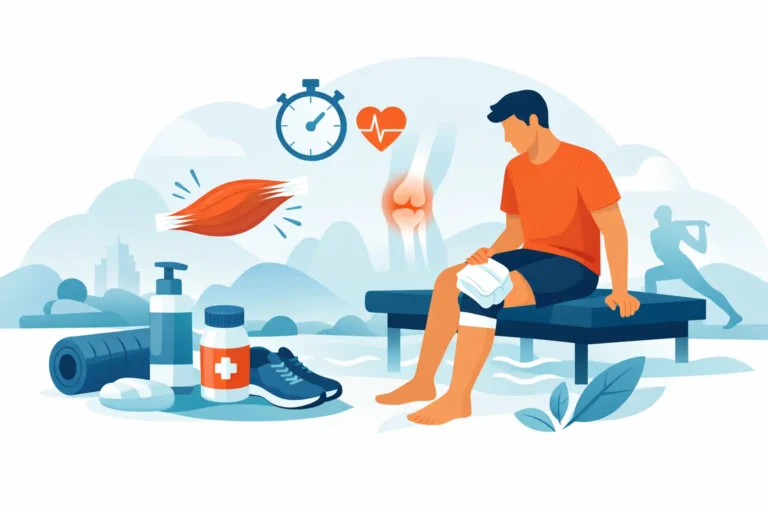
A tendon problem, recurrent calf strain, shoulder irritation, or persistent knee pain may improve with hands-on treatment, but return to sport also depends on training volume, recovery, technique, strength, footwear, and the demands of the sport. Osteopathy can help identify movement restrictions and reduce unnecessary tension, then support a realistic progression back to activity.
This is where individualized care is particularly valuable. An elite athlete, a first-time half-marathon runner, and a busy professional who plays tennis once a week may have a similar painful area but need very different advice. The goal is not merely to remove symptoms quickly. It is to help the person understand their capacity and rebuild it sensibly.
Stress, Headaches, and Jaw Tension Are Being Viewed Together
Stress-related physical symptoms are another area receiving greater attention. Stress does not mean pain is imagined. It can alter sleep, breathing, muscle tone, recovery, and sensitivity to discomfort. For many people, this appears as tight shoulders, recurring headaches, jaw clenching, digestive tension, or a feeling that the body never fully settles.
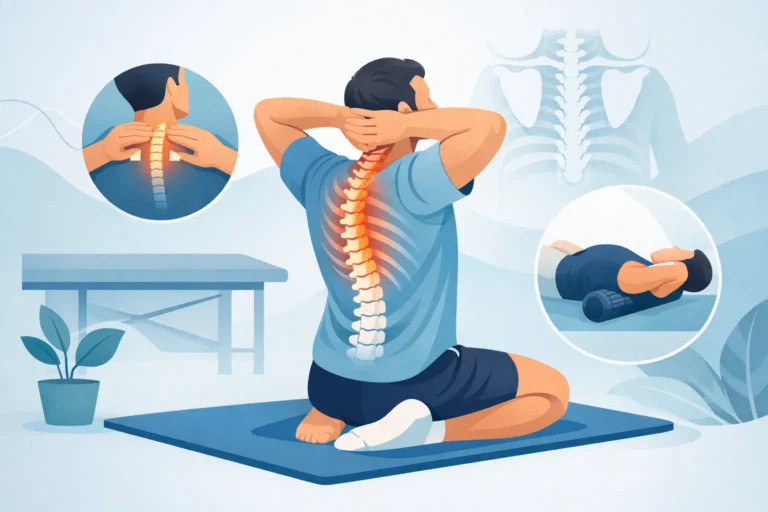
Osteopathic treatment may address restrictions in the neck, upper back, ribs, jaw, and surrounding soft tissues while also considering breathing patterns and daily posture. For TMJ-related discomfort, for example, care may include gentle work around the jaw and neck alongside discussion of clenching habits, screen position, dental input, and stress management.
It depends on the cause. Migraine, severe headache, facial pain, dizziness, and jaw symptoms can have multiple explanations, some requiring medical or dental investigation. A responsible practitioner will assess carefully and recommend further evaluation when symptoms do not fit a straightforward musculoskeletal pattern.
What These Trends Mean When Choosing an Osteopath
The most useful trend is not a new technique. It is better communication. Patients should understand what is being assessed, why a particular treatment approach is chosen, what they may feel afterward, and what progress is realistic. Consent and comfort should be present throughout hands-on treatment.
For English-speaking, French-speaking, and Japanese-speaking patients in Tokyo, language can shape the quality of care. Being able to explain symptoms precisely, ask questions without rushing, and understand the reasoning behind a plan can reduce anxiety and improve decision-making. This is particularly important for pregnancy care, persistent pain, and injuries that have not responded as expected.
When selecting an osteopath, consider clinical training, experience with your concern, willingness to collaborate with other healthcare professionals, and the quality of the initial assessment. Be cautious of guarantees, pressure to commit to a large number of visits, or explanations that dismiss your concerns. Premium care should feel attentive and transparent, not mysterious.
At Osteopath Tokyo, treatment is built around this principle: careful hands-on assessment, appropriate techniques, and a plan shaped by your body, your goals, and your daily reality. The most helpful next step is often not to tolerate another month of restricted movement or recurring pain, but to have it assessed thoughtfully and decide what support is right for you.