
A Calm Guide to Whiplash Recovery After a Crash
The force of a rear-end collision can be surprisingly small, yet the pain that follows may disrupt sleep, computer work, exercise, and even the simple act of checking over your shoulder. This guide to whiplash recovery explains how to respond thoughtfully in the first days and weeks, how to recognize warning signs, and why individualized care matters when symptoms do not settle as expected.
Whiplash is not simply a sore neck. It is an injury caused by the rapid back-and-forth movement of the head and neck, most often in a vehicle accident but sometimes during sport, a fall, or another sudden impact. Muscles, ligaments, joints, and sensitive nerves can all be affected. The experience varies widely, so recovery should never be reduced to a one-size-fits-all timetable.
Start with safety, not self-treatment
After an accident, seek urgent medical assessment immediately if you have severe neck pain, loss of consciousness, confusion, worsening headache, vomiting, weakness, numbness, difficulty speaking, problems walking, vision changes, chest pain, or pain that travels strongly into an arm or leg. These symptoms can indicate an injury requiring medical investigation beyond manual therapy.
It is also sensible to be assessed promptly after a significant collision, even if you initially feel relatively well. Adrenaline and shock can mask discomfort. Symptoms such as stiffness, headache, shoulder pain, dizziness, fatigue, jaw tension, or reduced concentration may appear later that day or over the next few days.
If you are in Japan and have concerns after a road accident, follow the advice of emergency services and the medical provider assessing you. Imaging may be appropriate when a clinician suspects fracture, dislocation, or another serious condition. Normal imaging, however, does not mean your pain is imagined. Many whiplash-related soft-tissue and joint restrictions do not show clearly on standard scans.
A guide to whiplash recovery: the first 72 hours
The first goal is to protect an irritated system without becoming completely still. In the past, people were often advised to rest the neck for extended periods or wear a collar for many days. For most uncomplicated whiplash injuries, prolonged immobilization can increase stiffness, fear of movement, and loss of muscle control.
Relative rest is usually more helpful. Avoid heavy lifting, contact sport, forceful stretching, and repeated movements that sharply increase symptoms. At the same time, continue gentle daily activity as tolerated. Short walks, changing position regularly, and calm, pain-limited neck movements can help prevent the body from becoming more guarded.
Cold or heat may provide short-term comfort, depending on what feels better. A cold pack can be useful when the area feels acutely sore or inflamed; gentle warmth may ease muscular tightness later. Use either with a protective layer between the pack and skin, and avoid falling asleep with heat applied.
Medication is a personal medical decision. Over-the-counter pain relief may be appropriate for some people, but it is best discussed with a doctor or pharmacist, particularly if you are pregnant, taking regular medication, have stomach, kidney, liver, or heart concerns, or are managing another health condition.
Why pain can spread beyond the neck
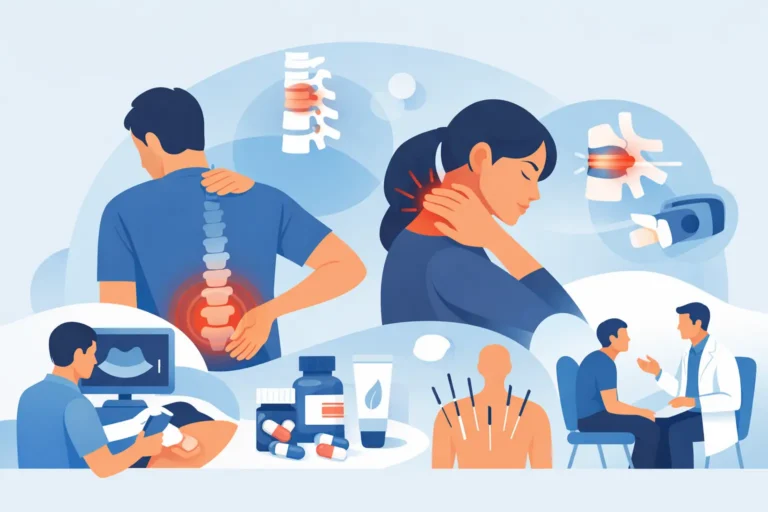
A whiplash injury often affects more than the cervical spine. The shoulders may elevate protectively, the upper back may become rigid, and the rib cage can lose some of its normal movement. This is one reason people may notice pain between the shoulder blades, discomfort when breathing deeply, or a sense that one side of the body is working harder than the other.
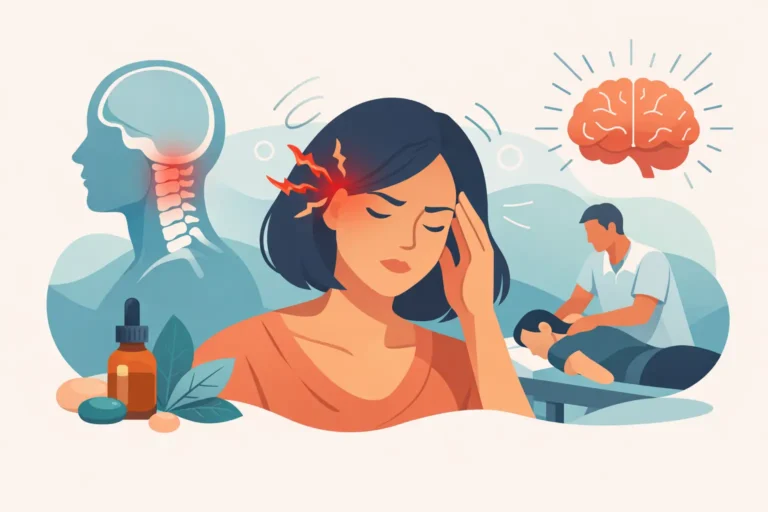
Headaches are also common. Irritation in the upper neck, muscular tension around the base of the skull, altered jaw mechanics, and stress following the accident can all contribute. Some people develop dizziness or feel visually overwhelmed in busy environments. These symptoms deserve careful assessment rather than being dismissed as ordinary tension.
Emotional responses are part of recovery as well. Being involved in a collision can leave the nervous system on alert. Poor sleep, apprehension while driving, irritability, and difficulty relaxing can amplify physical pain. This does not mean the symptoms are “just stress.” It means effective care should respect the close relationship between injury, sleep, stress, and the body’s capacity to settle.
Gentle movement, paced carefully
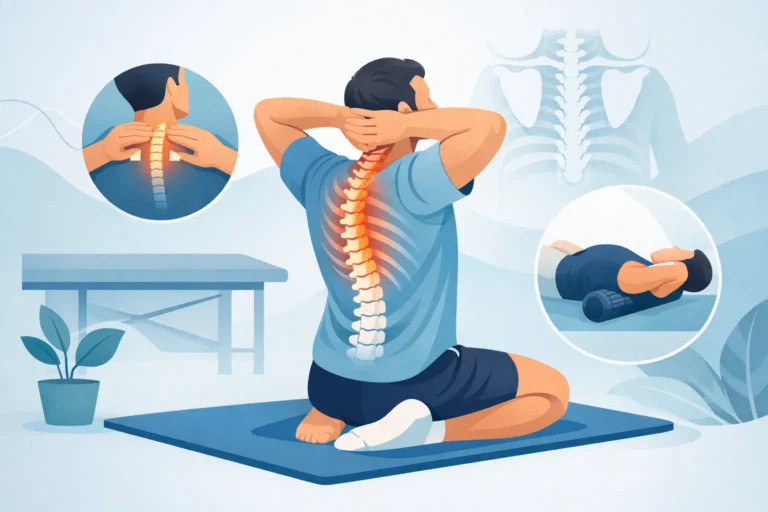
Movement should be introduced within your comfortable range, not forced through sharp pain. A clinician may recommend simple exercises such as slowly turning the head right and left, nodding gently, rolling the shoulders, or practicing postural control while sitting. The right choice depends on your symptoms, medical history, and stage of recovery.
A useful principle is to judge activity by its response over the next 24 hours. Mild, temporary discomfort during a new activity can be acceptable. Symptoms that spike substantially, travel farther, create dizziness, or remain worse the following day suggest that the load was too high. Reduce the range, intensity, or duration, then progress more gradually.
Returning to work also benefits from pacing. Long laptop sessions, video calls, and commuting can aggravate a recovering neck because they combine sustained posture, visual focus, and stress. Brief movement breaks every 30 to 45 minutes, a screen positioned near eye level, and temporary adjustment of workload can make a meaningful difference.
When hands-on osteopathic care may help
Once serious injury has been excluded, osteopathic treatment can be a valuable part of a broader recovery plan. The purpose is not to force the neck back into place. A careful osteopathic assessment considers how the neck is moving, how the upper back, ribs, shoulders, jaw, and pelvis are adapting, and whether the nervous system is remaining excessively protective.
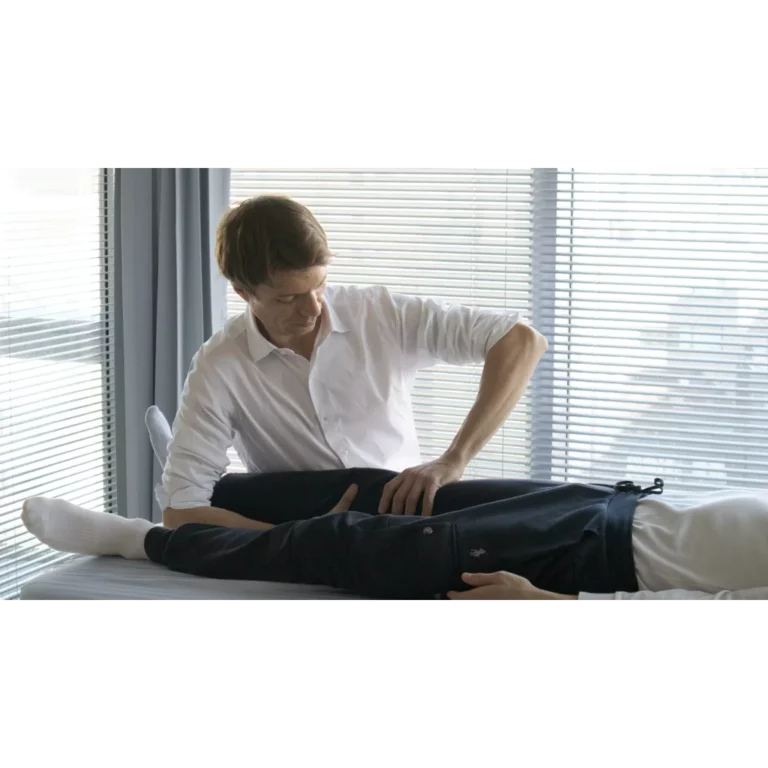
Treatment may include gentle soft-tissue work, joint mobilization, cranial or biodynamic approaches, and guided movement. The approach should be adjusted to your comfort and current sensitivity. In the early stages, a light and reassuring treatment may be more appropriate than strong techniques. As mobility and confidence improve, treatment and exercise can be progressed accordingly.
At Osteopath Tokyo, care begins with a detailed conversation about the accident, your symptoms, relevant scans or medical findings, work demands, sport, sleep, and previous injuries. This matters because a person with a history of migraines, jaw tension, hypermobility, or an older shoulder injury may need a different recovery strategy than someone whose only issue is recent neck stiffness.
Manual therapy is not a replacement for emergency care, medical diagnosis, or rehabilitation when these are needed. It can work alongside medical providers, physiotherapists, and appropriately prescribed exercise. The best plan is often the one that is clear, conservative, and responsive to how your body is actually recovering.
Recovery timelines and the factors that change them
Many people notice significant improvement within several days to a few weeks. Others need longer, especially after a higher-force collision or when headaches, dizziness, poor sleep, previous neck pain, or high stress are present. Trying to predict recovery from the first day alone is rarely reliable.
Progress is seldom perfectly linear. You may have a better week, then experience a flare after a long flight, a demanding work deadline, or an attempt to return too quickly to tennis, weight training, or running. A flare does not automatically mean new damage. It can be useful feedback that your tissues and nervous system need a more gradual increase in load.
Seek reassessment if symptoms are not improving, are worsening, or new neurological symptoms develop. Persistent pain should be taken seriously, particularly when it interferes with sleep, work, driving, or confidence in normal movement. Early, individualized support can reduce the tendency for guarding and avoidance to become long-term habits.
Returning to driving, sport, and normal life
Return to driving only when you can turn your head safely enough to check mirrors and blind spots without significant pain, dizziness, or delayed reaction. For sport, begin with lower-intensity activity and rebuild specific demands step by step. A runner may first tolerate walking and easy jogging; a swimmer may need to reintroduce head rotation carefully; a contact-sport athlete requires more comprehensive clearance.
The aim is not to wait until you feel completely fragile or completely fearless. It is to regain comfortable, reliable movement through repeated evidence that your body can tolerate daily life again. With thoughtful assessment, gentle progression, and care that respects both the injury and the person experiencing it, recovery can become less uncertain and more manageable.