When to See an Osteopath for Sciatica Pain
Sciatica can make ordinary Tokyo routines unexpectedly difficult. Sitting through a long train commute, getting up from a desk, carrying a child, or returning to sport may trigger a sharp pain that runs from the lower back into the buttock, leg, or foot. If you are wondering when to see an osteopath for sciatica, the answer is usually sooner than the point where pain has begun to change how you move, sleep, or work.
Sciatica is a description of symptoms, not a diagnosis by itself. The sciatic nerve can become irritated for several reasons, including a disc-related problem in the lower back, joint restriction, muscle tension around the pelvis, or a combination of these factors. A careful assessment matters because the right approach depends on what is driving your symptoms.
When to see an osteopath for sciatica
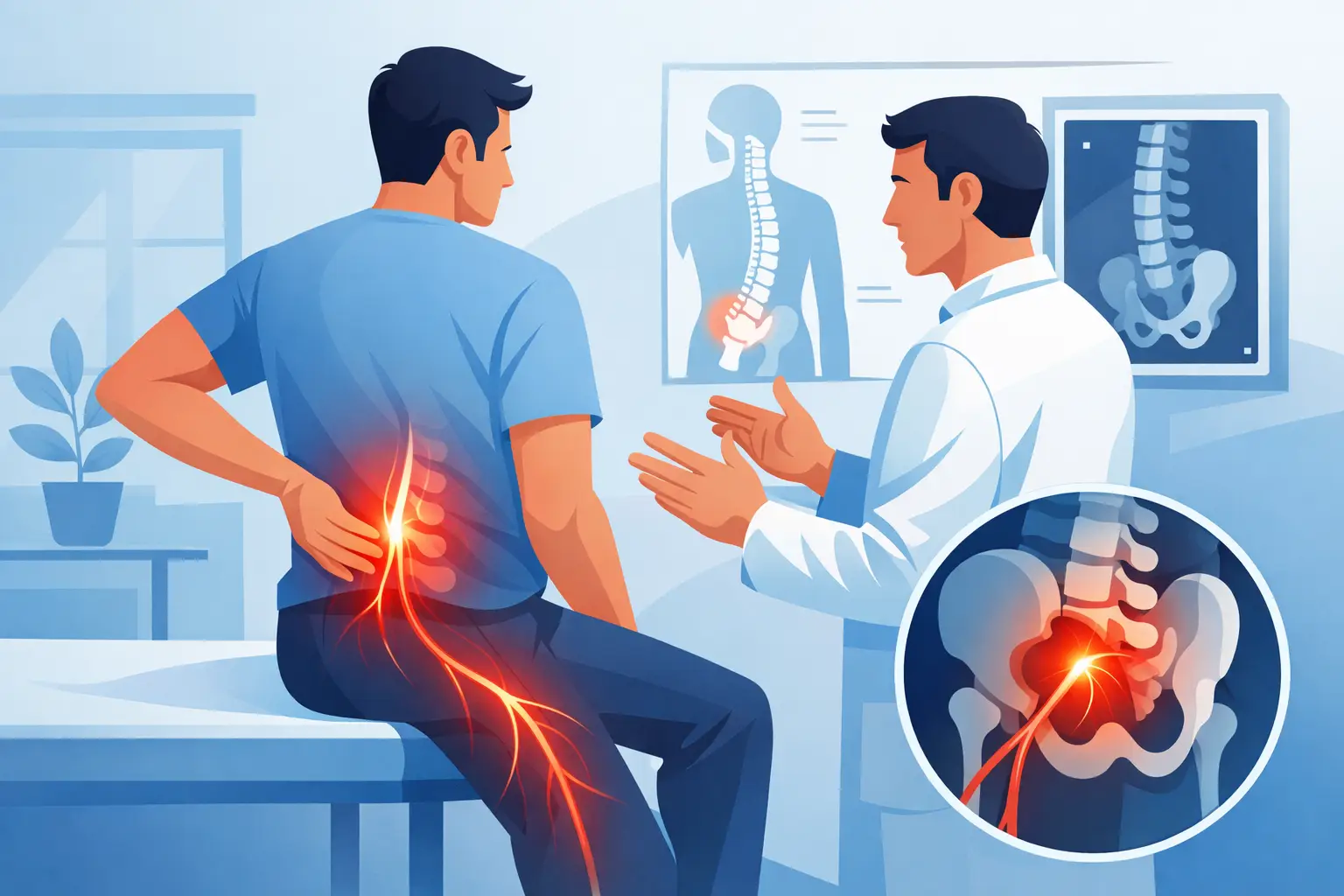
An osteopathic consultation can be appropriate when pain travels from the lower back or buttock into one leg, especially if it has persisted for more than a few days, keeps returning, or is limiting your normal activities. You do not need to wait until the pain is severe. Early care may help you understand the pattern, reduce protective muscle tension, and avoid the compensations that can make a manageable problem more persistent.
It is also sensible to seek hands-on assessment when sciatica appears after a clear trigger, such as lifting luggage, a new training program, a long flight, an awkward movement, or extended sitting. These events do not always cause serious injury, but they can expose a strain or movement restriction that your body has been quietly managing.
Many people benefit from osteopathic care when they notice that symptoms fluctuate with posture or activity. For example, pain may worsen after sitting but ease with walking, appear after running, or feel more pronounced when rolling over in bed. These details help guide an individualized assessment and treatment plan.
Persistent symptoms deserve attention as well. If you have been treating recurring leg pain with rest, stretching, pain medication, or massage but it continues to return, the focus should shift from temporary relief to identifying contributing factors. This may include the lower back, hips, pelvis, abdominal tension, work setup, training load, or how you move through everyday tasks.
Signs that your pain may be sciatica
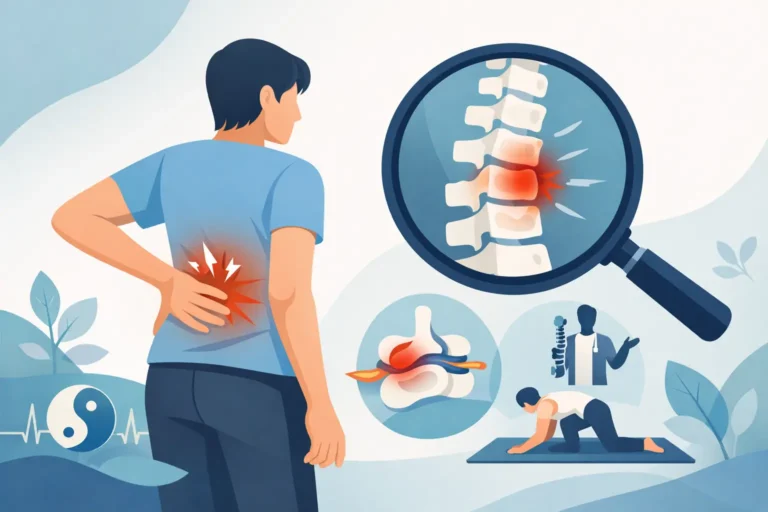
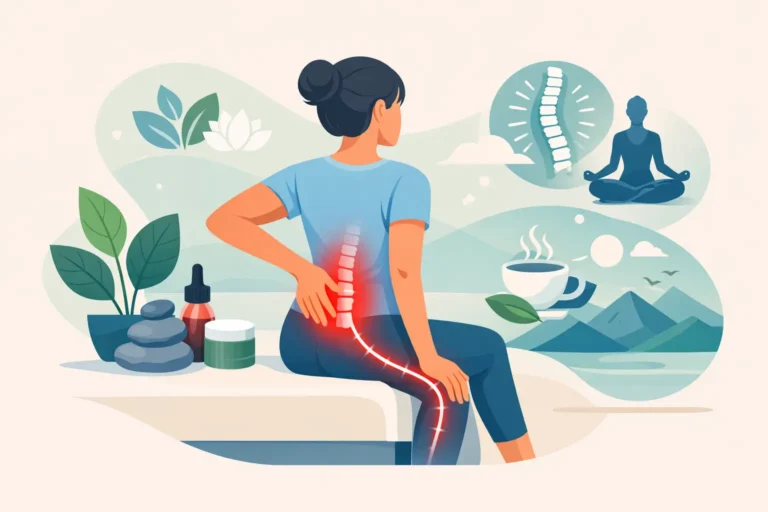
Sciatica often affects one side and may feel like burning, electric pain, tingling, numbness, or a deep ache. Some people feel it mostly in the buttock, while others notice symptoms behind the thigh, into the calf, or down to the foot. Back pain may be present, but not everyone with sciatica has significant lower back pain.
Not all leg pain is sciatica. Hip conditions, hamstring injuries, circulation problems, and irritation of other nerves can produce similar symptoms. This is why a practitioner should not assume that pain in the leg automatically comes from the sciatic nerve.
During an osteopathic assessment, the practitioner may look at your posture, walking pattern, spinal and hip mobility, muscle tone, and how symptoms respond to gentle movement. They will also ask about the location of pain, numbness, weakness, previous injuries, work demands, exercise, and relevant medical history. The goal is to form a clear clinical picture, not simply treat the painful area.
When sciatica needs urgent medical attention
Osteopathic treatment is not the right first step for every episode of sciatica. Certain symptoms require urgent medical assessment because they can indicate significant nerve compression, infection, fracture, or another condition that needs prompt care.
Seek emergency medical attention if you develop new difficulty controlling your bladder or bowel, numbness around the genitals, inner thighs, or buttocks, or rapidly worsening weakness in the leg or foot. These symptoms should not be monitored at home.
You should also contact a doctor promptly if sciatica follows a major fall or accident, is accompanied by fever or unexplained weight loss, occurs with a history of cancer, or is severe and unrelenting at night. New pain during pregnancy should be assessed thoughtfully as well, particularly when it is intense, associated with weakness, or accompanied by other concerning symptoms.
A responsible osteopath will screen for these warning signs and recommend medical evaluation when needed. In some cases, osteopathic care may be appropriate after a physician has assessed the condition, as part of a coordinated plan to restore comfortable movement and function.
What osteopathic treatment for sciatica can involve
Treatment should be tailored to your presentation, tolerance, and stage of recovery. When pain is acute and irritable, forceful techniques are rarely the priority. A more comfortable approach may focus on reducing tension in the tissues around the lower back, hips, pelvis, and legs, while helping your nervous system settle.
As symptoms improve, treatment can address movement restrictions and the way different areas of the body are sharing load. This may involve gentle joint mobilization, soft-tissue work, stretching or release techniques, and cranial or biodynamic approaches where appropriate. Your osteopath may also discuss practical modifications for sitting, sleep, lifting, travel, and exercise.
The aim is not to promise a quick fix or to force the body into a particular position. It is to improve mobility, reduce pain sensitivity, and support a return to normal activities at a pace that makes sense for you. Some people feel meaningful relief after one session; others need a short course of care, particularly when symptoms have been present for months or are linked to repeated strain.
Do not wait for pain to become disabling
People often delay care because the pain is intermittent. They may have a good day after rest, only for symptoms to return after another long workweek or weekend activity. This stop-start pattern is common, but it can gradually reduce confidence in movement. You may begin avoiding exercise, sitting unevenly, or relying on the uninjured side of the body, which can create additional discomfort.
An appointment is particularly worthwhile when sciatica is affecting your sleep, concentration, parenting, training, work travel, or ability to enjoy daily life. It is also useful if you are unsure which movements are safe. The answer is rarely complete bed rest. In many cases, gentle, appropriately paced movement is more helpful than remaining still for long periods, but the specific advice should reflect your symptoms.
For active adults and athletes, timing matters. Pushing through sharp radiating pain can prolong irritation, while stopping every form of activity can lead to stiffness and deconditioning. An individualized plan can help you distinguish between acceptable muscular discomfort and symptoms that signal you should modify or pause an activity.
What to expect at your first appointment
Your first visit should feel unhurried and clear. Before treatment begins, you should have an opportunity to explain when the symptoms started, what makes them better or worse, and what you most need to return to. This might be sleeping through the night, walking comfortably, carrying your baby, finishing a workday without pain, or preparing for a race.
At Osteopath Tokyo, care is one-on-one and adapted to the individual rather than delivered as a standard protocol. Treatment can be modified for people who are sensitive to touch, recovering from injury, pregnant, postpartum, or managing a demanding training schedule. Clear communication in English, French, or Japanese can also make a significant difference when discussing symptoms that are difficult to describe.
Wear comfortable clothing that allows easy movement, and bring any relevant medical information or imaging reports if you have them. Imaging is not necessary for every case of sciatica, but previous findings can be useful in understanding your history. Your osteopath can also tell you when further medical assessment or imaging may be appropriate.
Pain that runs into the leg deserves careful attention, but it does not have to dictate every decision you make. With the right assessment, sensible pacing, and treatment that respects your comfort, many people can begin moving with greater confidence again.