Sports Recovery Beyond Rest and Stretching
A hard track session, a long bike ride, or a demanding match can leave you with more than ordinary fatigue. When stairs feel difficult two days later, your shoulder catches during a serve, or your lower back remains tight despite stretching, the question is not simply whether to train again. It is whether your body has had the right conditions to recover.
Sports recovery is the process of restoring your capacity to move, train, and perform after physical stress. It is not a single treatment, supplement, or recovery gadget. For active adults in Tokyo, especially those balancing demanding work schedules with running, gym training, tennis, golf, cycling, or team sports, it is usually a matter of managing the small factors that either help the body adapt or keep it stuck in a cycle of soreness and compensation.
Why recovery is more than taking a day off
Training creates a useful challenge when the load is appropriate. Muscles, tendons, joints, and the nervous system respond to that challenge over time. But adaptation does not happen during the workout itself. It happens afterward, provided that the body has enough sleep, energy, movement variety, and time between demanding sessions.
A rest day can be helpful, but complete inactivity is not always the answer. After an intense session, gentle walking, easy cycling, or controlled mobility work may reduce the feeling of stiffness and make daily movement more comfortable. The right choice depends on what is sore, how severe the symptoms are, and whether you are dealing with normal post-exercise fatigue or a developing injury.
There is an important distinction. General muscle soreness that peaks one or two days after unfamiliar or strenuous exercise is common. Sharp pain, swelling, a sense of instability, numbness, a loss of strength, or pain that changes how you walk or use a limb deserves a more careful assessment. Pushing through these signs can turn a manageable issue into a longer interruption from sport.
The foundations of effective sports recovery
Match recovery to the training load
Recovery needs are not fixed. A short, easy run does not require the same response as a marathon, a heavy leg session, or several days of competitive play. Rather than following a rigid schedule, notice how your body responds to each type of training.
A useful question is: can you perform your normal warm-up with good control and without compensating? If your range of motion is reduced, your usual pace feels unexpectedly difficult, or a familiar ache becomes more pronounced as you move, reducing intensity may be wiser than forcing the planned session.
This does not always mean stopping. It may mean changing a sprint workout to easy aerobic work, choosing lower-body mobility over heavy lifting, or postponing a match until your movement feels more reliable. Consistency is built by training intelligently enough to remain active over months, not by winning every individual workout.
Sleep is performance support
Sleep is often the first recovery habit to suffer when work, travel, and family commitments become demanding. Yet it influences pain sensitivity, coordination, mood, and perceived effort. A difficult night of sleep can make a normal training load feel excessive.
Aim for a regular sleep window when possible, particularly after hard sessions and before important events. This does not require perfection. Even small improvements, such as protecting the final hour before bed from work messages, alcohol, and intense screen use, can make a meaningful difference in how recovered you feel the next day.
Eat and hydrate for the work you have done
The body needs enough energy to repair and adapt. Under-fueling is common among busy professionals who train early, exercise through lunch, or finish late in the evening. It can appear as persistent fatigue, slow progress, recurrent strains, disrupted sleep, or a feeling that every workout leaves you depleted.
After demanding exercise, prioritize a balanced meal with carbohydrates to replenish energy stores and protein to support muscle repair. Hydration matters as well, particularly in Tokyo’s humid summer months or after long indoor sessions. There is no need to chase complicated formulas for everyday training. Regular meals, adequate fluids, and sufficient total intake are usually more valuable than an expensive recovery product.
Keep mobility specific, not excessive
Stretching can feel good, but it is not a universal solution. Aggressively stretching an irritated tendon, a strained muscle, or a sensitive joint may increase symptoms. The goal is not to force flexibility. It is to restore comfortable, controlled movement.
For some people, recovery may involve gentle hip mobility after long periods of sitting. For others, it may mean improving thoracic spine movement so the neck and shoulders do not take over during swimming, desk work, or overhead lifting. The most effective mobility routine is often short, targeted, and consistent rather than long and exhausting.
When hands-on care can help sports recovery
If discomfort repeatedly returns in the same area, recovery may need more than rest and self-care. A runner with recurring calf tightness may be compensating for limited ankle motion. A tennis player with elbow pain may also have restrictions through the shoulder, upper back, or wrist. A cyclist with low-back discomfort may be dealing with training load, position, hip mobility, and fatigue at the same time.
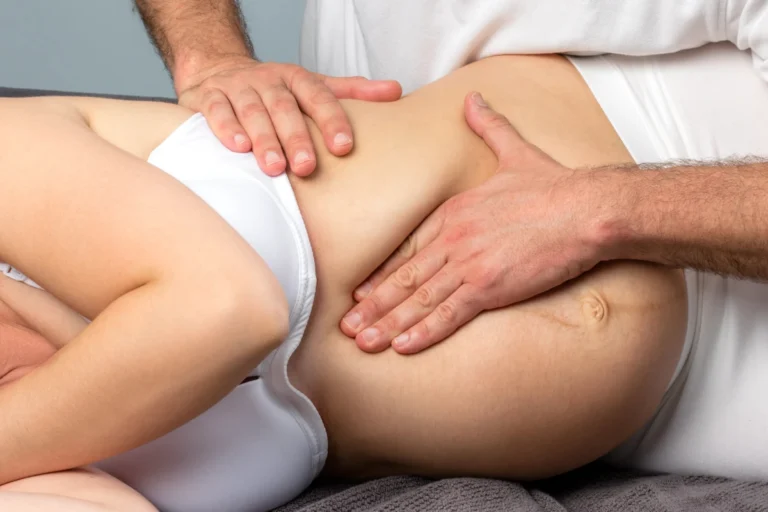
Osteopathic care looks beyond the painful location to assess how the body is moving as a whole. A hands-on session may include joint mobilization, soft-tissue techniques, and gentle approaches to reduce tension and improve movement quality. Just as importantly, it provides an opportunity to understand what may be contributing to the issue and how to modify activity without losing all momentum.
At Osteopath Tokyo, treatment is individualized around the sport, the person’s goals, and their current level of irritation. Someone preparing for a race may need a different approach from someone returning to exercise after a long break. Care should never feel like a generic protocol. It should account for your history, training schedule, work demands, and confidence in movement.
Manual therapy is most useful when it is part of a wider plan. Relief after treatment can create a valuable window for better movement, but strength, load management, sleep, and appropriate technique still matter. For persistent injuries, collaboration with a physician, physical therapist, coach, or trainer may also be appropriate.
A practical return-to-training approach
When symptoms begin to settle, avoid the temptation to immediately recreate the session that caused the problem. Start by restoring the basic movements your sport requires: walking comfortably, squatting, rotating, reaching, or balancing without pain or hesitation. Then reintroduce training volume or intensity gradually.
Change one variable at a time where possible. If you are returning to running, begin with a shorter distance at an easy pace before adding hills or speed. If you are returning to strength training, reduce load or total sets before testing maximal effort. This makes it easier to see what your body tolerates and reduces the chance of a setback.
Keep a simple note of training, sleep, symptoms, and energy levels for a few weeks. Patterns often become clear quickly. You may find that your knee only hurts after back-to-back high-impact days, or that shoulder tightness increases after laptop-heavy workdays followed by evening gym sessions. These observations are more useful than trying to identify a single perfect exercise or treatment.
Know when not to wait
Seek prompt medical evaluation after a significant fall, collision, or twist accompanied by severe pain, visible deformity, inability to bear weight, major swelling, or a sudden loss of function. Chest pain, shortness of breath, fainting, unexplained fever, progressive weakness, or numbness also require medical attention rather than routine sports care.
For less urgent problems, consider an assessment when pain persists beyond a reasonable recovery period, repeatedly returns with the same activity, or starts affecting sleep, work, or daily movement. Early attention can often prevent a small compensation from becoming a prolonged pattern.
Your body does not need to feel perfect after every session. Training asks something of it, and some fatigue is part of progress. But when recovery is supported with attentive pacing, quality sleep, sufficient nutrition, and care that respects the whole body, returning to the activities you enjoy can feel steadier, safer, and far more sustainable.