Observation
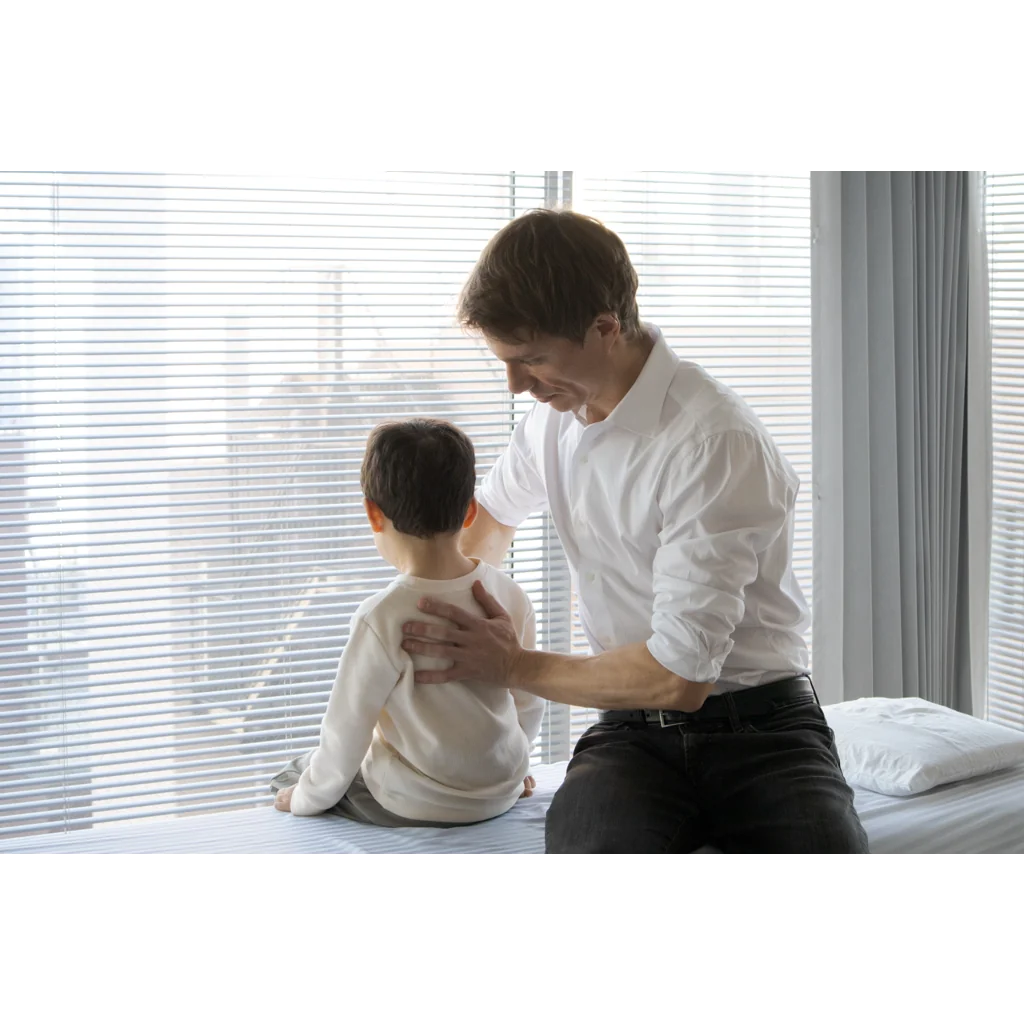
Long before the first contact, a great deal can already be understood through careful observation. The way you walk into the room, the way you sit, the way you turn to answer a question — all of it tells a story. Osteopathic assessment begins with the eye as much as with the hand, because patterns of posture and movement reveal where the body is working harder than it should.
From a small distance, I observe balance and asymmetry: a shoulder held slightly higher than the other, a pelvis that tilts under load, a head carried forward of the spine, feet that turn out unequally. Skin tone is also informative — areas of unusual pallor, redness or temperature change can hint at circulation patterns, inflammation or local tension that has been present for some time.
Active movements give the next layer of information. I may ask you to bend forward, rotate, look over your shoulder or take a few simple steps. The interest is not only in how far you can move, but in how the movement happens: does the spine flow smoothly or does it hinge at one point, does a hip lag behind, does a shoulder hike up to compensate? Restrictions become visible when motion is observed honestly, without trying to look “good”.
I never use this visual examination in isolation. It is paired with the case history and hands-on assessment to form a coherent picture. But it ensures that my conversation with your body begins long before any contact is made, and that subtle patterns — easy to miss with the hands alone — are noticed early.