
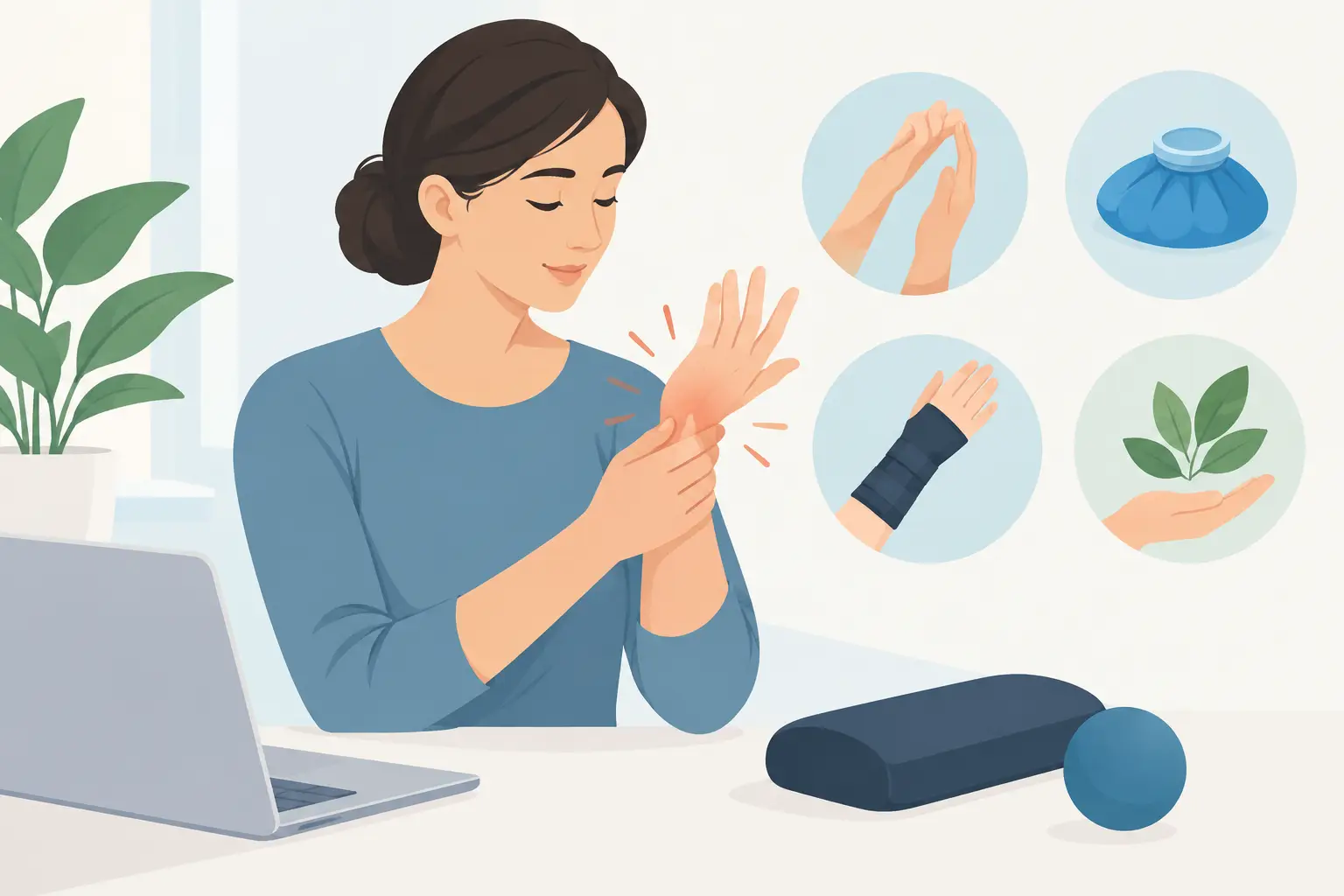
Best Remedies for Carpal Tunnel Pain Relief
A tingling thumb, numb fingers during the night, or a hand that feels weak when holding a phone can quickly make work, training, and sleep more difficult. The best remedies for carpal tunnel are not always a single exercise or device. Meaningful relief usually comes from identifying what is irritating the median nerve at the wrist, reducing that irritation, and addressing the movement or workload patterns that keep it returning.
Carpal tunnel syndrome deserves a careful assessment. Its symptoms can overlap with neck tension, nerve irritation higher in the arm, tendon problems, and other conditions. For Tokyo professionals who spend long hours at a laptop, parents repeatedly lifting a child, and athletes placing high demands on their wrists, the right plan depends on the whole picture.
What Carpal Tunnel Syndrome Feels Like
The carpal tunnel is a narrow passageway on the palm side of the wrist. The median nerve travels through it alongside tendons that move the fingers. When pressure in this space increases, the nerve may become irritated. Typical symptoms include tingling, numbness, burning, or pain in the thumb, index finger, middle finger, and part of the ring finger.
Many people notice symptoms at night or when their wrist stays bent while sleeping, driving, typing, cycling, or holding a book. Some begin to shake or move their hand for temporary relief. As irritation progresses, grip may weaken, objects may feel less secure, and fine movements such as buttoning a shirt can become frustrating.
Symptoms that extend mainly into the little finger are less typical of carpal tunnel syndrome and may point to another nerve pathway. This is one reason self-diagnosis can be misleading.
Best Remedies for Carpal Tunnel: Start With Pressure Reduction
For mild or recent symptoms, conservative care often begins with reducing repeated pressure and extreme wrist positions. The aim is not complete inactivity. It is giving an irritated nerve a calmer environment while preserving comfortable movement and normal function.
Wear a neutral wrist splint at night
A wrist splint that holds the wrist in a straight, neutral position can be particularly helpful for night symptoms. It prevents prolonged bending or folding of the wrist during sleep, which may reduce pressure on the median nerve. Many people notice better sleep before they notice a major change in daytime symptoms.
A splint should feel supportive, not tight. If it causes more tingling, changes finger color, or feels painful, it may not fit correctly. Nighttime use is often a sensible first step; wearing a splint all day can be useful for a short period during aggravating tasks, but excessive immobilization may make the wrist feel stiff.
Adjust the task, not just the posture
Ergonomics matter, but there is no single perfect desk position that protects every wrist. More useful is reducing the amount of time spent in one position. Keep the keyboard and mouse close enough that you are not reaching forward, allow the forearms to rest comfortably, and avoid sharply bending the wrists while typing.
For many office workers, frequent short changes are more realistic than trying to maintain flawless posture for eight hours. Switch hands when possible, use voice dictation for some tasks, pause between long meetings, and vary your grip on a phone. If a particular mouse, trackpad, tool, or gym exercise reliably triggers symptoms, modify it temporarily rather than pushing through numbness.
Use gentle nerve and tendon movement
Gentle mobility can help some people, especially when done without reproducing sharp pain or prolonged tingling. Nerve-gliding and tendon-gliding exercises are often used to encourage movement of the nerve and tendons through the wrist.
The key word is gentle. Aggressive stretching of the wrist, forceful self-massage, or repeatedly provoking symptoms can make an already sensitive nerve more reactive. A clinician can show you movements suited to your presentation and ensure that neck, shoulder, elbow, and wrist mechanics are all considered.
Consider pain relief as a short-term support
Cold packs may ease a flare after repetitive activity for some people, while others prefer warmth for surrounding muscle tension. Either should be used briefly, with a cloth between the skin and the pack. Over-the-counter anti-inflammatory medication may be appropriate for certain patients, but it does not correct nerve compression and is not suitable for everyone. Check with a physician or pharmacist if you have stomach, kidney, heart, pregnancy-related, or medication concerns.
Why the Neck, Shoulder, and Forearm May Matter
The wrist is the narrowest point in the story, but it is rarely the only area worth examining. Tight or overworked forearm muscles can increase strain through the tendons that pass into the carpal tunnel. Reduced shoulder mobility, sustained neck posture, and nerve sensitivity higher in the arm may also influence how symptoms are felt in the hand.
This does not mean every case of carpal tunnel begins in the neck. It means a complete assessment should not stop at the wrist. An individualized osteopathic approach may include gentle work to the forearm, wrist, elbow, shoulder, and upper back, together with advice on movement, workload, sleep position, and recovery. The goal is to improve comfort and mobility while avoiding techniques that aggravate the nerve.
At Osteopath Tokyo, care is guided by a hands-on assessment and the practical demands of each patient’s life, whether that means computer work, caring for a baby, racket sports, climbing, or long commutes. Treatment is adapted to comfort and clinical findings rather than following a fixed routine.
Address the Factors That Keep Symptoms Active
Carpal tunnel symptoms are often linked with repeated hand use, but repetition alone does not explain every case. Pregnancy and postpartum fluid changes can contribute. Diabetes, thyroid conditions, inflammatory arthritis, prior wrist injury, and weight changes may also affect risk. Sometimes there is no obvious cause.
If symptoms started during pregnancy, a neutral night splint and thoughtful activity changes are commonly useful first measures. New or worsening numbness should still be discussed with the maternity care team or physician, especially if swelling is sudden or significant. After delivery, symptoms may improve as fluid balance changes, but ongoing hand pain while feeding or carrying a baby may need targeted support.
For active adults, technique and training load deserve attention. Cycling with prolonged pressure through the handlebars, weight training with extended wrists, yoga poses that load the palms, and racquet sports can all aggravate a sensitive wrist. A temporary adjustment in volume, grip, wrist angle, or equipment is often more productive than stopping all exercise.
When to Seek Medical Evaluation
Home strategies are most appropriate for mild, intermittent symptoms. Arrange a medical evaluation sooner if numbness is constant, hand weakness is developing, you are dropping objects, or you notice shrinking of the muscle at the base of the thumb. Severe pain after a wrist injury, major swelling, or sudden loss of hand function also needs prompt assessment.
A physician may use a physical examination and, when needed, nerve-conduction testing or imaging to clarify the diagnosis and severity. Depending on the findings, treatment may include guided therapy, a corticosteroid injection, management of an underlying health condition, or referral for surgical release. Surgery is generally considered when nerve compression is severe, weakness is progressing, or conservative care has not brought enough improvement.
Seeking an evaluation is not a failure of natural care. It is a way to protect nerve function and choose the least invasive treatment that is appropriate for your condition.
A More Useful Standard Than a Quick Fix
The best plan is the one that makes daily life easier without asking you to ignore warning signs. Relief may come from a night splint and a few workstation changes, or it may require a broader assessment of the wrist, forearm, neck, workload, and health factors. If tingling is interrupting your sleep or making ordinary tasks uncertain, early, personalized care can help you move forward with greater confidence.