How to Relieve Sacroiliac Pain Without Pushing Through
A sharp ache beside the low back, pain when rolling over in bed, or a deep pulling sensation through one buttock can make ordinary life feel surprisingly difficult. If you are wondering how to relieve sacroiliac pain, the most useful first step is to stop treating it as a problem you should simply stretch or push through. The sacroiliac joint is small, but it sits at an important junction between the spine and pelvis. When it is irritated, the effects can be felt with walking, sitting, exercise, pregnancy, and even getting in and out of a car.
Sacroiliac pain often settles when the joint is given the right balance of movement, support, and hands-on care. The right approach depends on what has triggered the irritation, how long symptoms have been present, and whether other structures such as the hip, lumbar spine, or pelvic muscles are contributing.
What sacroiliac pain can feel like
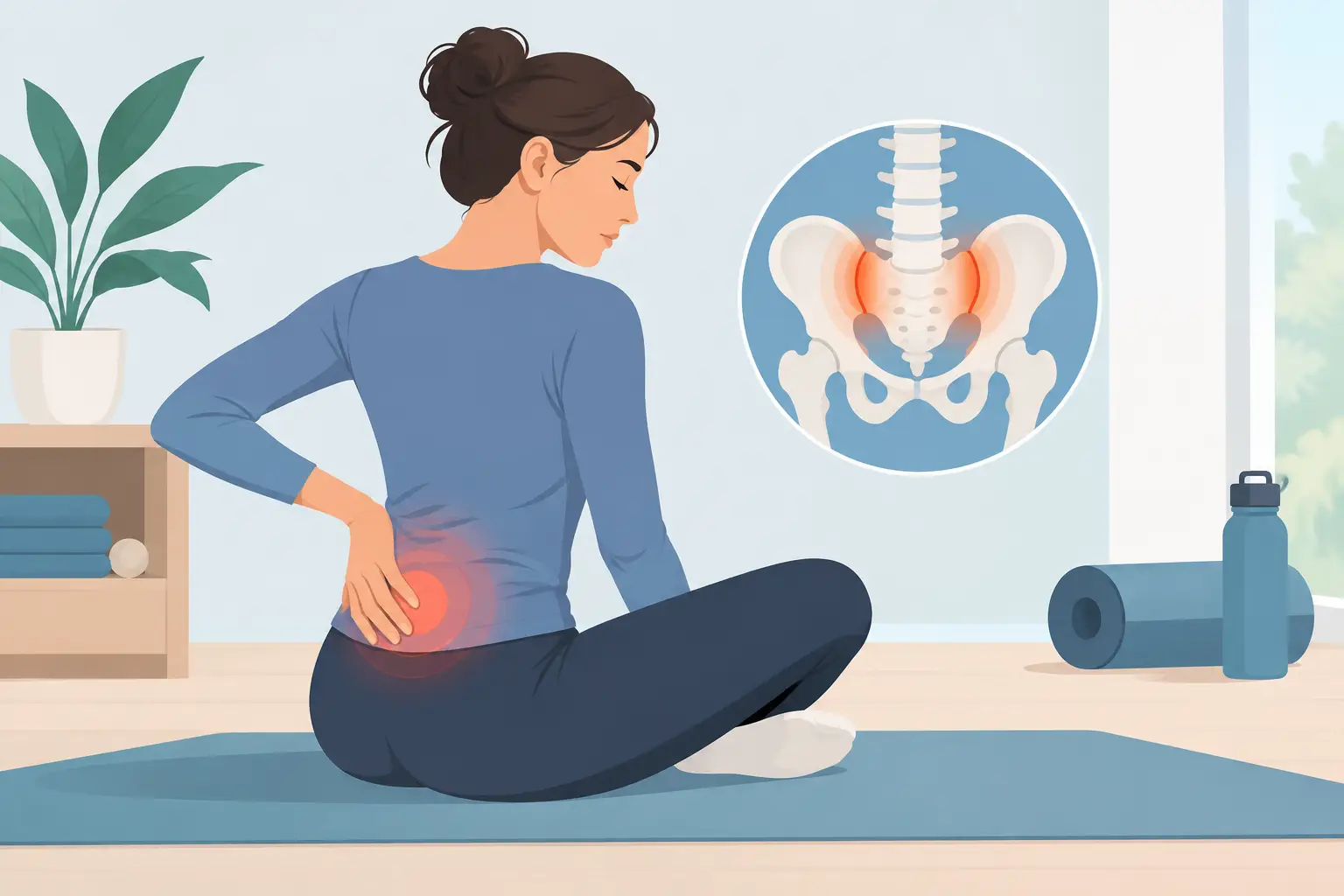
The sacroiliac, or SI, joints connect the sacrum at the base of the spine to the pelvic bones. There is one on each side. These joints are designed for stability more than large movement, transferring force between the upper body and legs with every step.
Pain commonly appears on one side of the low back, close to the dimples above the buttocks. It may spread into the buttock, groin, outer hip, or upper thigh. Some people notice it most after long periods of sitting, while others are uncomfortable with standing, stairs, running, or turning in bed. The symptoms can resemble sciatica, hip pain, or a lumbar disc problem, which is why a careful assessment matters.
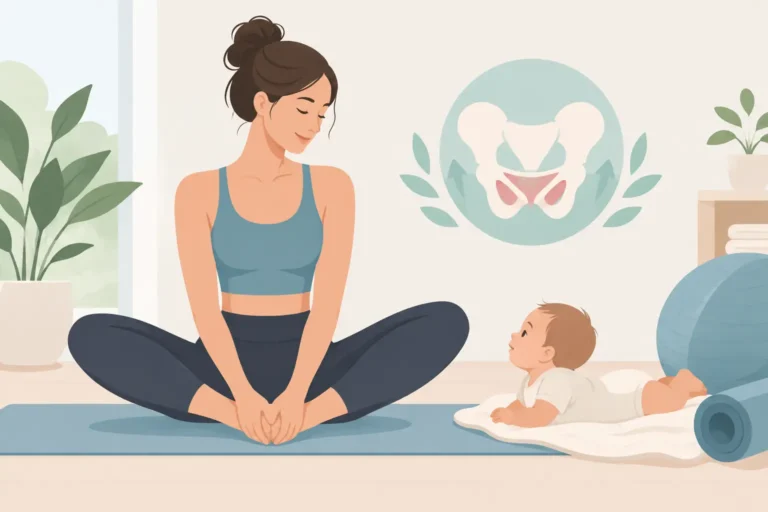
SI joint discomfort can develop after a fall, a sudden increase in training, prolonged desk work, or repeated asymmetrical loading such as carrying a child on one hip. During pregnancy and after childbirth, hormonal changes and altered pelvic mechanics can make the area more vulnerable. Stress and poor sleep can also increase muscular tension and pain sensitivity, making a minor mechanical irritation feel much more persistent.
How to relieve sacroiliac pain at home
In the early stage, aim to calm the area rather than force a correction. If a particular activity reliably causes a sharp pain, temporarily reduce it. This does not mean complete rest. Long periods of immobility can stiffen the hips and lower back, often making movement harder when you resume it.
Gentle, regular walking is often better tolerated than a long workout or a full day on the sofa. Start with a comfortable duration and stop before pain becomes sharp or significantly worse afterward. Short walks spread through the day may be more effective than one ambitious session.
Heat can help when the surrounding buttock and low-back muscles feel guarded or tight. A warm shower, bath, or heating pad used for 15 to 20 minutes can make gentle movement easier. Cold may feel better after a recent strain or when the area feels hot and irritated. Choose the option that gives you clear relief rather than following a rigid rule.
Sleeping positions deserve attention because repeated painful turning can disrupt recovery. Many people are more comfortable on their side with a pillow between the knees, which reduces twisting through the pelvis. If you sleep on your back, a pillow beneath the knees can lessen the pull on the lower back. The goal is not a perfect posture but fewer hours spent in a position that aggravates symptoms.
Move the hips and core gently
A painful SI joint is often surrounded by muscles that are working too hard or not coordinating well. Gentle mobility for the hips, combined with low-load core and gluteal control, can be helpful once acute pain has settled. Exercises should feel controlled and manageable, not like an endurance test.
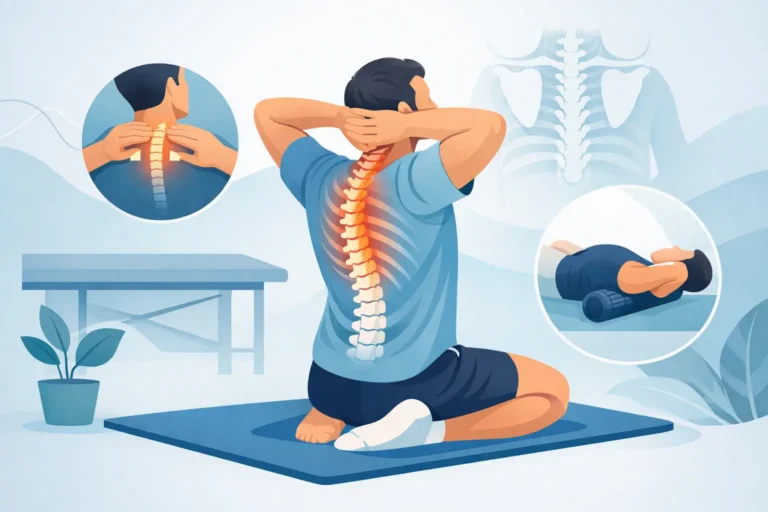
Pelvic tilts, slow bridges, supported knee-to-chest movements, and easy hip stretches may be appropriate for some people. However, a stretch that creates pinching, catching, or pain that lingers into the following day is not the right stretch for you at that moment. This is especially relevant for people who are naturally flexible, pregnant, or postpartum. More range of motion is not always the answer when the pelvis needs stability.
Avoid repeatedly twisting, deep lunging, or forcing a strong stretch into the painful side during a flare. High-impact exercise and heavy lifting may also need a temporary modification. You do not have to stop being active, but it is sensible to reduce the movements that make the joint feel unstable or sharply painful while restoring confidence and control.
Change the small habits that keep irritating it
Sacroiliac pain is frequently aggravated by repeated uneven loading. Try to avoid standing with all your weight dropped into one hip, crossing the same leg for hours, or carrying a heavy bag on one shoulder. When getting out of bed, roll onto your side first, then use your arms to push up while keeping the knees together.
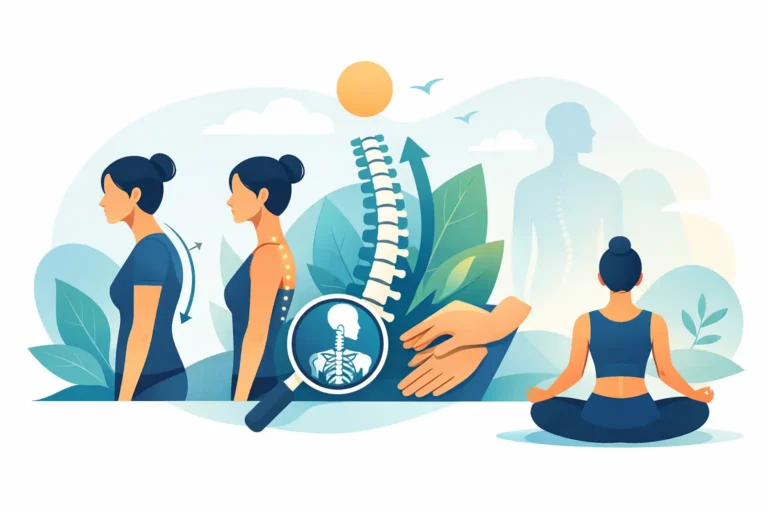
For desk-based professionals, changing position regularly is more useful than trying to maintain one rigid posture all day. Stand up, take a brief walk, and allow the hips to move every 30 to 60 minutes. If sitting is painful, experiment with a small lumbar support or a chair height that lets both feet rest comfortably on the floor.
When hands-on assessment is valuable
If pain is recurring, has not improved with sensible self-care, or is limiting your work, sleep, sport, or ability to care for your family, an individualized assessment can clarify what is driving it. SI pain is rarely just about one joint being out of place. The pelvis is influenced by hip mobility, lumbar movement, abdominal and gluteal function, old injuries, gait, and, in some cases, the physical demands of pregnancy or postpartum recovery.
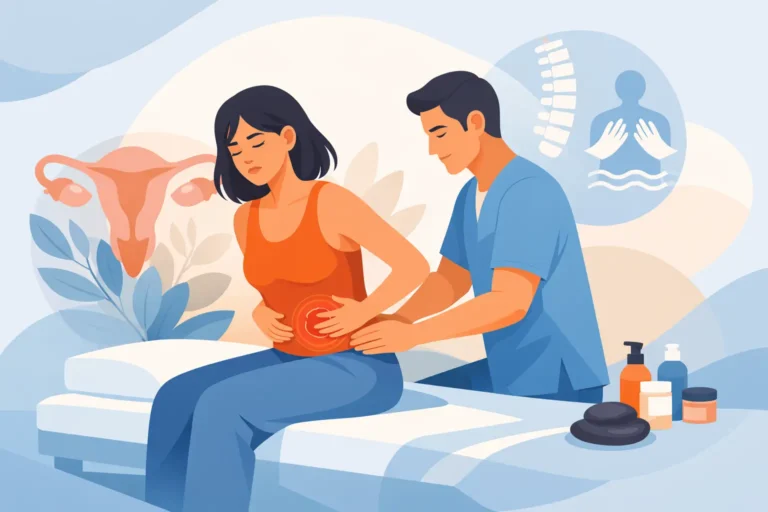
An osteopathic consultation begins by listening to the pattern of your symptoms and examining how your pelvis, spine, hips, and soft tissues move together. Treatment may include gentle joint mobilization, soft-tissue techniques, and carefully chosen exercises to improve comfort and restore more balanced movement. The treatment should be adapted to your sensitivity, health history, and goals, whether those goals are returning to running, sitting through meetings comfortably, or lifting your baby without apprehension.
At Osteopath Tokyo, care is one-on-one and hands-on, with the aim of addressing both the painful area and the compensations that may be maintaining it. For international residents, clear communication in English can be particularly reassuring when symptoms are unfamiliar or when previous treatment has not provided a satisfying explanation.
A pelvic belt can occasionally be useful, particularly during pregnancy or early postpartum when the pelvis feels unsupported. It is not necessary for everyone, and it should be fitted and used with professional guidance. The same principle applies to exercise: the best plan is one that matches your current capacity rather than a generic program found online.
When sacroiliac pain needs medical attention
Most mechanical SI pain is not dangerous, but certain symptoms need prompt medical assessment. Seek urgent care if pain follows significant trauma, or if it is accompanied by fever, unexplained weight loss, new numbness around the groin, loss of bowel or bladder control, or progressive leg weakness. Persistent pain that wakes you consistently at night, does not change with position, or is associated with a history of cancer, infection, or inflammatory disease also deserves medical evaluation.
If pain travels below the knee with tingling, numbness, or weakness, the source may involve a nerve or the lumbar spine rather than the SI joint alone. A precise diagnosis is more valuable than continuing to self-treat the wrong problem.
Recovery from sacroiliac pain is usually not about finding one dramatic adjustment or one perfect exercise. It comes from reducing irritation, restoring comfortable movement, and understanding the everyday patterns that your body is asking you to change. With a calm, personalized plan, most people can return to moving with far less caution and far more confidence.