Osteopathy for Postpartum Recovery in Tokyo
The first weeks after birth can feel physically unfamiliar in ways many women do not expect. You may be caring for a newborn around the clock while also dealing with pelvic pressure, back pain, rib tension, neck strain from feeding, or a sense that your body no longer moves as it did before pregnancy. Osteopathy for postpartum recovery is designed to address exactly this phase – not by forcing the body, but by helping it regain balance, mobility, and comfort through precise hands-on care.
Postpartum recovery is not only about rest. It is also about how well your body adapts after major structural, hormonal, and emotional change. Pregnancy shifts posture, breathing mechanics, abdominal tension, pelvic alignment, and the way force travels through the spine and hips. Labor and delivery add another layer. Whether birth was vaginal, assisted, or by C-section, the tissues have been under real strain. When these strains do not settle well, pain and dysfunction can linger longer than expected.
Why postpartum symptoms often persist
Many new mothers are told that discomfort is simply part of the process. Some soreness is normal, but ongoing pain should not be dismissed. A body that has spent months adapting to a growing baby does not instantly return to its previous mechanics after delivery.
The pelvis may still feel unstable. The lower back may compensate for weak or overstretched abdominal muscles. The rib cage can remain restricted, especially after pregnancy breathing changes or prolonged feeding positions. If you are lifting, carrying, and feeding an infant several times a day, small imbalances become amplified quickly.
Hormones also play a role. Ligaments and soft tissues may remain more lax for some time postpartum, which can leave certain joints feeling unsupported while other areas become overworked. Sleep deprivation and stress can increase muscle guarding and reduce the body’s capacity to recover efficiently. In practice, this is why postpartum pain is rarely just one isolated issue.
How osteopathy for postpartum recovery can help
Osteopathic treatment looks at how the whole body is functioning, not just where it hurts. In the postpartum period, that matters. Pain in the neck may be linked to rib restriction and feeding posture. Pelvic discomfort may be tied to sacral mobility, abdominal wall tension, hip mechanics, or compensation through the lumbar spine.
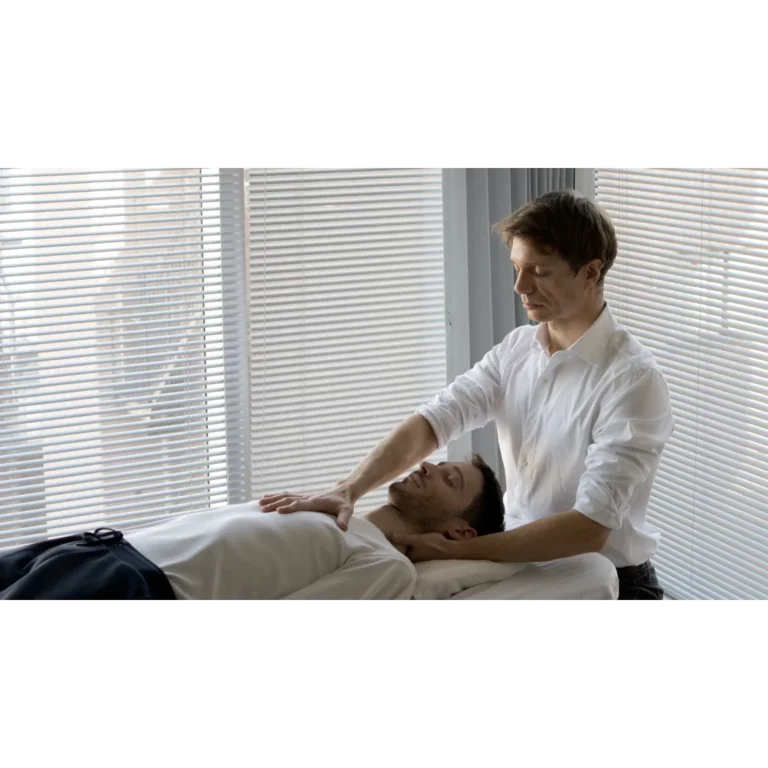
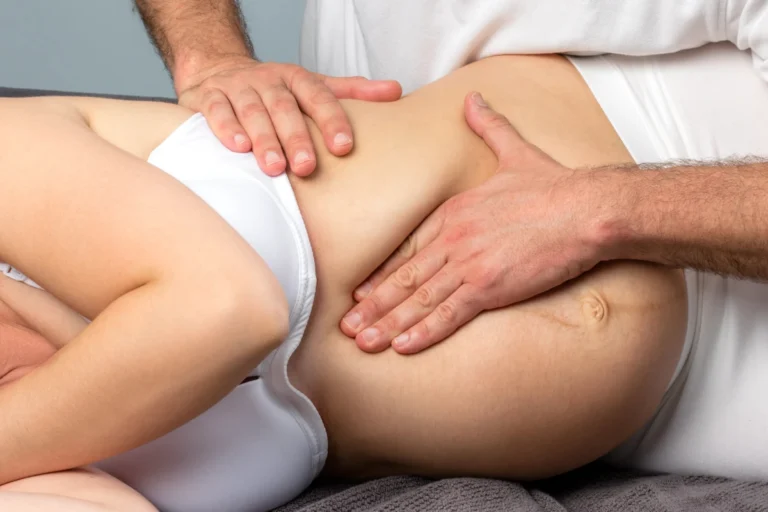
A careful osteopathic assessment helps identify what is still under strain and what is no longer moving well. Treatment may use gentle structural work, soft-tissue release, craniosacral or biodynamic techniques, and specific manual approaches to reduce tension and improve motion. The goal is not a generic “postnatal massage” experience. It is to restore more efficient function so the body can recover with less effort and less pain.
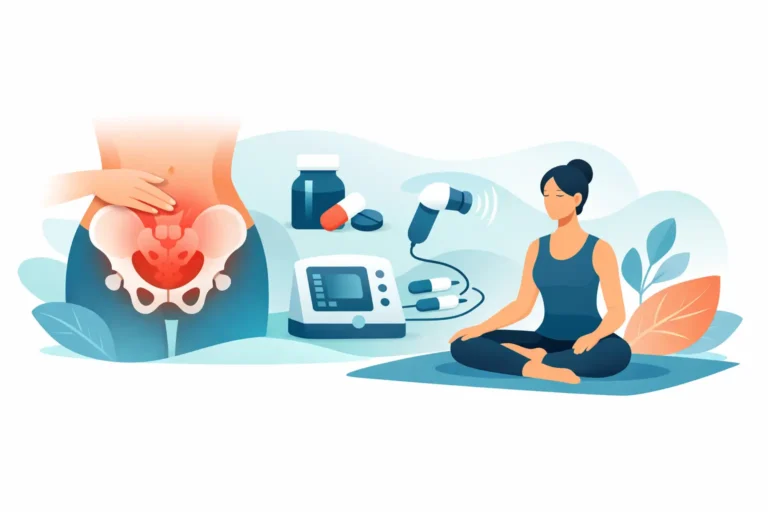
This approach can be helpful for women experiencing low back pain, pelvic girdle pain, sacroiliac discomfort, neck and shoulder tension, headaches, rib tightness, tailbone pain, and general stiffness after birth. It can also support recovery after a C-section, when scar-related tension and altered abdominal mechanics affect the way the trunk and pelvis move.
Common postpartum issues osteopathy may address
Back, neck, and shoulder pain
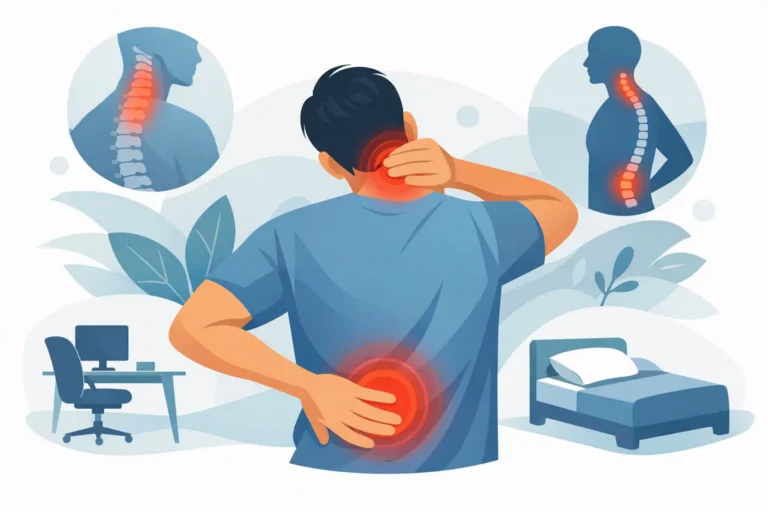
Feeding, holding, lifting, and carrying a baby place repeated stress on the upper back, shoulders, and neck. Many mothers also hunch forward without realizing it, especially when tired. If the thoracic spine and ribs are not moving well, the neck and lower back often compensate.
Hands-on treatment can help reduce muscle overuse, improve spinal and rib mobility, and make everyday activities feel less taxing. Small changes in comfort can make a significant difference when those activities happen dozens of times per day.
Pelvic pain and core instability
After pregnancy and birth, the pelvis may feel heavy, uneven, or unstable. Some women describe pain when walking, turning in bed, climbing stairs, or standing on one leg while dressing. Others notice weakness through the lower abdomen or difficulty reconnecting with the core.
This is where a whole-body approach is useful. The pelvis does not function in isolation. Tension in the diaphragm, abdominal wall, hips, pelvic floor, and lower spine all influence how stable and comfortable the area feels. Osteopathic treatment can help normalize those relationships while respecting the pace of tissue healing.
C-section recovery support
A Cesarean birth is major abdominal surgery. Even when the incision is healing well, the deeper tissues may remain restricted. That can affect posture, trunk rotation, breathing, lifting mechanics, and even digestion in some cases.
Manual treatment after appropriate medical clearance can help ease surrounding tension, improve mobility through the abdomen and rib cage, and reduce compensatory strain elsewhere. The treatment must be adapted carefully. Early postpartum care should always be gentle and appropriate to the stage of healing.
Headaches, jaw tension, and stress overload
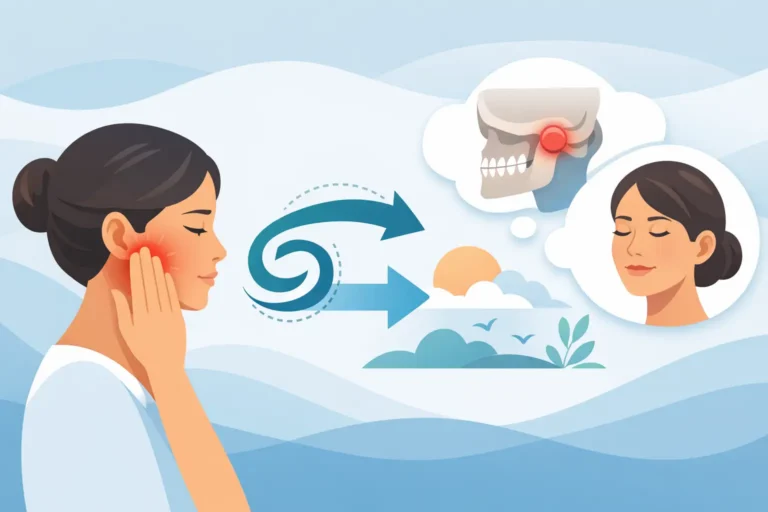
The postpartum period is physically demanding, but it is also neurologically demanding. Interrupted sleep, stress, feeding challenges, and repetitive upper-body tension can contribute to headaches, jaw clenching, and a persistent sense of physical overload.
In these cases, treatment often focuses not only on joints and muscles but also on calming the system. Gentle cranial and soft-tissue techniques may help reduce tension patterns that build when the body is constantly on alert.
What a postpartum osteopathy session should feel like
Good postpartum care should feel safe, respectful, and individualized. There is no one routine that suits every mother, because recovery depends on the birth experience, current symptoms, medical history, energy level, and stage of healing.
At a first appointment, the practitioner should take time to understand how your pregnancy, delivery, and postpartum period have unfolded. That includes where you feel pain, what movements are difficult, how you are feeding and carrying your baby, whether you had a C-section or perineal trauma, and how long the symptoms have been present.
The examination is typically gentle and focused on posture, spinal and pelvic mechanics, breathing patterns, tissue tension, and areas of compensation. Treatment is then adapted accordingly. For some women, very light work is appropriate. For others, more structural treatment can be useful. It depends on timing, symptoms, and tissue tolerance.
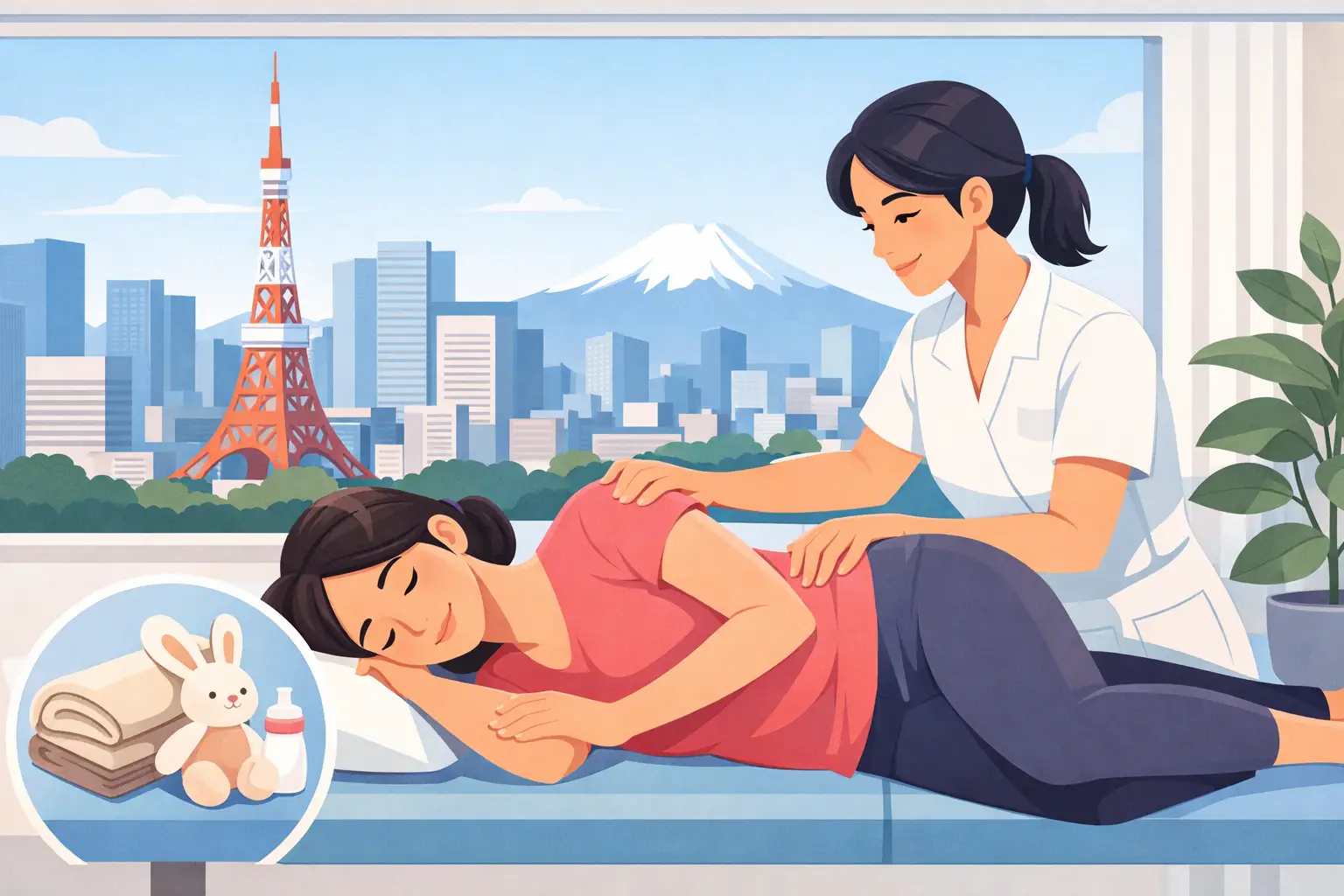
A premium clinical setting should also reduce uncertainty. Clear explanations matter, especially for international patients in Tokyo who may be looking for care in English and want to understand exactly what is being done and why.
When to seek osteopathy for postpartum recovery
Some women come in within the first few weeks after birth. Others seek treatment months later when pain has not resolved or becomes worse once baby-carrying increases. Both are valid.
If pain is interfering with feeding, lifting, walking, sleep, exercise, or your ability to care for your baby comfortably, it is worth having it assessed. The earlier restrictions are addressed, the easier it often is to prevent secondary compensation patterns. That said, treatment can still be very effective later on, especially when postpartum symptoms have simply been endured for too long.
There are, however, situations where osteopathy is not the first step. Fever, heavy bleeding, acute infection, sudden severe pain, neurological symptoms, wound concerns, or signs of a medical complication require prompt medical evaluation. Responsible care means knowing when manual treatment is appropriate and when referral is necessary.
Why individualized care matters
Postpartum recovery is often treated as a standard timeline, but real recovery is much more personal. A woman who had a long labor, forceps delivery, or emergency C-section will not present the same way as someone who had an uncomplicated vaginal birth. A mother caring for her first baby may have different strain patterns from a mother lifting both a newborn and a toddler.
This is why individualized osteopathic care matters. The aim is not only to reduce pain in the short term, but to help the body function better as daily demands increase. That may mean improving pelvic mobility, reducing scar-related restrictions, restoring rib cage movement, easing neck tension, or supporting a more comfortable return to exercise.
At Osteopath Tokyo, postpartum care is approached with that level of precision. Treatment is adapted to the individual, with attention to comfort, clinical safety, and the practical realities of recovery after birth.
If your body still feels tense, unstable, or painful after delivery, that does not mean you have to simply wait it out. The right hands-on care can create space for recovery to feel more supported, more efficient, and a little more manageable during a demanding season of life.