Diagnosis
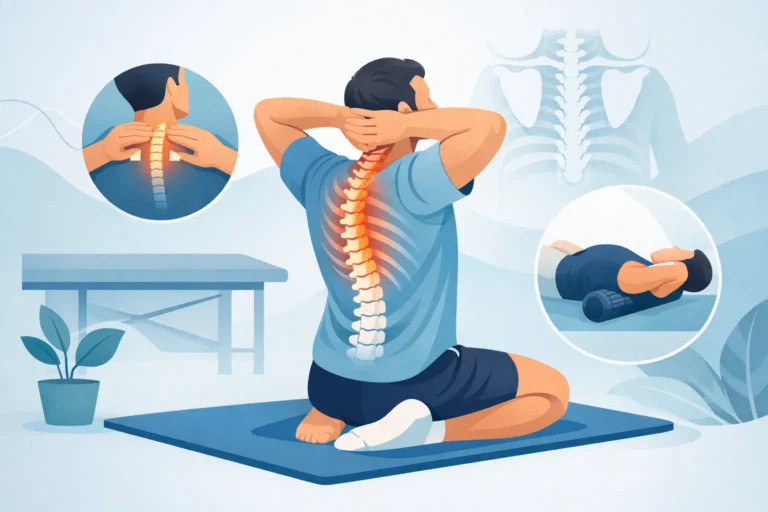
Pain rarely tells the whole story. Where you feel it is often not where it began. My first task as an osteopath is to look beyond the area you point to and ask a more useful question: what is restricting normal movement, and why has your body adopted this pattern?
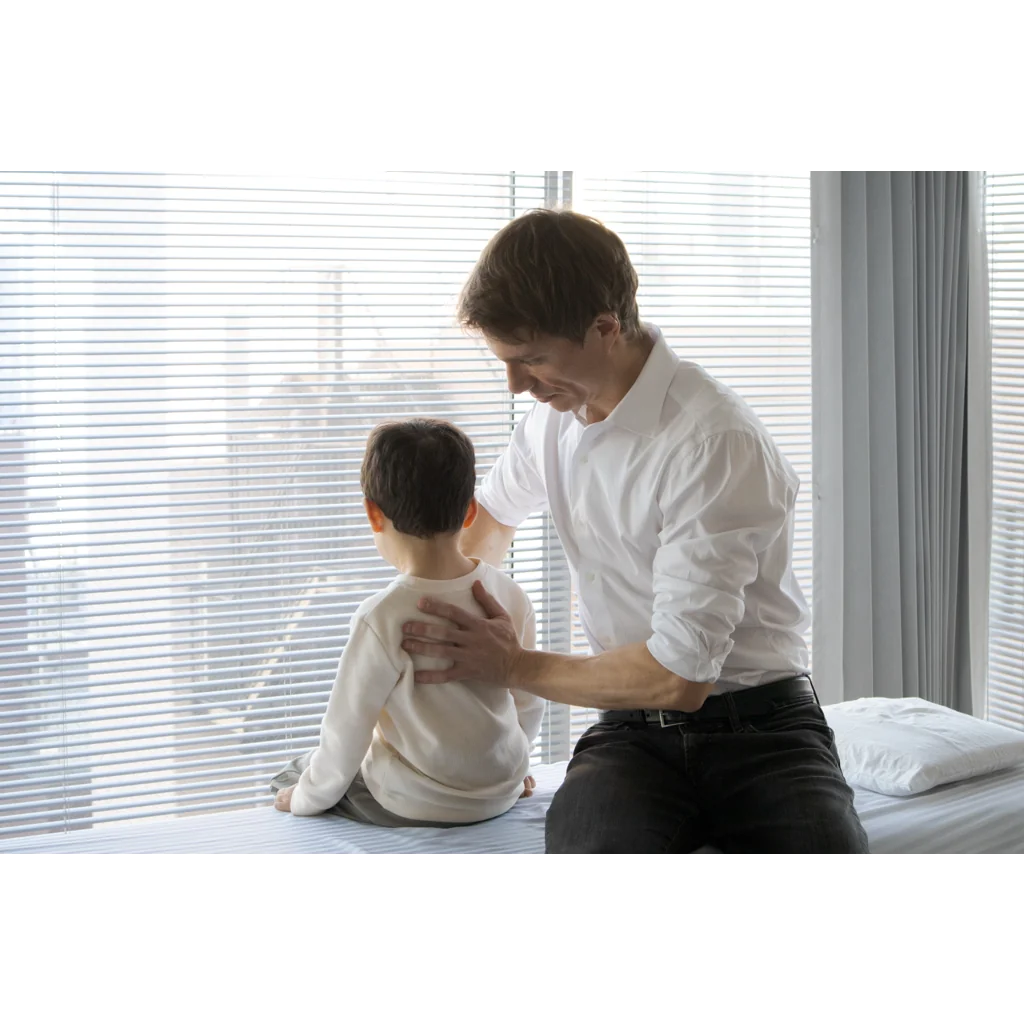
I build the diagnosis from two sources: the information you give me during the interview, and what my hands find through manual testing. Through fine palpation — a precise, listening kind of touch — I detect restrictions in joints, fascia, muscles, organs and the deeper rhythms of the body. Mobility tests check how well a region responds when guided through its natural range; motility tests assess the smaller, intrinsic movements present in living tissue. Together they reveal where the body is compensating, where it is guarded, and where it is calling for help.
Osteopathic reasoning rests on human anatomy and physiology, and on a simple but powerful idea: structure and function are inseparable. If a structure cannot move properly, its function suffers. If a function is disturbed for long enough, the structure itself begins to change. My diagnosis is built on this principle, and my aim is always to treat both the symptom and the cause, not just one or the other.
From what the history and my hands reveal, I define a protocol of treatment: what to treat first, how to treat it, and how much your body is ready to receive in a single session. If anything in your presentation suggests that further medical examination is needed — blood tests, imaging, a referral to a specialist — I will tell you. The diagnosis is never a label alone. It is the map that guides everything that follows.