Visceral Therapy
Visceral treatment in osteopathy was developed by the French osteopath Jean-Pierre Barral, who was named by TIME Magazine as one of the six best researchers in alternative medicine of the millennium. His techniques are now part of the foundational training in osteopathy across Europe, and they have changed the way I work with back pain, posture and persistent symptoms that resist purely musculoskeletal treatment.
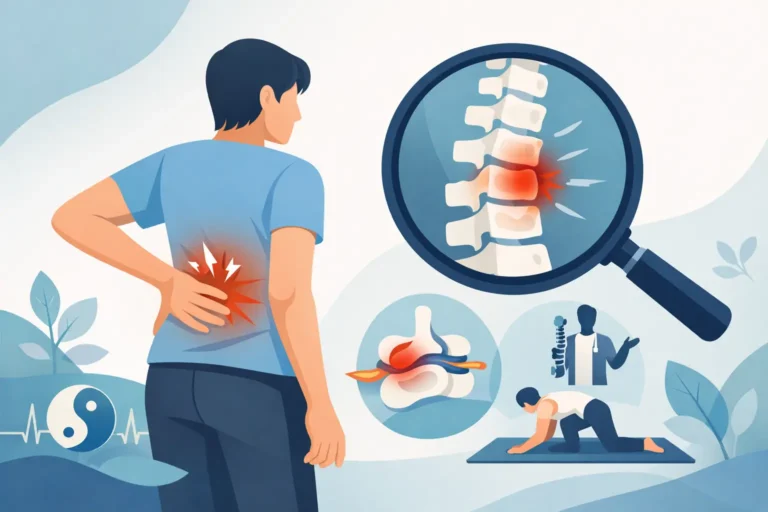
The internal organs are not separate from the musculoskeletal system. They are suspended by membranes and ligaments, share space with the spine and ribcage, and move with every breath. Clinical experience shows that more than 70% of patients presenting with back pain or postural complaints have some component of visceral dysfunction. This does not mean the organ itself is diseased. It means the connective tissue around it has lost some of its glide, and the body has built a new pattern of tension to compensate.
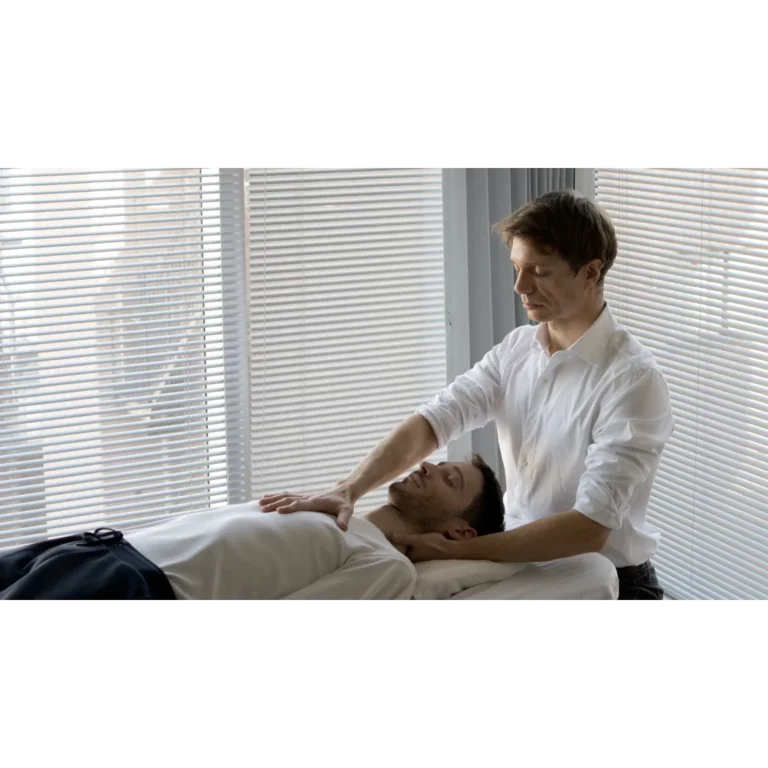
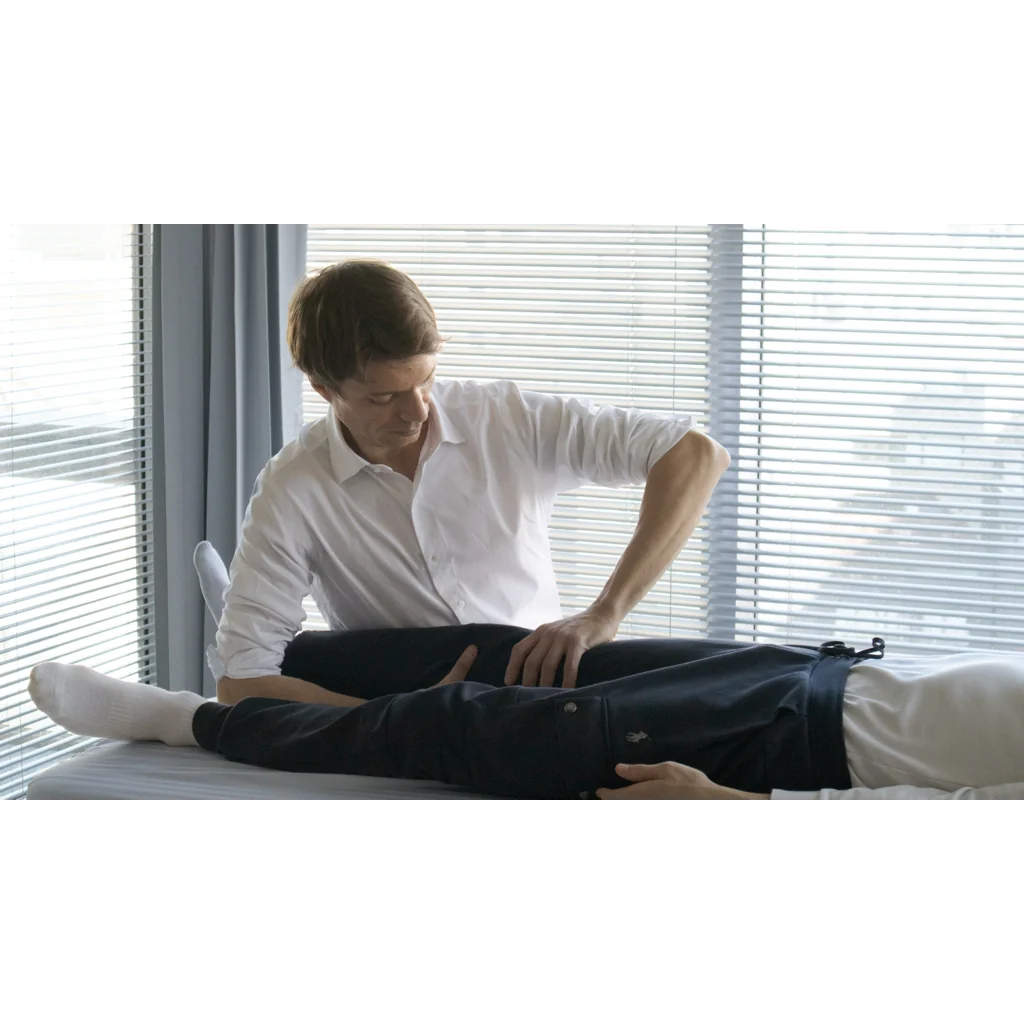
Visceral techniques can be direct or indirect, but the most refined work is generally indirect. I follow the dysfunction inward with a delicate touch until reaching the neutral point — the moment where tension dissolves and the tissue stops fighting. From this point of stillness, the living tissue begins to release on its own. This is the opposite of stretching or forcing; it is closer to listening, then letting the body choose its own way back to balance.
When the viscera move more freely, the structures that depend on them — diaphragm, ribs, spine, pelvis — follow naturally. Patients often notice an improvement well beyond what we treated locally: easier breathing, better lymph circulation, more comfortable digestion, calmer nervous tension. There is no forceful manipulation of the abdomen. Yet for many of the people I see, this is where lasting change finally begins.